

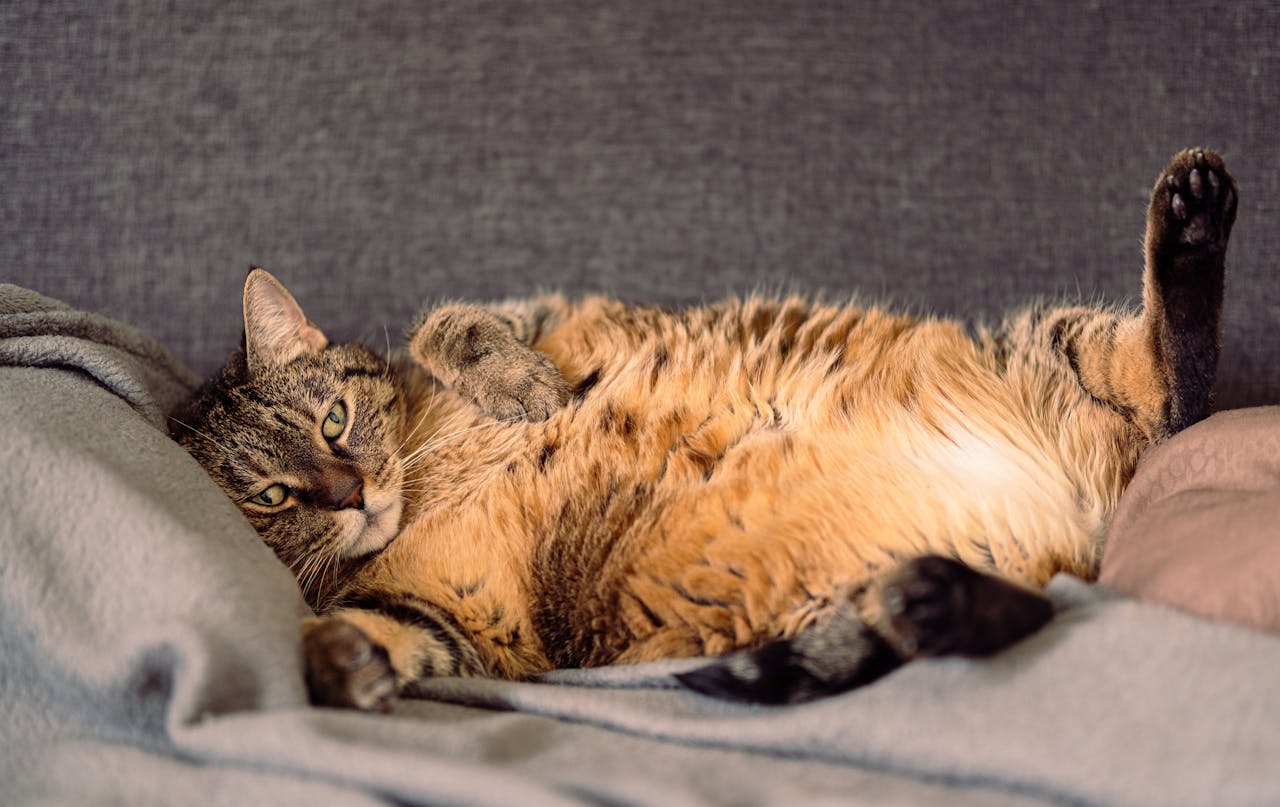
Every cat owner strives to make their fluffy friend’s life happier and more enriched. In the search for natural and safe ways to entertain, calm, or simply delight our beloved pets, we often encounter two mysterious remedies – catnip and valerian root. Both plants are famous for their almost magical effect on cats, but are they truly interchangeable? In reality, their influence, mechanisms, and intended purposes differ significantly. How can you figure out exactly what your cat needs – an explosion of playful energy or a wave of peaceful bliss? We’ll take a detailed look at this dilemma further on Tvaryny.
This article is your comprehensive guide to the world of feline aromatic stimulants. We will delve into the chemistry of these plants, understand how they affect a cat’s brain, compare their effects, and help you make an informed choice based on your pet’s individual needs.
Catnip (Nepeta cataria): Euphoria in its purest form
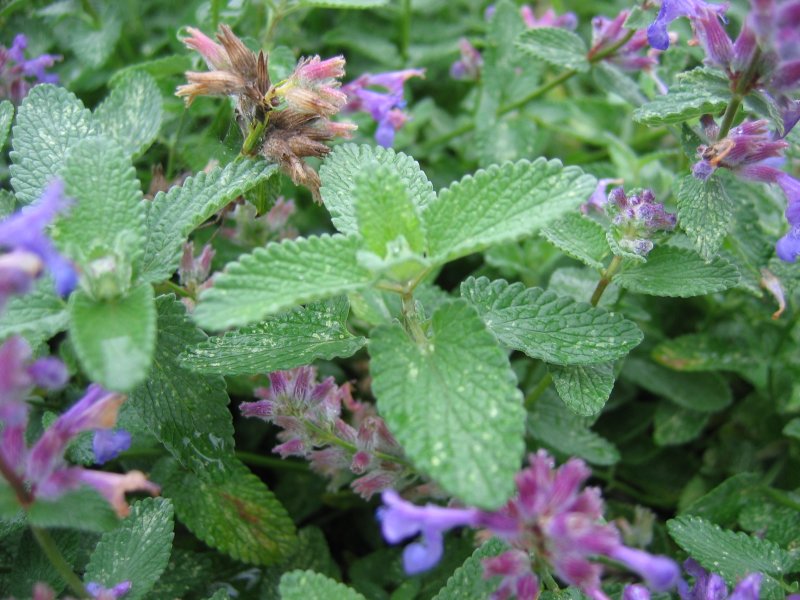
Catnip, or catmint, is arguably the best-known plant stimulant for felines. This herb from the mint family contains a volatile oil whose key component is nepetalactone. It is this chemical compound that is responsible for the strange and comical behaviur we observe in our pets.
How does catnip affect cats?
The mechanism of nepetalactone action is similar to that of pheromones. When a cat inhales the catnip aroma, nepetalactone molecules bind to receptors in its nasal cavity. These receptors send signals directly to the brain, specifically to the amygdala and hypothalamus – the areas responsible for emotional and behavioural responses.
- Stimulating the “pleasure centre”: The cat’s brain interprets these signals as something incredibly enjoyable, triggering short-term euphoria.
- Typical reaction: Behaviour can vary, but often includes sniffing, licking, chewing the plant, rubbing the head and body, rolling on the floor, active purring, and running around. This state lasts, on average, for 10-15 minutes.
- The next phase: After the burst of activity, a refractory period follows (about 30-60 minutes) during which the cat will not react to the catnip. Often, the pet becomes very calm, relaxed, and may even fall asleep afterwards.
It’s important to note that sensitivity to catnip is hereditary. Statistically, about 70-80% of adult cats react to it. Kittens under 6 months are usually indifferent, and some may even develop an aversion to the smell.
When should you use catnip?
- For environmental enrichment: It’s an ideal way to combat boredom in indoor-only cats.
- To encourage play: Sprinkle catnip on a new toy or scratching post to draw the cat’s attention to it.
- For physical exercise: The energy burst prompts the cat to move actively, which helps maintain a healthy weight.
Valerian Root (Valeriana officinalis): The paradoxical calmer
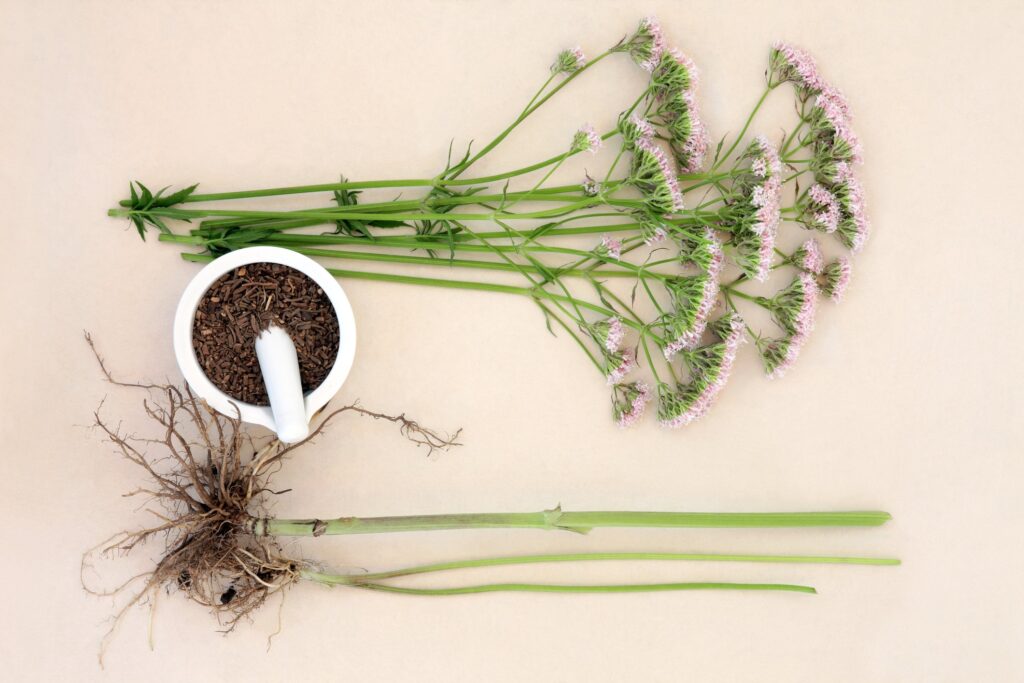
If catnip is a “party,” valerian is more of a “meditation,” though it often starts unexpectedly. Unlike humans, on whom valerian acts as a sedative, it initially has a stimulating effect on many cats. This is all down to its chemical composition – specifically, the plant’s root.
How does valerian affect cats?
The key substances in valerian root are actinidine and valerenic acid. Actinidine is structurally very similar to nepetalactone, which is why it causes a similar initial reaction. The cat might start rubbing, rolling on the floor, and drooling.
However, after this initial phase of excitement, other components of valerian come into play. They interact with GABA receptors (gamma-aminobutyric acid) in the brain. GABA is the primary inhibitory neurotransmitter responsible for relaxation and reducing anxiety. That’s why, following the initial burst of activity, a phase of deep calm and contentment occurs. This effect is often more long-lasting than that of catnip.
When should you use valerian root?
- To reduce stress and anxiety: Valerian can be an excellent aid during stressful situations – trips to the vet, the arrival of a new family member, or loud noises (fireworks, renovations).
- For cats indifferent to catnip: If your pet doesn’t react to catnip, valerian can be a wonderful alternative.
- For pre-sleep calming: If your cat is too active at night, a small dose of valerian an hour or two before bed can help them relax.
Catnip vs. Valerian Root: A comparison table
To summarise the information and help you quickly orient yourself, we’ve created a simple comparison table. It clearly demonstrates the key differences between these two popular remedies.
| Characteristic | Catnip (Nepeta cataria) | Valerian Root |
|---|---|---|
| Active Substance | Nepetalactone | Actinidine, Valerenic Acid |
| Initial Effect | Euphoria, playfulness, energy | Euphoria, excitement (similar to catnip) |
| Subsequent Effect | Relaxation, drowsiness | Deep relaxation, anxiety relief, calm |
| Duration of Action | 10-15 minutes of activity | 15-30 minutes of activity, but a longer calming period |
| Best for… | Play, combating boredom, physical activity | Relieving stress, anxiety, adapting to changes |
| Percentage of Cat Reaction | ~70-80% | ~50%, often works on those who ignore catnip |
| Part of the Plant Used | Leaves and stems | Root |
Practical guide: What and when to choose for your cat?
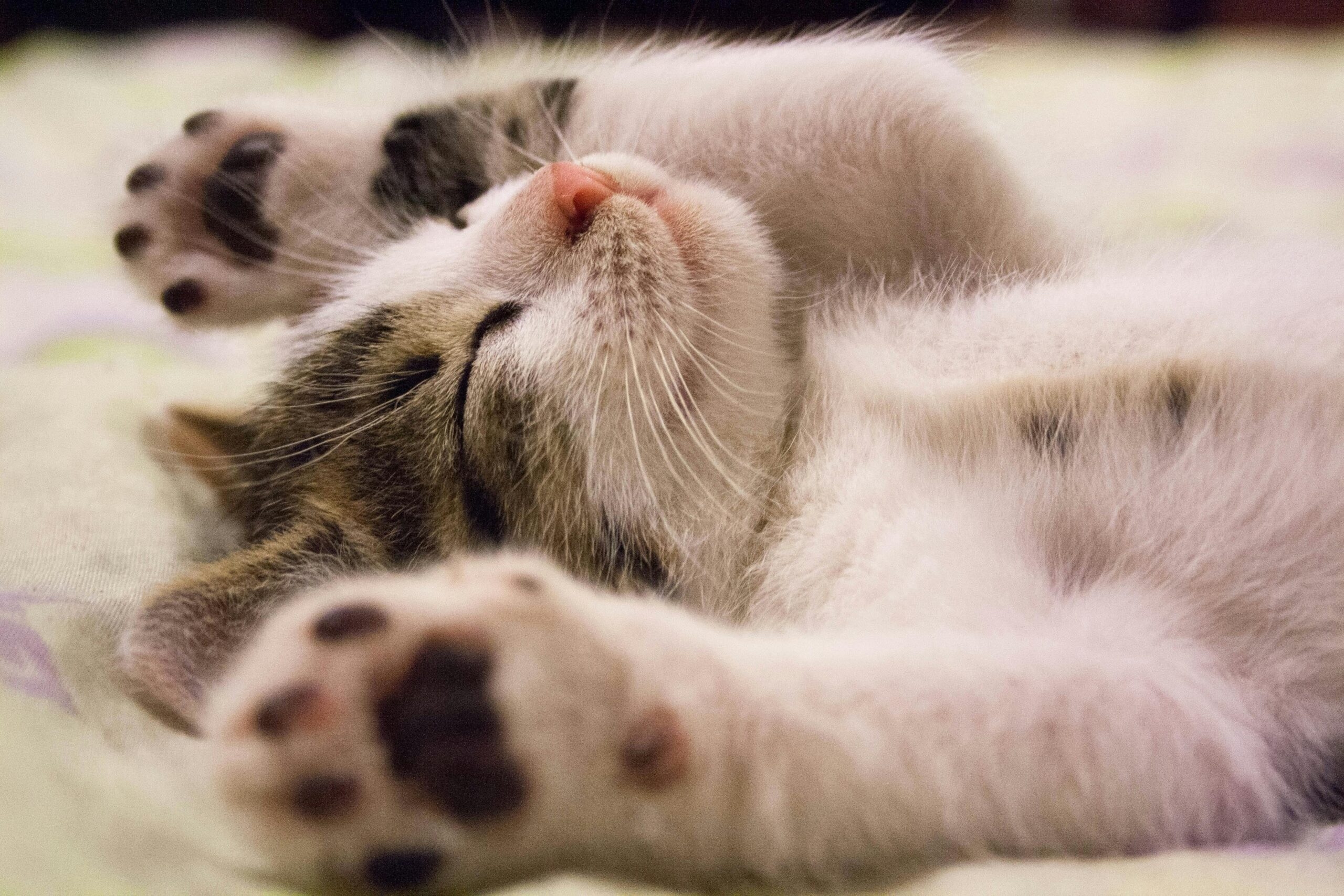
Now that we’ve covered the theory, let’s move on to the most important part – the practical application. The choice between these two plants depends on the goal you are pursuing and the individual nature of your pet.
Choose catnip if:
- Your cat is apathetic or bored. Catnip is a wonderful way to stir them up and encourage play.
- You want to encourage your cat to use a new scratching post or bed. The aroma will make the new item much more appealing.
- Your pet is overweight. Regular “catnip sessions” will help provide the necessary level of physical activity in a playful manner.
Choose valerian root if:
- Your cat is timid, anxious, or stressed. Valerian will help them relax after the initial wave of excitement. This is a great natural way to calm a cat.
- A stressful event is approaching: a trip, visiting guests, or fireworks outside. Offer a valerian-infused toy in advance.
- Your cat is aboslutely indifferent to catnip. Valerian is your chance to give them similar positive emotions. Although their effects are similar, they are based on different compounds.
Safety first: Rules of use and contraindications
Although both plants are considered safe, it’s important to follow a few simple rules to avoid harming your pet. These safe cat stimulants will only be beneficial when used correctly.
- Know your limits. Offer catnip or valerian no more than 1-2 times a week. With overly frequent use, the cat may lose sensitivity to them.
- Start small. Give a small pinch of dried herb or a toy for 10-15 minutes and observe the reaction.
- Do not feed in large quantities. While a small amount of ingestion is not harmful, an excess can cause digestive upset (vomiting, diarrhoea).
- Avoid alcohol tinctures. If you buy valerian, ensure it’s a dry root, a water-based spray, or a toy. Human alcoholic tinctures are toxic to cats!
- Observe the behaviour. In rare cases, especially in male cats, aggression may occur. If you notice such a reaction, discontinue use.
- Contraindications. It is not recommended to give these herbs to pregnant cats or animals with cardiovascular diseases or epilepsy without consulting a vet.
Conclusion: There is no single ideal remedy – only an individual approach
So, which is better: catnip or valerian root? The correct answer is – the one that suits your cat best. There is no one-size-fits-all solution. Catnip is an excellent tool for fun, play, and combating boredom. Valerian root is your ally in the fight against stress, anxiety, and tension.
The best way to find out is through experimentation. Offer your pet both options (at different times, of course) and carefully observe their reaction. They will show you what they prefer. Remember that the main goal is to improve the quality of life for your furry companion by giving them new positive experiences and a feeling of security.