You’ve just brought home that little bundle of joy, and your heart skips a beat with every tiny breath they take. But along with the joy comes a flicker of panic. You find yourself watching them constantly, wondering if you're doing everything right or if you've missed a vital health detail before that first big appointment. At tvaryny.com, we see this anxiety in new pet parents all the time. I want to be your mentor through this process so that the first visit is calm for both you and your little friend. Trust me, your worry is perfectly natural-you are now responsible for a life that depends entirely on your choices.
Getting ready for the visit: Don't leave home without these
Preparation doesn't start at the clinic door; it begins days in advance. Your little one is incredibly sensitive to your emotional state, so the first step is to stay calm yourself. Gather any paperwork provided by the breeder or shelter. This might include medical records, proof of the first deworming, or an international veteirnarian passport if it has already been issued.
It is crucial to observe your pet's behavior beforehand. Keep a quick log: how often do they go to the bathroom? What is their appetite like? Do they seem lethargic after playtime? If you are planning your first visit to the veterinarian: what to expect and which questions to ask, having this list ready will prevent you from freezing up in the exam room.
Choose the right carrier for a cat or a sturdy harness for a dog. For kittens, hard plastic carriers that open from the top are best. This allows the doctor to begin the exam without having to pull a frightened animal out by force. Place a blanket inside with the familiar scent of home-it will lower your pet's stress levels significantly.
- Gather samples. If your pet has digestive issues, bring a stool sample (no older than 6–12 hours).
- Bring treats. These help create a positive association with the clinic environment.
- Note the food brand. The doctor will definitely ask exactly what you are feeding your new companion.
- Take photos of their living area. Sometimes a photo of their bed or bowls helps a vet understand behavioral or hygiene issues.
What happens behind the exam room doors: Step by step
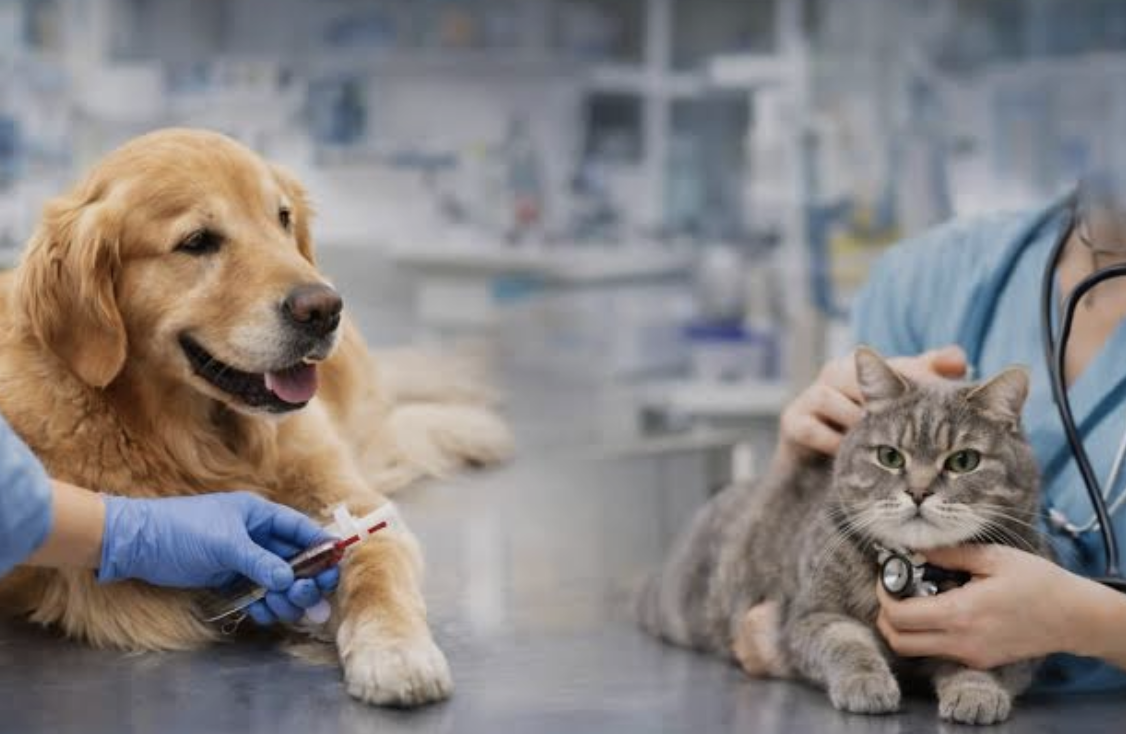
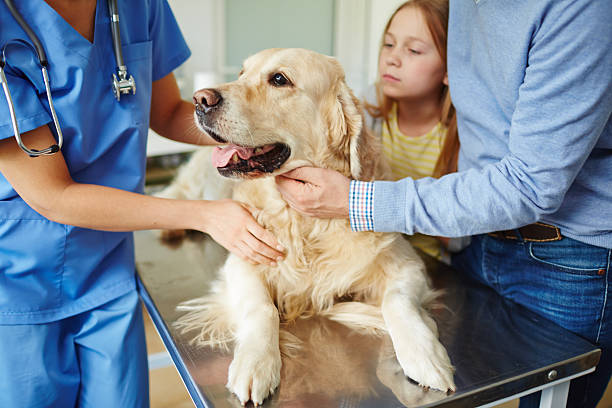
Once you enter the room, the vet will start with a visual assessment. They will check the coat's cleanliness, the clarity of the eyes, and the color of the gums. It might look like simple petting, but the expert is actually checking lymph nodes and feeling for hidden lumps or parasites. Don't be alarmed if your pet starts shaking-it is a normal reaction to new smells and sounds.
"The first visit isn't about shots; it's about building trust. If a doctor takes the time to just talk to your pet before opening the medical kit, you've found a great specialist."
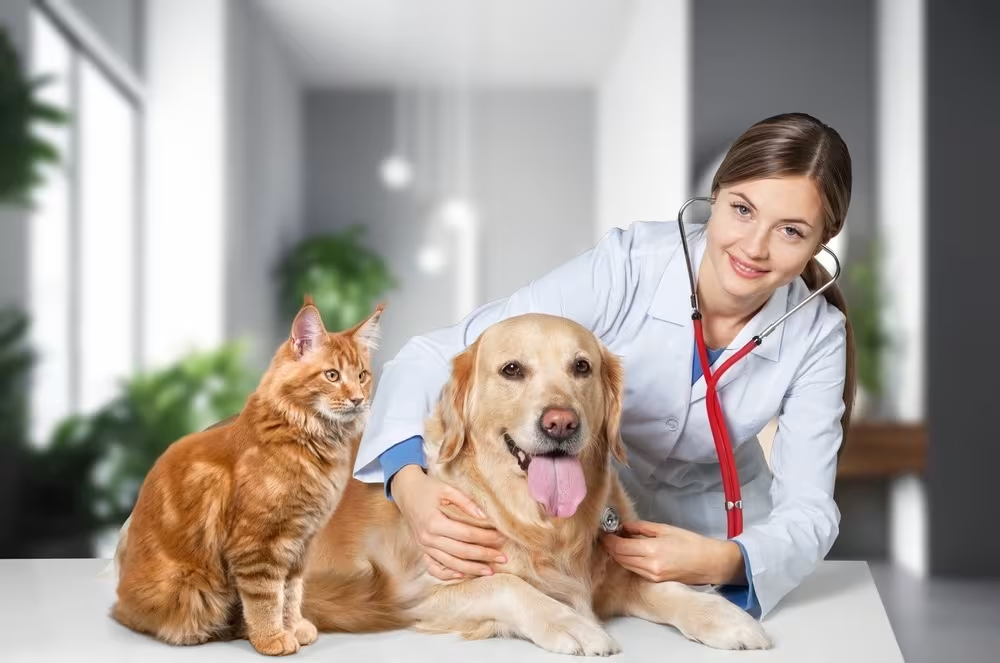
Special attention is paid to heart rate and breathing. The doctor will definitely listen to the lungs with a stethoscope. While most people visit for cats or dogs, vet care extends to all species. For instance, if you own a bird and notice behavioral changes, you might need help with communication issues or even how to stop a parrot from swearing if they've picked up bad habits. Every pet has unique needs that should be addressed early on.
| Exam Stage | What the Doctor Checks | Why It Matters |
|---|---|---|
| Temperature | Body temperature | Detecting hidden inflammation or infections. |
| Dental Check | Bite and gum health | Crucial for the transition from baby teeth to adult teeth. |
| Weighing | Exact weight in grams | Calculating precise dosages for dewormers and vaccines. |
| Auscultation | Heart and lung activity | Ruling out congenital defects that aren't visible externally. |
How to save money and avoid unnecessary costs
Many beginners think clinics are trying to upsell them on extras. In reality, prevention is always many times cheaper than treating a full-blown disease. I recommed setting up a schedule for flea/tick treatments and vaccinations right away. This allows you to plan your budget and avoid expensive emergency visits when a pet suddenly falls ill from preventable infections.
Always ask about alternatives. If a vet suggests an expensive vitamin set, ask if you can balance their diet with high-quality food instead. Often, switching to a professional super-premium diet removes the need for medical supplements. Be honest with your vet about your budget-they will help you choose the most effective yet affordable protection schemes.
- Vaccination questions. Find out which shots are mandatory for your area and which are just recommended.
- Parasite control. Ask for a product that covers ticks, fleas, and internal worms all at once.
- Spaying/Neutering. Discuss the optimal age for this to avoid behavioral and health issues later.
- Microchipping. It is an inexpensive procedure and the only reliable way to get your pet back if they get lost.
Your day-of-visit checklist
Just before leaving the house, check if you have water for the little one, especially if it's a long drive. Don't feed your pet 2–3 hours before the appointment-it prevents motion sickness and allows the vet to take blood samples if necessary. Remember, your confidence travels down the leash or through your hands.
Write down all the doctor's instructions during the visit. In a stressful situation, your memory might fail you, and a clear action plan is the best cure for anxiety. Don't be shy about asking "silly" questions. It's much better to clarify now than to search for advice on sketchy internet forums at 2 AM.
You are doing a great job taking care of your new family member's health from day one. This partnership with your vet will last for years, and today you are building its solid foundation. Trust yourself, stay observant, and your pet will thank you with many happy, healthy years by your side.