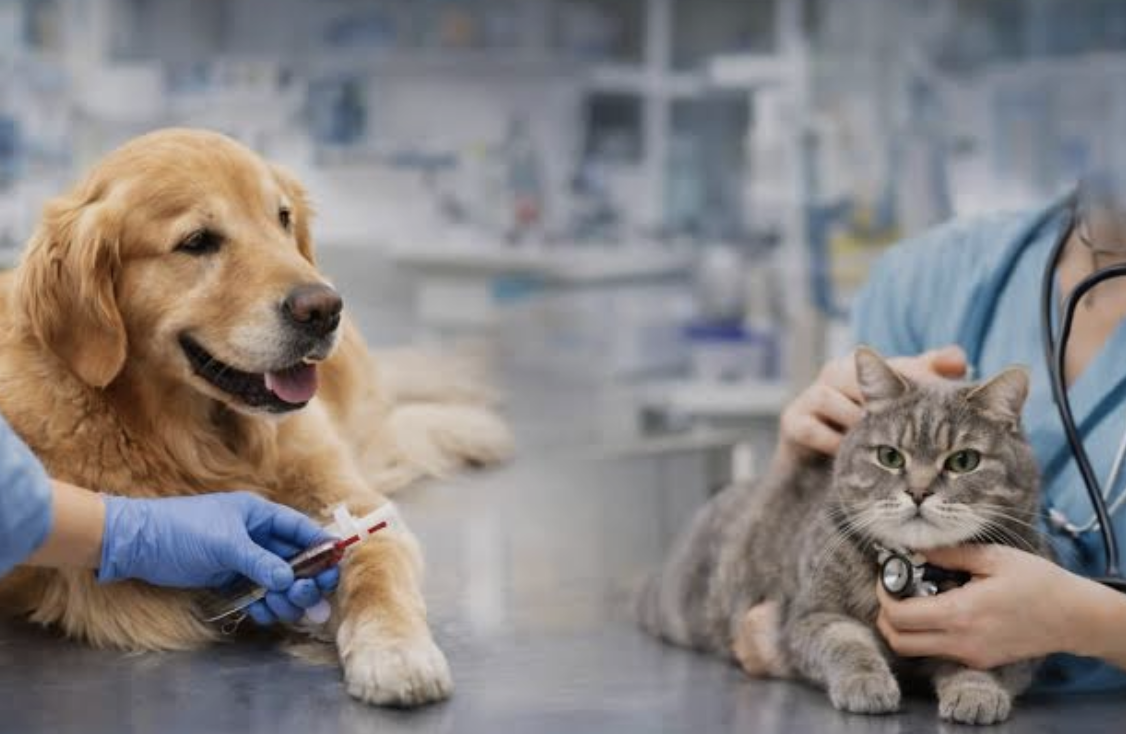
You’ve just brought home this little, fluffy bundle of joy, and your heart almost stops with every tiny breath they take. But along with the happiness often comes a quiet sense of panic. You watch your new friend and wonder if you're truly doing everything right. Did you miss a vital health detail? As the date for the first veteirnarian appointment approaches, the worries tend to grow. At tvaryny.com, we see these fears in new owners all the time. I want to be your guide so this first visit is relaxed for both you and your puppy or kitten. Believe me: your restlessness is completely normal. After all, you now carry the full responsibility for a life that depends entirely on your decisions.
How to prepare for the visit so you don't forget a thing
Preparation doesn't start at the clinic door; it begins several days before. Your little protégé is very sensitive to your emotional state. Therefore, the first step is your own calm. Gather all the documents you received from the breeder or previous owner. This includes vaccination records, proof of the first deworming, or any medical history that might be relevant for the docter to see.
It is very important to monitor your pet's behavior closely beforehand. Note down how many times a day the kitten or puppy goes to the bathroom, what their appetite is like, and if they seem lethargic after playing. If you are starting your journey with a specific breed, such as a low-slung long-eared Basset Hound, you'll want to pay extra attention to their ears and back right from the start. Having a list of observations ready ensures you won't lose your train of thought in the exam room.
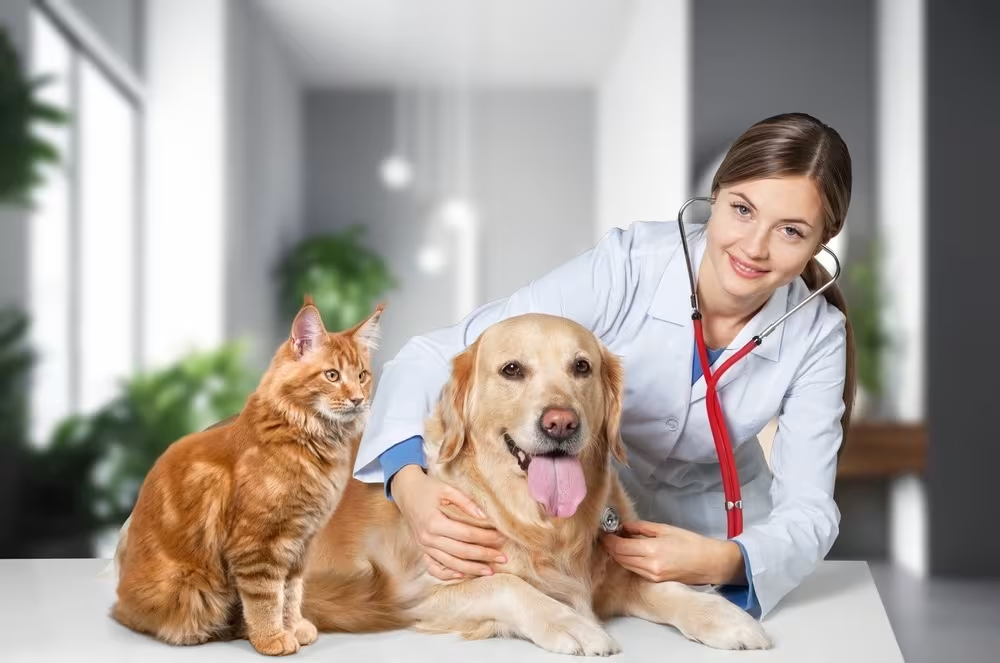
Choose a suitable carrier for your cat or a stable harness for your dog. For kittens, rigid plastic boxes that open from the top work best. This allows the vet to begin the examination without having to pull the frightened animal out by force. Put a blanket with the familiar smell of home inside. This will lower the stress level for the little one significantly.
- Collect samples. If the pet has digestive issues, bring a stool sample (no older than 6–12 hours).
- Pack treats. These help build a positive association with the veterinary clinic.
- Note the food name. The doctor will surely ask you exactly what your pet is eating.
- Take photos of the environment. Sometimes a picture of the sleeping area or the bowls helps the vet understand the causes of behavioral issues.
What happens behind the exam room doors: Step by step
As soon as you enter the room, the vet will start with a visual check. They assess the cleanliness of the coat, the clarity of the eyes, and the condition of the mucous membranes. It might look like simple petting, but in reality, the professional is checking the lymph nodes and looking for parasites. Don't be afraid if the little one starts to shake. That is a normal reaction to the new smells and noises.
"The first visit is not about shots; it's about building trust. If the vet takes the time to speak to your darling first before opening the medical bag, you've found the right specialist."
Special attention is paid to the heartbeat and breathing. The doctor will definitely listen to the lungs with a stethoscope. Even with more athletic scent dogs like the sturdy Poitevin Hound, the specialist will look closely at the bone structure and joints during these first months. Every breed has its predispositions that should be kept in mind from the very beginning.
| Phase of the Examination | What the Doctor Checks | Why It Matters |
|---|---|---|
| Thermometry | Body temperature | Detecting hidden inflammatory processes or infections. |
| Oral Check | Bite and gums | Important for the correct transition from milk teeth to permanent teeth. |
| Weighing | Exact weight in grams | Calculating the dosage for deworming and vaccines. |
| Auscultation | Heart and lung activity | Excluding congenital malformations that are often not visible externally. |
How to save and avoid unnecessary expenses
Many beginners believe that clinics try to push extra services on them. In reality, prevention is always many times cheaper than treating a disease that has already broken out. I recommend setting a schedule for deworming and vaccinations in advance. This allows you to plan your budget and avoid expensive emergency visits if the animal suddenly falls ill with parvovirus or heartworm.
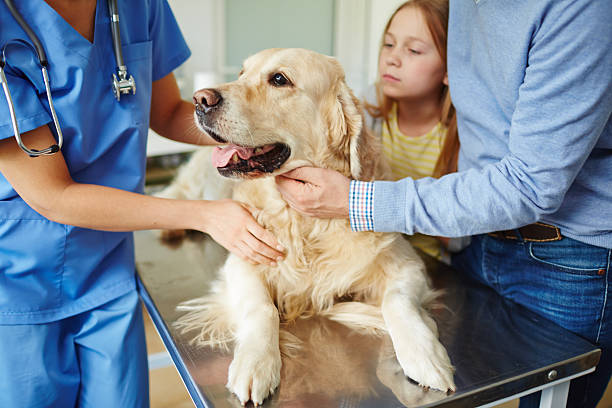
Ask about alternatives. If the doctor suggests an expensive vitamin set, find out if you can balance the nutrition with high-quality food instead of supplements. Often, switching to a professional food from the super-premium segment solves the problem of extra health costs. Be honest with the vet about your budget. They will help you choose the most effective, but affordable protection methods.
- Vaccination questions. Find out which vaccinations are mandatory in your area and which are only recommended.
- Parasite protection. Ask for a product that works against ticks, fleas, and internal parasites at the same time.
- Spaying/Neutering. Discuss the optimal age for this procedure to avoid problems in the future.
- Microchipping. This is a low-cost procedure and the only secure method to get your pet back if they get lost.
Your checklist for the day of the visit
Just before leaving the house, check if you've packed water for the little one, especially if the trip is long. Do not feed the animal 2–3 hours before the appointment. This helps avoid nausea during the drive and allows the doctor to take blood for tests if necessary. Remember that your confidence is transferred through the leash or your hands.
Write down all the doctor's recommendations directly during the examination. In a stressful situation, your memory can let you down, and a clear action plan is the best remedy for restlessness. Do not be afraid to ask "naive" questions. It is better to ask now than to search for advice in dubious forums in the middle of the night later on.
You are doing a great job by taking care of your new family member's health from the very first days. This partnership with the vet will last many years, and today you are laying a solid foundation for it. Trust yourself, pay attention to details, and your pet will thank you with many happy years by your side.