

You walk into a friend’s house and there it is – a beautiful, fluffy cat. Your heart wants to cuddle, but within seconds, your eyes are itching like crazy. Your throat tightens, and a sneezing fit begins. This is the frustrating reality for millions of people who feel like their own bodies are blocking them from the joy of pet ownership. At tvaryny.com, we frequently recieve letters from readers asking if there is any real hope for a life without constant antihistamines. As a vet with years on the front lines, I have some good news: there is a path forward. However, you have to understand your true physiological enemy first. An allergy is not a deal-breaker. It is simply a call to be more responsable and scientific about the breed you choose.
The Anatomy of Cat Allergies: Who Is the Real Villain?
Most people assume that cat hair is what causes the reaction. In reality, the fur itself is harmless. The real culprit behind your puffy eyes is a specific protein called Fel d 1. This protein is produced by the cat’s skin glands and is also found in their saliva and urine. Think of it as a microscopic, sticky dust that eventually coats every inch of the animal.
When a cat grooms itself, it spreads saliva across its coat. Cats spend nearly a third of their day cleaning themselves. Once that saliva dries, those tiny protein particles become airborne. They are so light they can float in your living room for hours. This is why you start sneezing even if the cat is in another room. These particles settle into your carpets, drapes, and even your favorite sweater.
In my clinic, I often see families bring home a new kitten and feel perfectly fine for the first few months. Kittens produce very little of this protein. This often creates a false sense of security. But as they hit puberty, their hormone levels spike. By the time the cat is 6 to 8 months old, the owner suddenly develops a severe reaction.
Hormones, Colors, and Chemistry
Medical research shows that allergen production is tied directly to sex hormones. Intact males produce the highest levels of Fel d 1. If you are sensitive, you should definitely opt for a female or ensure your male is neutered early. Within weeks of the procedure, the allergen concentration in their secretions drops. While we manage our pets at home, many communities also support a humane TNVR program to control the stray population and improve general feline health.
Interestingly, some studies suggest coat color matters too. Statistically, cats with dark fur tend to trigger more intense reactions than lighter ones. While scientists are still debating the “why,” I usually suggest that my allergic clients look for white or light-colored kittens just to be safe.
Hypoallergenic Breeds: Marketing Myth or Scientific Fact?
Let’s clear this up once and for all. There is no such thing as a 100% “allergy-free” cat. In the medical world, the prefix “hypo-” means “less,” not “zero.” A hypoallergenic cat is simply one that produces less Fel d 1 or has a coat that keeps the protein from drifting around your home.
When picking a pet, remember this is a 15-year commitment. You need a breed that matches your lifestyle, not just your allergies. Beyond checking for sneezing fits, you should always keep an eye out for other medical issues, such as the early signs of feline urinary tract disease, which can be a silent threat to any breed.
Natural Wonders: Low-Allergen Breeds
Some breeds have naturally evolved to have lower concentrations of allergens in their saliva. Even with thick fur, these cats are often manageable for people who usually struggle around felines.
- Siberian Cat: Surprisingly, this long-haired beauty is the top choice. Their saliva has very low Fel d 1 levels. Over 75% of allergy sufferers report no reaction to them.
- Balinese: Known as the “long-haired Siamese,” they produce very little protein. Since they lack a thick undercoat, they shed less than your average house cat.
- Oriental Shorthair: These cats have a very fine coat that sits tight against the skin. They don’t spread much dander, but they are very vocal and love attention.
“A hypoallergenic breed isn’t a magic cure. It just gives you a much better chance at a normal life. Your own immune system will always be the final judge.”
The Hairless and the Curly: Sphynx and Rex
Another group of cats works because the allergen has no “vehicle.” Without traditional fur, the protein stays on the skin instead of floating through the air. This makes it easy to wash away during a bath. Regular grooming is your best friend here.
These breeds are often the “last resort” for sensitive owners. While some people find the look unusual, their personalities are incredibly affectionate. Most of these cats actually tolerate water better than other breeds, which makes bath time much easier.
- Canadian and Don Sphynx: These cats require a specific routine because they sweat. A bath every week or two keeps the skin oils and allergens in check.
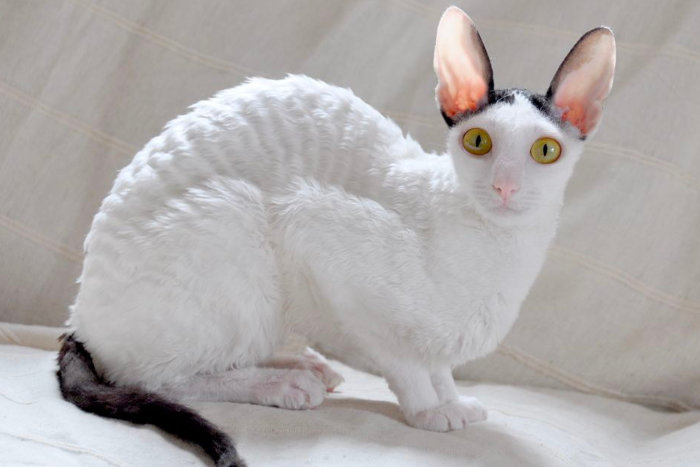
- Cornish Rex: Their fur feels like velvet. They only have a soft undercoat and no guard hairs, which means they barely shed at all.
- Devon Rex: Often called “pixies,” they have even less fur than the Cornish. A simple wipe-down with a damp cloth can remove most of the surface allergens.
The Master Plan: Reducing Allergens at Home
Choosing the right cat is only the first step. You also need to change how you manage your home. Even a Siberian can cause a reaction if you never clean. Modern science has given us tools like specialized diets (such as LiveClear) that use egg-based proteins to neutralize the allergen in the cat’s mouth. I’ve seen these diets cut allergen levels by half in under a month.
Beyond diet, hygiene is everything. Here is how to protect your space:
- No-Go Zones: Keep your bedroom strictly off-limits. You need at least eight hours of clean air every night.
- Smart Cleaning: Use a vacuum with a HEPA filter. Standard vacuums just blow the small particles back into the air.
- Air Purifiers: Place a high-quality air purifier in the rooms where the cat spends the most time.
- Litter Habits: Urine contains Fel d 1. Use a litter box with a hood and a filter, and try to have a non-allergic family member handle the cleaning.
Breed Comparison at a Glance
Use this table to help narrow down which breed might fit your specific needs and maintenance level.
| Cat Breed | Coat Type | Allergen Level | Maintenance |
|---|---|---|---|
| Siberian | Long, thick | Very Low | Moderate (needs brushing) |
| Balinese | Medium, no undercoat | Low | Low (minimal matting) |
| Sphynx | None | Normal (but washable) | High (needs frequent baths) |
| Devon Rex | Short, curly | Normal (minimal shedding) | Moderate (needs skin care) |
| Oriental | Very short | Low | Low (basic grooming) |
The Final Word
Sharing your life with a cat is a special experience. It lowers stress and brings unconditional love into your home. Allergies make it harder, but they definately don’t make it impossible. If you understand the science and pick the right breed, you can find a companion that won’t leave you reachin’ for the tissues every five minutes.
My biggest piece of advice? Never buy a cat without meeting it first. Spend a few hours at the breeder’s house. Hold the cat, let it rub against you, and see how your body reacts. Every person and every cat is different. With a little patience and the right strategy, you’ll find a feline friend you can breathe easy around.