
You have likely felt that slight pang of anxiety when news reports surface about new legislative changes affecting our four-legged friends. It seems like only yesterday we were enjoying carefree walks in the park. Yet today, we must navigate the complexities of digital identification and state registries. On the portal tvaryny.com, we regularly receive questions from concerned owners. Many wonder if the new system is merely a bureaucratic burden. Others worry it might even be a health risk for their animals. As someone who transitioned from a legal background to an expert in pet ownership, I want to reassure you. These changes are not about surveillance. They are primarily about safety and stepping into a civilized future where every lost pet has the chance to return home in a heartbeat.
Legal Foundations 2026: Why This Year Matters
The transition to mandatory microchipping in Ukraine is not a sudden whim. It is the result of a long-term strategy to create a Unified State Register for Pets. The primary goal is to synchronize the national database with standards currently used across the European Union. Starting in 2026, owning an unregistered dog or cat will de jure be considered a violation of animal welfare regulations. This means every animal must possess a unique identification number stored on a microchip. A veterinarian can then read this number using a specialized scanner.
For owners of dogs with a high prey drive or a tendency to wander, such as the wire-haired Dutch Smoushond, microchipping is the absolute foundation of safety. Such active breeds can pick up a scent and vanish in seconds. Previously, registration was often a choice for travelers or a requirement for professional breeders. Now, the state is stepping in as a coordinator. It is creating a shared digital space. The database will store owner information, current rabies vaccinations, and medical notes. This makes the work of veterinary authorities and law enforcement much more efficient.

Why does the microchip beat a simple tag on a collar? From a legal standpoint, a collar is not a secure proof of ownership. It can be removed, lost in the brush, or even intentionally discarded. The microchip, however, is a passport that cannot be lost. It contains a 15-digit code which serves as the unique key to your data in the system. It is important to note: the chip is not a GPS tracker. It requires no power supply and emits no radio signals. Real-time location tracking is impossible. It is a passive device that only "wakes up" when triggered by a scanner's waves.
The Procedure and Registration: A Concrete Action Plan
The process of fully legalizing your pet consists of two vital and inseparable phases. First, the physical insertion of the chip occurs. This is followed by the entry of data into the national register. Many owners mistakenly believe the chip alone is enough. However, if the number is not linked to your contact details in the system, the proceddure loses its legal weight. Microchipping must be performed at a licensed veterinary clinic with authorized access to the database.
«Microchipping is an act of mature love and ultimate responsibility. It is the only way to undeniably prove the right to care in crisis situations such as theft or disappearance.»
Here are the steps you need to take for a correct registration:
- Vet Visit: The doctor first checks if the animal already has a chip to avoid errors in the system.
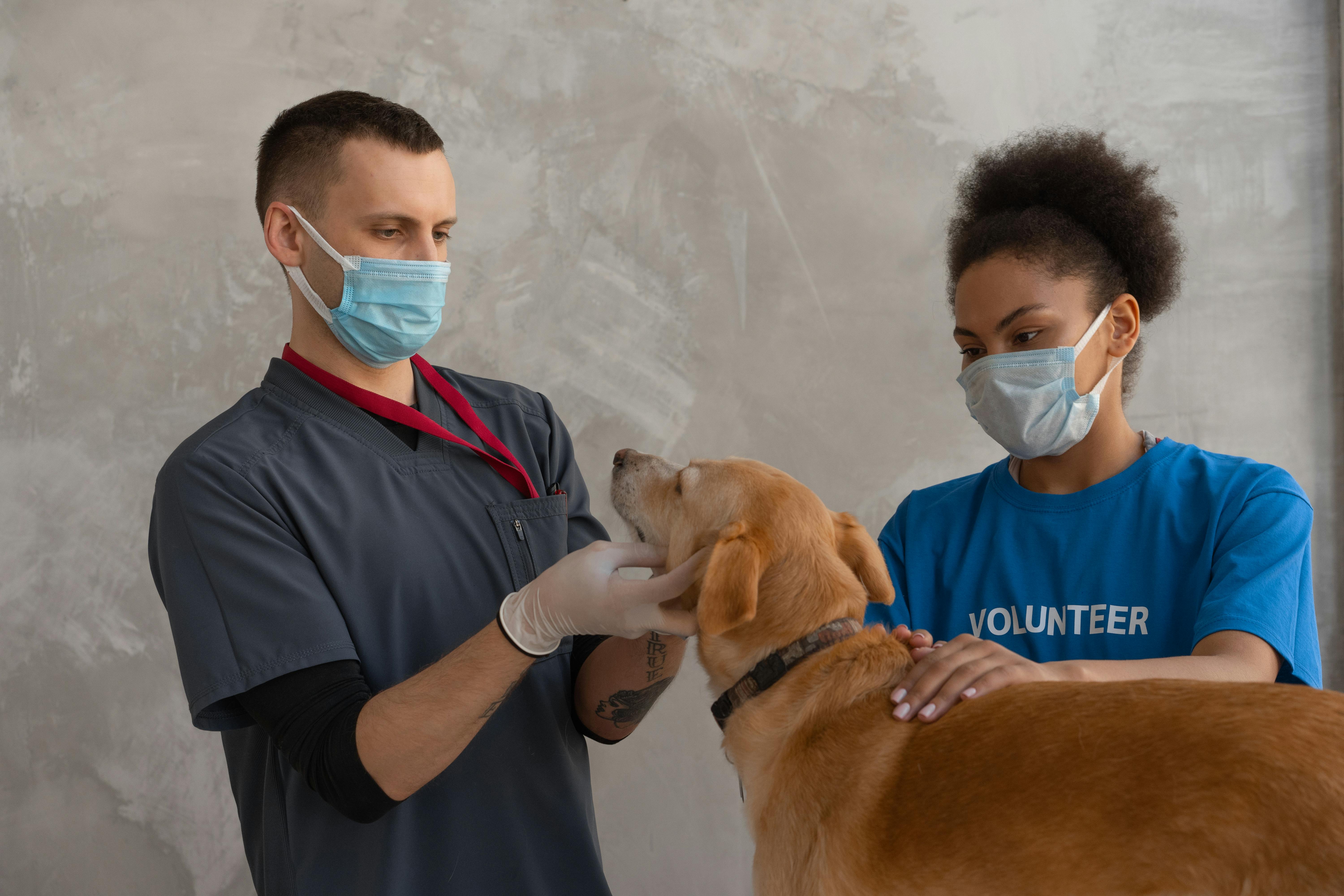
- Chip Application: Using a sterile applicator, the chip is placed under the skin at the neck. This requires no anesthesia.
- Documentation: You provide your ID details, phone number, and specific info about the pet (name, age, breed).
- Database Sync: The vet enters the data into the state register. You should receive a confirmation or an entry in the pet's passport.
- Self-Check: I recommend verifying after a few days that the number appears in public identification databases.
For owners of athletic, high-energy breeds like the English Pointer, mandatory registration becomes a vital tool against unscrupulous breeders. Every animal will now have a transparent origin story. This significantly elevates the prestige of ethical breeding in the country. It also helps eliminate trade from unknown sources. It protects not just you, but the welfare of these noble animals.
Comparison: Old vs. New Rules
To grasp the significance of these changes, it is worth comparing the current standards with those coming in 2026. This will help you appreciate the benefits of the new digital reality. You will see why that short visit to the vet is worth the effort.
| Feature | State Before 2026 | State From 2026 (Mandatory) |
|---|---|---|
| Legal Status | Voluntary (mostly for travel) | General and strict requirement |
| ID Method | Collar, tattoo, paper passport | Microchip + digital register |
| Liability/Fine | No sanctions for missing ID | Substantial fines |
| Search Success | Dependent on ads and luck | Instant through scanner sync |
| Medical Records | Scattered, mostly on paper | Centralized and digitally available |
Fines and Sanctions: What Should Owners Expect?
We all know that laws without enforcement mechanisms are often ineffective. The new regulations introduce a concrete scale of sanctions to encourage owners to comply with the formalities. The goal is not to fill the state coffers. It is about building a safe society. Nevertheless, ignoring the rules will be financially noticeable.
These are the primary categories of violations that will be penalized:
- Missing Chip After Deadline: During checks (e.g., in the park or by official veterinarians), there may first be warnings followed by fines.
- Deadline Overruns: Newly acquired puppies or adopted animals must be registred within a specific timeframe (usually by the 4th month).
- False Information: Attempting to register an animal under a third party or providing false vaccination data will be strictly prosecuted.
The amount of the fines is based on the severity of the violation. For initial failures, the amount often ranges between 10 and 30 "non-taxable minimum" units according to the local legal code. In cases of repeated violations, the penalties increase significantly. This is also true if an unregistered animal causes damage. In extreme situations, it may even lead to the confiscation of the animal.
Common Myths About Microchipping
In my long practice, I have heard many tall tales. Some claim chips migrate through the body or trigger inflammation. Let us clear this up: Modern chips are encased in biocompatible glass. This material does not trigger a defense reaction. Thanks to special surface structures, they bond securely with the tissue. They remain there for a lifetime.
Furthermore, the whole procedure is much safer and less painful than traditional tattooing. It is sterile, quick, and requires no recovery time. Your dog can go for a normal walk just one minute after the visit. It is a small step that gives us all a massive sense of security.
Conclusion: Responsibility in the 21st Century
The introduction of mandatory microchipping in 2026 is a milestone for animal welfare in Ukraine. It is a tool that reduces pet homelessness and makes theft harder. It also facilitates help in emergencies. Please do not view this as a tedious chore. It is the most effective insurance policy you can give your four-legged friend. The world is changing. We at tvaryny.com will always support you with expert knowledge to ensure these changes remain understandable. Your peace of mind and the safety of your pet are well worth that one short visit to the vet.