

In brief: do cats remember their kittens
- Cats have associative memory: they remember not “the day” but individual events tied to an emotion — pleasure, pain or fear.
- The mother bond with kittens naturally fades after weaning (at 8–10 weeks), once the kittens become independent — that is how nature works.
- A cat recognises kin mainly by smell, not by looks. A kitten rehomed young changes over months, so the mother may not know it by sight — though a familiar scent can “switch on” recognition.
- That’s why punishing a cat is pointless (it won’t link the punishment to the deed) — only reflexes and positive methods work.
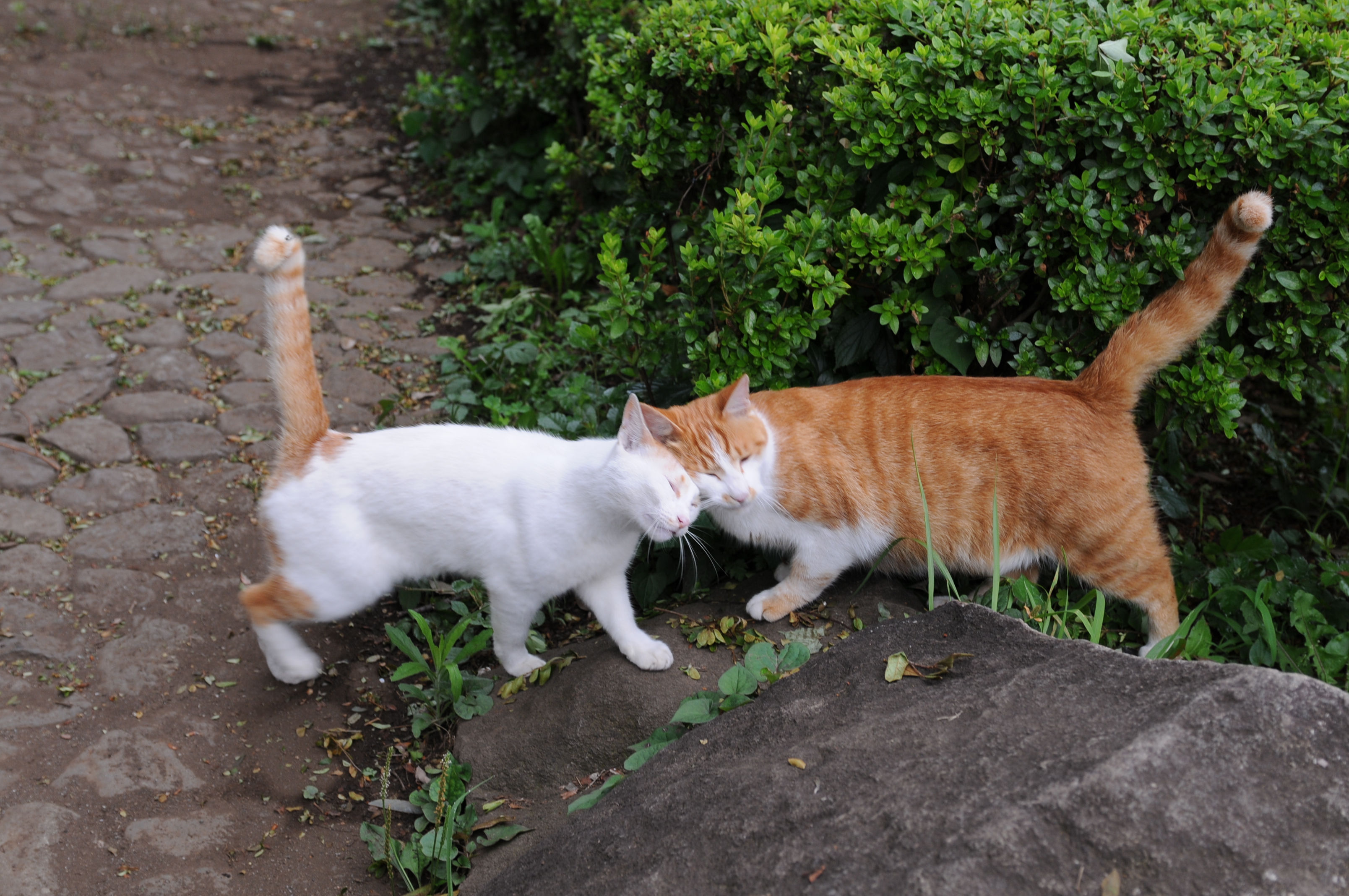
Will a cat recognise her grown kitten after a year apart? Does she miss it? A cat’s memory really is peculiar and unlike ours — which is exactly why the answer isn’t as simple as it seems. Let’s look at how feline memory works and what it means for the bond between a mother and her young.
How a cat’s memory works
Unlike a person, who remembers the day as a whole, a cat keeps only individual events associated with something good or bad (pleasure, pain, fear). A cat’s brain filters information and holds on to just what helps it live comfortably and safely.
That is why punishment doesn’t work: a cat can’t connect the telling-off with a deed that happened even minutes ago. To teach or un-teach an animal you build a reflex. For example, if a cat chews houseplants, treat the leaves with something bitter — the cat is left with an unpleasant memory of the eating itself. That works; punishment does not.
Do cats remember their kittens?
It’s widely believed that a cat doesn’t remember her kin — her mother, siblings, even her own kittens. There is a grain of truth: the mother bond naturally fades once the kittens become independent (around 8–10 weeks). After weaning, the cat stops seeing the grown young as “hers” and may treat them like any other cats — after all, in nature they are rivals for territory and food.
But that doesn’t mean there is no memory at all. It is more that the instinct of maternal care switches off, not that the kitten is fully “erased” from memory.
The role of smell: why a cat doesn’t always recognise
The key is smell. Cats recognise one another mainly by scent, not by appearance. Here’s what affects recognition:
| Factor | Effect on recognition |
|---|---|
| Scent | the main “passport” — a familiar smell can switch recognition on |
| Age at separation | a kitten rehomed young changes so much it looks like a stranger |
| Time apart | the longer apart, the more the shared scent fades too |
| Shared territory | cats that lived together keep a stronger bond and memory |
So if a mother and kitten are separated as adults (when looks and smell won’t change so drastically), the chance of a warm reunion is much higher.
Real owner stories
Many owners are convinced that their cats do recognise their grown kittens. Here are two typical stories.
“We gave our cat’s little kitten to friends in the next neighbourhood. A month later the little one somehow found our building. It miaowed outside the flat until our cat leapt out to it through an open window (we live on the ground floor). First she tried to drag the kitten home, and when that failed she began carrying food out to it from the flat. That’s how the kitten came to live with us again.”
“We had a cat, Vaska, and her kitten, Ryzhyk. One day Ryzhyk vanished. Vaska searched for a long time, roaming the streets all day and coming home tired. Then she settled — we thought the cat was gone. A year passed and our cat had a new litter. Then one night a cat’s cry came from outside. Vaska instantly grew anxious, woke us and scratched at the door. She led in a thin ginger cat from the street and began licking it like a baby. Only later did we realise: our Ryzhyk had come back.”
At the same time, there are plenty of cases where a mother and a grown kitten meet quite hostilely. So there’s no single rule — much depends on scent, the age at separation and the individual cat’s temperament.
Frequently asked questions (FAQ)
Do cats remember their kittens?
The mother bond fades after weaning (8–10 weeks), so a cat often treats her grown kittens like ordinary cats. But thanks to scent, recognition sometimes remains — especially if the animals lived together or were separated as adults.
Why doesn’t a cat recognise her grown kitten?
Usually because the kitten was rehomed young and changed a lot over the months, in both looks and smell. The adult cat no longer connects to the little one she raised.
How do cats recognise each other?
Mainly by scent, not by appearance. A familiar smell is a cat’s chief “passport”, and it is what can trigger recognition even after time apart.
Does a cat miss her kittens?
Right after the kittens are taken, a cat may fret and search for a few days, but this passes — the caring instinct switches off naturally and the animal calms down.
Can I punish a cat so it remembers something?
No. A cat doesn’t link punishment to the deed, so telling it off is useless and only frightens it. What works are reflexes and positive methods: rewarding wanted behaviour and making unwanted behaviour unpleasant (a bitter taste, for example).
So a cat remembers the world differently from us — in short associations and smells, not in memories of days. The mother bond fades naturally, yet scent can preserve a warm memory of a dear creature. And who knows — perhaps your cat will one day recognise her grown kitten after all.