
For decades, the Labrador Retriever has held the undisputed top spot in the hearts of dog owners worldwide. It was the gold standard of a family companion: kind, reliable, predictible. However, the world is changing, and so is our pace of life, living conditions, and even the climate. Cynological trends of 2026 demonstrate a significant shift in interests. Urbanisation and the switch to remote work dictate new rules: now we aren't just looking for a "good boy", but a convenient companion who fits into a schedule of Zoom conferences and life in a smart flat. Learn more on Tvaryny.
Why is dog fashion changing?
Before talking about specific breeds, it is worth understanding "why". Choosing a dog in 2026 is not an impulsive purchase (although the influence of TikTok is still huge), but a weighed decision based on pragmatism. Experts highlight three key influencing factors:
- Compact housing. Major cities are growing upwards, and the square footage of flats is shrinking. Keeping a Mastiff in a 30-square-metre studio flat is becoming inhumane and difficult.
- Owner mobility. People want to travel with animals. A dog must fit into a carrier on a plane or feel comfortable on the back seat of a car.
- Grooming and health. The modern owner is ready to pay for quality food but has no time for daily brushing or battling endless genetic diseases.
French Bulldog: The Reigning King, but Fading
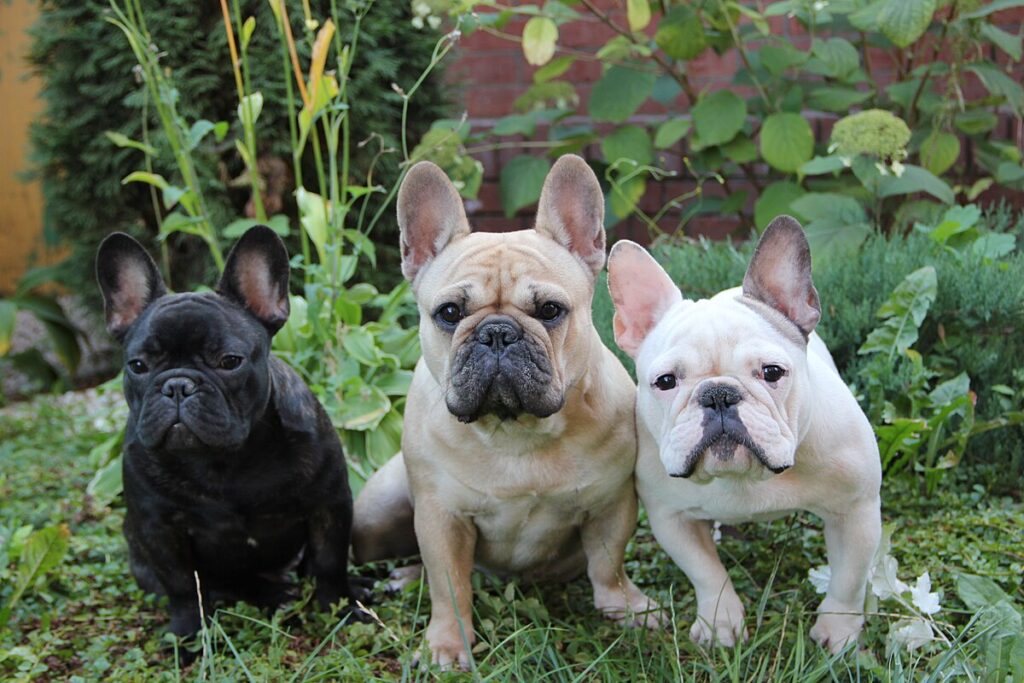
For the last few years, the French Bulldog has been an absolute hit, displacing Labradors in the US and Europe. Their funny appearance and ideal size for a flat did the job. However, in 2026 we are observing an interesting trend: people are starting to turn away from classic "Frenchies" due to health problems (breathing, allergies, spine).
Instead, so-called "sport" or "retro" bulldogs are gaining popularity - with longer noses and a less stocky build. Conscious breeding is gaining the upper hand over hypertrophied beauty standards.
Top contenders for the lead in 2026
If you are planning to get a dog this year and want to be "on trend" but also get a healthy friend, pay attention to the following breeds. These are the ones showing the greatest growth in popularity.
1. Cavalier King Charles Spaniel: Renaissance of Aristocracy
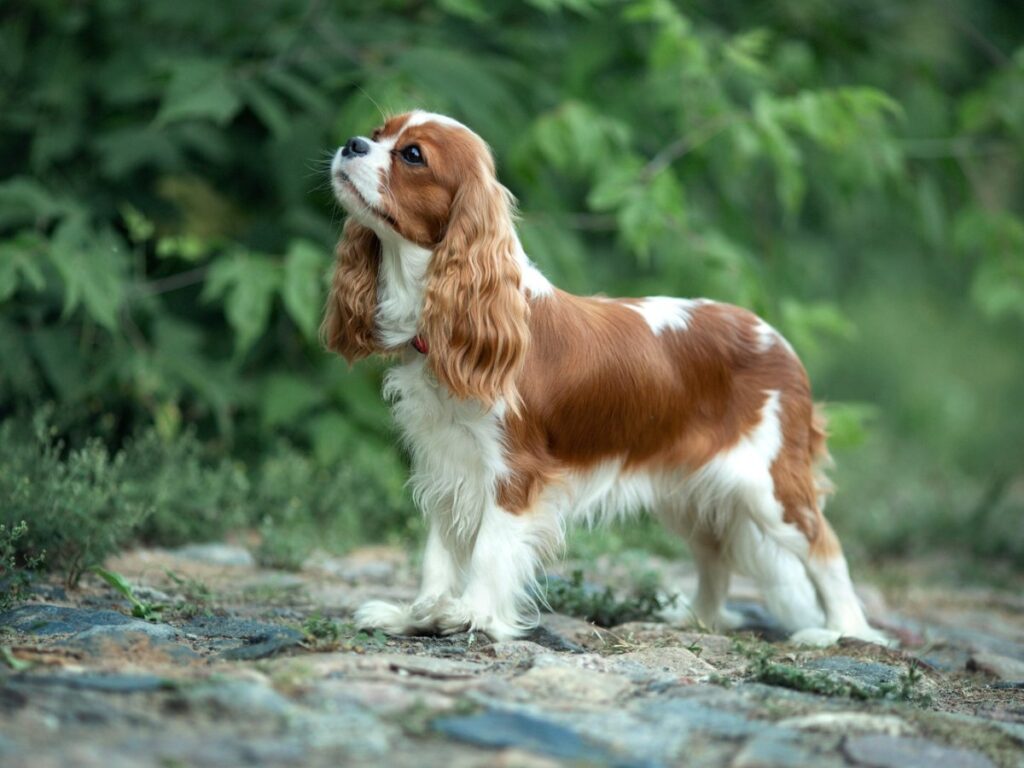
This breed is the perfect answer to the request for a "Labrador in miniature". Cavaliers possess the same soft character, absolute lack of aggression, and desire to please the owner, but weigh 4–5 times less.
Why are they becoming popular?
Empathy. In a world full of stress, the Cavalier King Charles Spaniel works like a living antidepressant. They intuitively sense the owner's mood. Their only downside is heart health, so in 2026 buyers are checking pedigrees with extreme scrutiny.
2. Whippet: Speed and Calm
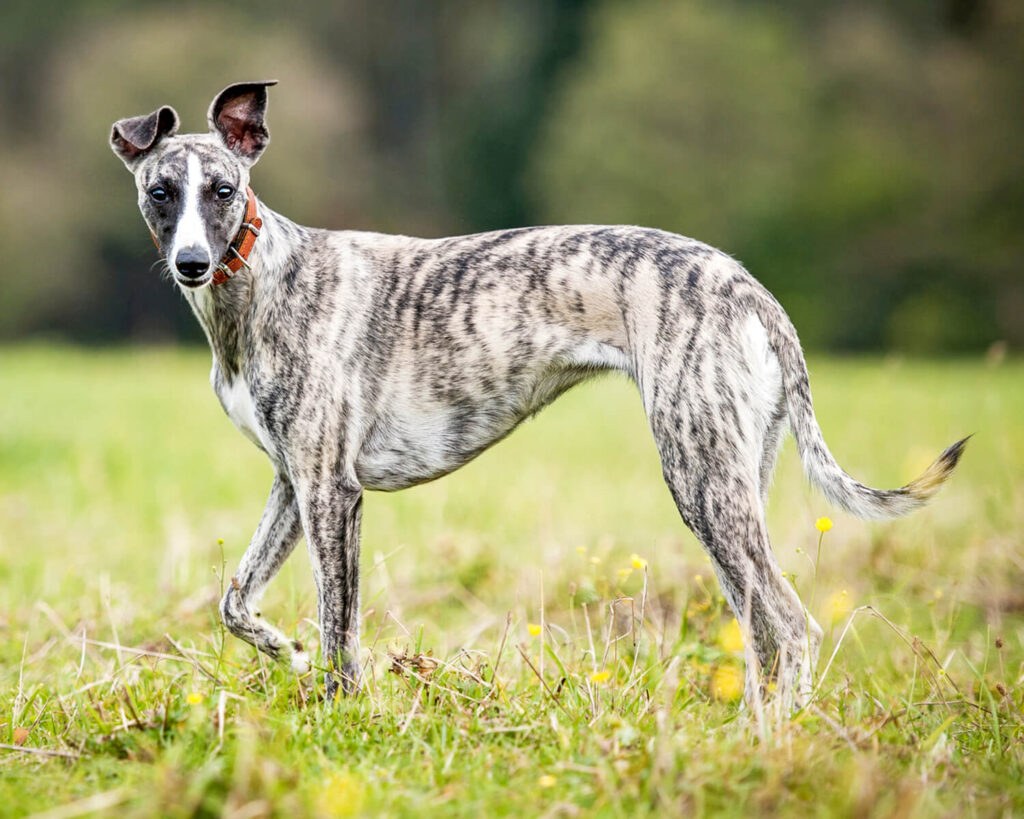
An unexpected but deserved trend. Whippets are often called "battery-powered dogs": outside they can reach crazy speeds, but at home, they turn into sofa cushions that sleep for 18 hours a day.
This is the ideal option for those who work from home. A Whippet won't bark at the delivery driver (they rarely bark in general), won't demand constant attention, and their short coat smells of almost nothing. The "sighthound" aesthetic has also become popular on Instagram, which adds points to this breed.
3. Miniature American Shepherd
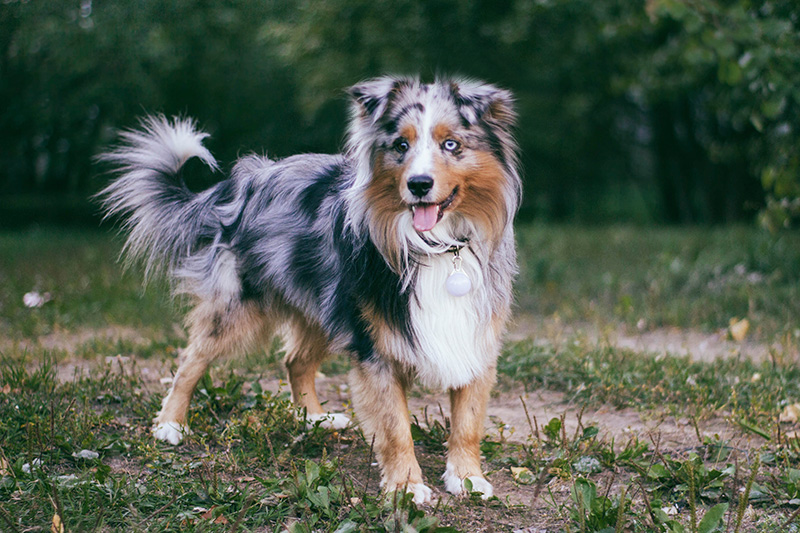
Formerly known as the Mini Aussie. This is the choice of active millennials and Gen Z. It is a dog with the intellect of Einstein in a body that is convenient for transport. They are incredibly beautiful (merle colouring, often different coloured eyes) and very capable of learning.
The key benefit of this breed is the opportunity to engage in dog sports (agility, frisbee) without leaving the city. However, future owners should remember: their brain needs a load. If you don't give them a task, they will invent one themselves - for example, eating your sofa.
4. Poodle and "Doodles" (Designer Mixes)
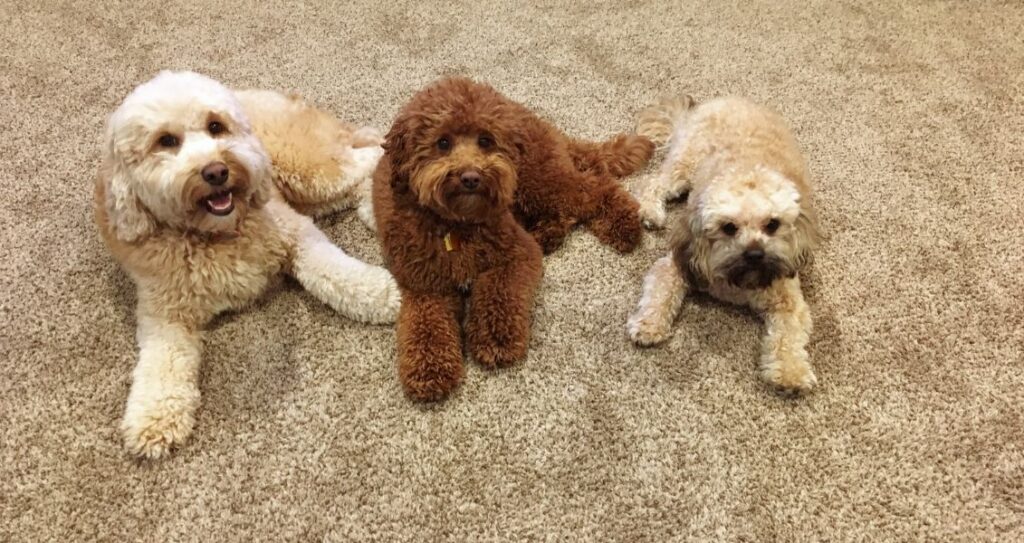
One can argue as much as one likes about breed purity, but the statistics are relentless: Labradoodles, Goldendoodles, Maltipoos, and other Poodle derivatives are capturing the market. Why? Hypoallergenicity (although not 100%, but significant) and high intelligence.
In 2026, we are seeing a transition from giant Labradoodles to smaller variations (mini-doodles). People want a teddy bear that doesn't shed and listens to commands. The Poodle is one of the smartest breeds in the world, and it passes this gift to its mixed-breed offspring.
Comparative table: Who suits you best?
| Breed | Activity Level | Coat Care Difficulty | Suitable for Flat | Attitude to Children |
|---|---|---|---|---|
| Labrador | High | Medium (sheds) | Yes, but needs space | Ideal |
| Cavalier King Charles | Low/Medium | Medium (brushing) | Ideal | Very good |
| Whippet | Sprinter (explosive) | Minimal | Ideal | Reserved, good |
| Mini Aussie | Very high | High | Yes, provided loads of exercise | Good (may "herd" children) |
| Maltipoo | Medium | High (grooming) | Ideal | Good |
Cynological Trends 2026: More than just a breed
Apart from the change in leaders among breeds, the very approach to dog ownership is changing. Here are a few markers that define the modern owner:
1. Genetic passport is the norm
If 5 years ago genetic tests were done only by breeders, now puppy buyers demand a check for hereditary diseases even before putting down a deposit. This is significantly improving the health of popular dog breeds.
2. Rejection of "flat faces"
Brachycephalic breeds (Pugs, French Bulldogs) are still popular, but the ethical aspect is pressing on fashion. In many European countries, restrictions are being introduced on breeding dogs with extremly short noses. Therefore, the trend is shifting to breeds with a classic skull structure - Beagles, Jack Russells (for the active), Corgis.
3. Adoption of mixed-breed dogs
One cannot ignore this trend. Taking a dog from a shelter in 2026 is prestigious. It is a demonstration of social responsibility. The "mongrel" is becoming the new "exclusive", because such a dog exists in a single copy. Appearance here takes a back seat; the main thing is a saved life.
How to choose a dog in 2026: Step-by-step strategy
Choosing a dog should not be based solely on photos on Instagram. To avoid adding to the abandonment statistics, act according to the algorithm:
- Assess your real schedule. If you work 10 hours in the office, a Border Collie or Husky will eat your flat out of boredom. Look towards Basset Hounds or indeed Whippets.
- Maintenance budget. A small dog does not always mean small expenses. Grooming a Poodle or Yorkie costs a lot. A large dog means large bills for food and veterinary care (medicine dosage goes by weight).
- Temperament is more important than exterior. The best dogs for a family are those whose energy level matches yours. If you love hiking - get a Spaniel or Retriever. If you love box sets - get a Pug or Pekingese.
Conclusion
Labradors will remain a classic, like a little black dress or Levi's jeans. But 2026 opens the doors to diversity. Breeds that are better adapted to the crazy rhythm of modern life are taking the stage. Cavalier King Charles Spaniels, Whippets, conscious Poodle mixes - this is the market's answer to the request for comfortable coexistence.
Remember that fashion is fickle, but a dog lives for 10–15 years. Choose with your heart, but consult with your head. Do not be afraid to consider alternatives to the Labrador - perhaps your ideal dog is waiting for you among the breeds whose names you heard today for the first time. Ultimately, the best breed is the "loved one".