


The arrival of a small, fluffy bundle of joy in your home is always a huge delight and, at the same time, a great responsability. Hundreds of questions pop into your head: what to feed it, how to bathe it, how to raise it? To help you navigate the sea of information, we’ve gathered key advice from leading veterinarians. This guide will become your trusted companion in the world of kitten care, and you’ll find all the answers in our detailed manual, more on this at Tvaryny.
Proper care in the first few months of life lays the foundation for your pet’s health and character for years to come. So, let’s go through, step by step, how to properly look after a kitten to ensure it grows into a happy, active, and healthy cat.
Stage 1: Preparing Your Home for the New Arrival

Before a kitten crosses the threshold of your home, it’s crucial to create a safe and comfortable environment for it. Imagine you have an inquisitive toddler who wants to explore every nook and cranny. Your task is to make these explorations safe.
Creating a Safe Space or “Base Camp”
For the first few days, or even weeks, set aside one room for the kitten. This could be a bedroom or any other quiet space. In this “base camp,” place everything it needs: bowls for food and water, a litter tray, a bed, and a few toys. This approach will help teh little one gradually adapt to new smells and sounds without the stress of a vast, unexplored space.
A Checklist of Essentials for a Kitten:
- Bowls: Two or three shallow bowls (for water, dry food, and wet food). The best materials are ceramic or stainless steel, as plastic can harbour bacteria and cause allergies.
- Litter Tray and Litter: To start, choose a tray with low sides to make it easy for the kitten to get in. It’s best to check with the breeder or rescue centre about the type of litter they used, so you can use one that’s familiar to your kitten.
- Food: Be sure to buy specialised kitten food (labelled kitten/junior). It contains the right balance of proteins, fats, and vitamins for healthy growth.
- Bed or House: A cosy place to sleep where the kitten will feel secure.
- Scratching Post: An absolutely essential item that will save your furniture. You should start training your kitten to use it from day one.
- Toys: Wand toys, balls, mice. Avoid toys with small parts that a kitten could swallow.
- Carrier: A sturdy and comfortable carrier for trips to the vet.
- Grooming Supplies: A brush for grooming the fur, and special nail clippers.
Eliminating Potential Dangers
Walk through your flat and look at it from a “kitten’s-eye view.” Hide electrical wires, remove poisonous houseplants (like lilies, azaleas, and dieffenbachia), and put away household chemicals, medicines, and small objects. Ensure windows are securely closed and install cat-safe netting.
Stage 2: The Kitten’s First Days at Home – Adaptation and Socialisation
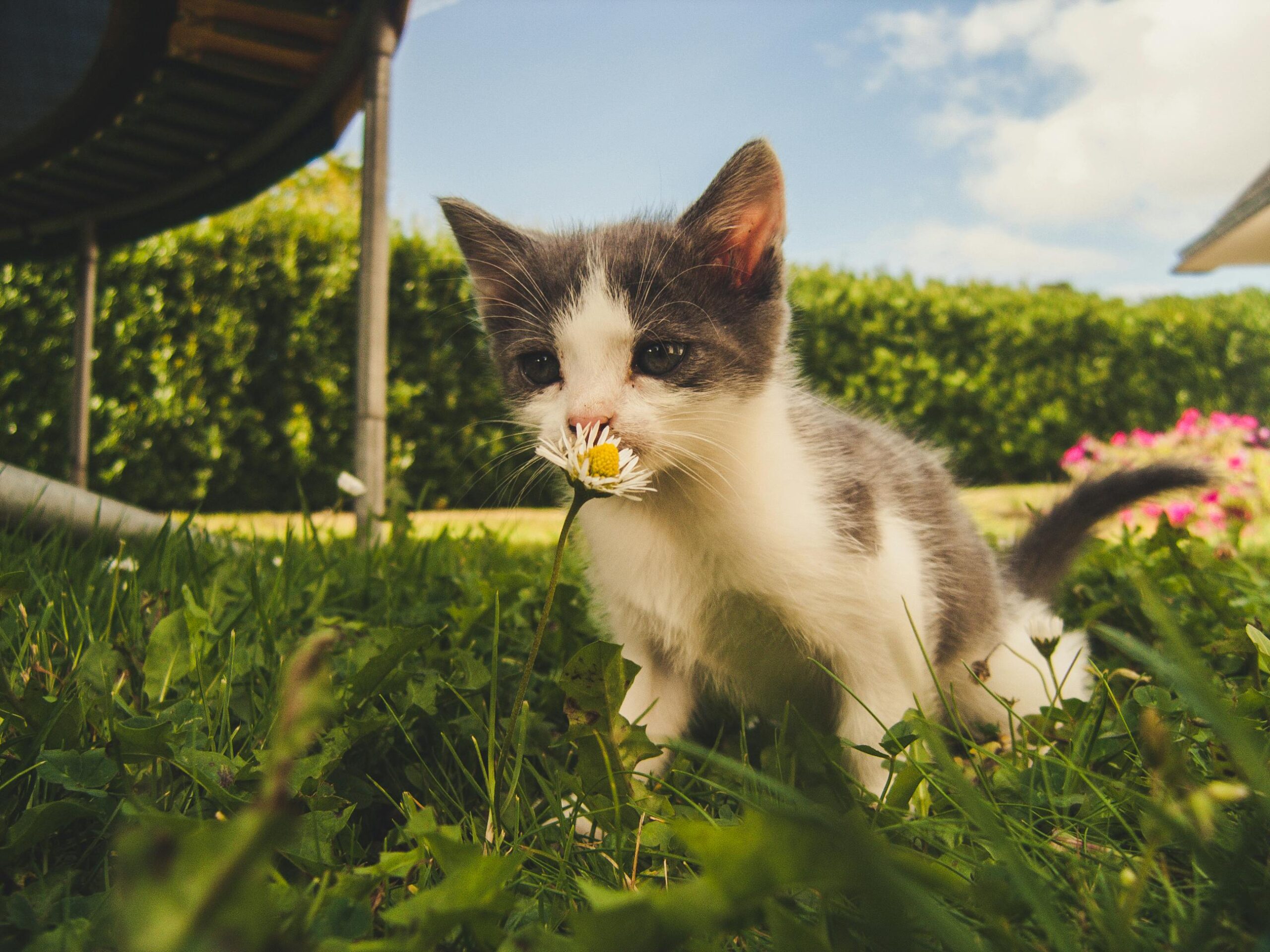
So, the day has arrived. You’ve brought your little pet home. The first few days are a key period for its psychological adjustment. Your main tools are patience and calm.
When you get home, don’t force the kitten out of the carrier. Simply place it on the floor in the prepared room, open the door, and give the little one time to come out and start exploring on its own. Show it where the litter tray, food, and water are. Speak to it in a calm, gentle voice. It’s not a good idea to immediately invite guests over to meet the new family member. Give the kitten 2-3 days to settle in.
Stage 3: Nutrition – The Foundation of Health and Longevity

Properly feeding a kitten is an investment in its future health. A kitten’s digestive system is very sensitive, so it’s important to follow recommendations.
Choosing the Right Food: Dry or Wet?
Vets advise a combination of dry and wet food. Dry food helps to clean plaque from their teeth, while wet food provides extra hydration. Choose premium or super-premium foods labelled “for kittens.” They contain a high percentage of meat, taurine (an essential amino acid for cats), and all the necessary vitamins. In the first few days, it’s best to use the same food the kitten was fed by its previous owners to avoid digestive upset.
Feeding Schedule
Young kittens (up to 4-5 months old) need to eat frequently in small portions – 4-5 times a day. From 6 months, you can switch to 3 meals a day, and after a year, 2 meals a day. Always leave a bowl of clean, fresh water freely available.
Foods to Strictly Avoid:
- Cow’s milk (most cats are lactose intolerant).
- Food from your plate (fatty, fried, salty, sweet).
- Chocolate, coffee, cocoa – these are toxic to cats.
- Onions and garlic in any form.
- Bones (can damage the oesophagus and stomach).
- Raw fish, meat, and eggs (risk of salmonella and parasites).
Stage 4: Hygiene and Veterinary Care
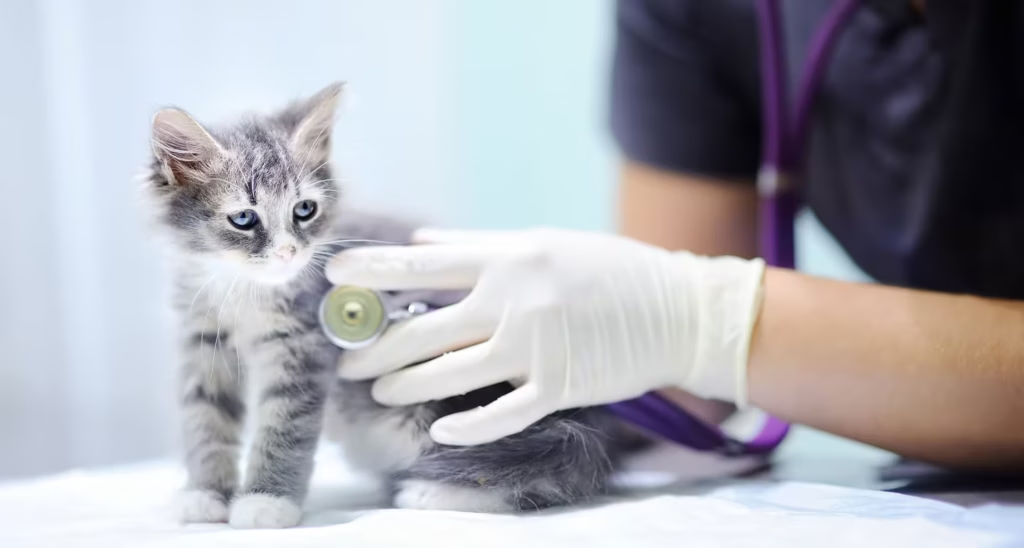
Caring for a kitten involves not just feeding, but also regular hygiene routines and preventative vet visits. This will help prevent many future problems.
The First Vet Visit
Schedule a visit to the veterinary clinic within the first week of your kitten’s arrival. The vet will perform a full check-up, check for fleas and ear mites, and create a personalised vaccination and parasite treatment schedule. It’s also a great opportunity to ask any questions you have about care.
Vaccination and Deworming Schedule
Vaccinating a kitten is an essential procedure that protects it from deadly diseases (panleukopenia, calicivirus, rhinotracheitis, rabies). The first vaccination is usually given at 8-9 weeks of age, with a booster 3-4 weeks later. Deworming should be done every 3-4 months, and flea and tick treatment according to the product’s instructions. Only use products specifically designed for your kitten’s age and weight.
“Red Flags”: When to Call the Vet Immediately
Kittens are very vulnerable, and some conditions require immediate medical attention. Contact your clinic straight away if you notice:
- Complete refusal of food and water for more than 12 hours.
- Lethargy, apathy, a constant desire to hide.
- Repeated vomiting or diarrhoea (especially with blood).
- Difficulty breathing, wheezing, or coughing.
- Trouble urinating (frequent attempts, meowing in the litter tray).
- Discharge from the eyes or nose.
- An injury or a fall from a height.
Stage 5: Training, Play, and Socialisation
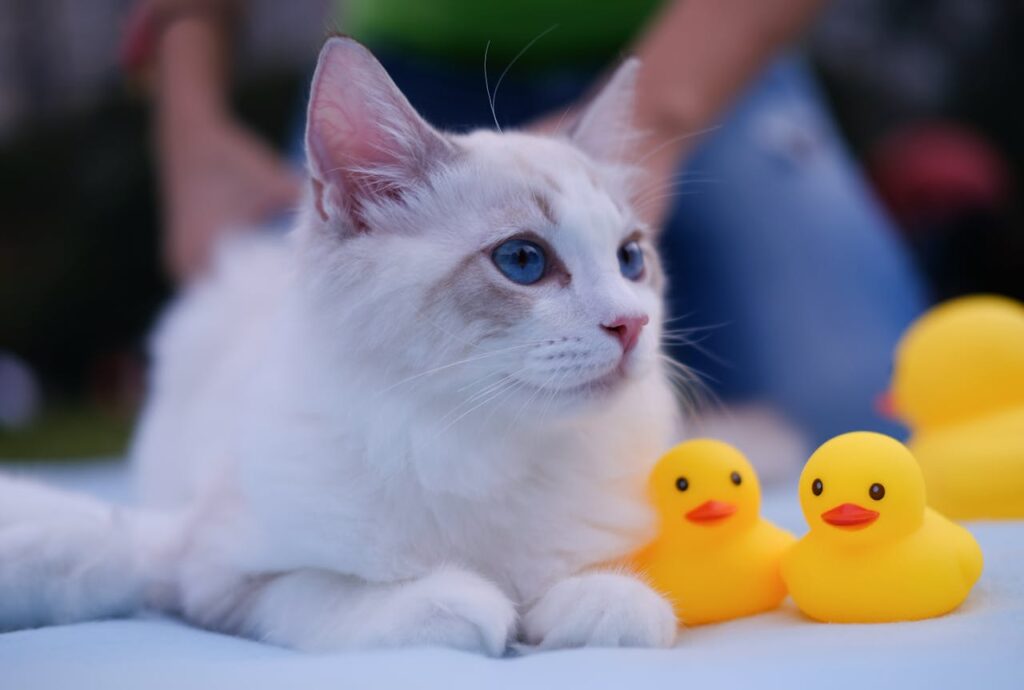
Raising a kitten isn’t about strict training; it’s about building a trusting relationship and teaching the rules of your home. Play is a key part of this process.
How to Teach a Kitten Not to Scratch or Bite
Never play with a kitten using your hands or feet. This is the golden rule. Otherwise, it will learn to see your limbs as toys and will hunt them. Always use toys like wands or balls. If the kitten bites or scratches you during play, say “Ouch!” or “No!” loudly and immediately stop the game for a few minutes. This way, it will learn that such behaviour brings an end to the fun.
Litter Tray and Scratching Post Training
Kittens usually learn to use a litter tray quickly by copying their mother. As soon as you bring your kitten home, show it where the tray is. Place it in the tray after every nap and meal. If an “accident” happens elsewhere, soak it up with a tissue, place the tissue in the litter tray, and thoroughly clean the spot with a specialised odour remover. Never shout at the kitten or rub its nose in the mess – this will only frighten it. Use a similar approach with the scratching post: as soon as you see the kitten about to scratch the sofa, gently pick it up and move it to the post, encouraging it with praise.
Frequently Asked Questions from Kitten Owners (FAQ)
Should I bathe my kitten?
Cats are very clean animals and usually do not need bathing. This should only be done if they are very dirty or for medical reasons. If you do need to bathe your kitten, use a special kitten shampoo and warm water, being very careful to keep water out of its ears and eyes.
When can I have my pet neutered/spayed?
The optimal age for neutering male cats and spaying females is 6-8 months, before the female’s first heat. This procedure not only prevents unwanted litters but also helps prevent many diseases and can correct undesirable behaviours like spraying and yowling.
How do I introduce a kitten to other pets?
Introductions should be gradual. First, let the animals get used to each other’s scent by swapping their bedding. Then, arrange a brief visual meeting through a glass door or at a safe distance. Don’t leave them alone together until you are confident they get along. The process can take anywhere from a few days to a few weeks.
Conclusion
Caring for a kitten is an exciting, though responsible, journey. Your love, patience, and attention to detail will turn this little furball into a happy, healthy, and loyal friend for many years. Don’t be afraid to ask your vet questions, observe your pet’s behaviour, and trust your instincts. We wish you many joyful moments with your new family member!