

Choosing a dog is always a responsibility, but when it comes to selecting a guardian, that responsibility is multiplied tenfold. These aren’t just household pets that will greet you with a wagging tail after work. This is – a veritable weapon wrapped in fur, possessing its own intellect, character, and, most importantly, the ability to make decisions in critical situations. Many dream of a formidable defender that scares off intruders just by looking at them, but they forget the other side of the coin: upbringing, socialisation, and daily work.
Today, we will break down the “big five” working breeds that have proven themselves as the best bodyguards and property guardians. Read more about this on Tvaryny.
The Psychology of a Guardian: What Sets Them Apart?
Before moving on to specific breeds, it is worth understanding what makes a dog a good guardian. It is not just aggression. In fact, uncontrolled aggression is a defect, not an advantage. True guard dogs possess a unique set of qualities:
- Territorial Instinct. A clear understanding of the boundaries of “their” territory.
- Balanced Temperament. The ability to instantly switch from a state of calm to attack mode and, more importantly, return to calm on command.
- Analytical Mind. The dog must be able to distinguish a drunk passer-by stumbling near the fence from an intruder attempting to climb over it.
- Owner Orientation. A desire to serve the human and protect them, sometimes even at the cost of their own life.
1. Cane Corso: The Italian Gladiator
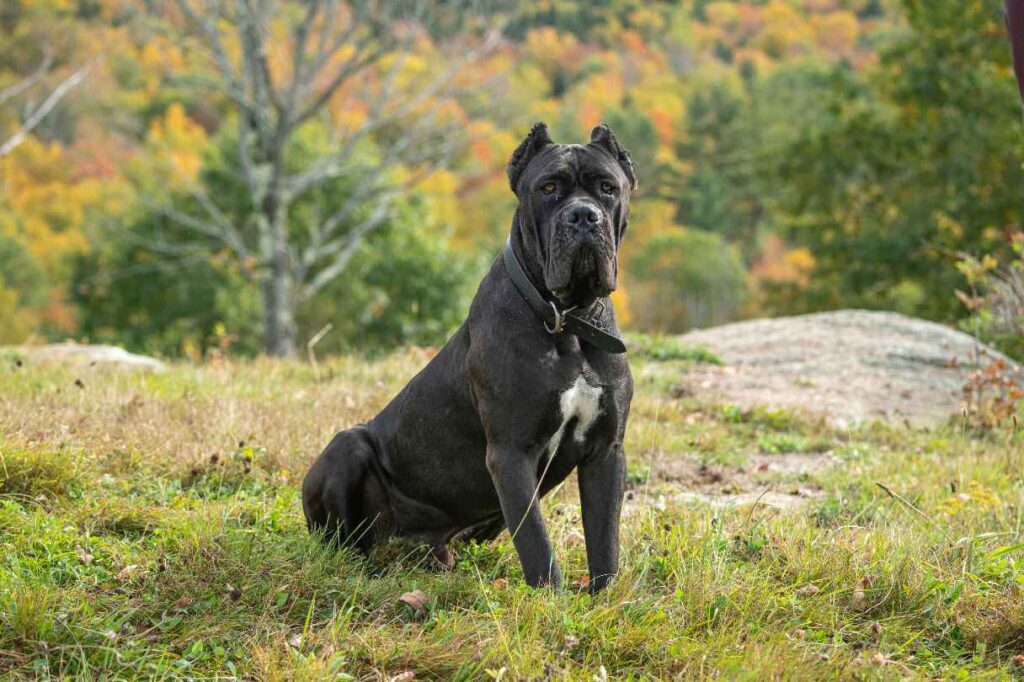
The Cane Corso is a descendant of ancient Roman war dogs, and you can feel it in his every movement. He is an athlete with powerful musculature and a gaze that makes the blood run cold in uninvited guests. However, behind the stern exterior often hides an extremely loyal heart.
Character and Guarding Specifics
The Cane Corso is not prone to barking without cause. He is a silent sentinel. He operates on the principle: “I see you, I control you”. If an enemy crosses the line, the attack will be lightning-fast and powerful. They are excellent for guarding the grounds of a private house, but due to their short coat, they require a heated kennel or indoor living during winter.
Who is this for: For confident people ready to dedicate time to physical exercise. Corsos are very attached to the family and handle isolation on a chain poorly.
Important: Cane Corsos have a dominant character. If you do not become the leader for him in the first few months, he will take the management of the family into his own paws.
2. Dobermann: Elegance and Speed
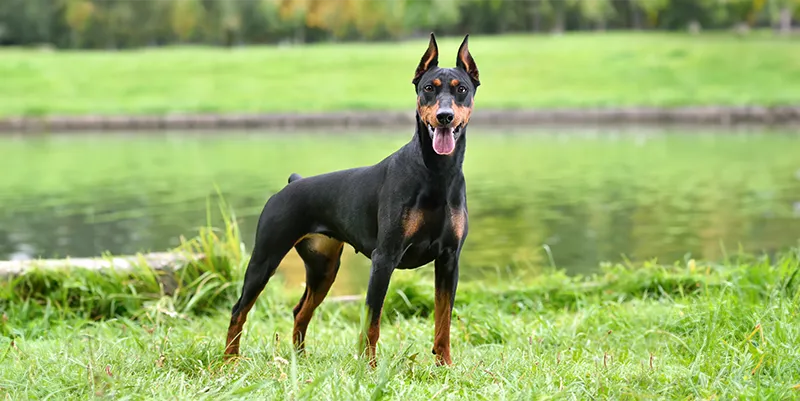
The Dobermann is often called the “dog with a human mind”. Created by German tax collector Friedrich Louis Dobermann, this breed had one goal – to protect its master in any conditions. It is the only breed bred exclusively for human protection, rather than for herding or hunting work.
Temperament “On Springs”
Dobermanns are the cholerics or sanguines of the dog world. They react instantly. Their endurance is impressive, and their reaction speed surpasses most other breeds. A Dobermann is the ideal bodyguard. He is always nearby, monitoring the space 360 degrees. However, this breed requires “jewellery-like” precision in training. A nervous or ill-bred Dobermann is a disaster for the owner.
Downsides and Nuances
The main drawback – they get cold. This is strictly an apartment or indoor house dog. No outdoor kennels in winter. They also require colossal mental stimulation. You need to “talk” and work with a Dobermann, otherwise, he will wreck your flat out of boredom.
3. Rottweiler: Power and Calm
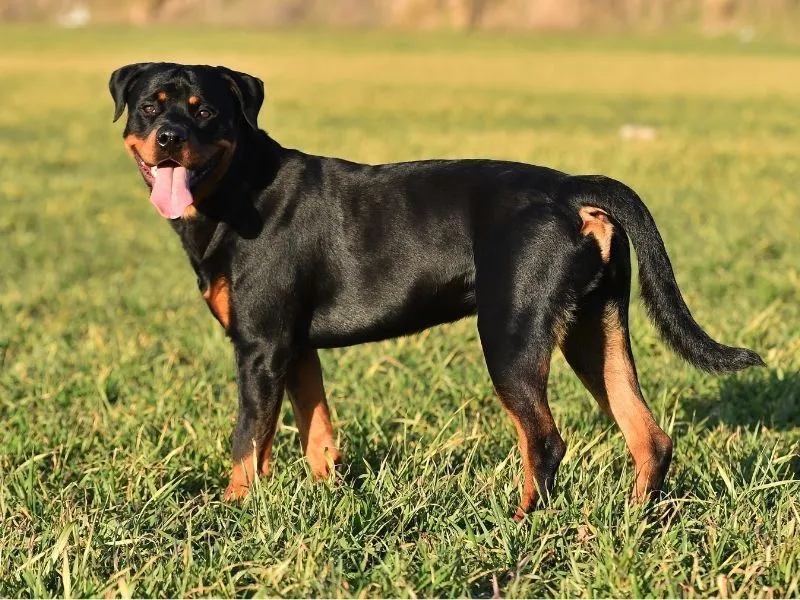
If the Dobermann is a rapier, then the Rottweiler is a hammer. These are serious, massive dogs that discourage anyone from coming closer just by their appearance. Historically, they were butcher’s dogs, pulling carts with cargo and guarding the owner’s earnings.
Mental Characteristics
Rottweilers are generally more phlegmatic than Shepherds or Dobermanns. They won’t run along the fence barking at every bird. They observe. But if a Rottweiler decides to attack, stopping him is extremely difficult due to a high pain threshold and immense physical strength.
This breed is prone to “testing” the owner’s resolve. In adolescence, a male Rottweiler will inevitably ask: “And why should I listen to you?”. Your answer must be firm and calm. It is also worth noting that they are prone to obesity, so diet is the key to health.
4. Shepherd Dogs: German and Belgian (Malinois)
When we say “service dog”, we imagine a Shepherd. But here it is worth separating two main types that currently dominate the world of cynology.
German Shepherd: A Classic
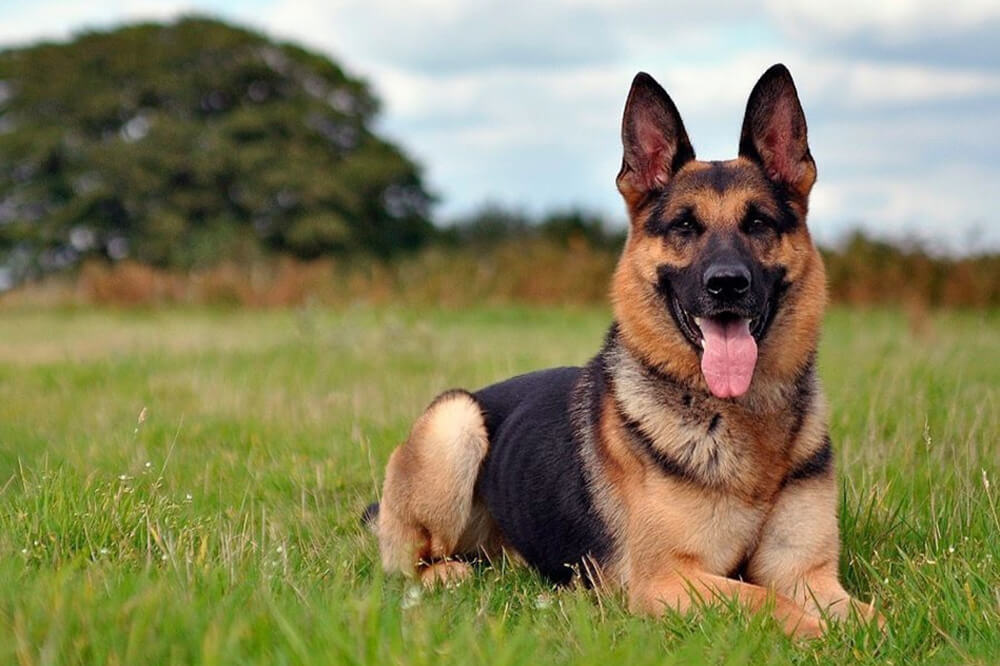
The universal soldier. Intelligent, easy to train, people-oriented. The German Shepherd is balance. It can be a nanny for children and a stern guardian of the yard. The main problem of modern times is health (hip dysplasia) and the division into “show lines” (beautiful, but often with weak nerves) and “working lines” (less angular, but with strong drive). For protection, it is better to choose a puppy from working parents.
Belgian Shepherd (Malinois): The Formula 1 of Dogs
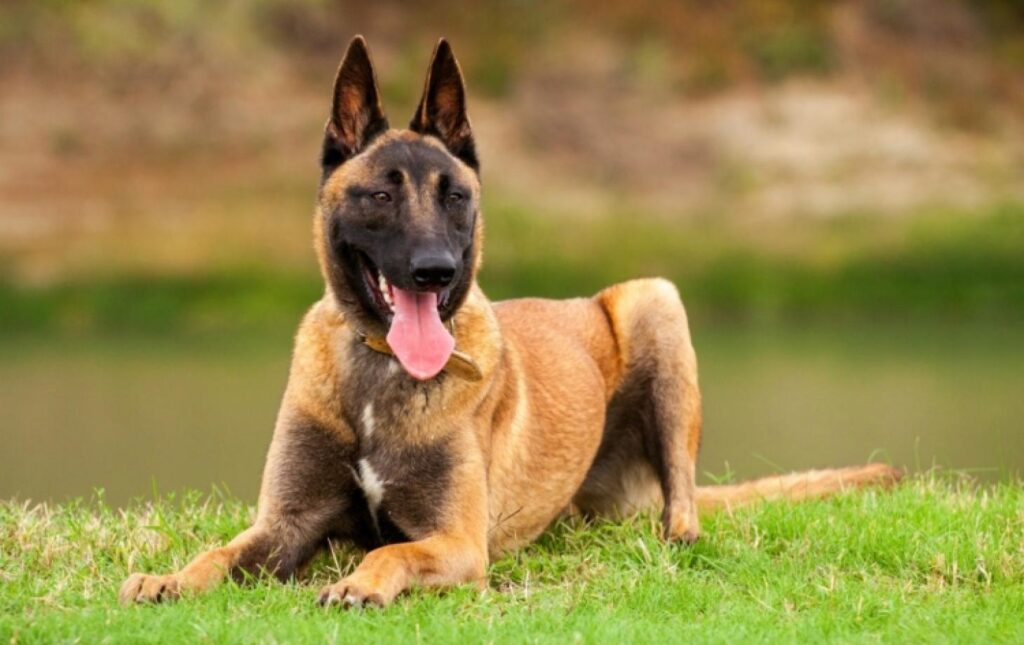
Malinois are currently displacing German Shepherds in the army and police. Why? They are faster, healthier, and have an insane work capacity. But for an ordinary family, a Malinois can become a catastrophe. This dog needs to work 24/7. If you are not ready to dedicate your life to the training ground, you had better look at a “German” or a Rottweiler.
5. Giant Schnauzer: The Black Lightning
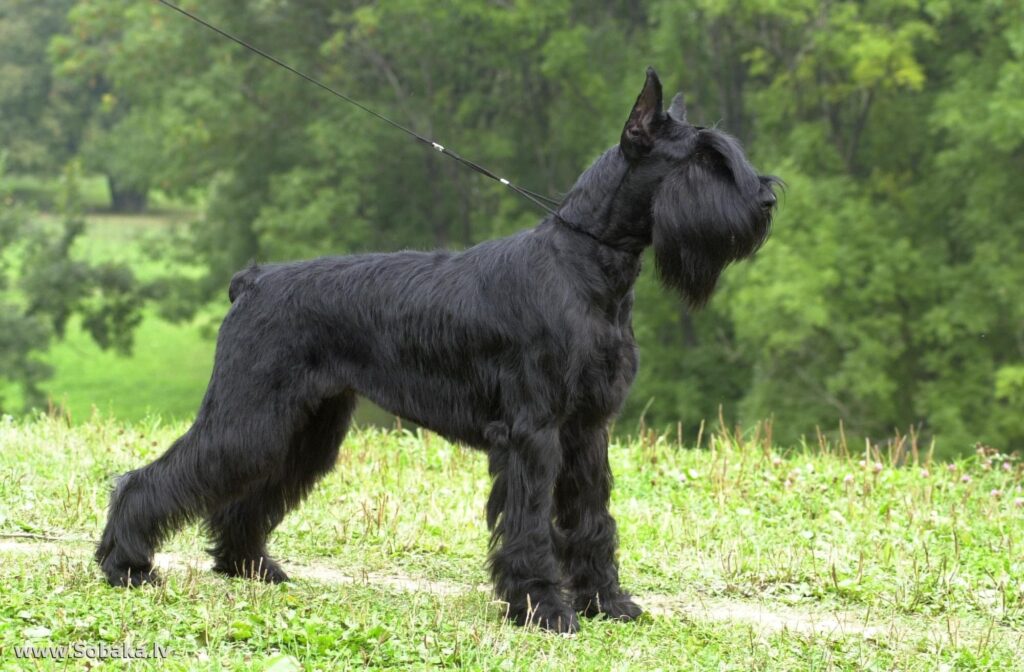
An undeservedly less popular, but brilliant breed. The Giant Schnauzer is a large terrier, and that says it all. They are cunning, stubborn, incredibly strong, and have a wiry coat that protects them from bad weather and an opponent’s teeth.
This is a one-owner dog. He may tolerate other family members, but he will only obey and adore one. In protection work, the Giant acts harshly and quickly. A huge plus – they almost do not shed (provided they are trimmed), which makes them convenient for keeping in the house. The downside – thorough care of the beard (water and food will alwasy be there) and coat is required.
Comparative Characteristics Table
| Breed | Aggression Level | Grooming Difficulty | Activity Needs | Attitude to Children |
|---|---|---|---|---|
| Cane Corso | Medium/High | Low | Medium | Good (needs supervision) |
| Dobermann | Medium | Medium (gets cold) | Very High | Good (if raised together) |
| Rottweiler | High (territorial) | Low | Medium | Satisfactory (needs socialisation) |
| German Shepherd | Medium | High (shedding) | High | Excellent |
| Giant Schnauzer | High | Very High (trimming) | High | Satisfactory |
Critical Mistakes in Selection and Upbringing
Many people make the mistake of choosing a dog only by appearance or popularity in films. Here is a checklist of what NOT to do:
- Chaining them up permanently. A chain breaks the psyche of any dog, especially intelligent breeds like the Shepherd or Dobermann. This leads to uncontrolled rage.
- Encouraging aggression in a puppy. “So he’s mean” – this is the worst advice. A dog should be confident. A vicious, hysterical dog is a threat to yourself.
- Ignoring basic obedience training. Without the commands “Leave it” and “Come”, a large dog is a loaded weapon without a safety catch.
- Getting a dog “for the child”. No child can cope physically and morally with a Rottweiler or Cane Corso. The responsibility is always on the adults.
The Health of Giants: What to Be Ready For
Large breeds have their Achilles’ heels in terms of health. Almost all the listed guard dogs are prone to hip dysplasia. This is a genetic disease that can lead to disability. Therefore, when choosing a puppy, demand health tests of the parents from the breeder.
Also, a critcal moment is gastric torsion (bloat). This is a deadly condition that often occurs if you play actively with the dog immediately after eating. The rule is simple: ate – rest for at least an hour. This is the best choice for those who want to preserve their pet’s health for many years.
Summary: Who Should You Choose?
To sum up, we can give some brief recommendations:
- Want calm strength and have a private house? Cane Corso or Rottweiler.
- Live in a flat, love sport and aesthetics? Dobermann.
- Need an all-rounder for family and protection? German Shepherd.
- Want exclusivity and don’t fear coat care? Giant Schnauzer.
- Ready to dedicate your life to the dog and sport? Belgian Shepherd (Malinois).
Remember that the ideal guardian is not born – he is created by your work, patience, and love. Choose with your heart, but educate with your mind.