

Large gentle cat breeds at a glance
- “Gentle giants” are large breeds (males usually 6–12 kg, some up to 15 kg) with a mild temperament; size does not mean aggression.
- The most affectionate “lap” cats are the Ragdoll and Ragamuffin (they go limp in your arms); the Maine Coon is a “dog-like” companion that follows you around; the British Shorthair is a reserved “plush” cat that dislikes being held.
- Allergy-friendly bonus — the Siberian (less Fel d 1 protein); the “cat that swims” is the Turkish Van.
- A large breed size is not obesity: it needs a balanced diet, joint health and more space.
A common stereotype paints cats as independent, slightly aloof loners. But anyone familiar with the feline world knows how varied they can be. A special place among them belongs to the large cat breeds, often called “gentle giants”. These majestic animals shatter the myth that size means aggression, offering instead a sea of love, devotion and calm company. If you dream of a big, fluffy friend who happily greets you at the door and purrs on your lap, our guide to large affectionate cat breeds is just for you.
Which cats count as large?
What exactly makes a cat “large”? It’s not only a matter of weight, though weight is a key indicator. Breeds are usually considered large when adult cats (especially males) consistently weigh over 6–7 kg, and some representatives of the biggest cat breeds can reach 10, 12 or even 15 kg with no sign of obesity.
Besides weight, other parameters are taken into account:
- Length and height: Breeds such as the Maine Coon stand out not only for their mass but also for an impressive body length from nose to tail tip.
- Bone and muscle: Large cats have a powerful, broad frame and well-developed musculature, giving them a solid, sturdy look, unlike simply “chubby” cats.
- Sexual dimorphism: In many large breeds, males are significantly bigger and more massive than females.
It’s important to tell a large-breed cat from an overweight cat. Obesity is dangerous for the health of any animal, whereas a large size determined by the breed’s genetics is the norm. Proper care of large cats always includes a balanced diet to maintain an optimal weight and joint health.
Top 10 large cat breeds with an easy-going nature
A combination of impressive size and a gentle heart — that’s what makes these cats so special. We’ve put together a list of breeds famous not only for their size but also for their exceptional friendliness toward people.
1. Maine Coon
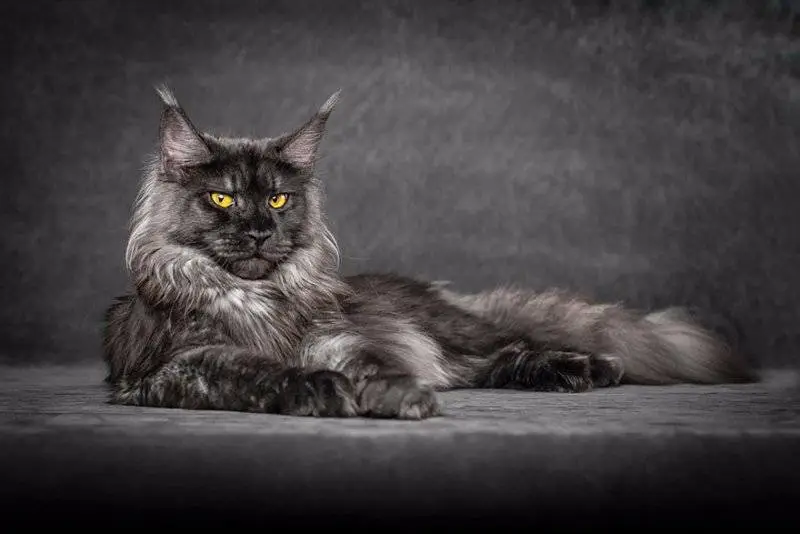
Weight: 6–12 kg (males), 4–7 kg (females).
The Maine Coon, or “gentle giant”, is one of the largest cat breeds. Its majestic look — with a thick, multi-layered coat, big tufted ears and a luxurious tail — hides an extremely friendly and playful nature. Maine Coons are known for their “dog-like” behaviour: they often follow their owners, get on well with children and other animals, and can even learn to fetch toys. They are less “lap” cats than companions who prefer to be nearby and take part in all family activities.
2. Ragdoll
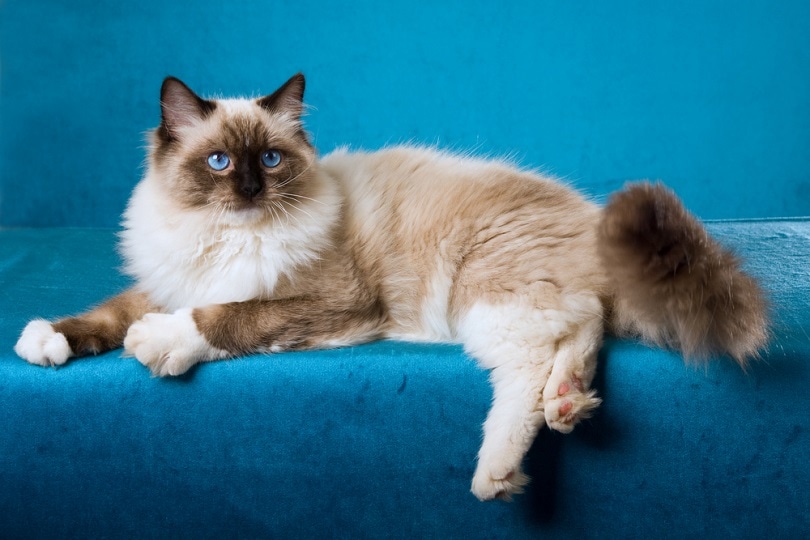
Weight: 5–9 kg (males), 4–7 kg (females).
The name “Ragdoll” speaks for itself. These cats have the unique trait of going completely limp in your arms, becoming soft and pliant. Ragdolls are the quintessential calm cat breed. They are incredibly gentle, trusting and people-oriented. They adore physical contact and will happily lie on your lap for hours. Because they are so trusting, Ragdolls must never be let outdoors unsupervised.
3. Siberian
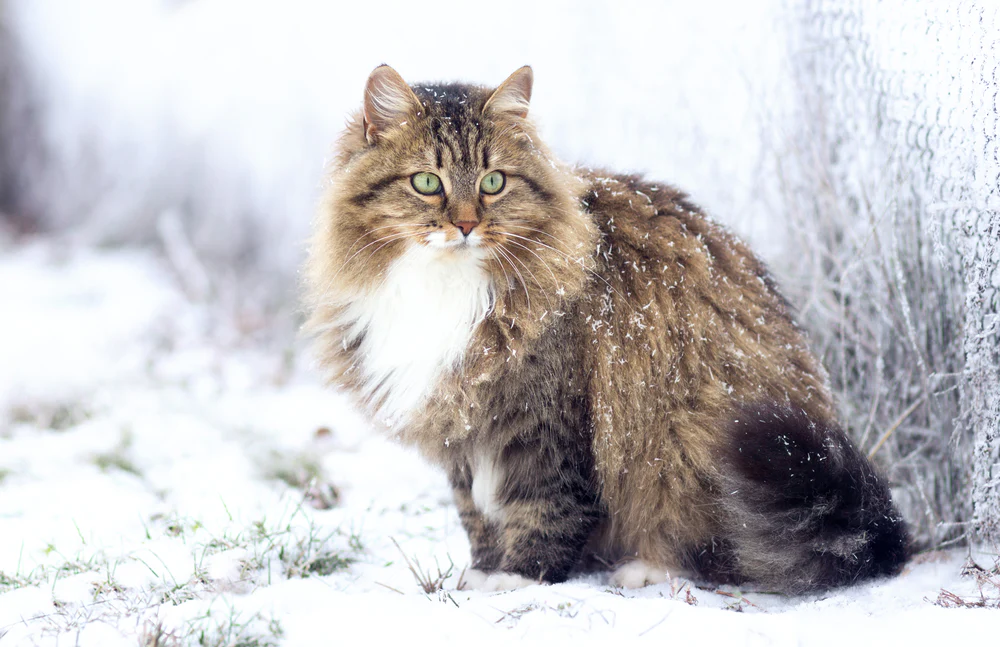
Weight: 5–9 kg (males), 4–6 kg (females).
This natural breed from the harsh forests of Russia has a powerful, muscular body and a lush triple coat that protects against the cold. Despite a somewhat wild look, Siberians are one of the large affectionate cat breeds. They are very intelligent, playful and deeply attached to their family. They love to “talk” to their owners with soft chirps and purrs. A bonus: many people with cat allergies find Siberians easier to tolerate because of the lower level of the Fel d 1 protein in their saliva.
4. Norwegian Forest Cat
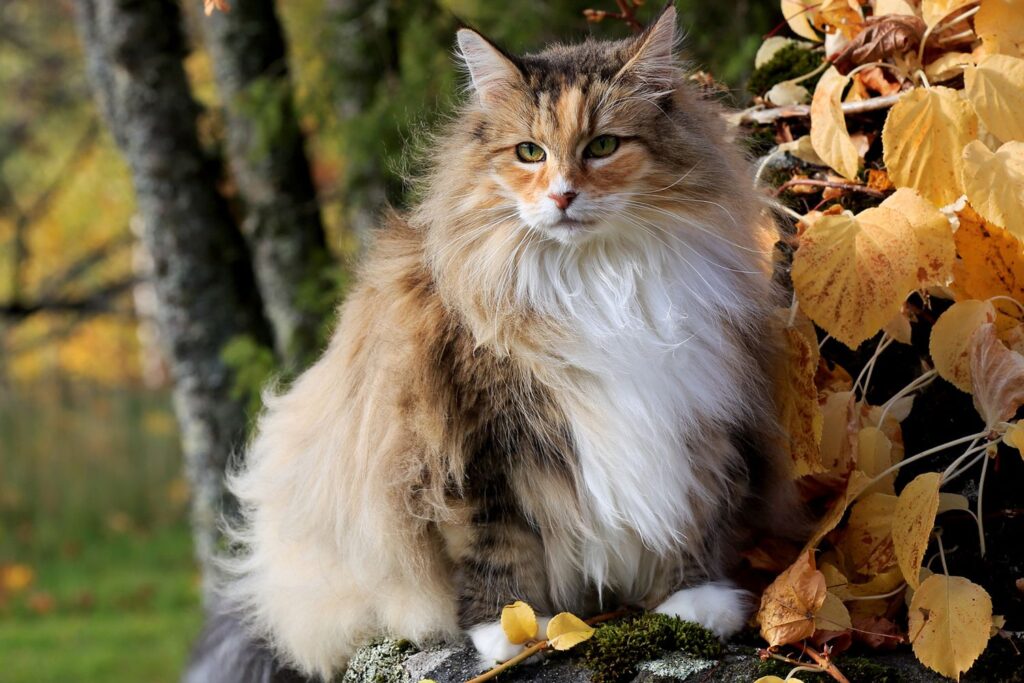
Weight: 5–8 kg (males), 4–6 kg (females).
The “Skogkatt” from Norway is another majestic cat with a long history. They resemble Maine Coons but have a more triangular head shape. They are skilled climbers who adore heights. Norwegians are sociable, friendly cats, yet also quite independent. They decide for themselves when they want affection, but they give it with great tenderness. They get on wonderfully with the family but can be a little reserved with strangers.
5. British Shorthair
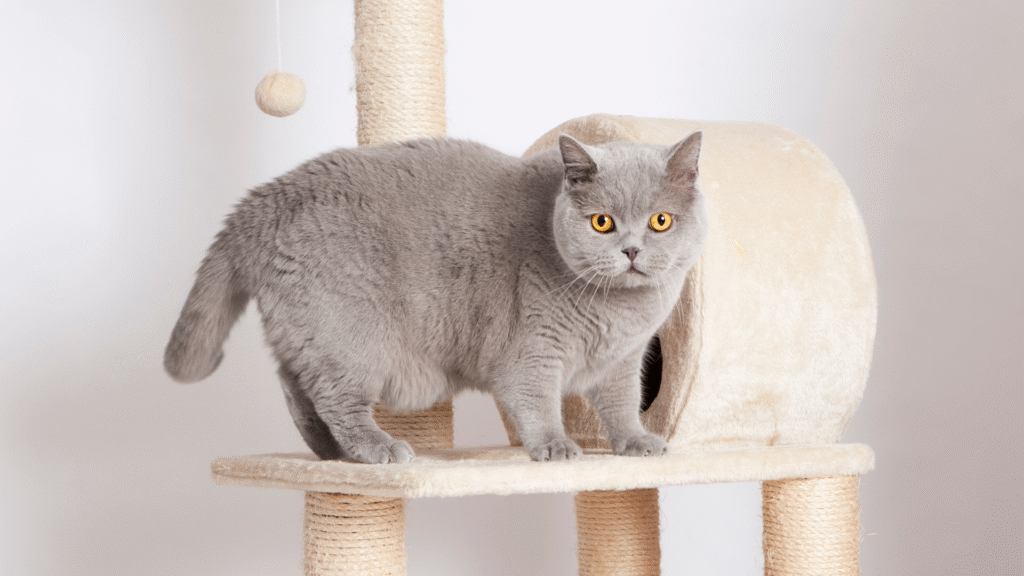
Weight: 5–8 kg (males), 4–6 kg (females).
Although British cats are often medium-sized, large males can be very massive and heavy. They are the real “teddy bears” of the cat world. They are known as one of the calmest cat breeds. British Shorthairs are the embodiment of restraint and dignity. They are not clingy but very devoted. They dislike being carried around, but will happily sit beside you on the sofa. Their dense, “crisp” coat and round eyes make them incredibly charming.
6. Ragamuffin
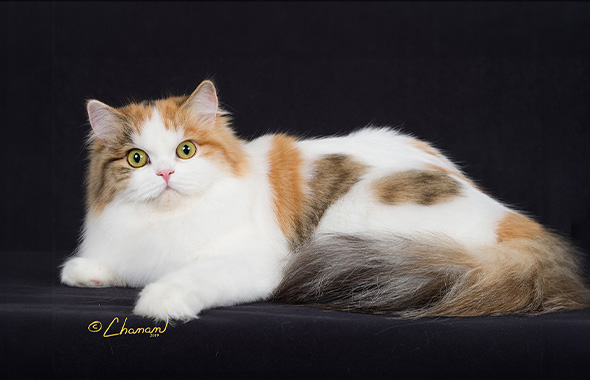
Weight: 6–10 kg (males), 4–7 kg (females).
A close relative of the Ragdoll, the Ragamuffin was bred for an even greater variety of colours and the same sweet nature. These are large, heavy cats with an extremely soft, rabbit-like coat. Their character is pure gold. They adore people, children, dogs and other cats. Ragamuffins, like Ragdolls, are ideal family companion cats, always seeking warmth and affection.
7. Birman
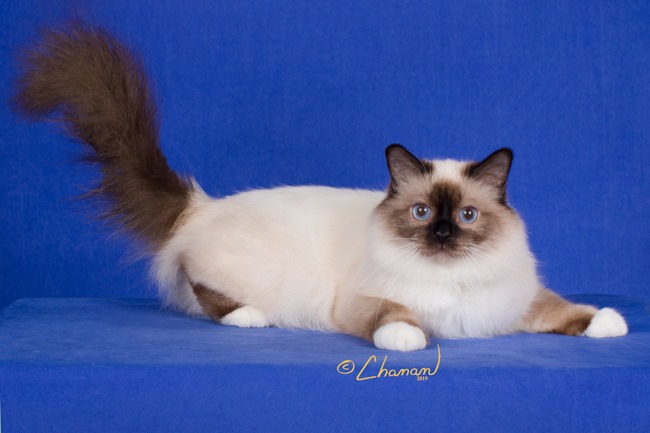
Weight: 4–7 kg (males), 3–5 kg (females).
The Birman sits on the border between medium and large size, but its character deserves a mention on this list. The “sacred cat of Burma” has a semi-long silky coat, piercing blue eyes and characteristic white “gloves” on its paws. These are very gentle, quiet and affectionate cats. They form a strong bond with one or two family members and love to be the centre of attention, but do so very delicately.
8. Turkish Van
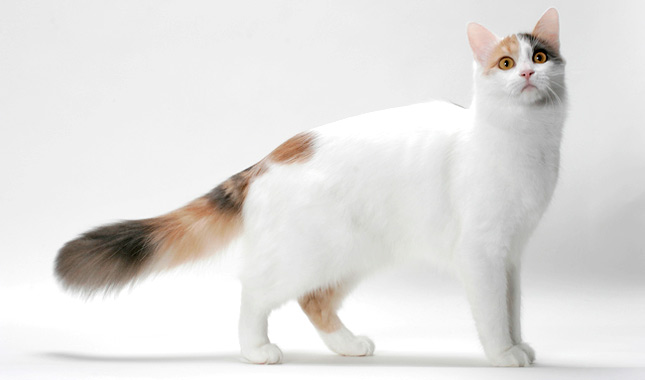
Weight: 5–9 kg (males), 4–6 kg (females).
Known as the “cat that swims”, the Turkish Van is a large, athletic breed that, surprisingly, adores water. They have a unique cashmere-textured coat that dries quickly. Vans are large affectionate cat breeds, but their love is a special kind. They are very energetic, intelligent and playful. They need stimulation and space to play. They become deeply attached to their family but can be dominant with other animals.
9. American Bobtail
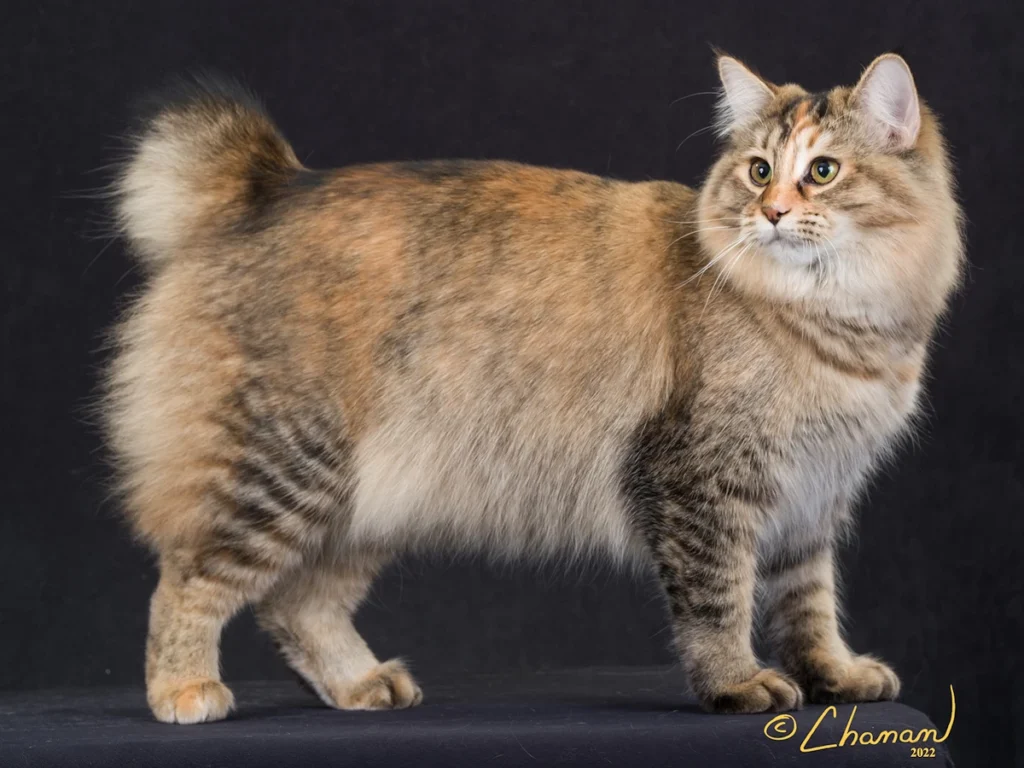
Weight: 5–8 kg (males), 3–6 kg (females).
This breed stands out for its short, “bobbed” tail and somewhat wild appearance. But don’t let that fool you — American Bobtails are incredibly affectionate. They are often compared to dogs for their devotion, confidence and playfulness. They adapt easily to change, travel well and get on great with children. These are intelligent cats that need interaction.
10. Selkirk Rex
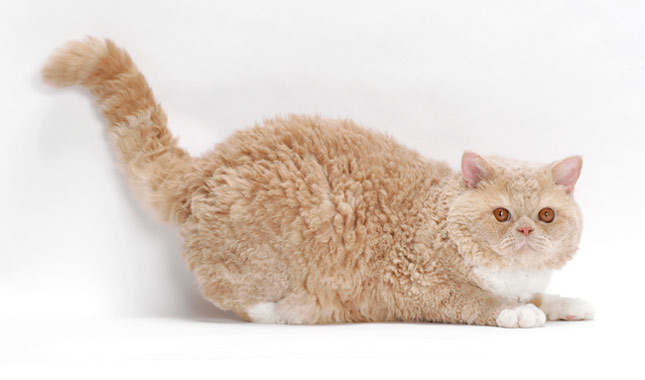
Weight: 5–7 kg (males), 3–5 kg (females).
The “cat in sheep’s clothing” — the Selkirk Rex has a unique curly coat (even their whiskers are curly!). Beneath this unusual look hides a sturdy, stocky cat. They are extremely patient, tolerant and sweet. They are ideal family pets, as they are very calm and love cuddles. Selkirks are playful but not hyperactive, which makes them wonderful companions.
Comparison of 10 large gentle cat breeds
| Breed | Weight (males) | Temperament | Best for |
|---|---|---|---|
| Maine Coon | 6–12 kg | “Dog-like”, playful, follows the owner | Families with children and pets |
| Ragdoll | 5–9 kg | Goes limp in your arms, very affectionate | A “lap” cat, indoors only |
| Siberian | 5–9 kg | Clever, devoted, softly “chirps” | Allergy sufferers (less Fel d 1) |
| Norwegian Forest Cat | 5–8 kg | Sociable but independent | Those who value tenderness without clinginess |
| British Shorthair | 5–8 kg | Reserved “plush”, dislikes being held | A calm home, busy owners |
| Ragamuffin | 6–10 kg | Soft, adores people and animals | Families, several pets |
| Birman | 4–7 kg | Quiet, delicate, devoted | A close bond with 1–2 people |
| Turkish Van | 5–9 kg | Energetic, loves water | Active homes with space to play |
| American Bobtail | 5–8 kg | Devoted, “dog-like”, adaptable | Travel, children |
| Selkirk Rex | 5–7 kg | Patient, loves cuddles | A calm family home |
Conclusion: a giant heart in a big body
As you can see, the world of large affectionate cat breeds is incredibly varied. From the regal Maine Coon to the plush British Shorthair, these cats prove that a large size often comes with an equally large heart. When choosing such a pet, it’s important to remember that caring for large cats has its own particulars: they need more space, quality food to maintain their mass and joint health, and regular veterinary check-ups.
Whether you choose one of the biggest cat breeds or a calm medium-sized breed, what matters most is the love and time you are ready to give your fluffy friend. In return, you’ll get boundless devotion and a warm companion for many years.
FAQ
What is the largest cat breed?
The Maine Coon is one of the largest: males usually weigh 6–12 kg, with some reaching 15 kg. The Ragamuffin and Ragdoll are also among the biggest.
Are large cats aggressive?
No, quite the opposite. Most large breeds are “gentle giants” with a calm, affectionate nature. Size is not linked to aggression.
Which large cat breed is the most affectionate, a “lap” cat?
The Ragdoll and Ragamuffin — they go limp in your arms and love to lie on your lap. The Maine Coon is affectionate in a different way: a companion that follows you and joins in family life.
Are there hypoallergenic large cats?
There are no fully hypoallergenic cats, but the Siberian produces less of the Fel d 1 protein, and many allergy sufferers tolerate it more easily.
How do you care for large cats?
They need a balanced diet to maintain their mass and joint health, more space and regular veterinary check-ups. A large breed size must not be confused with obesity.