

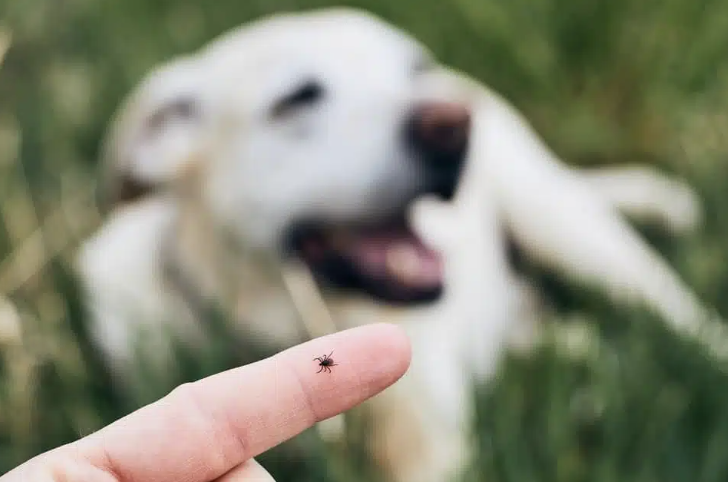
Hey there, furry gang and your tireless handlers! Ready for new runs, mud under your paws, and pure adrenaline on the agility course? The outdoor training season is officially in full swing. My Border Collies and I are already logging miles in the woods and perfecting our weave poles. But there is one catch that can ruin an otherwise perfect retrieve. I’m talking about those tiny, sneaky, and absolutely ruthless enemies – ixodid ticks.
As an agility instructor, I see hundreds of dogs every week. Believe me, a fluffy athlete’s health is the absolute foundation of their speed over the jumps. I regularly read articles on tvaryny.com to stay up to speed on the latest veterinary trends. There’s always a ton of insider info there, whether you’re looking for sports advice or wondering why catnip affects cats and whether it’s safe for your feline friends at home. But today, I want to share my own hard-earned field experience. We are going to break down the ultimate armor for your champions. No parasite is going to stop your run!
The enemy on the course: why ticks aren’t just a «scratch and forget» issue
For a sporting dog, a tick isn’t just a gross bug in their fur. It is a direct threat to their career and their life. Tick-borne diseases like Lyme and babesiosis can turn a muscular bundle of energy into a lethargic animal in a matter of days. It will be hard for them to even lift their head, let alone launch through a tire jump. The odds of picking up a tick while blazing through tall grass or woods are practically one hundred percent.
When a dog is working hard on the course, their body temperature spikes. They pant heavily, giving off more carbon dioxide and scent. For ticks sitting in standby mode on blades of grass, this is a glaring neon sign that says, «Hot lunch delivery!» They react to heat and movement with insane speed. That is exactly why we need titan-level protection.
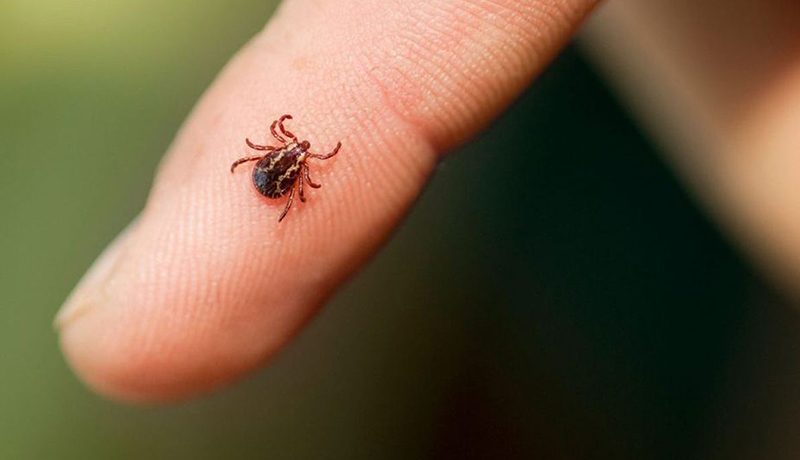
My personal top ranking: armor for fluffy athletes
The market is flooded with hundreds of bottles, boxes, and blister packs right now. But what actually works when your dog crashes through the brush for two hours? What holds up when they dive into the lake after a Puller ring and then immediately roll in the dirt? I have tested a ton of treatments and put together my own rigorous ranking. I evaluated them on speed of action, water resistance, and overall convenience for active sports.
Tablets: the choice of true champions
For sporting dogs, chewable tablets (isoxazolines) are an absolute gamechanger. They work from the inside out. They don’t wash off in the water and leave zero sticky residue on the coat. When you are hugging your dog every day or working in close physical contact, that is a massive plus. Furthermore, your dog can literally jump straight into the river right after taking their dose.
Bravecto. This one holds the line for a record-breaking 12 weeks. It is my absolute go-to for peak training seasons in the spring and fall. You give them one chew, and you can focus on prepping for trials without obsessively checking the calendar. The active ingredient, fluralaner, paralyzes the parasite’s nervous system almost instantly after a bite. The tick simply shrivels up and falls off.
NexGard Spectra. A seriously awesome all-in-one option. It protects against ticks and fleas, but also handles intestinal worms. It even prevents dangerous heartworms transmitted by mosquitoes. If you travel alot for competitions across different states, this is a top-tier choice. It keeps them covered for exactly one month.
Simparica. A fantastic alternative featuring the active ingredient sarolaner. It works for 35 days. That gives you a nice 5-day grace period just in case life gets crazy and you forget to dose them right on time. It kills ticks incredibly fast. Often, they drop dead before they can even transmit disease pathogens into the bloodstream.
Topical drops (spot-ons): a proven classic
Topicals are a solid option for dogs with sensitive stomachs. They are also great if your vet has ruled out oral preventatives for medical reasons. But for sports, there is a huge drawback – the «no bathing» rule. Usually, you can’t get your dog wet for 3 days before and 3 days after application. What if we are at a summer agility camp right on the lake? That is a real problem. However, if your pup isn’t much of a swimmer, it is a highly effective tool.
K9 Advantix. This one packs a great repellent effect. It actively deters ticks and mosquitoes before they even decide to bite. The active ingredient spreads across the lipid layer of the skin. It works for 4 weeks. But keep in mind, if your dog is constantly running in the rain, the effectiveness might wear off a bit faster.
Vectra 3D. Another heavy-hitting spot-on with serious repellent power. Its best feature is the unique applicator tip. It makes getting the liquid down to the skin through a thick double coat so much easier. Aussie and Collie owners, you know exactly what I mean! It acts fast, making mosquitoes and ticks drop off like they touched a hot stove.
Collars: an extra layer of security
In the agility world, tick collars spark a lot of debate. At trials, dogs must run «naked» without any collars to prevent them from snagging on equipment. Constantly taking a tick collar off and putting it back on can mess with its effectiveness. But for hiking and camping trips, they are a phenomenal option.
Seresto (Foresto). This is the Rolls-Royce of tick collars. It works for up to 8 months! It is water-resistant, doesn’t have that awful chemical smell, and gradually releases its active ingredients over the coat. If your dog spends tons of time outdoors or you frequently do long backpacking trips, it is a reliable shield. Just remember, the collar needs to fit snugly against the skin. You should only be able to slip two fingers underneath it. Otherwise, it’s just functioning as a stylish accessory.
Summary table: how to choose your protection format
To make it easier for you to draft up your tactical plan for the season, I put together a quick cheat sheet. Pick whatever fits your specific training schedule best.
| Treatment format | Protection duration | Water resistance | Ideal for | Main drawback |
|---|---|---|---|---|
| Tablets | 4 to 12 weeks | 100% absolute | Athletes, swimmers, thick coats | No repellent effect |
| Topicals (Spot-ons) | 3 to 4 weeks | Medium (washes off with heavy shampooing) | Dogs with sensitive stomachs, casual walks | Leaves fur sticky initially, temporary bathing restrictions |
| Collars | 4 to 8 months | High (for premium brands) | Outdoorsy dogs, long hiking trips | Must be worn constantly, snag risk |
| Sprays | A few hours to a week | Low | Extra protection in the woods (paws/belly) | Short-acting, strong odor |
A quick guide to protection formats for sporting dogs.
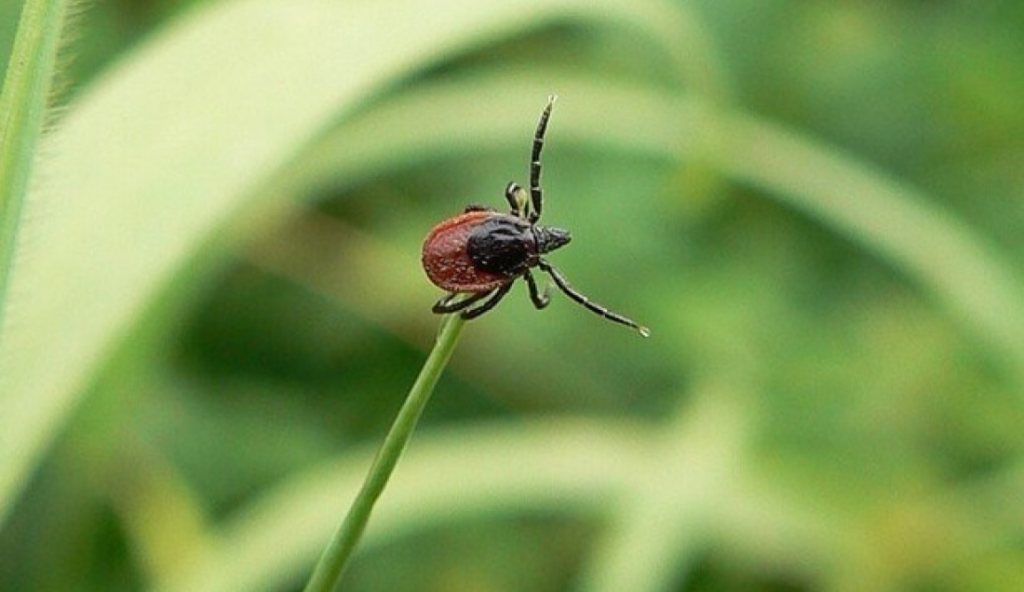
Post-training rituals: the 360-degree inspection
Even if you splurged on the most expensive chewable on the market, the «trust, but verify» rule still applies. Oral preventatives kill the tick AFTER it bites. We don’t want a dead tick hanging off their skin. And we definately don’t want a live one hitching a ride on their fur straight into your bed. That is why we do a full-body technical inspection of our fluffy athletes after every single trip to the woods.
My dogs know the «Check» command by heart. They lie on their sides and totally relax while I run my fingers through their coats. This isn’t just about safety, either. It is a great bonding moment and a nice muscle massage after a grueling run. Here are my hot spots that always get a double-check:
- Behind the ears and inside the ear flaps. The skin there is super thin and packed with blood vessels. Ticks absolutely love it.
- Armpits and the groin area. These are the warmest spots. I always lift their legs and thoroughly inspect the skin folds.
- Between the toes. Ticks often grab onto the paws while the dog is running. Then they just casually crawl into a cozy hiding spot between the paw pads.
- Under the collar or harness. If you train in a harness, take it off and check along the friction lines.
- The base of the tail. Dogs have a hard time reaching back there to groom themselves, and parasites ruthlessly take advantage of that blind spot.
Heat plus ticks: a double blow to endurance
The summer season is a massive challenge for our tailed crew. On one hand, we have parasites lying in wait. On the other hand, we are battling the scorching sun. Training in the heat requires some serious, surgical-level planning. Having a dog that is fully protected from ticks but dangerously overheated in the sun is a recipe for disaster. Their stamina will instantly plummet to zero.
I always advise combining bug protection with proper thermoregulation. Utilize cooling vests, make sure to properly hydrate your dog on the course, and never train under the blazing midday sun. Summer also brings other outdoor hazards, especially when we host cookouts after practice. Make sure you understand why bones and table scraps from the BBQ are dangerous for pets before tossing your dog a leftover rib. This is foundational knowledge that saves lives on the field and in the backyard.
«Championship titles aren’t just won with speed over the jumps. They are won through proper recovery and off-course protection. A healthy dog is a happy dog, ready for absolutely any adventure.»
Agility Instructor
Lifehacks from a trainer: what’s inside my tactical backpack
My travel backpack weighs a ton, mostly because it holds everything required for both comfort and emergency rescues. I never hit the trails without a baseline first-aid kit specifically tailored for bug bites and minor scrapes. Here is my must-have gear stash that I highly recommend every active owner puts together:
- Tick Twister. These are little plastic hooks that let you twist the tick completely out, head and all. Never pull a tick straight out with tweezers or your bare fingers! You will likely just tear the body off, leaving the jaws embedded in the skin to fester and get infected.
- Alcohol-free antiseptic. I carry Chlorhexidine to quickly flush and disinfect the bite site right after evicting the uninvited guest.
- Repellent spray. I keep a light, natural, essential oil-based spray on hand strictly as a secondary barrier. I spritz their paws and belly right before we dive into thick brush. It usually works for an hour or two – just long enough for a heavy workout.
- Tick container. Just a tiny vial. If a bite happens in a high-risk area, it is smart to save the tick so your vet can send it to a lab for testing.
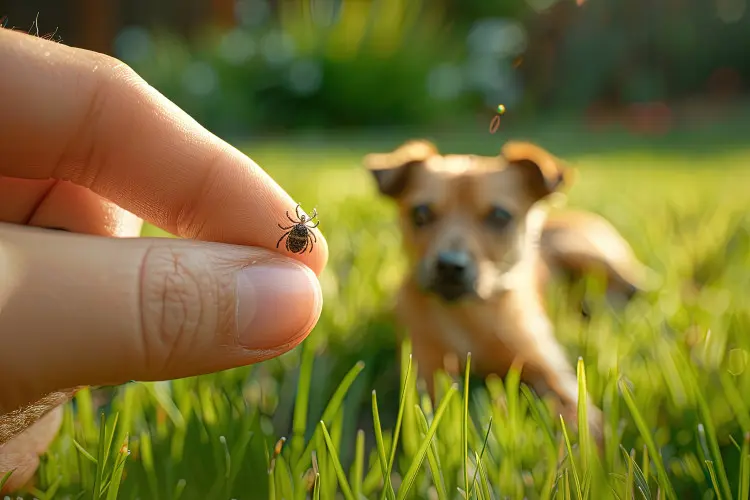
Debunking myths: leave the folk remedies at home
Wild tales and old wives’ tales are still running rampant in local dog communities. Let’s stick to evidence-based veterinary science instead of pure shamanism. Our athletes’ health is way too valuable to risk on dangerous backyard experiments.
Myth 1: «Garlic and brewer’s yeast scare off ticks.» No, no, and no! Not only does garlic do absolutely nothing to repel arachnids, but it is actually toxic to dogs and can trigger severe anemia. Imagine your dog’s athletic performance crashing mid-run because their red blood cell count tanked. Skip this one entirely.
Myth 2: «Essential oils are a perfectly safe alternative.» Sure, they smell amazing, but they evaporate in about 30 minutes flat. On top of that, a dog’s sense of smell is tens of thousands of times stronger than ours. A dog slathered in essential oils is going to suffer from a pounding headache and lose all focus during training. That isn’t holistic protection; it is just stressful.
Myth 3: «Ultrasonic collar tags work miracles.» Clinical studies have repeatedly shown that ultrasound has zero effectiveness against ixodid ticks. The little plastic tag might jingle nicely on their harness while they run, but to the parasites, it is completely invisible and completely silent.
The home stretch
Tick season is no excuse to sit on the couch binge-watching Netflix. Our dogs were built for movement, speed, and tracking down new scents. Whether it’s agility, canicross, disc dog, or just a long weekend hike in the mountains, being active is what puts that look of pure joy in their eyes.
Pick out some reliable armor and test a few different formats to see what works. Always consult with your trusted vet, keep a close eye on their coat condition, and monitor their behavior after being outdoors. The responsibility lands squarely on the handler’s shoulders. We are the captains of this team. So give them their chew or apply their drops, grab a leash and some high-value treats, and let’s get out there and train! The trails are calling, and we are one hundred percent ready to answer!