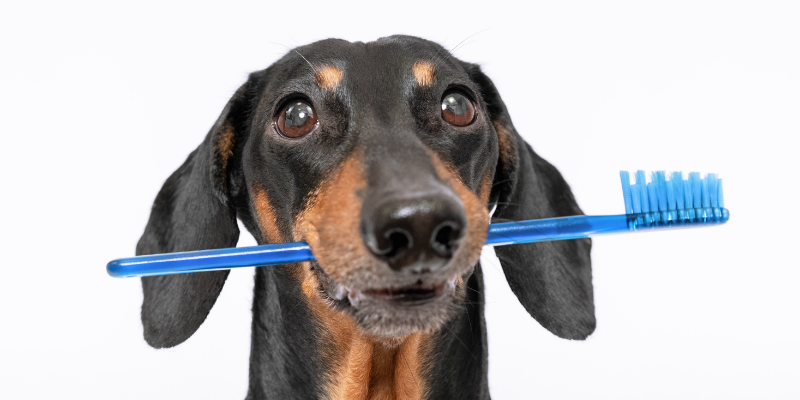
Have you ever turned your face away when your beloved dog tried to "kiss" you because of the unpleasant smell from their mouth? Many owners consider this normal, thinking, "well, it's a dog, they can't smell like fresh mint." However, modern veterinary medicine is sounding the alarm: bad breath is not just an aesthetic problem, but a cry for help from the body. According to statistics from the American Veterinary Dental College, by the age of three, 80% of dogs and 70% of cats already show signs of periodontal disease. Learn more on Tvaryny.
Why teeth are a "ticking time bomb" for a pet's health
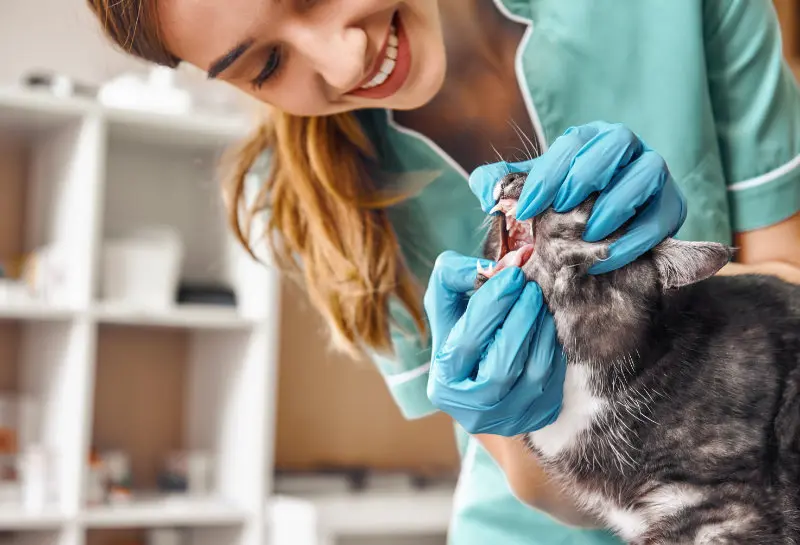
To understand the importance of dental care for pets, we need to look deeper than just the surface of the enamel. The problem begins with plaque - a soft film of bacteria and food residue. If not removed, it mineralizes under the influence of saliva and turns into tartar in just 24–48 hours.
But the most terrifying processes happen undewr the gums. Bacteria release toxins, destroying the ligaments that hold the tooth in place. This causes inflammation - gingivitis, and subsequently periodontitis. However, a local problem quickly becomes systemic. Here is how it works:
- Heart under attack: Bacteria from the oral cavity enter the bloodstream and often settle on heart valves, causing endocarditis.
- Kidney failure: The kidneys filter blood, and a constant "attack" by bacteria overloads them, leading to chronic diseases.
- Chronic pain: Animals are masters at hiding pain. A dog may continue to eat even with rotting teeth, swallowing food whole, but will suffer from constant, dull pain, becoming irritable or lethargic.
The New "Gold Standard": Why simple cleaning is no longer enough
Previously, a visit to the veterinary dentist was limited to the mechanical removal of tartar. But science has moved on. Modern protocols recommended by leading veterinary associations in Europe and the USA differ radically from the approaches of 10 years ago.
Anesthesia: Necessity or risk?
One of the most controversial issues for owners is anesthesia. Many look for services like "ultrasonic dog teeth cleaning without anesthesia." Vets around the world are unanimous: high-quality cleaning without anesthesia is impossible. And here is why:
- Subgingival space: 60% of the problem lies beneath the gums. It is impossible to clean there with an ultrasonic scaler on a conscious animal - it is painful and frightening. Without anesthesia, only visible tartar is removed ("cosmetic cleaning"), while the disease continues to destroy the tooth from the inside.
- Airway safety: During the operation of the scaler, an aerosol of bacteria and water is created. Tracheal intubation (which is only possible under anesthesia) protects the animal's lungs from inhaling this fluid and developing aspiration pneumonia.
- Stress: Forcing an animal to stay still for a procedure "in the flesh" causes colossal psychological trauma.
Important to know: Modern standards require a preliminary cardiac examination and blood tests before anesthesia. This minimizes risks, making the procedure safer than ignoring the rot in the mouth.
Dental X-rays: Why is it a must-have?
Another pillar of modern veterinary dentistry is dental radiography. An external examination shows only the tip of the iceberg. Root abscesses, tooth resorption (dissolving) in cats, and jaw fractures due to deep pockets - all this is visible only on an X-ray. Treating teeth "blindly" in 2024–2025 is considered medical negligence.
Home care: How not to become your pet's enemy
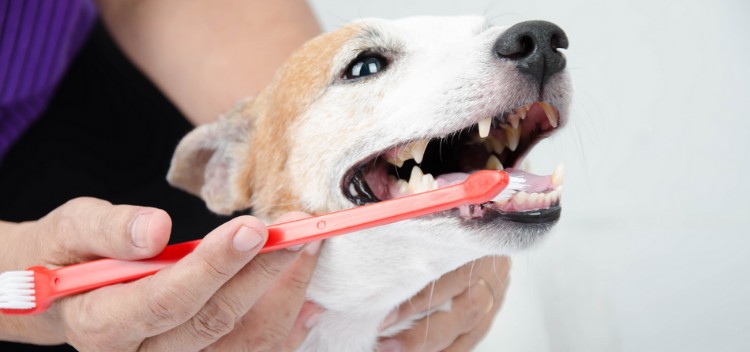
Professional cleaning is carried out once every 6–12 months, but the result depends on what you do every day. Yes, strictly every day. The notion that it is enough for a dog to chew on a stick is a myth that costs dearly. Let's look at the algorithm of actions that will help preserve a pearly white smile.
Toolkit: What should be in your first aid kit?
Do not use human toothpaste! Fluoride and xylitol, which are beneficial for us, are toxic to dogs and cats. You will need:
- Enzymatic toothpaste: This is "magic" in a tube. It contains enzymes that dissolve plaque chemically. You don't even necessarily have to scrub the animal's teeth thoroughly - the main thing is to apply the compound to the surface.
- Brushes and finger brushes: For large dogs, brushes with a long handle and two heads are suitable. For cats and puppies - soft silicone or microfiber finger brushes.
- Gels and sprays: Auxiliary products that change the pH of saliva and prevent bacteria from multiplying.
"Step by step" training method
Starting to brush teeth by force is the worst idea. You will get a frightened animal and bitten hands. Act strategically.
| Stage | Action | Duration |
|---|---|---|
| 1. Introduction | Let the animal lick tasty enzymatic paste off your finger. Praise them. | 3–5 days |
| 2. Touch | Put paste on your finger and run it over the canines and front teeth, lifting the lip. | 1 week |
| 3. Tool | Introduce the brush/finger brush. Let them lick paste off it. | 3–4 days |
| 4. Brushing | Start cleaning only the outer surface of the teeth (cheek side). The tongue cleans the inside. | Permanently |
It is importnat to remember that cats are more sensitive to procedures. It is better to work with them when they are sleepy or relaxed after eating. If a cat is categorically against a brush - use special wipes or gels that can simply be applied to the gums.
Nutrition and "functional treats"
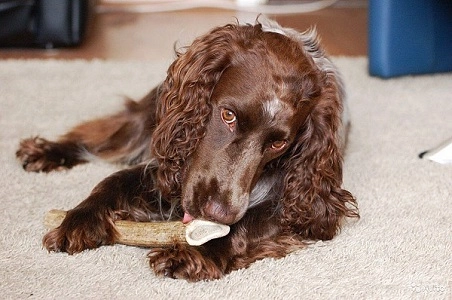
Marketing convinces us that dry food automatically cleans teeth. This is only partially true. A regular piece of kibble shatters at the first bite and hardly contacts the tooth surface near the gum. However, there are specialized veterinary diets (Dental diets).
The kibble in such foods has a special structure: it does not crumble but allows the tooth to "sink" into it, mechanically scrubbing off plaque like an eraser. Also, polyphosphates are often added to the composition, which bind calcium in saliva, preventing it from forming tartar.
Toys and treats: VOHC recommends
When choosing treats for teeth, look for the VOHC (Veterinary Oral Health Council) mark. This means the product's efficacy is clinically proven. Natural options:
- Raw bones (spongy): Can be given with caution, but never cooked (they splinter into sharp shards) and not weight-bearing bones from hoofed animals (they are too hard and break teeth).
- Deer antlers: Very popular, but dentists are often against them. They are harder than tooth enamel, which leads to slab fractures of the teeth, which then need to be extracted.
- Dried tendons and bully sticks: A safe alternative that softens under the influence of saliva and works like dental floss.
Breed specifics: Who needs to be on guard?
Genetics play a huge role. Dogs of small breeds (Yorkies, Chihuahuas, Pomeranians, Toy Terriers) are dental patient number one. They have small jaws, and teeth are positioned very tightly, which promotes food accumulation. In addition, they often have retained deciduous teeth (when baby teeth do not fall out, but adult ones are already growing), which creates a "double row" and guarantees inflammation.
Owners of such breeds need to start hygiene training from the first months of a puppy's life. For brachycephalic breeds (Pugs, Bulldogs), the situation is further complicated by an incorrect bite (malocclusion), due to which natural self-cleaning of teeth almost does not occur.
Summary: An investment in longevity
Dental care for pets is not a whim or a way to pump money out of you at the vet clinic. It is a basic need, just like vaccination or parasite treatment. By investing time in brush training and funds in regular professional check-ups, you are not just saving your pet from toothache. You are protecting their heart, kidneys, and liver, giving them a happy old age without illness.
Remember, the best time to start taking care of your four-legged friend's smile is today. Take a look into your fluffy friend's mouth right now: perhaps it is time to book an appointment with the doctor?