


Pet cats have long been fully fledged members of the family, so looking after their health is a necessity rather than a luxury. Regular check-ups, timely jabs, and systematic parasite control can add several years to your cat’s life and save you money on treatment later on – more on this over at Tvaryny.
Below you’ll find a detailed guide, from a kitten’s first check-up to a senior cat’s health plan. Everything is explained in plain language and backed up with tables, lists, and tips that are easy to put into practice.
Why routine health checks matter
- Early disease detection. Most kidney, heart, and dental problems start without obvious signs.
- Keeping vaccinations up to date. Your vet tracks booster dates and tailors a schedule.
- Parasite monitoring. Faecal tests and skin exams spot endo- and ectoparasites in good time.
- Diet tweaks. The vet assesses body condition (BCS) and recommends food to suit your cat’s needs.
- Behaviour advice. Help with aggression, stress, spraying, or overeating.
According to the AAFP, cats seen at least once a year fall ill 25–30 per cent less often, and live on average 1.5–2 years longer than those taken to the surgery only in an emergency.
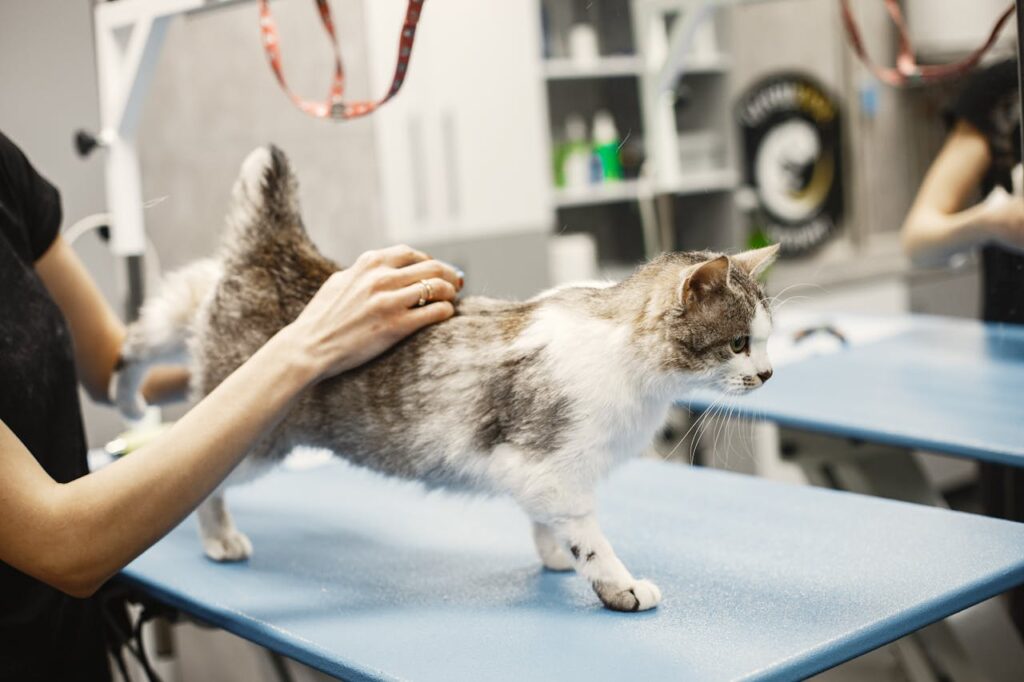
What a standard yearly check-up includes
- Clinical exam: teeth, ears, eyes, heart, lungs, abdominal palpation.
- Weigh-in and BCS assessment.
- Complete and biochemical blood tests.
- Faecal examination every 6–12 months.
- Urinalysis and protein/crystal test (if needed).
- Review of vaccination status and booster plan.
- Setting the parasite-treatment timetable.
Cat vaccinations: the full schedule
Vaccination is the cornerstone of preventive veterinary medicine. In Ukraine both core and non-core vaccines are used. Follow the latest WSAVA guidelines (2023), adjusted to local conditions.
| Age | Vaccine | Protects against | Booster |
|---|---|---|---|
| 8–9 weeks | FPV + FCV + FHV-1 | panleukopenia, calicivirus, herpesvirus | after 3–4 weeks |
| 12–13 weeks | FPV + FCV + FHV-1 | as above | after 12 months |
| 16–17 weeks | Rabies | rabies | yearly or every 3 years* |
| Annually | FeLV (if required) | feline leukaemia | every 12 months |
| Every 3 years | FPV + FCV + FHV-1 (booster) | core immunity | — |
*Depends on vaccine type and local regulations.
Tip: after each jab, snap a photo of the passport page – handy when travelling or moving house.
Parasite treatments: external and internal

Fleas, ticks, nematodes and tapeworms can trigger dermatitis, allergies, anaemia and even life-threatening illness. Here’s the treatment timetable for an indoor cat that occasionally ventures onto the balcony or goes for harness walks.
| Frequency | Product (form) | Target | How to use |
|---|---|---|---|
| Monthly (March–November) | Spot-on (fipronil, selamectin) | fleas, ticks, lice | Apply after bathing; avoid bathing for 48 h |
| Every 3 months | Tablet or paste (milbemycin, praziquantel) | round- and tapeworms | Give with food for better uptake |
| Yearly | Faecal + blood test | toxocariasis, dirofilariasis | Sooner if symptoms appear |
Preparing your cat for the vet visit
- Carrier. Get your cat used to sleeping in it so the context feels safe.
- Pheromone spray. Mist the inside with Feliway® 30 minutes before leaving.
- Light fasting. Four hours without food makes blood sampling easier and reduces travel sickness.
- Quiet return. After the surgery, let your cat hide and settle down.
Nutrition with added benefits
A quality diet accounts for 70 per cent of preventive care. Choose foods labelled AAFCO or FEDIAF complete & balanced and containing:
- taurine of at least 0.1 per cent (dry matter)
- omega-3 (EPA/DHA) for skin and joints
- L-carnitine for weight control
- MOS/FOS prebiotics for healthy digestion
Cats prone to urinary stones need food with a controlled pH (6.2–6.4), low magnesium and extra moisture (wet food or mixed feeding).
Physical activity: more play, fewer problems
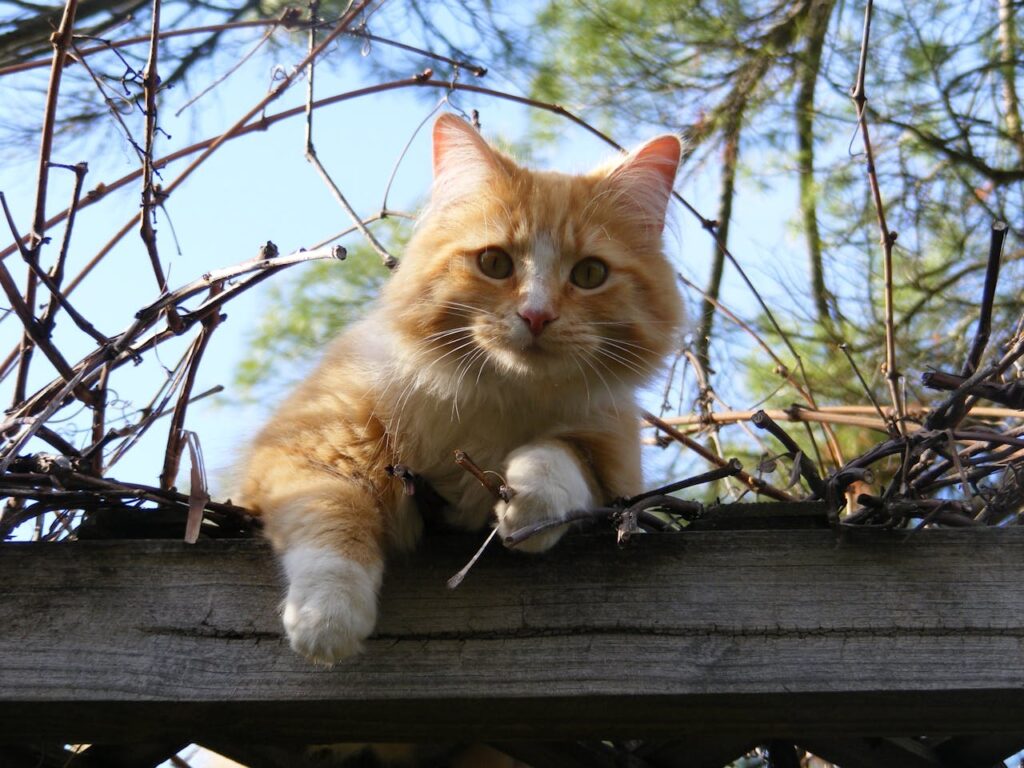
Just 15–20 minutes of interactive play each day cuts the risk of obesity by 40 per cent. Try feather wands, bouncy balls, and laser pointers (never shine the beam in their eyes). Add vertical space: a cat tree, shelves, or a radiator hammock.
Dental care
More than 70 per cent of cats over three have tartar or gingivitis. Follow this routine:
- Brush with an enzymatic paste 2–3 times a week.
- Offer dental sticks or DDD kibbles as treats.
- Professional scaling and polish under light anaesthesia once a year.
Kitten-care timetable
The first year is the most dynamic for immunity and behaviour. Use this checklist to stay on track:
| Age | Action | Note |
|---|---|---|
| 2 weeks | Parasite check, deworming | fenbendazole-based pastes |
| 4 weeks | Introduce solid food | moistened kitten kibbles |
| 8–9 weeks | First FPV/FCV/FHV-1 jab | deworm at the same time |
| 12 weeks | Second jab + microchip | essential for travel |
| 16 weeks | Rabies shot | mandatory for going abroad |
| 5–7 months | Spay/neuter | lowers risk of tumours and spraying |
Caring for senior cats
From seven to eight years a cat is considered a “senior”. At this stage you should:
- book twice-yearly check-ups with extended blood chemistry (heart, kidneys, thyroid)
- add glucosamine and chondroitin to the diet
- provide more low-level resting spots
- watch the weight – every ±200 g counts
- monitor urination frequency and coat quality (signs of endocrine disorders)
Common owner mistakes
- “My indoor cat doesn’t need jabs.” Pathogens hitch a ride on shoes or clothes.
- “I only worm when I see worms.” Ninety per cent of infestations show no symptoms.
- “Cats regulate their own appetite.” Indoor cats often overeat and gain weight.
- “Dry food cleans teeth.” Tartar builds up despite kibble texture.
Quick owner checklist
- Vaccination: core jabs + rabies, boosters on schedule.
- Deworming: every 3 months or faecal test.
- Fleas/ticks: monthly March–November.
- Vet visit: once a year (up to 7 yrs), twice a year (7 yrs+).
- Food: complete & balanced + water 24/7.
- Play: 15–20 minutes daily.
Useful sources and further reading
For deeper insight, consult the official WSAVA protocols, the AAFP guidelines, and ESVD resources on parasitology.
Conclusion
Cats are experts at hiding pain, so prevention is the only reliable way to safeguard their health. Stick to the vaccination calendar, follow the parasite-treatment plan, and see the vet at least once a year. That way you’ll give your feline friend many years of active, happy life.