

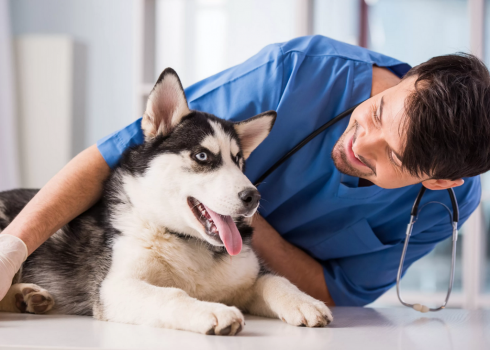
When a beloved pet falls ill, it feels like the world stops. The vet’s words about needing to “look inside” to make a diagnosis or remove something instantly conjure up anxious thoughts of a full-blown operation, complete with anaesthesia, incisions, and a long recovery. However, modern veterinary medicine has taken a huge leap forward, and today there is a much more humane and safer alternative: endoscopy. This high-tech method allows vets to perform detailed diagnostics and even therapeutic procedures without a single cut. To learn about all the advantages and when it’s worth insisting on this method, read more on Tvaryny.
Many owners have heard the term but don’t fully understand what it is or its wide-ranging capabilities. Let’s explore when endoscopy for animals becomes not just an option, but a true lifesaver that preserves health and reduces your pet’s suffering.
What is Endoscopy? A Look Inside Without a Scalpel
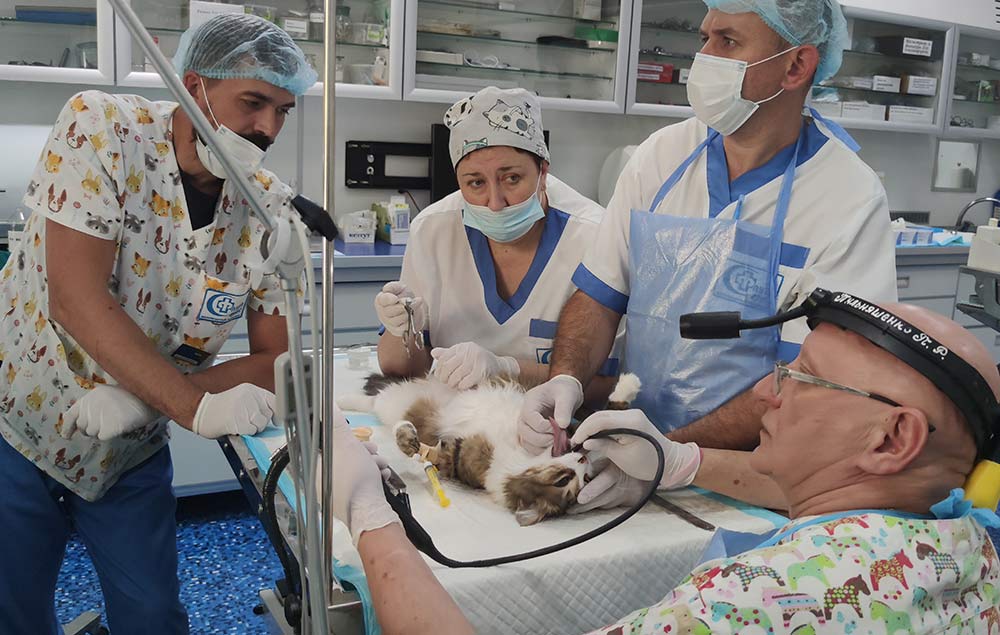
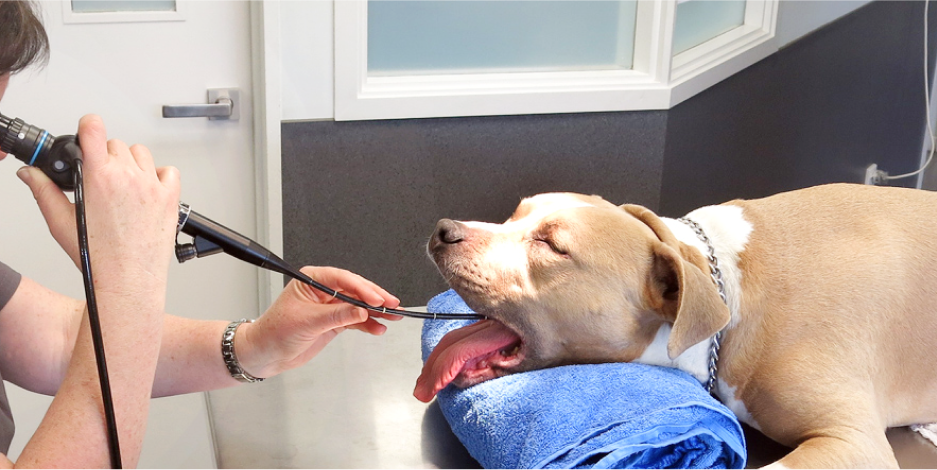
Simply put, endoscopy is a visual examination of internal organs using a special instrument called an endoscope. Imagine a thin, flexible tube with a miniature high-definition video camera and a light source at its tip. The vet inserts this tube into the animal’s body through natural openings – the mouth, nose, rectum, or urethra. The camera transmits a real-time image to a large monitor, allowing the vet to closly examine the condition of the mucous membranes, identify pathologies, find foreign objects, or take tissue samples for analysis.
Most importantly, all of this is done without breaking the skin. This is the key difference from traditional surgery, where an incision is required to access an organ.
Endoscopy vs. Conventional Surgery: A Clear Comparison
| Parameter | Endoscopy | Traditional Surgery |
|---|---|---|
| Invasiveness | Minimal (entry through natural openings) | High (requires tissue incisions) |
| Blood Loss | Virtually none | Present, sometimes significant |
| Post-Procedure Pain | Minimal or none | Significant, requires strong painkillers |
| Recovery Time | Very fast (a few hours to 1 day) | Lengthy (several days to weeks) |
| Risk of Infection | Extremely low | Increased due to stitches |
| Scars | None | Permanent |
| Diagnostic Capabilities | High (visual inspection, biopsy sampling) | Limited (you need to know where to look) |
Top 5 Situations Where Endoscopy is the Best Choice
There are numerous indications for performing an endoscopic examination in cats and dogs. Let’s look at the most common scenarios where this method proves to be most effective.
1. Removing a Foreign Body Without Surgery
This is perhaps the most well-known use of endoscopy. Dogs, and sometimes cats, are fond of tasting inedible objects: children’s toys, socks, bones, pebbles, or Christmas tinsel. If such an item gets stuck in the oesophagus or stomach, the traditional approach is major surgery. Endoscopy, however, allows this traumatic scenario to be avoided.
- How it works: An endoscope is inserted through the animal’s mouth. The vet locates the foreign object, grasps it with special manipulators (forceps or a loop) passed through the endoscope’s instrument channel, and carefully withdraws it.
- The advantage: The animal wakes up from the anaesthetic and can go home within a few hours, as if nothing happened. No stitches, no pain, and no lengthy rehabilitation.
2. Diagnosing Chronic Gastrointestinal Problems
Is your pet suffering from chronic vomiting, diarrhoea, weight loss, or a poor appetite? Blood tests and ultrasound scans don’t always provide the answer. In such cases, a gastroscopy (stomach examination) and colonoscopy (large intestine examination) are the gold standard for diagnosis.
- What the vet sees: The endoscope allows for an assessment of the mucosal lining, revealing inflammation, erosions, ulcers, tumours, or narrowing.
- The key advantage – biopsy: During the procedure, the vet can take tiny tissue samples (biopsies) from suspicious areas for histological analysis. This is the only way to accurately diagnose conditions like Inflammatory Bowel Disease (IBD), lymphoma, or other growths, and to prescribe the correct treatment, which often focuses on restoring the gut microbiome to improve overall health.
3. Respiratory Tract Diseases
A chronic cough, sneezing, nasal discharge, or noisy breathing can all be indications for a rhinoscopy (examination of the nasal passages) or bronchoscopy (examination of the trachea and bronchi). This alternative to surgery in animals can identify the cause of the problem without traumatic intervention.
- What can be found: Foreign bodies (like grass seeds), polyps, fungal infections (aspergillosis), tumours, or tracheal collapse in small breed dogs.
- Therapeutic procedures: It’s possible not only to diagnose but also to remove small polyps, wash out fungal masses, or take samples for analysis (bronchoalveolar lavage).
4. Urinary System Problems
If a pet has blood in its urine (haematuria), difficulty urinating, or a suspected growth, a cystoscopy (examination of the urethra and bladder) can be extremely informative. This method can reveal stones, polyps, tumours, and areas of chronic inflammation that are not always visible on an ultrasound scan.
5. Ear Examinations (Video-Otoscopy)
For chronic ear infections where standard treatment isn’t working, a deep examination of the ear canal using an otoscope with a video camera can reveal the underlying cause: polyps, tumours, foreign objects, or even a ruptured eardrum. This allows for thorough flushing of the canal under visual control and direct application of medication to the problem area.
Preparation and Procedure: What Owners Need to Know
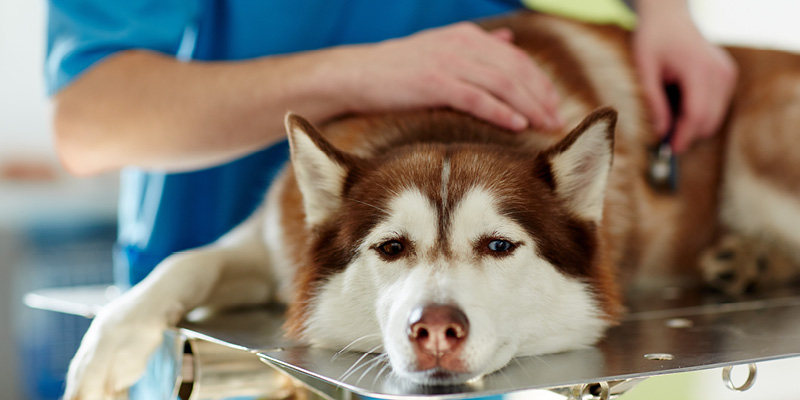
Any endoscopy for animals is performed under general anaesthetic. This is necessary to ensure the animal remains still and feels no discomfort. Before the procedure, your vet will give you clear instructions, which are important to follow.
- Fasting: Usually, your pet will need to fast for 12 hours (and sometimes longer) before the procedure, especially if a stomach examination is planed. Water can be left available.
- Pre-Anaesthetic Check-up: Blood tests and, if necessary, a heart examination (echocardiogram) are mandatory to ensure the animal can safely undergo anaesthesia.
- The Procedure Itself: The duration depends on the complexity of the task – from 15-20 minutes for a simple diagnostic to an hour or more for a complicated foreign body removal.
- Recovery: After the procedure, your pet will stay at the clinic until fully awake from the anaesthetic. You can usually take your pet home the same day. The vet will provide recommendations for feeding and care over the next few days.
Are There Risks and Limitations?
Like any medical procedure, endoscopy has its risks, although they are significantly lower than with surgical intervention. The main risk is associated with anaesthesia, but modern drugs and careful monitoring minimise this. An extremely rare complication of the procedure itself is perforation (a puncture) of an organ wall, but in the hands of an experienced specialist, this is highly unlikely.
The method’s limitations are that not all foreign objects can be removed endoscopically (for example, very large or sharp ones), and not all tumours can be completely removed – endoscopy often serves as a diagnostic tool for taking biopsies before planning a larger operation.
Conclusion: An Informed Owner Means a Healthy Pet
Endoscopy for animals is not just a trendy technology; it is a powerful tool in the hands of a modern veterinary surgeon. It allows for accurate diagnoses, therapeutic interventions, and the avoidance of traumatic surgeries in many cases. It is the path to a quicker recovery, less pain, and reduced stress for your four-legged friend.
If your pet is facing a problem that requires intervention, don’t be afraid to ask your vet questions. Ask if endoscopy is a possible alternative in your case. Being a knowledgeable owner means giving your pet the best chance at a long and happy life. Modern treatments make animal care more effective and humane than ever before, which is something to be celebrated. However, when a cure is not possible, the focus shifts to providing compassionate palliative care for animals to ensure their comfort and dignity.