

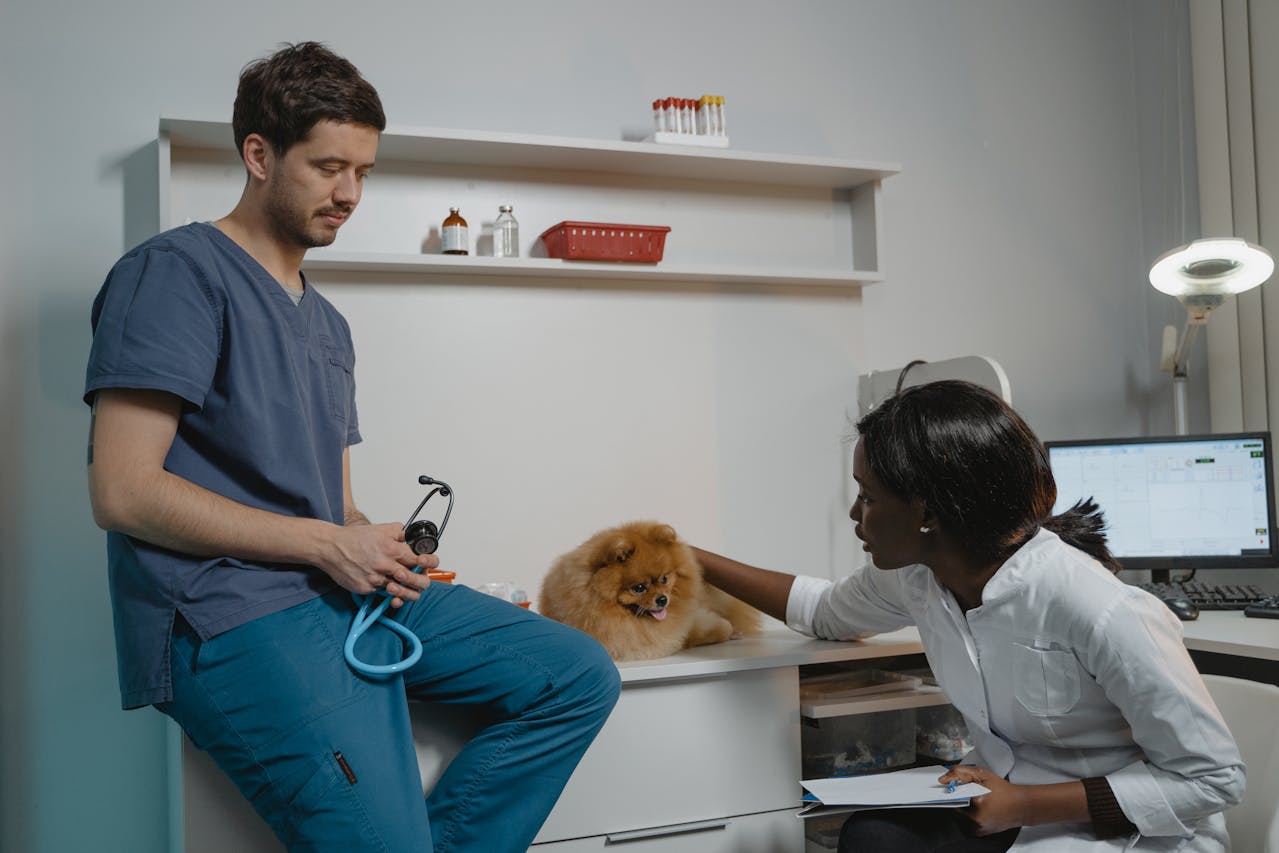
In short: dog vaccination
- Core vaccines: DHP (distemper, hepatitis, parvovirus) + leptospirosis. Britain is rabies-free, so rabies isn’t given routinely — only for dogs travelling abroad.
- Puppy schedule: from 6–8 weeks, every 3–4 weeks until 16 weeks.
- Adults: a yearly check plus boosters (core every 1–3 years, rabies as required by law).
- Before vaccinating: the dog should be healthy and dewormed 10–14 days beforehand.
A well-planned vaccination schedule for your dog is more than just a vet’s recommendation; it’s the cornerstone of a long and healthy life for your beloved pet. From their first few weeks right through to adulthood, vaccines protect dogs from deadly viruses, prevent outbreaks of infection, and help build herd immunity among animals. In this article, we’ll take a closer look at which vaccinations are essential, the right time for them, how to prepare for a clinic visit, and why missing a booster jab could cost your dog their life; you can read more about this on Tvaryny.
Why is dog vaccination so important?
Every year, thousands of dogs fall ill with rabies, distemper, parvovirus, and other dangerous infections. Most of these diseases have a high mortality rate or lead to lifelong complications. Vaccination is the only reliable method of prevention. It:
- Builds immunity to specific pathogens by activating antibody production without the risk of your dog actually getting the disease.
- Reduces the spread of infections within dog communities and to people (particularly rabies, which is a shared risk).
- Saves money on treatment: treating viral diseases is more expensive than vaccination and often less effective.
- Is required by law in many cases: rabies vaccination is often mandatory for pet registration and travel.
How vaccines work: a brief scientific guide
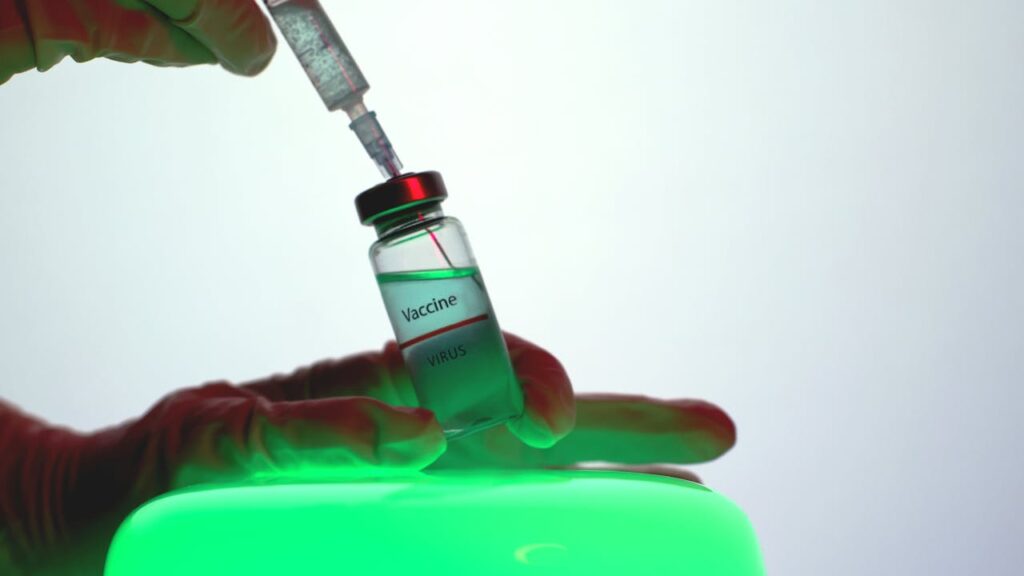
Most vaccines for dogs are manufactured as:
- Live attenuated (modified) viruses – these provide a rapid and long-lasting immune response.
- Inactivated (killed) viruses – safe for animals with weakened immune systems, but may require more frequent boosters.
- Subunit and recombinant vaccines – these contain only fragments of the pathogen, minimising side effects.
After injection, the body ‘encounters’ the weakened or partially destroyed virus and produces specific antibodies. When the real pathogen enters the body, the immune system already ‘remembers’ it and neutralises it immediately.
Core vaccines for dogs
Official guidance in the UK
In the UK the core vaccines are distemper, hepatitis, parvovirus and leptospirosis. Because Britain is rabies-free, the rabies vaccine is not given routinely — only for dogs travelling abroad under the pet-travel rules. Authoritative sources: BSAVA vaccination position and the WSAVA guidelines.
The term ‘core vaccines’ refers to those vaccinations that every dog should receive, regardless of breed, age, sex, or lifestyle. These generally include:
- Rabies.
- Canine Distemper Virus (CDV).
- Canine Parvovirus (CPV-2).
- Infectious Canine Hepatitis/Adenovirus-2 (CAV-2).
- Parainfluenza (CPiV) – often as part of a combination vaccine.
- Leptospirosis (L. interrogans serogroups Icterohaemorrhagiae and Canicola) – increasingly considered core in regions where the disease is prevalent, based on current recommendations.
All other vaccinations (e.g., Bordetella bronchiseptica, canine influenza H3N8/H3N2, Lyme disease, coronavirus) are considered ‘non-core’ and are recommended on an individual basis.
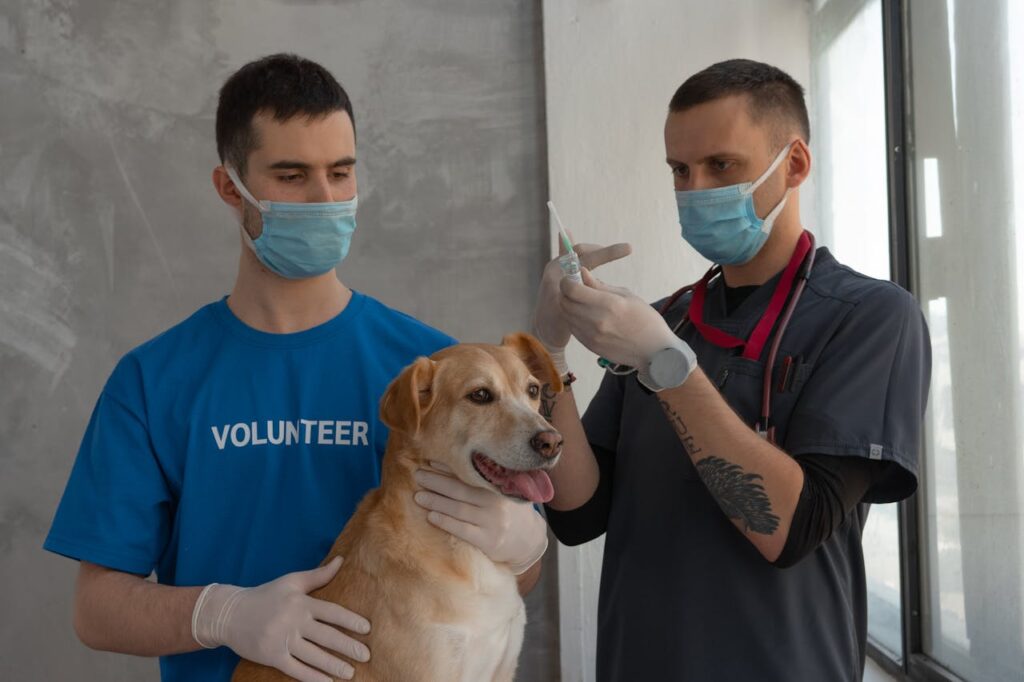
Detailed puppy vaccination schedule
The table below outlines a typical schedule, showing when to vaccinate your dog from birth up to 18 months. This can vary slightly depending on the type of vaccine and local guidelines, so always consult your vet.
| Puppy’s Age | Vaccination | Protects Against | Booster / Notes |
|---|---|---|---|
| 6–8 weeks | DHP (Distemper, Hepatitis, Parvovirus) + Parainfluenza | CDV, CAV‑2, CPV‑2, CPiV | First vaccine; start of primary course |
| 10–12 weeks | DHPPI + Lepto (Leptospirosis) | Same diseases + Leptospira spp. | Second dose; building initial immunity |
| 14–16 weeks (or per vet advice) | DHPPI + Lepto | Reinforces immunity | Crucial jab as maternal antibody protection wanes |
| From 12 weeks (as legally required for travel) | Rabies | Rabies | Separately or combined; essential for international travel |
| 6–12 months | DHPPI + Lepto + Rabies (if applicable for travel/risk) | Comprehensive booster | First booster after puppy series |
| Annually | Lepto (+ Bordetella if needed) | Leptospirosis, “Kennel Cough” | Annual booster |
| Every 3 years (for core components) | DHPPI + Rabies (Rabies as per regulations/risk) | Core diseases | Long-term protection as per WSAVA/AAHA guidelines |
Important! Missing any dose means your dog may not be fully protected. If the schedule is disrupted, contact your vet to create an individual ‘catch-up’ vaccination plan.
Booster vaccinations for adult dogs
After the first booster at 6-12 months, most core vaccines (DHPPI and Rabies, where applicable) are typically given every three years. However, Leptospira and Bordetella vaccines usually require an annual booster, depending on the specific product and risk. Some vets offer antibody titre testing to check if a booster is currently needed. This can be a useful option for older or sensitive animals.
Non-core, but useful, vaccines
- Bordetella bronchiseptica – for Kennel Cough prevention, often required for dog shows, boarding kennels, and training classes.
- Canine influenza (H3N8/H3N2) – recommended during outbreaks in the region or for frequently travelling dogs.
- Lyme disease (borreliosis) – relevant for dogs living in or visiting wooded areas with a high tick presence.
- Canine coronavirus – usually causes mild illness, so vaccination is typically only considered in breeding kennels where outbreaks have occurred.
Before recommending any non-core vaccines, your vet will assess the risks based on local disease patterns, your dog’s lifestyle, age, and medical history.
Factors affecting an individual schedule
- Local disease prevalence: For example, Leptospirosis may be more common in certain areas, potentially requiring more frequent boosters.
- Breed and size: While standard doses are generally used, discuss any concerns about your dog’s breed or size with your vet.
- Health status: Chronic illnesses, immunosuppression, or pregnancy can alter the timing or type of vaccinations.
- Lifestyle: Whether your dog is a show dog, working dog, or primarily a home companion will affect their risk of exposure to pathogens.
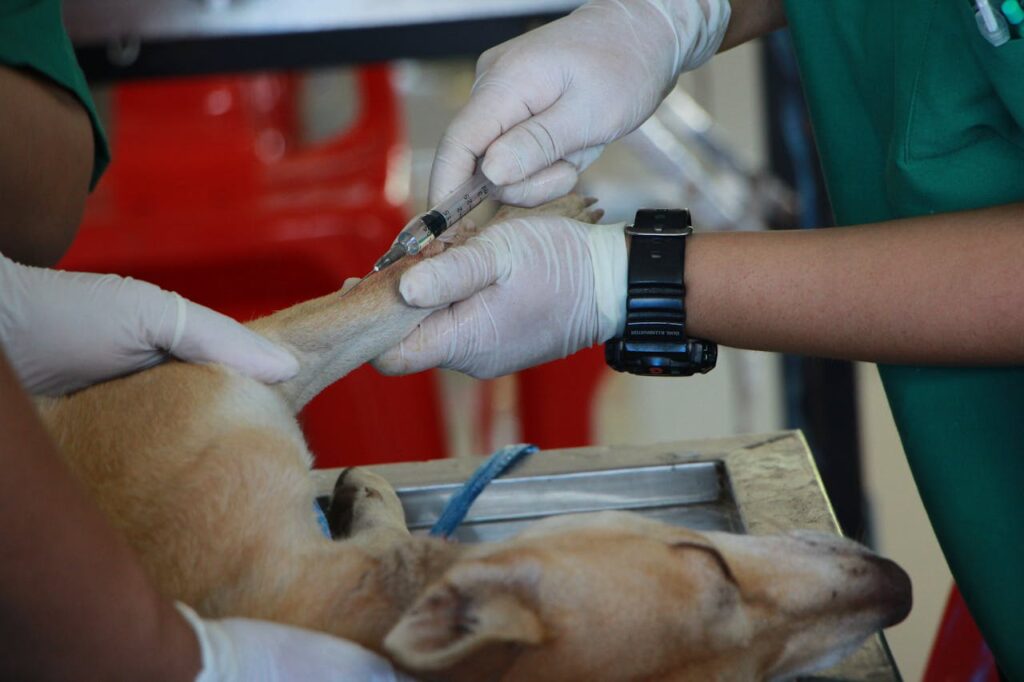
Preparing your dog for vaccination
Proper preparation helps minimise stress and reduces the risk of side effects:
- Carry out worming treatment 7–10 days before the injection.
- Ensure your dog is healthy – no diarrhoea, coughing, or high temperature.
- Don’t change their diet the day before or after vaccination to avoid triggering any allergies.
- After the jab, keep an eye on your dog: mild drowsiness is normal, but facial swelling or breathing difficulties are reasons to contact your vet immediately.
Common myths about dog vaccinations
Myth 1: “Indoor dogs don’t need vaccinating.” Even if your dog rarely goes outside, viruses can be brought into the home on your shoes or clothing.
Myth 2: “Vaccines cause serious side effects.” Severe reactions are rare; usually, it’s just mild lethargy or soreness at the injection site, which passes in a day or two.
Myth 3: “One jab provides lifelong protection.” The effects of most vaccines wear off over time, so booster jabs are vital.
Myth 4: “Small breeds can’t handle the standard dose.” The dose is designed to activate the immune system, not based on body weight; a reduced dose can be ineffective.
Frequently Asked Questions (FAQ)
When can my puppy go outside after vaccination?
It’s safest to wait about 7-14 days after their final primary course injection (usually around 14-16 weeks) for their immunity to fully develop. Always check with your vet.
Does my dog need a booster if they’ve missed their annual check-up?
Yes. Your vet will advise on a ‘catch-up’ course, which might involve one or more doses depending on how long the booster is overdue.
Can a pregnant or nursing bitch be vaccinated?
Live vaccines are generally contraindicated. It’s usually recommended to postpone vaccination or use inactivated vaccines under veterinary supervision.
Is it okay to bathe my dog after vaccination?
A gentle wipe-down is fine, but avoid getting them cold or giving them a full bath for about 48 hours.
What is serological titre testing, and does it replace a booster?
This test measures antibody levels to see if protection is still adequate. If titres are high, a booster might be postponed, but this decision should always be made by your vet.
Conclusion
A well-organised vaccination schedule for your dog is an investment in their health and your peace of mind. Follow your vet’s advice, keep their vaccination record safe, and don’t forget booster jabs. This will help your four-legged friend live a long, active, and happy life, free from dangerous infections.