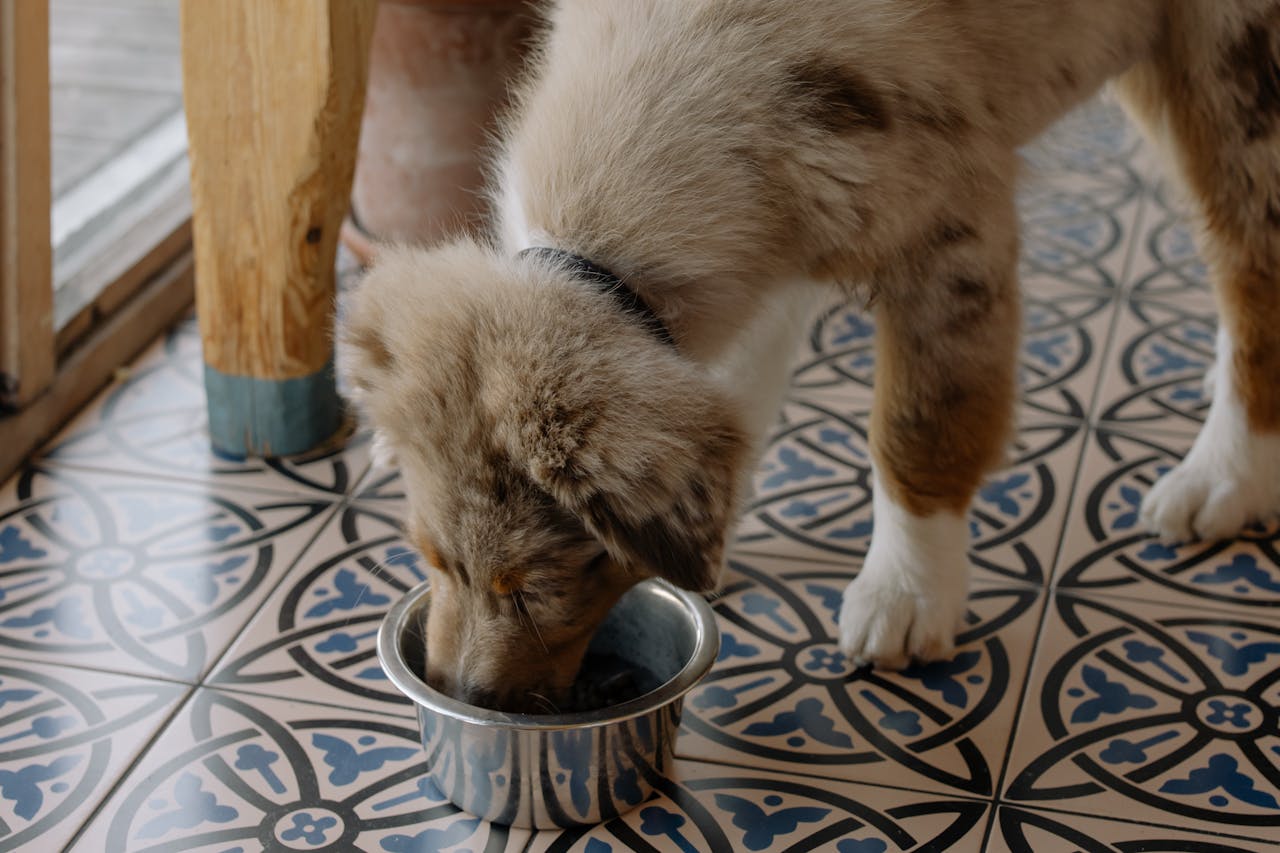
During hot weather, long walks, or illness, our beloved pets can quickly lose fluids. Dehydration in dogs and cats is a serious condition that can lead to kidney, heart, and other organ dysfunction. To learn how to spot the problem early and help your four-legged friend, read on at Tvaryny.
In this article, you'll discover: the causes of fluid deficiency, symptoms of dehydration in dogs and cats, home tests, first aid guidelines, professional treatment methods, and effective prevention tips.
Why is water vital for dogs and cats?
- Body temperature regulation — evaporation of saliva and sweating through paw pads helps cool the body.
- Transportation of nutrients to cells and elimination of toxins via the kidneys.
- Lubrication of joints and normal functioning of the gastrointestinal tract.
- Maintenance of blood volume and blood pressure.
Typically, a dog consumes 40–60 ml of water per kg of body weight per day, while a cat needs around 50 ml. If their diet consists solely of dry food, their water requirement will be higher. Insufficient fluid intake or excessive fluid loss can lead to dehydration.
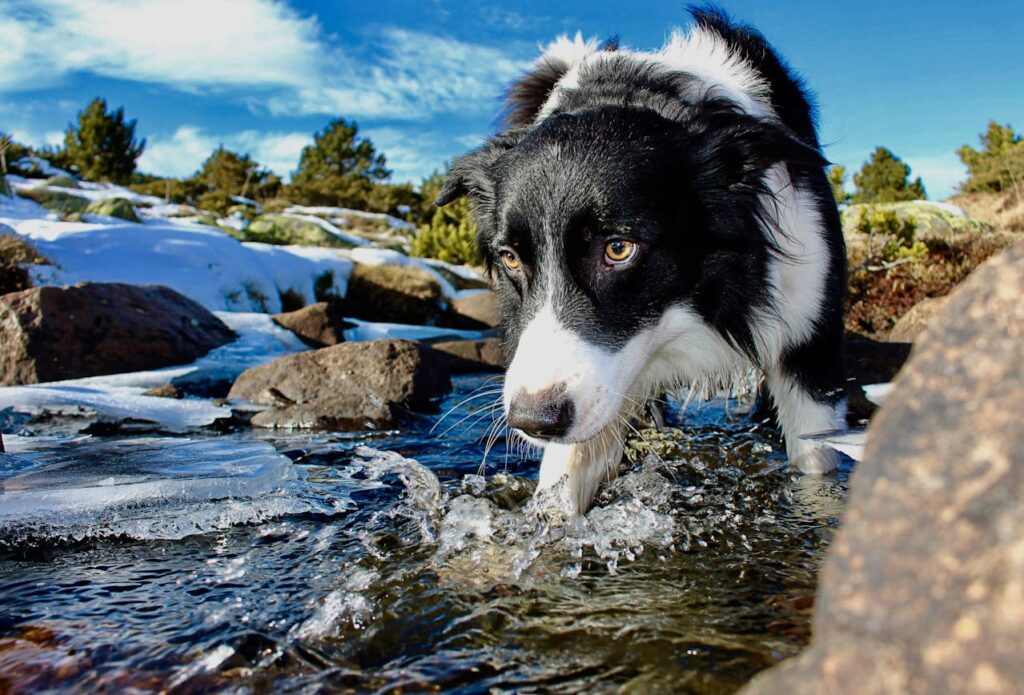
Causes of Dehydration
- High air temperature and physical exertion
- Diarrhoea, vomiting, fever, bleeding
- Kidney failure, diabetes, hormonal disorders
- Lack of constant access to clean water
- Stress during travel or shows
Symptoms of Dehydration in Dogs
- Skin-tent test: lifted skin slowly returns to place — a sign of reduced turgor
- Dry, sticky gums and tongue
- Prolonged capillary refill time (CRT)
- Sunken eyes, lethargy, rapid breathing
- Reduced urine output or dark urine colour
Signs of Dehydration in Cats
- Loss of skin elasticity in the scruff area
- Drowsiness, refusal to eat, increased heart rate
- Dull, sunken eyes
- Dry or sticky gums, whitish tongue
| Degree of Dehydration | Weight Loss | Clinical Signs | Owner's Actions |
|---|---|---|---|
| Mild | up to 5 % | Dry gums, thirst | Offer water, electrolytes |
| Moderate | 5–8 % | Skin tent persists > 2 s, rapid pulse | Urgent veterinary consultation |
| Severe | 8–10+ % | Collapse, seizures, no urine output | Emergency intravenous fluid therapy |
How to check hydration yourself
"Skin-tent" test: Gently lift the skin between your pet's shoulder blades. If the fold smooths out instantly, all is well. The longer the skin "stands up," the more severe the dehydration. For puppies and kittens, this test is less informative due to their naturally elastic skin.
Capillary Refill Time (CRT): Pull back the lip and press on the gums until they whiten. Release and count how long it takes for the colour to return. Normal is up to 1.5 seconds. A longer time indicates impaired circulation and potential dehydration.
First Aid at Home
- Move your pet to a cool, shaded area.
- Offer small, frequent sips of clean, room-temperature water.
- For dogs, you can prepare a weak electrolyte solution (0.5 tsp table salt + 0.5 tsp glucose per 1 litre of water).
- If vomiting/diarrhoea is present, withhold food for 6 hours, but ensure they continue to drink.
- If there's no improvement, contact a veterinary clinic.
A quick reminder: parasite prevention also plays a key role in overall health. You can compare various products to minimise the risk of infections and blood loss in our comprehensive guide: "Comparing Tick Treatments: Spot-Ons, Collars, and Tablets – Which to Choose".
Clinic Treatment
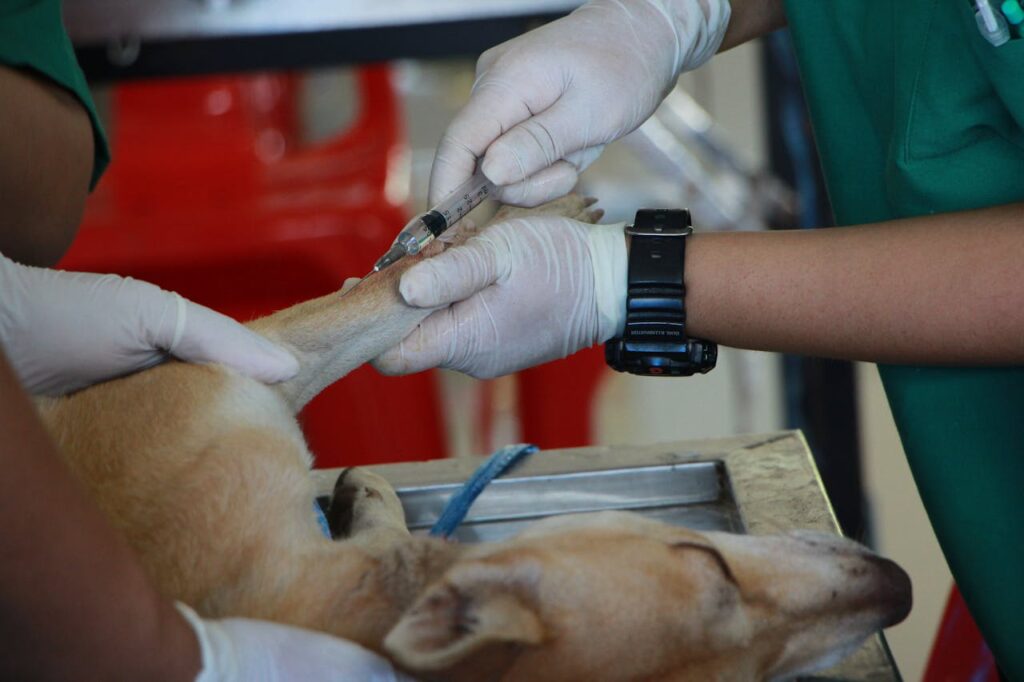
In a veterinary hospital, animals with moderate to severe dehydration receive intravenous (IV) or subcutaneous (SQ) fluid infusions. The volume and drip rate are calculated based on the level of dehydration and accompanying blood test results. For cats with chronic kidney disease, SQ fluids may also be prescribed for home administration under veterinary supervision.
Preventing Dehydration
- Constant access to fresh water; change it at least twice a day.
- Use water fountains, especially for fussy cats.
- Add wet food or slightly warm, unsalted broth to their diet.
- Carry a portable water bottle during active walks.
- Observe their behaviour — frequent visits to the water bowl or refusal to drink could indicate a problem.
Frequently Asked Questions (FAQ)
- Can I give human sports electrolytes?
No, they contain sugar, caffeine, and flavourings. Use veterinary-specific solutions. - My cat doesn't drink but eats wet food. Is this normal?
Partially, as wet food contains around 70% water. However, ensure your cat still drinks extra, especially in hot weather. - How often should I perform the "skin-tent" test?
Once a week for monitoring older animals or daily during illness. - Can severe dehydration be treated at home?
Severe dehydration requires intravenous fluid therapy and blood parameter monitoring at a clinic.
Look after your furry friend's hydration every day, and no summer heat or illness will become critical for them!