


Spring and summer aren’t just for outdoor games and long walks with our four-legged friends. Unfortunately, it’s also peak season for ticks – small but incredibly dangerous parasites capable of causing serious harm to the health of dogs and cats. Choosing an effective and safe means of protection becomes a top priority for every responsible owner. Today, the market offers a multitude of options: spot-on treatments, collars, and tablets. How can you navigate this variety and select the best protection for your beloved pet? We’ll try to delve into this in more detail; more on this at Tvaryny.
Why are ticks so dangerous for your pets?
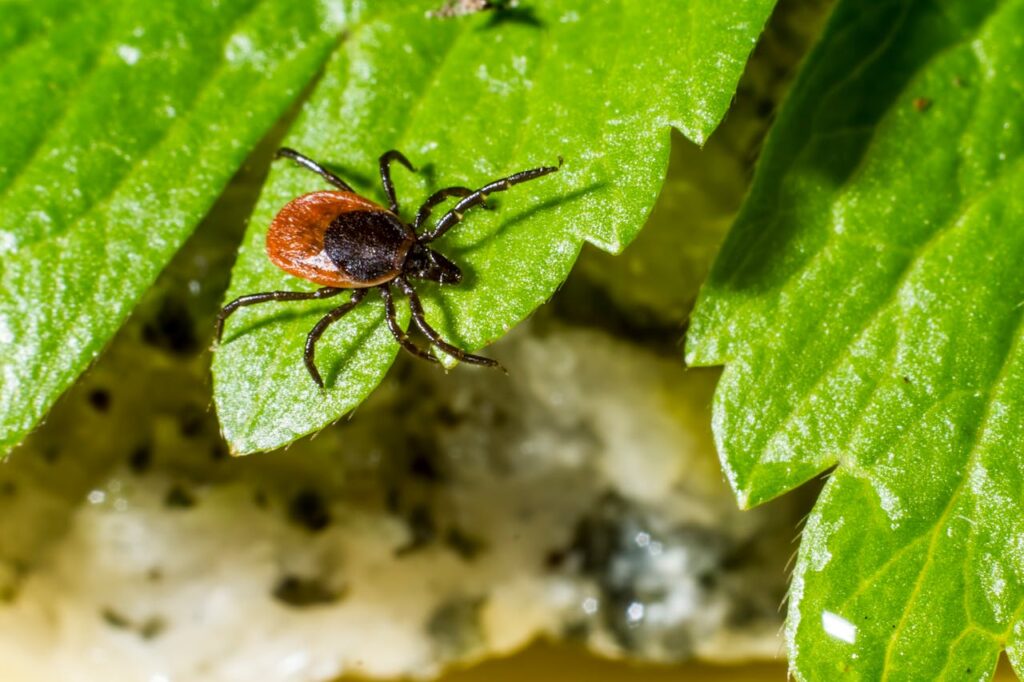
Ixodid ticks, which we most often encounter in parks, forests, and even our own gardens, are carriers of pathogens that cause dangerous diseases. A single bite can lead to an animal being infected with illnesses such as babesiosis (piroplasmosis), Lyme disease (borreliosis), ehrlichiosis, anaplasmosis, and others. These diseases are not only difficult for animals to endure but can also have fatal consequences or lead to chronic health problems if help is not provided मानविक.
- Babesiosis (Piroplasmosis): One of the most common and dangerous diseases. The pathogens, upon entering the bloodstream, destroy red blood cells. Symptoms include high fever, lethargy, refusal to eat, pale or yellowish mucous membranes, and dark-coloured urine. Without timely treatment, the prognosis is often unfavourable.
- Lyme disease (Borreliosis): A bacterial disease that affects the joints, nervous system, and heart. It can be asymptomatic or present with non-specific symptoms such as lameness, fever, and apathy. It often becomes chronic.
- Ehrlichiosis and Anaplasmosis: These affect blood cells, causing fever, weakness, haemorrhages, and anaemia.
Remember, prevention is the best way to protect your pet from these threats!
Types of Tick Treatments: A Detailed Breakdown
Modern veterinary pharmacology offers three main types of products for tick protection: spot-on treatments for the scruff of the neck, collars, and tablets. Each has its own advantages, disadvantages, and specific application methods.
1. Spot-on Treatments (for the scruff)
Spot-on treatments are one of the most popular and convenient methods of protection. Usually, this is a small tube of liquid applied to the animal’s skin on the scruff (between the shoulder blades), where the pet cannot lick it off.
How they work: Active ingredients (e.g., fipronil, imidacloprid, selamectin, fluralaner, permethrin – WARNING: Permethrin is toxic to cats!) are absorbed into the skin and sebaceous glands. Gradually distributing throughout the body, they create a protective barrier. Ticks die upon contact with the treated animal’s skin or fur, even before they can attach, or immediately after biting.
Advantages of spot-ons:
- Ease of application: Application takes a few minutes.
- Duration of action: Usually 3 to 4 weeks, some modern products last longer.
- Broad spectrum of action: Many spot-ons are effective not only against ticks but also against fleas, lice, and some even against internal worms (helminths).
- Rapid onset of action: Most products start working within 12-48 hours.
Disadvantages of spot-ons:
- Possible skin reactions: Some animals may experience redness, itching, or hair loss at the application site.
- Restrictions on bathing: It is usually not recommended to bathe the animal for a few days before and after treatment to avoid reducing effectiveness.
- Risk of licking: Although applied to the scruff, active animals or other pets in the household may lick the product, which can lead to poisoning.
- Need for regular reapplication: It is important to strictly adhere to treatment intervals.
How to apply correctly: Part the fur on the scruff and apply the product directly to dry, unbroken skin. Choose the dosage according to your animal’s weight. Avoid contact with the treated area until it is completely dry.
2. Tick Collars
Tick collars are polymer strips impregnated with active ingredients, which are worn around the animal’s neck.
How they work: Active ingredients (e.g., imidacloprid, flumethrin, propoxur, diazinon, deltamethrin) are gradually released from the collar and distribute over the lipid layer of the skin and fur, creating a protective effect. Some collars have a repellent action, while others are contact killers (killing parasites on contact).
Advantages of collars:
- Very long duration of action: Some models provide protection for up to 5-8 months.
- Convenience: Put it on and forget about it (for a while).
- Water resistance: Many modern collars retain their effectiveness even after bathing or exposure to rain (check the instructions).
- Often have a repellent effect: They repel ticks even before they bite.
Disadvantages of collars:
- Possible local irritation: Some animals may develop dermatitis or hair loss under the collar.
- Risk of loss or damage: The animal may lose the collar or damage it during active play.
- Specific odour: Some collars have a noticeable smell that may be unpleasant for the animal or owners.
- Gradual onset of action: The maximum concentration of the active ingredient is not reached immediately but after a few days.
- Danger to small children: Children may touch the collar and then put their hands in their mouths. It is important to choose collars with secure fastenings.
- Not always uniform protection: Effectiveness may be lower on areas of the body distant from the neck, especially in large or long-haired animals.
How to choose and use correctly: The collar should fit snugly around the neck but not be too tight (you should be able to fit 1-2 fingers between the collar and the neck). Excess length of the strip should be cut off. Regularly check the condition of the skin under the collar.
3. Tick Tablets (Oral Preparations)
Tick tablets are a relatively new but already popular method of protection. They are available as tasty chewable tablets that animals usually eat स्वास्थ्य.
How they work: Active ingredients (e.g., fluralaner, afoxolaner, sarolaner, lotilaner) enter the animal’s bloodstream. When a tick attaches and begins to feed on blood, it ingests a dose of the drug and dies. This means the tick must bite the animal for the product to work.
Advantages of tablets:
- High efficacy and rapid onset of action: Protection begins within a few hours of administration and works throughout the body.
- No external residue: No risk of the product washing off during bathing, no odour, safe for children and other animals in contact with the treated pet.
- Uniform protection: The active ingredient circulates in the blood, providing equal protection to all parts of the body.
- Ease of administration: Most tablets have a taste that is attractive to animals.
- Long-lasting effect: Usually, one tablet provides protection for 1 to 3 months.
Disadvantages of tablets:
- The tick must bite: The product only works after a bite, which theoretically leaves a risk of transmitting some diseases, although the speed of the product’s action usually minimises this risk.
- Possible gastrointestinal side effects: Some animals may experience vomiting, diarrhoea, or loss of appetite. Rarely, neurological symptoms (requires caution in animals with a history of epilepsy).
- Often require a veterinary prescription: Especially for newer products.
- Higher cost: Tablets can be more expensive compared to some spot-ons or collars, especially in the short term.
How to administer correctly: Usually, the tablet is given as a treat or mixed with a small amount of food. It is important to ensure that the animal has completely eaten the product.
Comparative Table of Tick Treatments
| Characteristic | Spot-on Treatments | Collars | Tablets |
|---|---|---|---|
| Mechanism of action | Contact/Systemic (via skin) | Contact/Repellent | Systemic (via blood) |
| Duration of protection | 3-4 weeks (some longer) | Up to 5-8 months | 1-3 months |
| Speed of onset | 12-48 hours | Several days | 2-12 hours |
| Ease of use | Easy to apply, requires regularity | Put on and forget (long-term) | Easy to give, like a treat |
| Water resistance | Limited (depends on product) | Usually high | Complete (does not wash off) |
| Possible side effects | Skin reactions, risk of licking | Local irritation, odour, risk of loss | GI disorders, rarely neurological |
| Bite required for action | No (for many) / Yes (for some) | No (for many) | Yes |
| Approximate cost (1 month) | Medium | Low-Medium (with long-term use) | Medium-High |
How to choose the best treatment for your pet?
Choosing the ideal tick treatment is always an individual decision that depends on many factors. It is best to discuss this with your veterinarian, who knows your animal’s health specifics and lifestyle.

Factors to consider:
- Animal species (dog or cat): This is extremely important! Some products safe for dogs (especially those containing permethrin) are LETHALLY DANGEROUS for cats! Always read the instructions carefully and make sure the product is intended for your specific animal species.
- Age and weight of the animal: Most products have age restrictions (e.g., not for puppies/kittens under a certain age) and are dosed according to weight.
- Health condition: The presence of chronic diseases (e.g., epilepsy, liver or kidney disease), pregnancy, lactation, or a weakened immune system can all influence the choice of product. Some products are contraindicated in these conditions.
- Lifestyle: How often is the animal outdoors? Does it visit forests or fields where the risk of tick contact is highest? Does it swim in water? Does it have contact with other animals? For very active dogs that spend a lot of time in nature, the most reliable protection may be needed.
- Coat type: For long-haired animals, some spot-ons or collars may be less effective or more difficult to apply.
- Sensitivity to components: If the animal has previously had allergic reactions to certain products, be sure to inform your vet.
- Presence of small children or other animals in the home: If there are small children in the house, it is better to avoid products that leave residues on the fur (some spot-ons, collars). It is also important that other animals do not lick the product off the treated pet.
- Financial considerations: The cost of products can vary significantly.
Important! Do not rely solely on online reviews or advice from acquaintances. What worked for one animal may be ineffective or even harmful for another.
Additional Preventive Measures
Even the best tick treatment does not provide a 100% guarantee. Therefore, it is important to follow additional preventive measures:
- Regular inspection of the animal: After every walk, especially if you have been in areas with long grass or bushes, thoroughly inspect your pet’s skin and fur. Pay particular attention to the head, ears, neck, armpits, and groin.
- Treating the environment: If you live in a private house, treat your garden with special acaricides that are safe for animals.
- Avoid tick-infested areas: During periods of high tick activity, try to avoid walks in long grass, bushes, and near stagnant water bodies.
- Proper tick removal: If you do find an attached tick, it needs to be removed as quickly and correctly as possible. Use special tick tweezers or a tick removal tool. Grasp the tick as close to the skin as possible and gently pull it out with a twisting motion. Do not squeeze the tick’s body! After removal, treat the bite site with an antiseptic and monitor the animal’s condition.
Frequently Asked Questions (FAQ)
Can different tick treatments be combined?
Sometimes veterinarians may recommend a combination of treatments (e.g., tablets + a repellent spray) for maximum protection, especially in regions with a high risk of infestation. However, do not combine products yourself – this can lead to an overdose and poisoning of the animal. Always consult your vet.
How often should the animal be treated?
Strictly follow the instructions for the chosen product. Most spot-ons work for 3-4 weeks, collars for several months, and tablets for 1 to 3 months. Do not miss scheduled treatments.
What to do if the animal has a reaction to the treatment?
At any sign of an adverse reaction (itching, redness, lethargy, vomiting, seizures, etc.), immediately discontinue use of the product if possible (remove the collar, wash off spot-ons with a mild shampoo) and urgently contact your veterinarian.
Are these treatments safe for pregnant/nursing animals?
Most products have restrictions on use in pregnant and nursing females. Be sure to check this information in the instructions and with your vet. There are special products approved for this category of animals.
Do these treatments also protect against fleas and other parasites?
Many modern tick treatments are broad-spectrum and also effective against fleas, lice, and some even against mosquitoes, sandflies, and internal worms. Information about the spectrum of action is always indicated in the instructions.
Conclusion
Tick protection is not just a recommendation but a vital necessity for the health and well-being of your pet. The choice between spot-ons, collars, and tablets depends on many individual factors. The most important step is to consult with your veterinarian, who will help you choose the optimal, effective, and safe treatment specifically for your dog or cat.
Remember that regular treatments, careful inspection of your animal, and a responsible attitude towards its health will help prevent dangerous diseases and ensure your four-legged friend a long and happy life. Take care of your pets!