

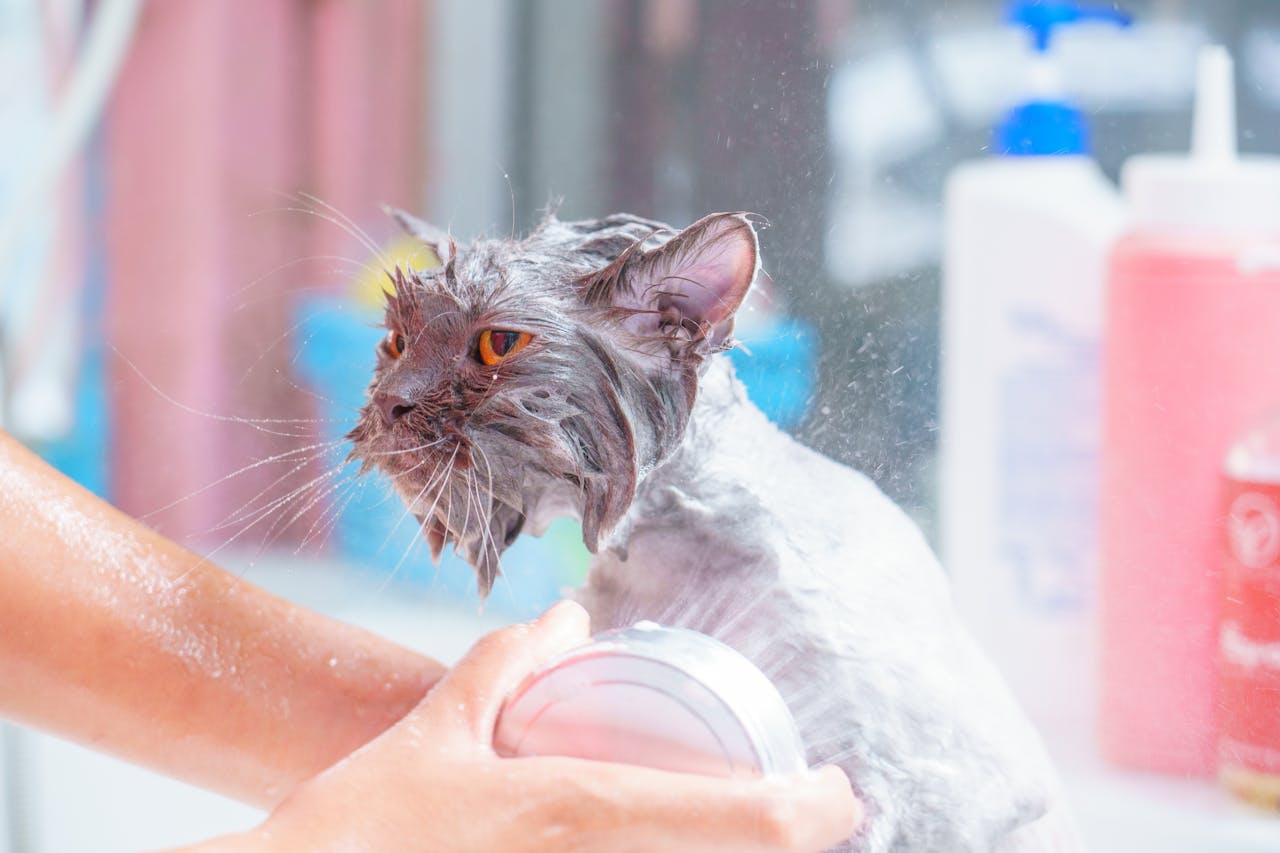
Ever found yourself facing hissing, scratching, and desperate attempts to escape whenever a bath appears on the horizon? You’re not alone. For many cat owners, the thought of bathing their fluffy companion is a source of genuine dread. But did you know there are proven methods that can transform this stressful procedure into a much calmer process? The right preparation and an understanding of feline psychology are your keys to success. You can read more about this on Tvaryny.
This article is your detailed guide to grooming cats who are afraid of water. We’ll cover everything from whether your cat actually needs a bath, to step-by-step instructions that minimise stress for both of you, and effective alternatives to a traditional wash. Our goal is not just to help you clean your cat, but to preserve your sanity and the trusting relationship you share with your pet.
Does Your Cat Really Need a Bath?
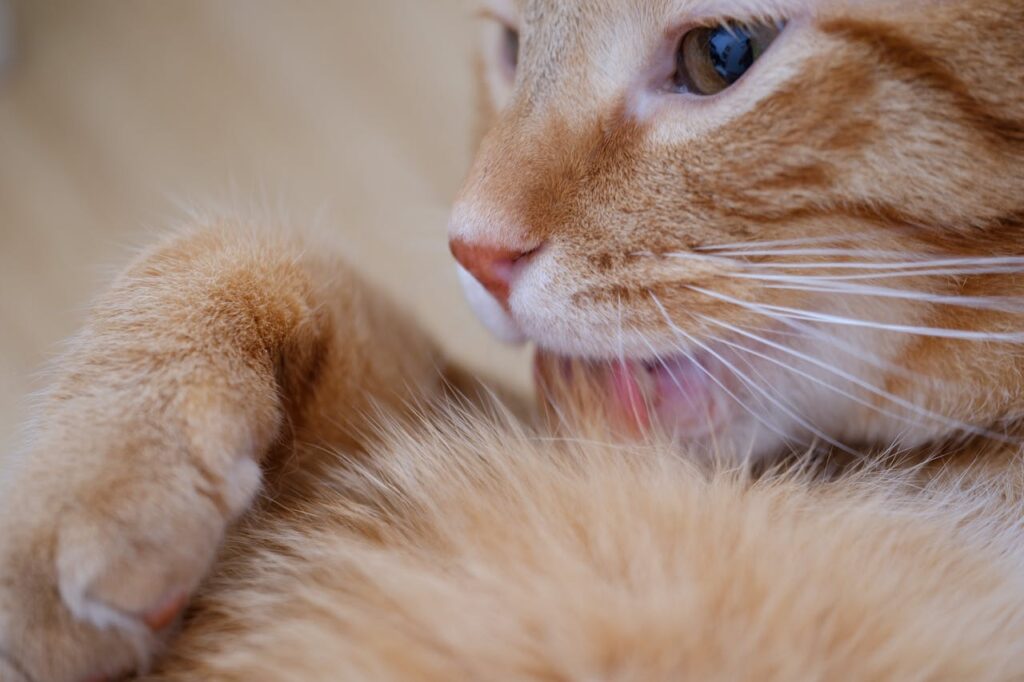
Before you get the towels ready, let’s pause and ask the most important question: Is there a real need for a bath? Contrary to popular belief, most cats are masters of cleanliness and handle their own hygiene perfectly well. Their rough tongue acts like an ideal brush, removing dirt and dead hair. However, there are situations where human intervention is necessary.
- Medical reasons: Certain skin conditions, allergies, or parasites (such as fleas) require the use of medicated shampoos prescribed by a vet.
- Heavy soiling: If your cat has gotten into something toxic, sticky, or oily (like engine oil or paint) that they can’t safely lick off, a bath is essential.
- Old age or obesity: Older cats or overweight pets often lose flexibility and can’t reach all areas of their body for thorough self-grooming.
- Long-haired breeds: Breeds like Persians or Maine Coons may need occasional washing to prevent matting and keep their coat in good condition.
- Hairless cats: Breeds such as the Sphynx require regular bathing to remove skin oil that builds up due to the lack of a coat.
Conclusion: If your short-haired domestic cat is healthy, active, and looks clean, a forced bath may cause more harm (in the form of stress) than good. Assess the situation rationally and don’t be guided by the myth that all cats need to be bathed.
The Preparation Phase: 90% of Success Against the Fear of Water
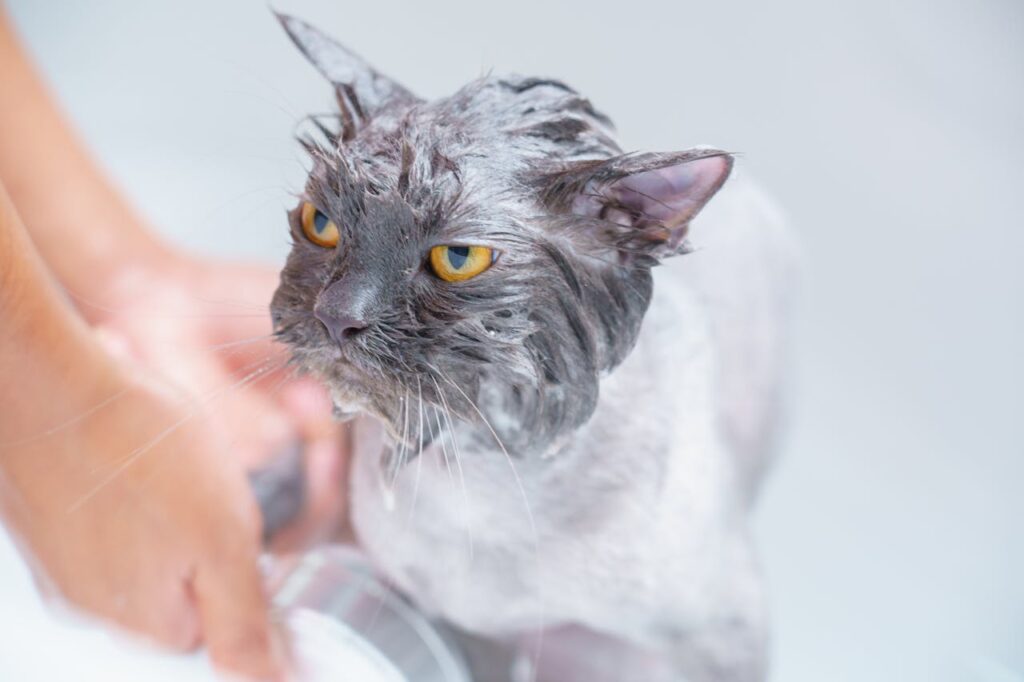
If you’ve concluded that a bath is inevitable, remember this: the right preparation is your main weapon. An attempt to bathe a cat spontaneously, without prior preparations, is almost guaranteed to end in failure. Cats fear water not so much because of the liquid itself, but because of the suddenness, loud noises, and the feeling of losing control.
1. Create a Zen Atmosphere
Your emotional state is transferred to your pet. If you’re nervous, your cat will sense it and start panicking too. Before the procedure, try to calm down: turn on some quiet, relaxing music, and speak to your cat in a gentle, monotonous voice. Close the bathroom door to limit escape routes and create an isolated, controlled space.
2. Prepare Everything in Advance
Imagine holding a wet, struggling cat with one hand while frantically searching for shampoo with the other. This is a recipe for disaster. Lay out everything you need within easy reach before you bring the cat into the bathroom.
- Special cat shampoo: NEVER use human shampoos. Their pH level is unsuitable for a cat’s skin and can cause severe irritation.
- Several large towels: Lay one on the bottom of the bath or sink (to prevent slipping), use the second for drying, and the third for wrapping your cat afterwards.
- A small jug or cup: Rinsing your cat with a showerhead is too loud and scary. Use a jug for a gentle and controlled rinse.
- A small cloth or cotton pads: For cleaning your cat’s face, where water and shampoo should not go.
- Rubber gloves (optional): These will protect your hands from potential scratches.
- Your cat’s favourite treats: For positive reinforcement after the procedure.
3. Choose the Right Time
Don’t start bathing when your cat is full of energy and playful. The best time is when they are relaxed and sleepy, for example, after a meal or a vigorous play session. A tired cat is a more cooperative cat.
4. Prepare Your Cat in Advance
A few hours before the bath, thoroughly brush your cat to get rid of dead hair and any small tangles. This will make the washing process much easier. It’s also a good idea to trim their claws a day or two before the procedure to minimise potential injuries to you.
Step-by-Step Instructions: How to Bathe Your Cat Without Stress
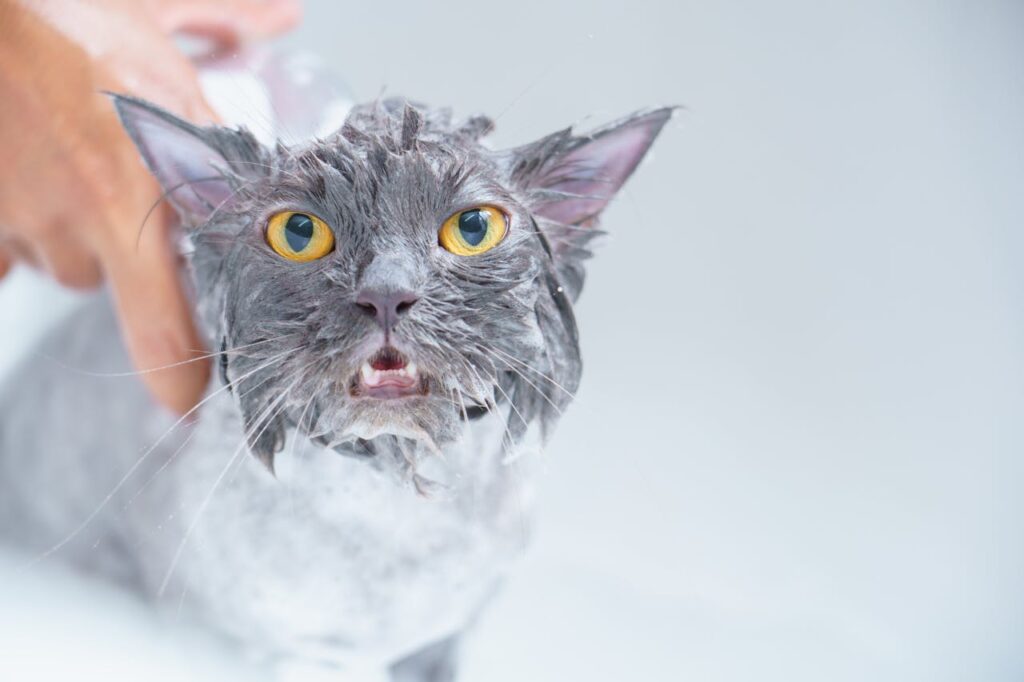
So, everything is ready, you are calm, and the cat is dozing. Time to act. Remember: your goal is speed, efficiency, and minimal drama.
- Bring the cat in and calm them down. Hold your cat, speak to them gently, and scratch them behind the ear. Once in the bathroom, close the door. Give them a minute to look around.
- Run the water. Do this before you place the cat in the bath. The sound of running water can scare them. Fill the bath with 5-10 cm of warm (not hot!) water. The temperature should be comfortable, similar to a baby’s bath (~37°C).
- Carefully place the cat in the water. Stand over the bath, holding the cat firmly but gently by its front paws and chest. Slowly lower its back legs, then its front legs onto the towel at the bottom. Continue to speak to them in a calm voice throughout the entire process.
- Wet the coat. Using a jug or cup, carefully pour water over the cat, starting from its back and shoulders and moving towards its tail. Avoid getting water on its head, in its eyes, and ears! This is the most common cause of panic. Keep its head slightly raised.
- Apply the shampoo. Apply a small amount of shampoo to the back and gently massage it over the body in the direction of hair growth. Work quickly but without sudden movements.
- Rinse thoroughly. This is the most important step. Shampoo residue can cause skin irritation. Use the jug with clean water again (you may need to change the water in the bath) to completely rinse away the suds. Make sure you’ve rinsed the belly and the areas under the legs.
- Clean the face. Take a damp cloth (no soap!) or a cotton pad and gently wipe the face and the outside of the ears if needed.
- The final flourish: drying. Once you’re sure the shampoo is completely rinsed out, carefully lift the cat out of the bath and immediately wrap it in a large, dry towel.
After the Bath: Drying and Rewarding
Blot the coat dry with a towel, don’t rub it to avoid tangling. If you have a long-haired cat, you may need to use several towels. Most cats are terrified of the sound of a hairdryer, so it’s best to avoid using one. If a hairdryer is still necessary (for show animals), use a low-noise model on the lowest temperature and power setting, and get them used to the sound beforehand.
Leave the cat in a warm, draught-free room until it is completely dry. And most importantly — praise them lavishly! Give them their favourite treats and play with them. It’s vital that their last memories of the procedure are positive.
What If Nothing Helps? Alternatives to Bathing
Sometimes, despite all efforts, a cat is so afraid of water that bathing turns into torture for everyone. In such a case, it’s worth considering alternative grooming methods that don’t require full immersion in water.
- Dry shampoo for cats: This is a powder or spray that is applied to the coat, absorbs dirt and oil, and is then brushed out. It’s a great option for localised cleaning or freshening up the coat between full baths. Choose products specifically developed for cats.
- Pet wipes: Hypoallergenic, unscented wipes soaked in a special solution are ideal for a quick clean of paws, faces, or small soiled areas. Always keep a pack at home.
- Thorough brushing: Regular (ideally daily) brushing is the best way to maintain coat cleanliness, prevent tangles, and stimulate skin circulation.
When Should You See a Professional?
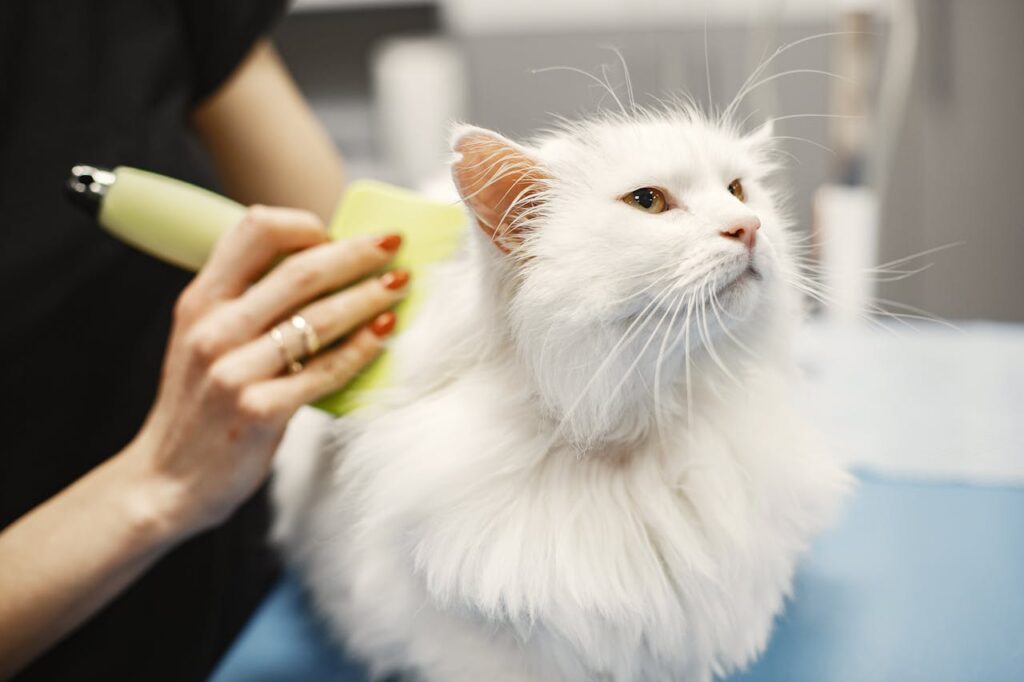
If your cat is very aggressive, you’re afraid of harming them or getting hurt yourself, or if the soiling is too severe (e.g., paint), the best solution is to turn to a professional groomer. They have the experience, specialised equipment (e.g., restraint collars, special baths), and skills to get the job done quickly and safely. In the UK, a professional grooming session can cost anywhere from £40 to £80, depending on the city and the services required. Also, if the need for a bath is due to medical issues, consult your vet—it may be better to have the procedure done at a clinic.
Conclusion: Patience and Love Are Your Best Tools
Bathing a cat that hates water is a true challenge, but it’s not an impossible mission. The key takeaway from this guide is to change your approach: instead of “fighting” with your cat, you learn to “cooperate” with them, minimising their fear. Remember the main principles: thorough preparation, a calm atmosphere, speed, efficiency, and positive reinforcement. And most importantly, always put your pet’s well-being and emotional state first. Sometimes, the best bath is the one you managed to avoid.