

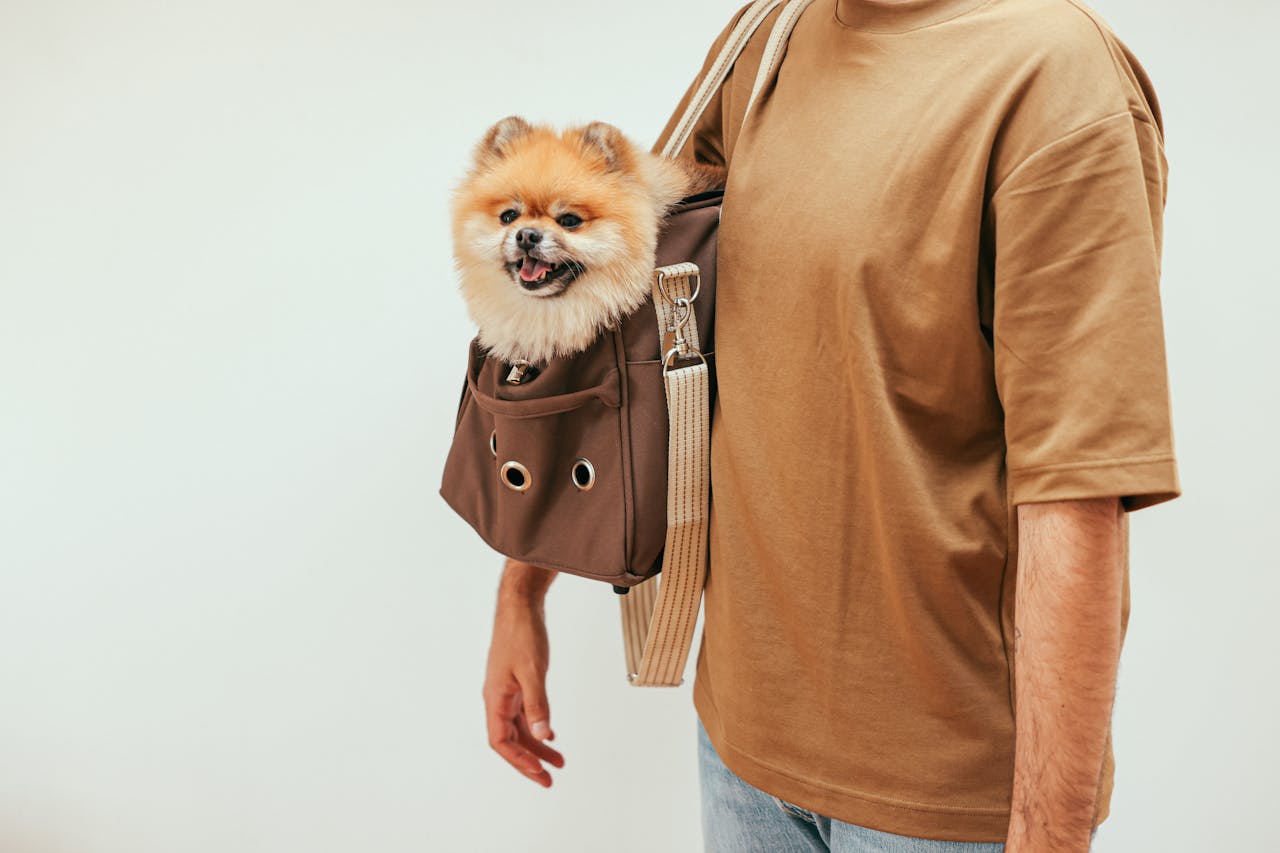
Travelling with our four-legged friends always brings a host of bright emotions and unforgettable experiences. However, to ensure the journey is comfortable and safe for both you and your pet, choosing the right carrier is key. It’s not just an accessory, but a veritable mobile home for your dog or cat during your travels. How responsibly you approach this will determine your pet’s peace of mind, its safety, and ultimately, the success of the entire trip. Many pet owners face difficulties when choosing, as the market offers a plethora of options. Don’t worry, you can find out more on Tvaryny, where we’ll explain in detail how to navigate this variety and pick the best option.
In this article, we’ll look at the main types of pet carriers, the criteria to consider when choosing one, how to prepare your pet for travelling in a carrier, and common mistakes to avoid. Our aim is to help you make an informed choice so that every journey you take together is filled with only positive moments.
Why is the right pet carrier key to a peaceful journey with your pet?
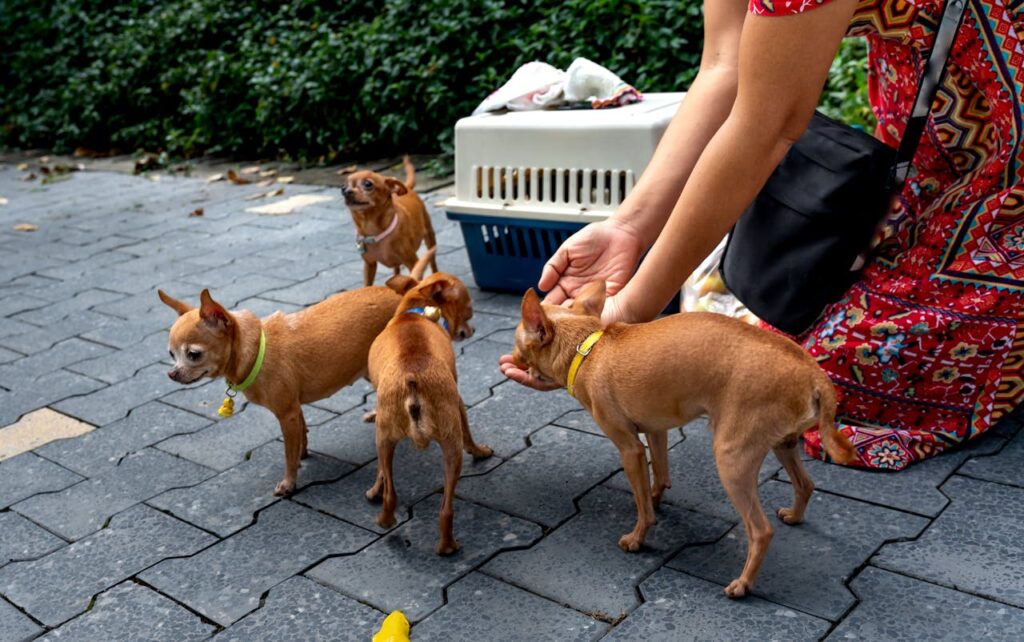
You might think that any bag, or even just your arms, will do for a short trip to the vet or a jaunt to the countryside. However, this is a big mistake that could cost your pet its health and peace of mind. A well-chosen carrier performs several crucial functions:
- Pet Safety: In a car, an unrestrained pet can be seriously injured or injure passengers during sudden braking or an accident. A carrier securely holds your pet, protecting it from impacts and unforeseen situations. On public transport or улице, it prevents escapes, attacks from other animals, or simply stress from crowds.
- Comfort and Stress Reduction: For many pets, their own carrier is a familiar and safe place, a kind of “den”. In unfamiliar surroundings, during transport, having such a refuge significantly reduces stress and anxiety levels. It’s important that the carrier is spacious enough, well-ventilated, and comfortable.
- Compliance with Carrier Requirements: If you plan to travel by plane, train, or bus, having a suitable carrier is a mandatory requirement for most transport companies. Rules can vary significantly, so it’s important to familiarise yourself with them fatores to avoid unpleasant surprises at boarding.
Main Types of Pet Carriers: Which to Choose?
The pet products market offers a huge selection of carriers, differing in material, design, size, and purpose. Let’s look at the most popular types, their pros, and cons.
Soft Carriers (Carrier Bags)
These are perhaps the most common option for cats and small dogs. They are made from durable fabrics (nylon, polyester) and often have frame inserts to maintain their shape. Some models are equipped with extra pockets for small items, and mesh windows for ventilation and visibility.
- Advantages: Lightweight, compact when folded (easy to store), relatively inexpensive. Many models have a stylish design. Pets usually find them soft and cosy. Often permitted for transporting pets in aircraft cabins (if they meet the airline’s size requirements).
- Disadvantages: Offer less protection from impact compared to plastic counterparts. They can get wet and are harder to clean of dirt and odours. Not suitable for aggressive or very active animals that might chew through the fabric or damage the zip.
- When they’re suitable: Ideal for short trips around town, visits to the vet, car journeys, or public transport if the pet is calm. Also suitable for in-cabin flights if the pet’s weight вместе with the carrier doesn’t exceed the airline’s set limits (usually up to 8-10 kg).
Plastic Carriers (Crates)
These are rigid containers, usually made of durable plastic, with a metal grille door. They provide reliable protection and are often the only option permitted for transporting animals in an aircraft’s cargo hold.
- Advantages: High strength and durability, excellent protection against mechanical damage. Easy to wash and disinfect. Well-ventilated thanks to openings in the walls and door. Comply with IATA requirements for air travel (check the certification of the specific model).
- Disadvantages: Bulkier and heavier compared to soft carriers. May be less comfortable for the pet without additional soft bedding. Take up more storage space.
- When they’re suitable: The optimal choice for long journeys, especially by plane (both in the cabin and in the hold), train, or car. Indispensable for transporting active, large, or anxious pets that need secure confinement.
Metal Crate Carriers
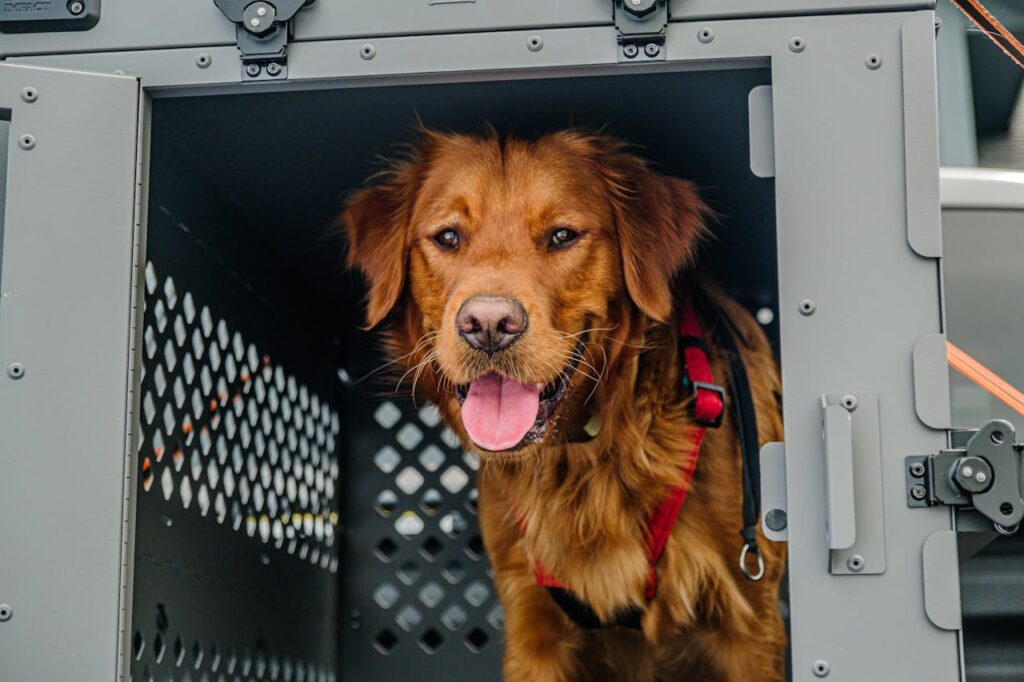
Such crates are more often used for medium and large breed dogs, especially for shows or for extended periods during travel. They provide maximum ventilation and visibility.
- Advantages: Very strong and reliable. Ensure excellent air circulation. Some models fold簡単に for transport or storage.
- Disadvantages: Can be heavy. Less cosy for the pet without thick bedding and a cover to create a “den-like” feel. Not always convenient for carrying by hand.
- When they’re suitable: For car journeys with large dogs, for attending shows, for temporarily housing a pet in a hotel or outdoors. Some airlines may accept special reinforced metal crates for transporting particularly large or strong dogs.
Backpack Carriers
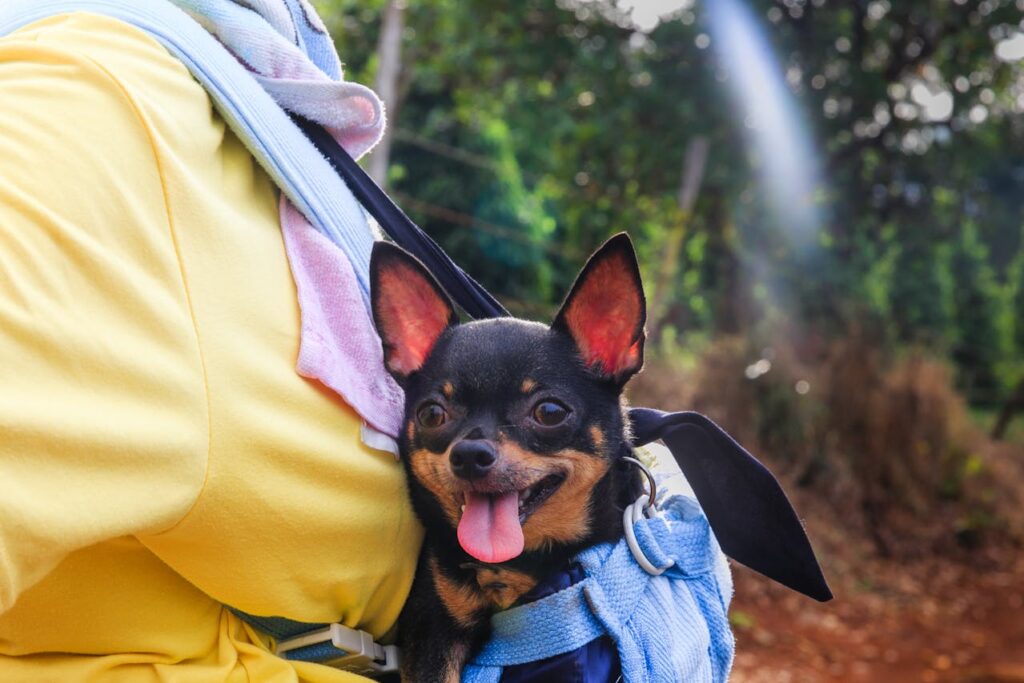
A modern and convenient option for owners of cats and small dogs (up to 5-7 kg). They allow you to carry your pet on your back, freeing up your hands.
- Advantages: Even weight distribution on the owner’s back. Good visibility for the pet (many models have transparent portholes or mesh inserts). Leaves hands free, which is convenient for walks or trips on public transport.
- Disadvantages: Limited by the pet’s size and weight. Not all pets enjoy this mode of transport. It’s important to pay attention to the quality of ventilation and the rigidity of the base.
- When they’re suitable: For short walks, trips to the vet, or journeys on urban transport with small and calm pets.
Wheeled Carriers (Pet Strollers/Trolleys)
Externally, they resemble a small suitcase with an extendable handle and wheels. Designed to facilitate the transport of medium-sized pets, especially in airports or train stations.
- Advantages: Significantly ease the transport of heavier pets, taking the load off your hands and back. Usually have good ventilation and viewing windows.
- Disadvantages: Can be bulky and not very manoeuvrable on uneven surfaces or in narrow passages. It’s important that the wheels are high-quality and reliable. The pet may feel vibrations from the wheels, which isn’t always comfortable.
- When they’re suitable: For air travel (if they meet hand luggage requirements), train journeys, and for moving through large stations, airports, or exhibition centres.
Key Criteria for Choosing the Ideal Pet Carrier
Regardless of the type of carrier, there are a number of universal criteria you need to consider to ensure maximum comfort and safety for your pet.
Pet Size and Weight – The Absolute Basics
This is the most important parameter. The carrier shouldn’t be too snug, nor too spacious.
- How to measure your pet correctly:
- Length: From the tip of the nose to the base of the tail (not the tip of the tail). The pet should be standing.
- Height: From the floor to the top of the head or the tips of the ears (if the ears are erect), when the pet is sitting or standingまっすぐ.
- The Comfort Rule: The pet should be able to stand at its full height (without its head touching the ceiling), sit, lie down in a natural position, and turn around easily inside the carrier. For air travel, it’s often recommended to add 10-15 cm to the pet’s length and 5-10 cm to its height to determine the minimum internal dimensions of the carrier.
- Carrier Weight and Maximum Load: Consider not only the weight of the pet itself but also the weight of the carrier, especially if you plan to carry it by hand or take it into an aircraft cabin, where there are overall weight restrictions. Ensure the carrier is designed for your pet’s weight.
Approximate Carrier Size Guide by Pet Weight:
| Carrier Size (approx.) | Approx. Pet Weight | Example Breeds (Dogs/Cats) |
|---|---|---|
| XS (Very Small) | Up to 3-4 kg | Chihuahua, Toy Terrier, Yorkshire Terrier (mini), kittens, small cats |
| S (Small) | 4-7 kg | Pomeranian, Papillon, Maltese, most adult cats |
| M (Medium) | 7-12 kg | Jack Russell Terrier, Dachshund, Pug, French Bulldog, large cats (Maine Coon) |
| L (Large) | 12-20 kg | Beagle, Cocker Spaniel, Bull Terrier (mini), small shepherd dogs |
| XL (Very Large) | 20-35 kg | Labrador, Boxer, Siberian Husky (check airline specifics) |
| XXL (Giant) | Over 35 kg | Large dog breeds (requires special solutions and verification with carriers) |
Type of Journey and Mode of Transport
The requirements for a carrier depend significantly on where and how you are travelling.
Car Journeys
Safety is paramount. The carrier must be securely fastened on the back seat using seat belts or special attachments. This will prevent the pet from moving around the cabin and getting injured during sudden manoeuvres. Ensure the carrier is well-ventilated and not in direct sunlight.
Air Travel: The Strictest Requirements
The air transport of animals is regulated by the rules of IATA (International Air Transport Association) and the specific airline. It is essential to contact the airline well in advance (several weeks or even months before the flight) to clarify all details: whether your breed can be transported, requirements for documents, carrier size and type, and service cost.
- Carrier in the Cabin (Pet in Cabin – PETC):
- Usually permitted for pets weighing up to 8-10 kg (including the carrier).
- Carrier dimensions are strictly limited and must allow it to be placed under the seat in front. Check dimensions with the airline!
- Most often, these are soft or semi-rigid carrier bags with a waterproof base and good ventilation. Some airlines also permit small plastic crates.
- The pet must remain in the carrier for the entire flight.
- Carrier in the Hold (Animal in Hold – AVIH):
- For pets whose weight exceeds the limits for the cabin.
- The requirements for the container are very strict:
- Usually sturdy plastic crates (fibreglass, rigid plastic) with metal doors. Some airlines require doors to have metal bars, not plastic ones.
- The design must prevent the animal from escaping. Screws connecting the top and bottom parts of the crate must be metal (plastic clips are often forbidden).
- A reliable central locking mechanism on the door that cannot be accidentally opened.
- Good ventilation on at least three sides (some require four).
- A waterproof base, covered with absorbent material (special mats, pads).
- Presence of internally fixed bowls for water and food, accessible from the outside without opening the door (not always mandatory, but desirable).
- No wheels (if present, they must be removed or locked).
- Correct labelling: “Live Animals” stickers, “This Way Up” stickers, owner’s contact details.
- Strictly forbidden: wooden crates, wire mesh crates, cardboard boxes.
Always buy an IATA-certified carrier if you plan to fly. But remember, the final decision on allowing the pet انرژی board rests with the airline, so their rules take precedence.
Train or Bus Journeys
Rules for transporting animals on trains and buses also vary by country and operator. Usually, cats and small dogs require a carrier 얼굴 allows it to be placed in the hand luggage area or under a seat. Large dogs may require a muzzle, lead, and a separate ticket, and sometimes even booking an entire compartment (on trains). Clarify these points in advance.
Carrier Material and Construction
- Strength and Durability: The carrier should be made from high-quality, non-toxic materials resistant to wear, scratches, and your pet’s teeth. Seams, fastenings, and zips must be reliable.
- Ease of Cleaning: It’s important that the carrier can be easily washed and disinfected, especially after long journeys or if the pet gets travel sick. Plastic crates are the most practical in this regard. For soft carriers, machine washability or a removable cover/lining is desirable.
- Presence of Metal Doors and Secure Locks: Particularly relevant for plastic crates and metal cages. Locks should prevent accidental opening by the pet from the inside.
Ventilation – A Guarantee of Comfort
Good air circulation is vital for a pet in a carrier, especially in warm weather or during long periods of transport. Ensure there are enough ventilation holes or mesh panels, positioned to provide a flow of fresh air, but without draughts. For air travel, IATA clearly regulates the minimum area for ventilation openings.
Safety Above All Else
- Absence of Sharp Corners and Protruding Parts: The carrier must be safe inside so the pet cannot injure itself.
- Reliable Locks and Fastenings: Zips on soft carriers should have safety catches so the pet cannot open them. Doors on plastic crates should have secure latches.
- Ability to Secure the Carrier with a Seatbelt in a Car: Many models have special loops or slots for threading a car seatbelt. This is a very important feature for safety during car journeys.
- Reflective Elements: For carriers used in the dark, such as backpacks, this can be an added bonus.
Additional Conveniences and Accessories
Although these are not primary criteria, some additional features can significantly enhance the comfort of using a pet carrier:
- Pockets for Small Items: Convenient for storing a lead, treats, pet passport, and wet wipes.
- Removable Soft Bedding: Provides comfort for the pet and is easy to wash.
- Ability to Attach a Water Bottle or Food Bowl: Especially relevant for long journeys and flights (special travel bowls that attach to the door).
- Soft Handles and Shoulder Strap: Reduce discomfort for the owner when carrying. The shoulder strap should be adjustable and have a soft pad.
- Multiple Entrances/Exits: Some soft carriers have top and side openings, which can be more convenient for getting the pet in.
How to Prepare Your Pet for Travelling in a Carrier
Buying the ideal carrier is only half the battle. It’s very important to prepare your pet for it properly to avoid stress and negative associations.
Gradual Familiarisation – The Key to Success
Never force your pet into a new carrier right before a journey! This can cause panic and a lasting fear. Familiarisation should be gradual and positive:
- Introduction: Leave the new carrier open in a room where your pet spends a lot of time. Allow it to sniff and explore the new object on its own.
- Creating Comfort: Place your pet’s favourite bedding, a familiar toy, or even an item with your scent inside. This will help create a sense of security.
- Positive Reinforcement: Encourage any interest in the carrier. Place treats near the entrance, then inside. Praise and stroke your pet when it goes into the carrier.
- Short “Sessions”: When your pet starts to go inside calmly, try closing the door for a short time (literally a few seconds), then open it immediately and offer a treat. Gradually increase the time spent in the closed carrier while you are nearby.
- Simulating a Journey: Carry your pet around the flat in the closed carrier. Then try taking it outside, placing it in the car (without starting the engine). Each stage should be accompanied by positive reinforcement.
Creating Positive Associations
It’s important that the carrier is associated in your pet’s mind not only with journeys (which can be stressful, e.g., to the vet) but also with something pleasant.
- Feeding in the Carrier: Try occasionally feeding your pet directly in the carrier (with the door open).
- Playing Nearby: Play with your pet near the carrier, toss toys inside.
- Use as a Resting Place: If the carrier is comfortable enough, some pets will choose it as a place to sleep or rest at home.
What to Take on the Journey for Your Pet’s Comfort
Besides the carrier itself, for a comfortable journey for your pet, you will need:
- Favourite Bedding or Blanket: A familiar scent will help your pet feel calmer.
- Absorbent Pads: In case of “accidents”, especially during long journeys. It’s best to line the bottom of the carrier with them.
- A Small Amount of Familiar Food and Clean Water: For long journeys. Ensure you have travel bowls (collapsible or those that attach to the carrier). Do not feed your pet immediately before the journey to avoid travel sickness.
- Paper Towels and Wet Wipes: For hygiene purposes.
- Favourite (Safe) Toys: Can distract and calm your pet.
- Pet Passport and Other Necessary Documents: Especially for travel abroad or on public transport. Clarify the list of required documents in advance.
- Calming Products (as prescribed by a vet): If your pet is very anxious or dislikes travelling, consult your vet about safe calming products (e.g., based on pheromones or plant extracts). Never give human medication!
- Lead and Collar/Harness: Even if your pet is travelling in a carrier, these will be needed during stops or upon arrival.
Common Mistakes When Choosing and Using a Pet Carrier
To avoid disappointment and problems, pay attention to common mistakes made by pet owners:
- Buying a carrier “to grow into” or one that’s too small: Both are bad. In a carrier that’s too large, the pet can be jostled around during movement, which is dangerous. In one that’s too small, it will be uncomfortable and unable to change position.
- Ignoring airline requirements: This can lead to you simply not being allowed on the flight with your pet. Always check the current rules of the specific carrier.
- Using a carrier without first familiarising the pet with it: The first journey in an unfamiliar “box” can be highly stressful.
- Leaving a pet in a carrier in the sun or in a stuffy car: This can lead to heatstroke and the death of the animal! Always monitor temperature and ventilation.
- Incorrectly securing the carrier in a car: An unsecured carrier can become a projectile in a road traffic accident.
- Skimping on quality: A cheap, low-quality carrier can break at the most inconvenient moment and will not provide adequate safety and comfort.
- Choosing a carrier based solely on appearance: Design is a nice bonus, but safety, functionality, and comfort for the pet should come first.
Conclusion: The Ideal Carrier – An Investment in Peace of Mind and Safety
Choosing the ideal carrier for your dog or cat is a responsible task that requires attention to detail and consideration of your pet’s individual characteristics and your planned journeys. Remember, a well-chosen carrier is not just a convenience, but a guarantee of the safety, health, and peace of mind of your four-legged friend on the road. Don’t rush into a purchase; carefully study all options, weigh the pros and cons, and familiarise yourself with carrier requirements.
We hope our advice will help you make the right choice, and every journey together will bring only joy and positive emotions. May your travels with your pets always be comfortable and safe!
FAQ: Common Questions About Choosing Pet Carriers
Question: How often should a pet carrier be replaced?
Answer: The lifespan of a carrier depends on its quality, materials, and intensity of use. Regularly inspect the carrier for damage: cracks in plastic, tears in fabric, faulty zips and locks. If the carrier has become too small for the pet, or if significant damage affecting safety is found, it needs to be replaced.
Question: Can one carrier be used for a cat and a small dog if they are the same size?
Answer: Theoretically, if the carrier is the right size for both pets and provides them with comfort, it is possible. However, consider individual characteristics. Cats can be more sensitive to smells, so if a dog has actively used the carrier, a cat might refuse to enter it. Also, if one of the pets has been ill, it’s important to thoroughly disinfect the carrier before another pet uses it. Ideally, each pet should have its own carrier to which it is accustomed.
Question: How do I clean a pet carrier after a journey?
Answer: Plastic carriers are the easiest to clean: they can be washed with warm water and a mild detergent (safe for animals), then rinsed well and dried. Soft carriers usually have care instructions from the manufacturer. Many can be hand-washed or machine-washed on a delicate cycle (if permitted). Wash removable bedding regularly. After cleaning, be sure to dry the carrier thoroughly before its next use.
Question: My pet panics in the carrier. What should I do?
Answer: Go back to the gradual familiarisation stage. Don’t rush things. Try using calming pheromone sprays (e.g., Feliway for cats, Adaptil for dogs) in the carrier 15-20 minutes before putting your pet inside. Ensure maximum comfort inside (familiar bedding, a toy). Start with very short periods in the carrier, gradually increasing them. If the problem persists, consult a vet or an animal behaviourist for advice.