


Hearing the words “incurably ill” from the vet is one of the toughest moments in any pet owner’s life. Your world crumbles, and your heart aches with pain and helplessness. A thousand questions race through your mind: “What do I do next?”, “How long does he have left?”, “Is he suffering?” During this difficult time, active medical treatment gives way to a special kind of care – palliative care. This isn’t about admitting defeat in the fight against the disease; it’s a conscious choice to prioritise love, comfort, and the dignity of your faithful friend until their last day. Find out more on Tvaryny.
Palliative care for pets is a comprehensive approach focused not on curing the underlying illness, but on maximising the relief of its symptoms, easing pain, and ensuring the highest possible quality of life. It’s a philosophy of care where the priority isn’t the duration of life, but the richness of every single day.
Palliative Care, Hospice, Treatment: What’s the Difference?
It’s important to understand the terminology to correctly structure your care strategy. These concepts are often confused, which can cause unnecessary worry.
- Active Treatment – Aims at the complete recovery of the animal. This includes chemotherapy for oncology, surgery, or courses of antibiotics. The goal is to eliminate the cause of the disease.
- Palliative Care – Can be provided alongside active treatment or after treatment is no longer effective. The main goal is symptom control (pain, nausea, breathlessness) and maintaining comfort. An animal can receive palliative care for weeks, months, or even years.
- Hospice Care – This is the final stage of palliative care, when the prognosis becomes unfavourable and the focus shifts to the final days or weeks of life. The emphasis here is exclusively on comfort and a dignified passing.
The transition to palliative care isn’t about giving up the fight. It’s a shift in objective: we’re no longer fighting the disease, we’re fighting for happy, pain-free moments for our beloved companion.
Key Aspects of Palliative Care: Creating Comfort at Home

Effective care for a sick pet at home is built upon several key principles. Your home needs to become a true sanctuary of calm for your furry friend.
1. Pain Control – Job Number One
This is the single most important aspect of palliative care. Animals often hide their pain – it’s their instinct. Therefore, it’s vital to know the warning signs.
Signs of pain in cats and dogs:
- Behavioural changes: listlessness, reluctance to interact, aggression when touched, hiding away.
- Loss of appetite and interest in water.
- Unusual postures: hunched back, tucked abdomen, unwillingness to lie down.
- Changes in breathing: rapid, shallow breathing.
- Vocalisation: whining, growling, uncharacteristic meowing (especially in cats).
- Excessive licking of a particular area of the body.
Never give your pet human painkillers (Ibuprofen, Paracetamol) – they are toxic! Your vet will select safe and effective medications: Non-Steroidal Anti-Inflammatory Drugs (NSAIDs), opioids, or gabapentin. The main thing is to strictly adhere to the dosing and administration schedule.
2. A Comfortable Environment
Make the surroundings as convenient as possible:
- Soft resting place: Arrange a bed with an orthopaedic mattress or several soft blankets on the floor so your pet doesn’t have to jump.
- Easy access to resources: Food and water bowls, as well as the litter tray (for cats), should be placed near the resting area. For cats, litter trays with low sides can be used.
- Safe movement: If you have slippery floors (tiles, laminate), cover them with mats. A ramp can be used to help them get onto the sofa or bed.
- Peace and quiet: Limit loud noises and the number of guests. Create a peaceful atmosphere where your pet feels secure.
3. Nutrition and Hydration
The appetite of sick animals is often reduced. Your task is to make food as appealing as possible. Offer their favourite meals, warm up wet food to enhance the aroma. The vet may recommend special high-calorie diets or pastes. Sometimes, syringe-feeding without a needle is necessary – do this in small, gentle portions. Always ensure access to fresh water. If your pet isn’t drinking enough, you can add water to their food. Furthermore, understanding your pet’s digestive health can be a game-changer; on our website, you can learn how the gut microbiome affects your pet’s immunity and mood.
4. Hygiene
Frail animals cannot always groom themselves. Help them stay clean. Gently wipe their fur with moist wipes and brush them if it doesn’t cause pain. Keep the area under their tail clean to avoid irritation. Change absorbent pads promptly if your pet uses them. Cleanliness is not just about preventing infections, but also a sign of respect and dignity.
How to Assess Your Pet’s Quality of Life? A Practical Tool
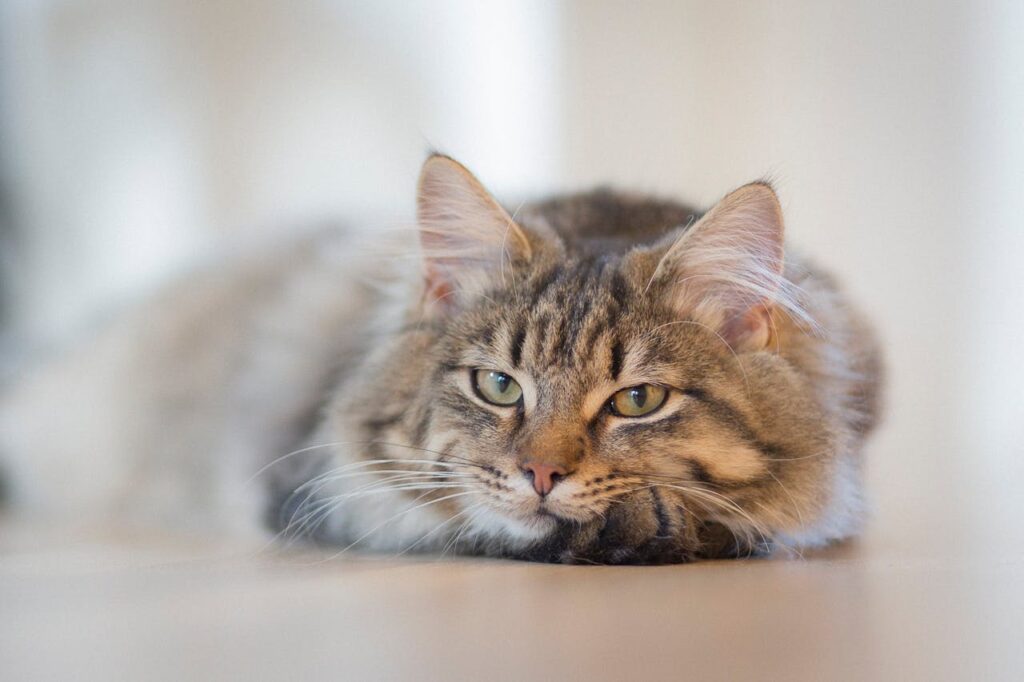
This is the most challenging question for an owner. How do you understand the boundary between a comfortable life and suffering? Vets often use a quality-of-life assessment scale, such as the HHHHHMM scale (Hurt, Hunger, Hydration, Hygiene, Happiness, Mobility, More good days than bad). You can use a simplified version, assessing your pet’s condition daily across several criteria on a scale of 1 (very poor) to 10 (excellent).
- Pain: Is the pain effectively controlled? Are there signs of distress?
- Appetite: Is the animal eating on its own? Is forced feeding required?
- Hydration: Is the animal drinking enough?
- Hygiene: Can the animal keep itself clean? Are there any bedsores or soiling?
- Joy: Does the animal show interest in anything – you, toys, food? Are there moments when it wags its tail or purrs?
- Mobility: Can the animal move around independently? Can it reach the bowls and toilet?
- Day Balance: Does your pet have more “good” days than “bad”?
A logbook of these observations will help both you and your vet remain objective. When most indicators are consistently low, it may signal that suffering outweighs the joy of life.
The Hard Talk: When Is It Time to Let Go?
The decision for euthanasia is the most difficult an owner faces. It is not a betrayal but the ultimate act of love and mercy, allowing you to spare your animal unbearable suffering. Discuss this step with your vet and family. If your pet’s quality of life has dropped to a critical level, pain is uncontrollable, and every day has become agony – it may be time. Humane euthanasia is carried out under deep anaesthetic and is completely painless. The animal simply falls asleep.
Caring for Yourself: The Owner’s Emotional Well-being
Caring for an incurably sick pet is a huge emotional toll. You may feel sadness, anger, guilt, and exhaustion. This is all completely normal. Allow yourself to process these emotions. Don’t be ashamed to cry. Talk about your feelings with loved ones. It’s important to remember: you are doing everything possible. Your love and care are the greatest gift to your friend at this stage. Try to find time for yourself too, to recharge your battries.
Conclusion: Love Until the Last Breath
Palliative care for pets is a journey filled with love and dignity. It’s an opportunity to say “thank you” for years of loyalty and joy. Instead of focusing on the inevitable loss, focus on the present. Create comfort, give affection, and speak kind words. Every pain-free day spent in peace and love is a priceless gift. And remember, you are not alone on this path. Your care is the best manifestation of love there could possibly be.