

When an adult cat, who’s been impeccably using their litter tray for years, suddenly starts leaving “surprises” all over the house, it can spark a whole mix of emotions in owners: from confusion and worry to downright frustration. The first thought is often, “he’s doing this to spite me!” But that’s the biggest mistake you can make. Ignoring the litter tray is almost always a cry for help, a signal of serious health problems or significant stress. Understanding the real reasons is the first step towards solving the problem and bringing harmony back into your home. You can find out more about this on Tvaryny.
In this article, we’ll delve into why your beloved pet might have changed their habits, how to differentiate between medical and behavioural issues, and we’ll put together a clear action plan to help you get the situation under control.
The Most Important Rule: NEVER Punish Your Cat
Before we dive into the reasons, remember this crucial point: don’t shout at your cat, don’t rub their nose in a puddle, and don’t resort to physical punishment. Cats don’t associate punishment with an action that happened even a minute ago. Your aggression will only increase their stress, destroy their trust in you, and can reinforce the undesirable behaviour. Your cat will start to fear you and will look for even more private and hard-to-reach spots for their “business”. The problem won’t be solved, and your relationship will be damaged.
Step 1: Rule Out Medical Causes – A Vet Visit Is Essential
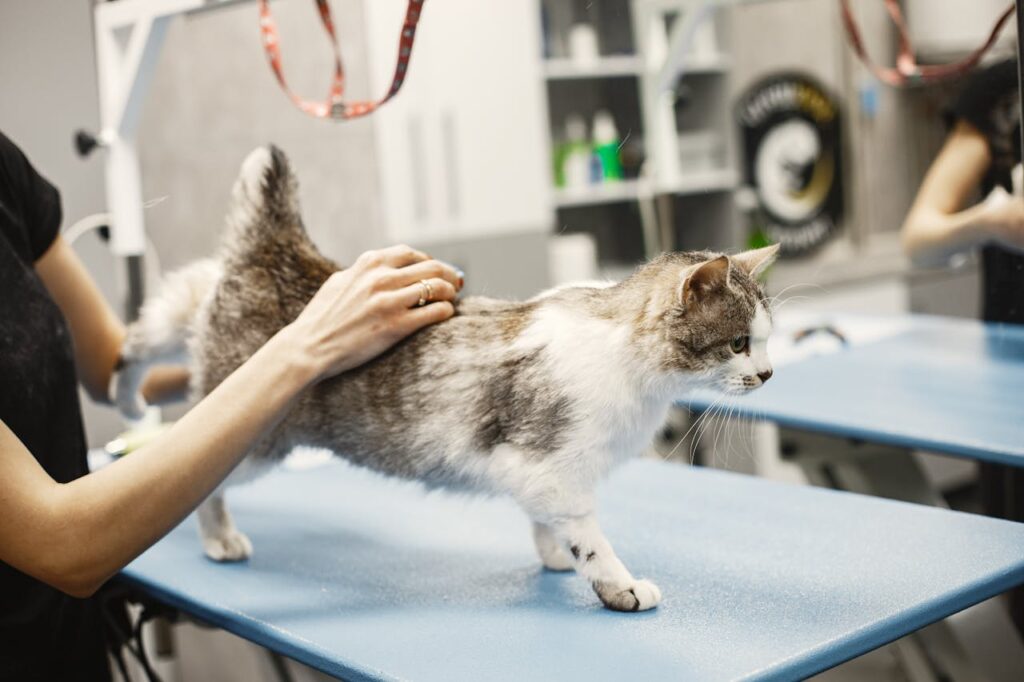
In 8 out of 10 cases of a sudden refusal to use the litter tray, the root of the problem lies in a medical issue. The cat begins to associate their litter tray with pain and tries to avoid it. That’s why the first and most important step should be a visit to the veterinary clinic. Don’t try to diagnose the problem yourself; it could cost your beloved pet their health. A typical vet consultation in the UK can cost anywhere from £40 to £70, but it’s a vital investment in your cat’s well-being.
Common Illnesses Causing Litter Tray Problems in Cats
- Feline Lower Urinary Tract Disease (FLUTD): This is a complex of issues, including idiopathic cystitis (bladder inflammation with no obvious cause), urethritis, crystals, or stones in the bladder (urolithiasis). Every trip to the litter tray is accompanied by sharp pain, and the cat starts to avoid the place associated with it.
- Urinary Tract Infections (UTIs): Bacterial infections cause inflammation, frequent urges to urinate, and pain.
- Arthritis or Joint Pain: This is especially relevant for older cats. High sides on the litter tray can cause the animal physical pain when trying to get in. The cat simply can’t overcome the obstacle and finds an easier place.
- Kidney Problems: Chronic kidney failure leads to an increased volume of urine. The cat might simply not make it to the litter tray in time, or the tray fills up too quickly, making it unappealing.
- Diabetes Mellitus: Similar to kidney disease, this causes intense thirst and an increased volume of urination.
- Constipation or Other Bowel Problems: If it’s painful for your cat to go for a “poo,” they might also start avoiding the litter tray, associating it with discomfort.
Checklist: When to Seek Immediate Vet Attention?
Don’t delay your visit if you notice at least one of these symptoms:
- Your cat frequently goes to the litter tray but comes out dry (or with a few drops).
- Your cat strains intensely, meows, or cries out in the litter tray.
- Blood is visible in the urine (urine is pinkish).
- Your cat has become lethargic, apathetic, and refuses food.
- You’ve noticed excessive licking of the genitals.
- Particularly dangerous for male cats: complete absence of urination for 24 hours. This can indicate a urethral blockage, which is a life-threatening condition and requires immediate veterinary help!
Step 2: Analysing Behavioural and Environmental Causes
If your vet has examined your cat, performed the necessary tests (usually a urine analysis, ultrasound), and concluded that your pet is clinically healthy, it’s time to look for the cause in their environment and psychological state. Here are the main factors to pay attention to.
Problem with the Litter Tray Itself
- Dirty litter tray: This is the most common and simple reason. Cats are exceptionally clean animals. If the litter tray isn’t clean enough, they’ll refuse to use it. Solid waste should be scooped daily, and the entire tray should be washed and the litter changed once a week (or more often, depending on the type of litter).
- Incorrect size: The litter tray should be large enough – ideally, 1.5 times the length of your cat (from nose to the base of the tail). Your pet should be able to turn around freely and comfortably “bury” their business.
- Type of litter tray: Some cats don’t like enclosed litter box houses, as they trap odours and limit escape routes, making the cat feel trapped. Others, conversely, need privacy. If you’ve recently changed the type of litter tray, it might simply not appeal to your pet.
Problem with the Litter Itself
- Unpleasant smell: Many owners buy scented cat litter, thinking it masks odours better. But a cat’s sense of smell is many times stronger than a human’s, and a strong chemical or citrusy scent can deter them. Most cats prefer unscented litter.
- Unpleasant texture: If you’ve switched from your usual wood litter to silica gel or bentonite (or vice versa), the new granules might be unpleasant for your cat’s delicate paws. Some cats dislike the sharp crystals of silica gel.
- Insufficient quantity: The litter layer should be deep enough (3-5 cm) for your cat to dig comfortably.
Problem with the Litter Tray’s Location
- Wrong place: The litter tray should never be placed next to food and water bowls. Cats instinctively don’t relieve themselves where they eat.
- Lack of privacy and security: A litter tray located in a high-traffic area (hallway, centre of the room) where people constantly walk by, children run around, or other animals are present, doesn’t give the cat a sense of security.
- Loud noises: Don’t place the litter tray near a washing machine, dishwasher, or other noisy appliances. Sudden noise can startle the cat in the process, and this negative experience can become ingrained.
Stress and Behavioural Issues in Cats
Cats are creatures of habit, and any changes in their stable world can cause significant stress. One manifestation of stress is precisely the refusal to use the litter tray or territory marking.
- Changes in the home: Moving house, renovations, new furniture.
- Changes in family composition: Arrival of a baby, new partner, guests staying over.
- New animals: The arrival of another cat or dog is a huge source of stress and a battle for resources, including the toilet.
- Conflicts with other animals: Even if animals have lived together for a long time, conflicts can arise between them. Another cat might “guard” the litter tray, preventing the “victim” from using it.
- Change in owner’s daily routine: If you’ve started working more, gone on holiday (leaving the cat with someone else), this can also cause anxiety.
- Territory marking: If a cat is unneutered (or a female cat unspayed), they may start to mark vertical surfaces. This is an instinctive behaviour. However, sometimes even neutered cats start marking due to insecurity or stress. Urine marks usually have a sharper smell and are left on walls, furniture, and doors.
What to Do Right Now: A Step-by-Step Plan

So, you’re facing this problem. Don’t panic. Here’s a clear guide to help you approach the solution systematically.
- Book an appointment with your vet. This is the first and unwavering step. Take a urine sample with you if possible. Ruling out medical causes is the priority.
- Thoroughly clean the “crime scenes”. Don’t use cleaning products with bleach or ammonia – their smell can encourage your cat to return to the same spot. The best option is special enzymatic (fermenting) cleaners from a pet shop. They break down uric acid molecules, completely eliminating the smell rather than just masking it. These can typically cost around £10-£20 in the UK.
- Conduct a litter tray audit. Create ideal conditions, based on the checklist below.
- The “N+1” rule. If you have multiple cats, the number of litter trays should equal the number of cats plus one more (N+1). So, for two cats, you need three litter trays. This reduces competition for resources. The litter trays should be in different locations.
- Make “wrong” spots unattractive. After a thorough clean-up, you can temporarily block access to the spots where the cat has relieved themselves, or put foil, double-sided sticky tape, or a food bowl there.
- Analyse stress factors. Think about what’s changed in your home recently? If stress is the cause, give your cat more attention, play with them, and use calming pheromone diffusers (like Feliway, which usually costs around £20-£30 for a starter kit).
Checklist: Parameters for the “Ideal Litter Tray”
- Quantity: N+1 (where N is the number of cats).
- Size: 1.5 times longer than the cat, sufficiently wide.
- Type: Open, with low sides (especially for elderly cats).
- Litter: Unscented, with a pleasant texture for paws (most cats prefer fine granules that resemble sand).
- Litter depth: 3-5 cm (about 1.5-2 inches).
- Cleanliness: Scooping “solid business” 1-2 times a day, complete change – weekly.
- Location: Quiet, calm, private place, away from food bowls, noisy appliances, and high-traffic areas.
Conclusion
A sudden refusal by an adult cat to use the litter tray is a complex signal, not a sign of naughtiness. Behind it almost always lies pain, illness, fear, or strong stress. Your task as a loving owner is not to punish, but to understand and help. Start with an essential visit to the vet, and then methodically analyse and optimise your home environment.
Remember that resolving behavioural problems can take time and patience. Be consistent, give your cat your love and attention, and they will surely repay you with trust and a return to impeccable manners.