


The dream of a loyal dog greeting you at the door, or a purring cat curled up on your lap, can be shattered by the harsh reality: watery eyes, a runny nose, itching, and endless sneezing. A pet allergy can feel like a final verdict, permanently closing the door to the world of happy pet owners. But is that really the case? Modern science and the experience of thousands of people prove there is a way forward. A whole world of wonderful animals exists, and living with them is possible even for sensitive people. In this comprehensive guide, we’ll bust the myths, delve into the science, and introduce you to the best breeds; find out more on Tvaryny.
We’ll show that an “allergy” diagnosis isn’t a reason to give up on your dream. It’s simply a reason to approach choosing a four-legged friend with more awareness and preparation.
The Main Myth About Allergies: It’s Not the Fur That’s to Blame

The first and most important thing to understand is this: it’s not the dog or cat fur itself that causes an allergic reaction. In 99% of cases, the reaction is triggered by specific protein allergens produced in the animal’s body. They are found in saliva, skin particles (dander), urine, and sweat glands.
- In cats, the main culprit is the protein Fel d 1. It’s produced in the salivary and sebaceous glands. When a cat grooms itself, it spreads this protein all over its fur. The fur and microscopic skin particles then float around the home, settling on furniture and carpets and getting into the air.
- In dogs, the primary allergens are the proteins Can f 1 and Can f 2. The mechanism of spread is similar: saliva and dander get onto the fur, and from there, into the surrounding environment.
That is why a “hypoallergenic” breed isn’t one with no fur, but one that produces less of the allergenic protein or spreads it around less (for example, by not shedding). It’s crucial to remember: 100% non-allergenic animals do not exist. But some breeds significantly lower the risk of a reaction.
Top Hypoallergenic Dog Breeds: From Tiny Tots to Gentle Giants
When choosing dogs for allergy sufferers, it’s worth considering breeds with hair that grows continuously (similar to human hair) and hardly sheds, or wire-haired dogs whose coats need stripping. Skin particles and saliva remain “trapped” in the dense coat and don’t spread so actively.
1. Poodle (All sizes: Toy, Miniature, Standard)
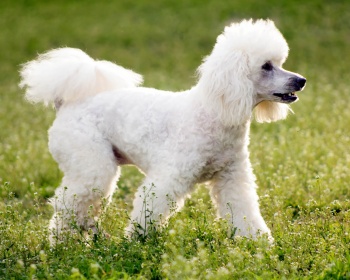
A classic choice, and for good reason. Their curly, dense coat barely sheds. All the dead hair and skin particles get tangled in the curls rather than flying around your flat. However, this requires regular grooming: a trim every 6-8 weeks and daily brushing to prevent matting. Poodles are incredibly intelligent, easy to train, and make wonderful family dogs.
2. Bichon Frise
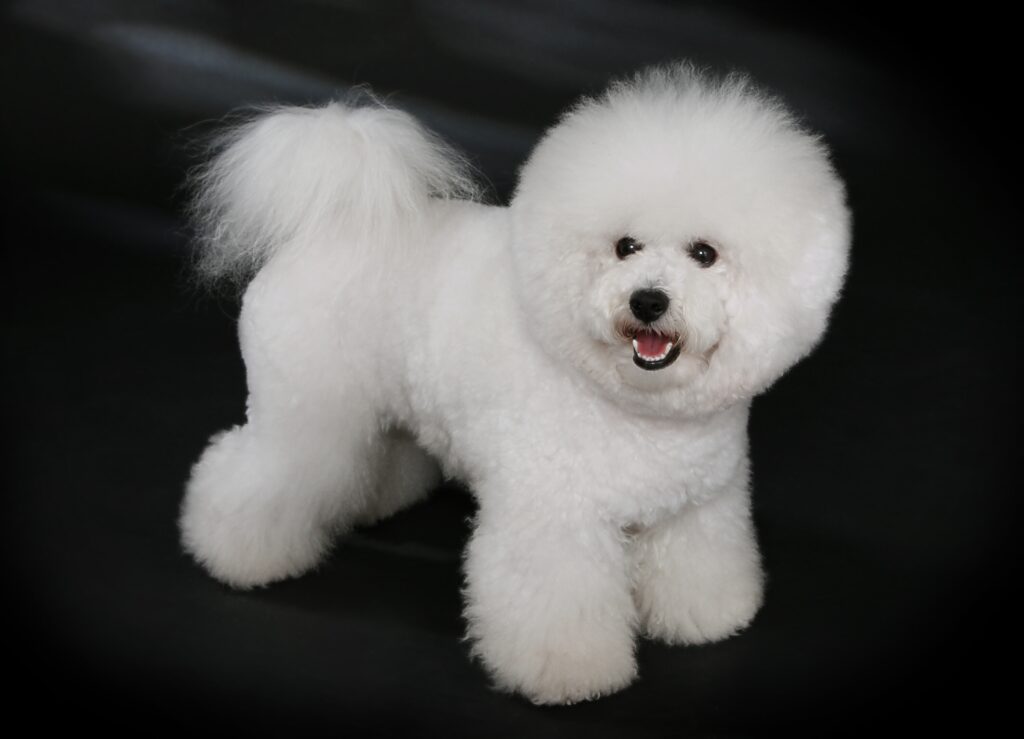
These little white clouds have a dense, double coat that also doesn’t shed in the usual sense. They are playful, affectionate, and perfectly suited for flat living. Like Poodles, Bichons need professional grooming and regular brushing. Their cheerful nature makes them a favourite with the whole family.
3. Schnauzer (Miniature, Standard, Giant)
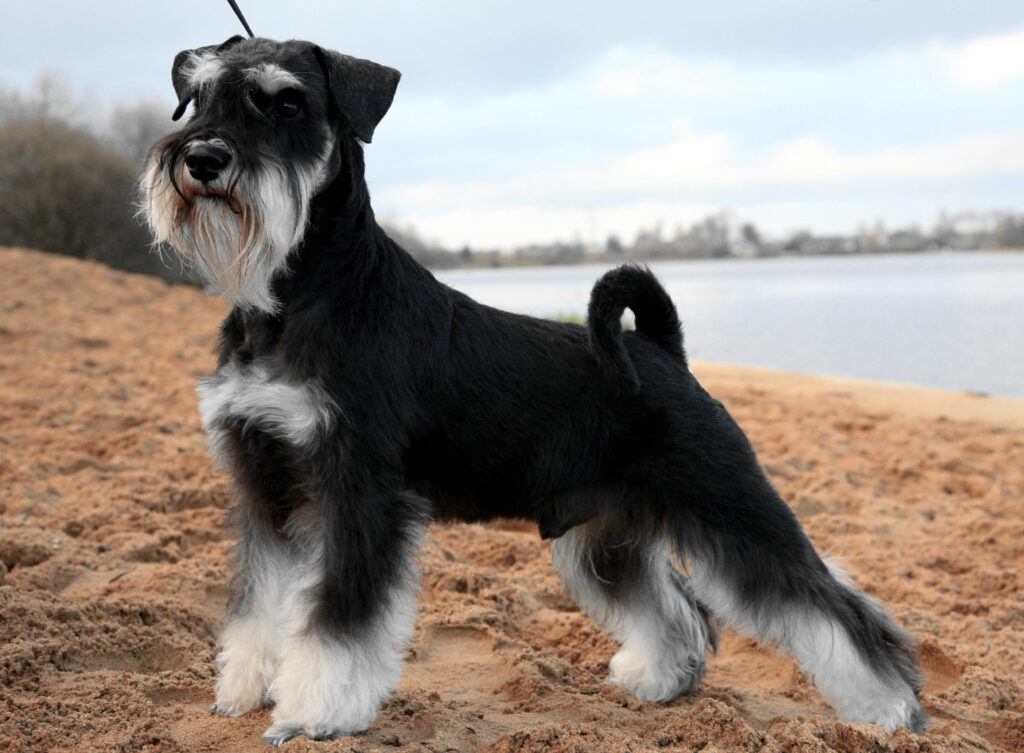
Schnauzers have a harsh, wiry coat that sheds minimally. To maintain healthy skin and fur, they need hand-stripping (plucking out the old coat) 2-3 times a year, rather than clipping. They are energetic, loyal, and bold dogs with a distinct personality. They make excellent guard dogs and loving companions.
4. Portuguese Water Dog
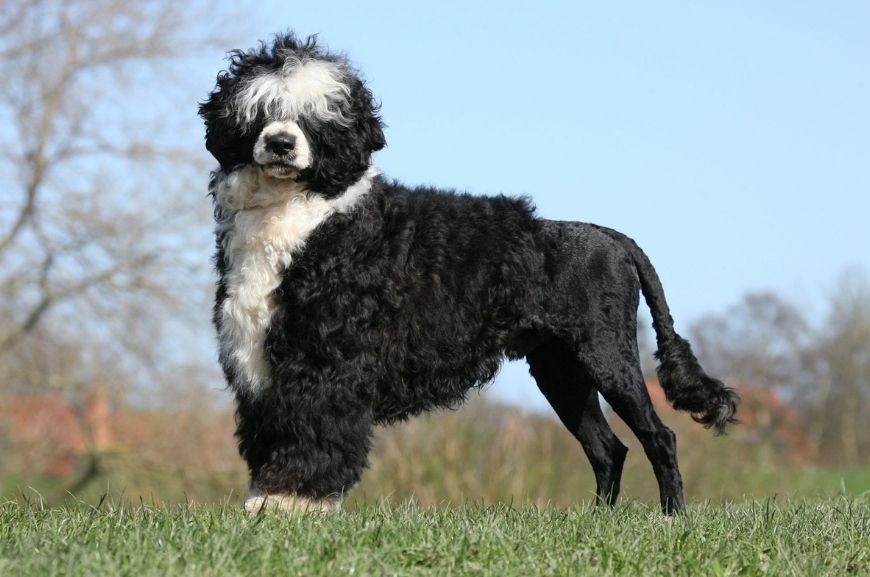
These dogs became famous thanks to the Obama family. They have a single-layered, dense coat that does not shed. They are extremely intelligent, energetic, and love water. Portuguese Water Dogs require significant physical exercise and regular grooming. This is an ideal choice for active people or families prepared to dedicate plenty of time to games and training.
The Best Hypoallergenic Cat Breeds
With cats, the situation is a little different. The key factor here is the amount of Fel d 1 protein produced, as well as the coat type. Some hypoallergenic cat breeds produce significantly less of this allergen, making them a good choice for sensitive people.
1. Siberian Cat
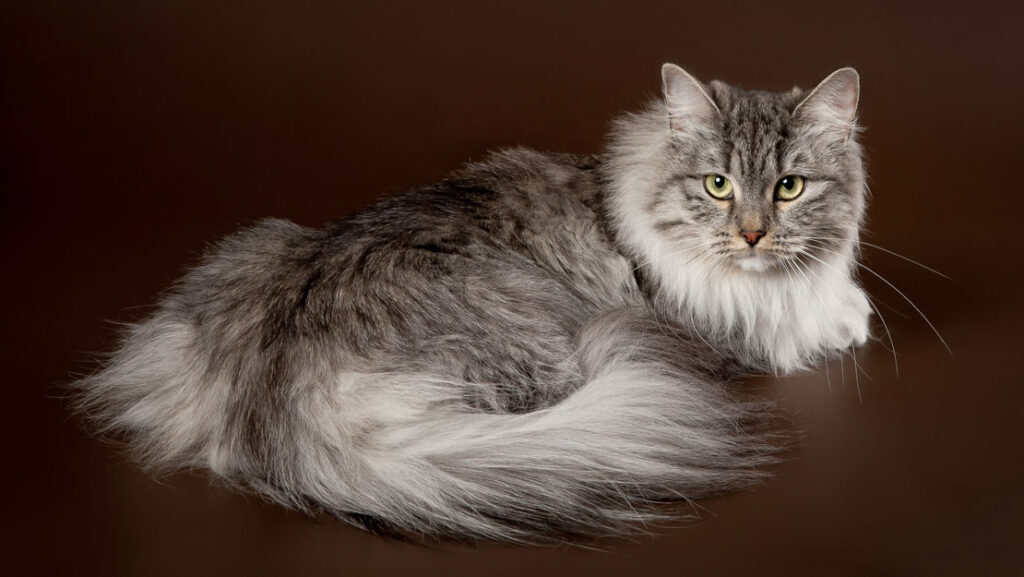
It may seem paradoxical, but these fluffy giants are considered one of the best breeds for allergy sufferers. Research shows that their saliva contains a significantly lower level of the Fel d 1 protein compared to other breeds. Their dense, triple coat also helps to keep allergens close to teh skin. Siberians have a calm, balanced, dog-like temperament and become very attached to their owners.
2. Sphynx
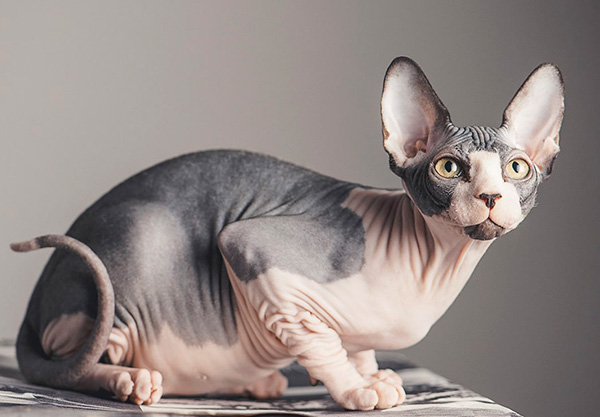
The logic is simple: no fur means nowhere for allergens to accumulate and spread. However, Sphynx cats are not entirely non-allergenic, as the protein is still present on their skin. They require specific care: they need to be bathed or wiped down regularly to remove skin secretions. They are exceptionally social, inquisitive, and affectionate cats who adore being the centre of attention.
3. Cornish Rex and Devon Rex
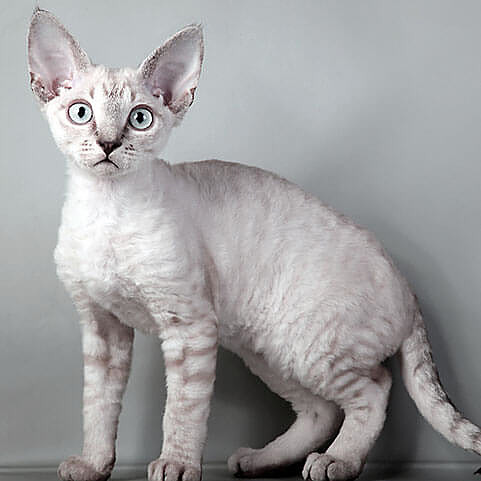
These breeds have a unique curly, very short, and soft coat that consists mainly of an undercoat. They shed far less than typical cats, so allergens don’t spread around the home as much. They are elegant, playful, and very people-oriented. They are often called “elf cats” for their unusual appearance.
The Breed Is Just the Beginning: How Else Can You Reduce Allergens?
Choosing the right breed is 50% of the battle. The rest depends on how you organise your home. Here are a few tips on how to reduce pet allergies even with a hypoallergenic pet:
- Regular Grooming: Frequent brushing (ideally outdoors and not by the allergy sufferer) and regular bathing with special shampoos significantly reduce the amount of allergens on their coat and skin.
- A Clean Home: Hoover regularly with a HEPA filter, which traps the tiniest allergen particles. Mop floors and wash your pet’s bedding at a high temperature.
- Air Purifiers: Investing in a quality air purifier with a HEPA filter will help remove allergens from the air you breathe.
- Pet-Free Zones: Make the bedroom an absolutely forbidden territory for your pet. By spending a third of your life in an allergen-free room, you give your immune system time to rest.
- Remove “Dust Traps”: Heavy curtains, deep-pile carpets, and lots of decorative cushions all accumulate allergens. Replace them with blinds, laminate or tile flooring, and minimalist decor.
Even if you choose the perfect hypoallergenic breed, everyone’s reaction is individual. Before bringing a pet home, it’s essential to spend time with representatives of your chosen breed. Arrange to visit a breeder and play with the puppies or kittens. Ideally, do this several times. This is the only reliable way to check whether a specific animal will trigger a reaction in you.
In Conclusion: An Allergy Isn’t a Verdict, It’s a Call to Action
Living with an allergy requires a more mindful approach to choosing a pet, but it by no means puts an end to the dream. Understanding the real causes of the reaction, choosing the right hypoallergenic breed, and properly organising your living space can work wonders. Hundreds of thousands of allergy sufferers worldwide enjoy the company of their four-legged friends. With the right knowlege and preparation, your dream of having a pet can become a reality.