

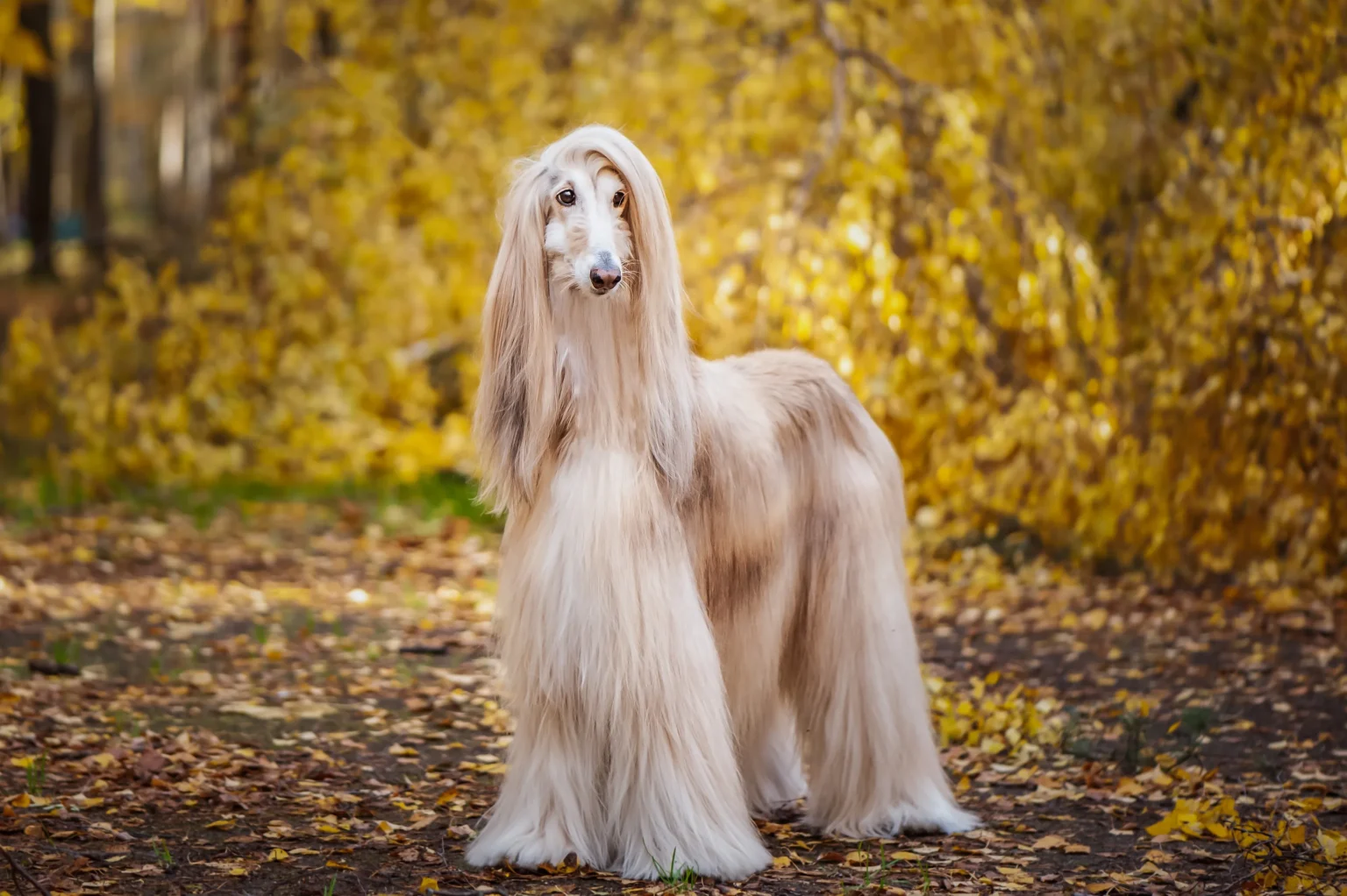
| Height | 60–74 cm |
| Weight | 20–30 kg |
| Lifespan | 12–14 years |
| FCI group | no separate standard (aboriginal type) |
| Origin | Afghanistan / Central Asia |
Exact ratings
Common health issues
Nutrition
The Aboriginal Afghan Hound, or Bakhmull, is a stately and striking dog with a proud, almost regal posture and graceful movements that always capture the attention of those around. Its unusual appearance, combining wild, primordial beauty with aristocratic refinement, draws admiring glances and sparks interest in this unique breed. Find out more on Tvaryny.
The Afghan Hound: Key Breed Characteristics
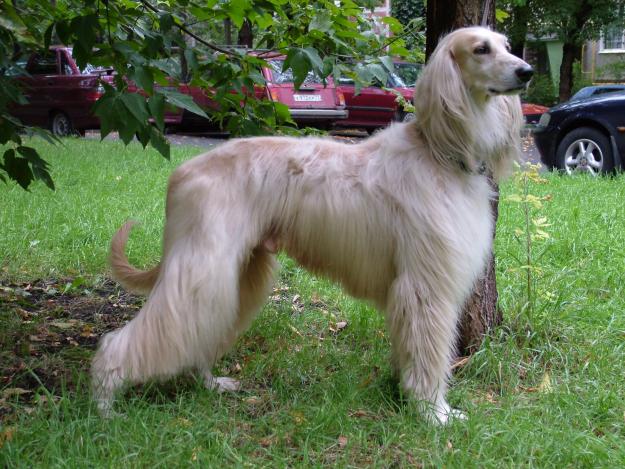
| Breed Name | Aboriginal Afghan Hound (Bakhmull, Aboriginal Afghan Hound) |
| Country of Origin | Afghanistan (mountain regions) |
| Breed Type | Hunting dog, sighthound |
| FCI Classification | Not recognised, belongs to the group of primitive (aboriginal) breeds |
| Lifespan | 12-14 years |
| Height (at withers) | Males: 68-75 cm, Females: 65-72 cm |
| Weight | Males: 28-36 kg, Females: 23-30 kg |
| Temperament | Independent, reserved, aristocratic, loyal to family, possesses a strongly developed hunting instinct |
| Exercise Needs | Very high, requires daily intensive walks and the opportunity to run |
| Grooming Difficulty | High (requires regular coat care) |
| Attitude towards Children | Patient, but requires supervision (not a toy) |
| Attitude towards other animals | Can get along with dogs, but views small animals as prey |
History of the Breed
The history of the Aboriginal Afghan Hound is lost in the mists of time, making it one of the oldest dog breeds in the world. It is believed that its ancestors are ancient Asian sighthounds that have lived for millennia in the territories of modern-day Afghanistan, Pakistan, and the surrounding mountain regions. Unlike its famous relative, the show Afghan Hound, which was significantly transformed by Western breeders in the early 20th century, the Bakhmull has retained its primordial features. This is a true working dog, whose appearance and character were shaped by the harsh climate and difficult hunting conditions in the Hindu Kush mountains.
The name “Bakhmull” likely comes from the Dari language and means “velvet”, which is a nod to the dog’s unique silky coat. For centuries, these dogs were an integral part of the life of local tribes. They were not just hunters, but also a symbol of status and wealth. They were valued so highly that they were never sold, but could only be given as a gift as a sign of great respect.
In the 19th century, British officers serving in India and Afghanistan brought these dogs to Europe for the first time. However, real work on preserving and popularising the specific aboriginal type began much later, in the second half of the 20th century. The Bakhmull belongs to the large family of Eastern sighthounds, much like the Caravan Hound (Mudhol Hound) or the Rampur Greyhound, each of which has unique adaptations to its native region.
What the Aboriginal Afghan Hound Looks Like: Standard and Appearance
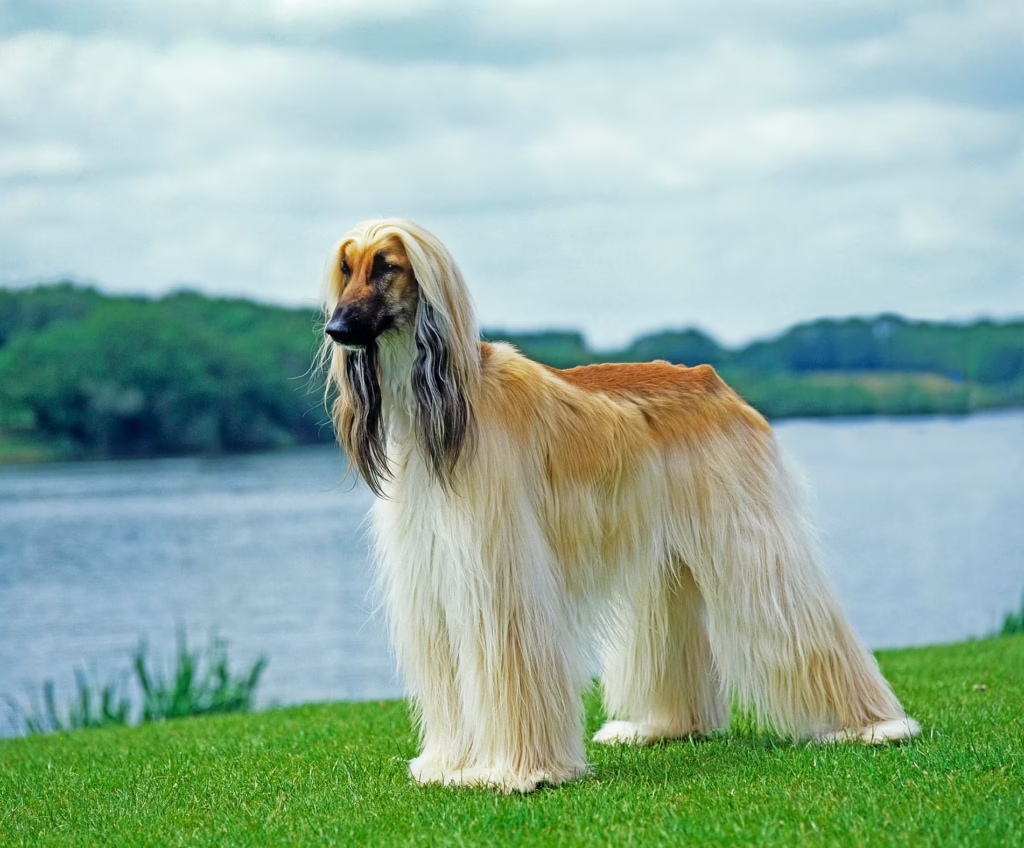
The appearance of the Bakhmull is the embodiment of functionality and elegance. Every feature of its body is perfectly adapted for fast running over rough terrain. The main difference from the show Afghan is a less extreme, but longer and silkier coat, and a more “natural” look.
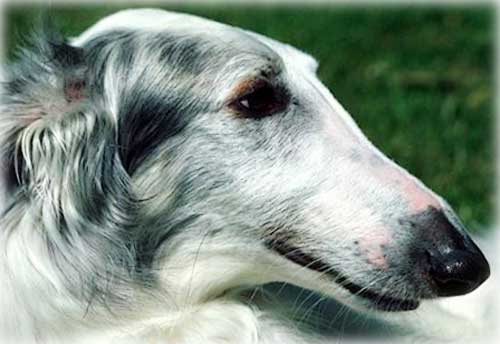
- Head: Long, dry, refined, with a smooth transition from forehead to muzzle. The skull is not broad. The muzzle is long and pointed, but not weak.
- Eyes: Large, almond-shaped, often slightly slanted, giving the dog an oriental, mysterious expression. Eye colour ranges from dark brown to hazel. The gaze is intelligent, calm, and slightly aloof.
- Ears: Long, hanging, set low and lie flat against the head. Covered with long, silky hair forming “tassels”.
- Body: Typical for a sighthound. The back is straight and strong, the loin slightly arched, ensuring flexibility in the gallop. The chest is deep but not very wide, providing ample room for the heart and lungs. The belly is significantly tucked up.
- Limbs: Long, straight, muscular, and dry. Paws are large, compact, with strong pads, allowing the dog to move confidently on rocky terrain.
- Tail: Long, thin, curled into a ring or semi-ring at the end. Set relatively low. Carried low when at rest, raised when moving.
- Coat: The most characteristic feature of the breed. Very long, fine, silky to the touch. On the muzzle, forehead, and back (in the “saddle” area), the hair is short. On the flanks, belly, legs (“trousers”), and ears, it forms luxurious strands. This coat structure protects the dog from both cold and heat.
- Colour: Various colours are permitted – white, fawn in various shades (from cream to deep red), black, blue. Brindle and spotted variations are possible. A dark “mask” on the muzzle is desirable but not mandatory.
| Body Part | Description According to Standard |
|---|---|
| Height | Males 68-75 cm, females 65-72 cm |
| Head | Long, wedge-shaped, dry |
| Eyes | Large, almond-shaped, dark, with an intelligent expression |
| Neck | Long, muscular, with an elegant arch |
| Back | Straight, strong, slightly sloping towards the croup |
| Chest | Very deep, moderately narrow |
| Belly | Strongly tucked up |
| Tail | Long, curled into a ring at the end |
| Coat | Long, silky, with a short “saddle” on the back |
Character: Temperament and Behaviour
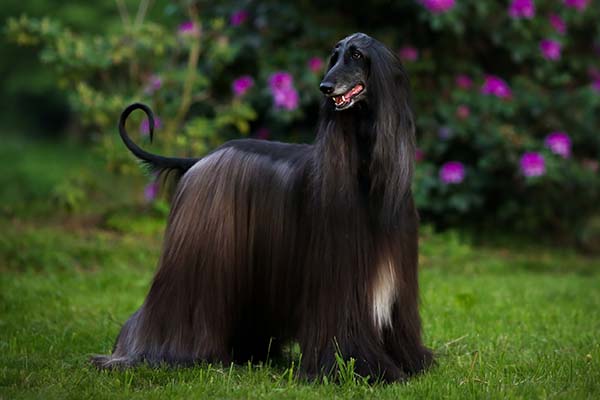
The character of the Bakhmull is as multi-faceted as its history. This is an aristocrat of a dog, full of dignity, independence, and restraint. At home, it behaves extremely calmly, almost cat-like. It can sleep quietly in its spot for hours without making a sound. If you are busy, the Bakhmull will never impose; it will delicately wait until you pay attention to it. It is very clean and tidy.
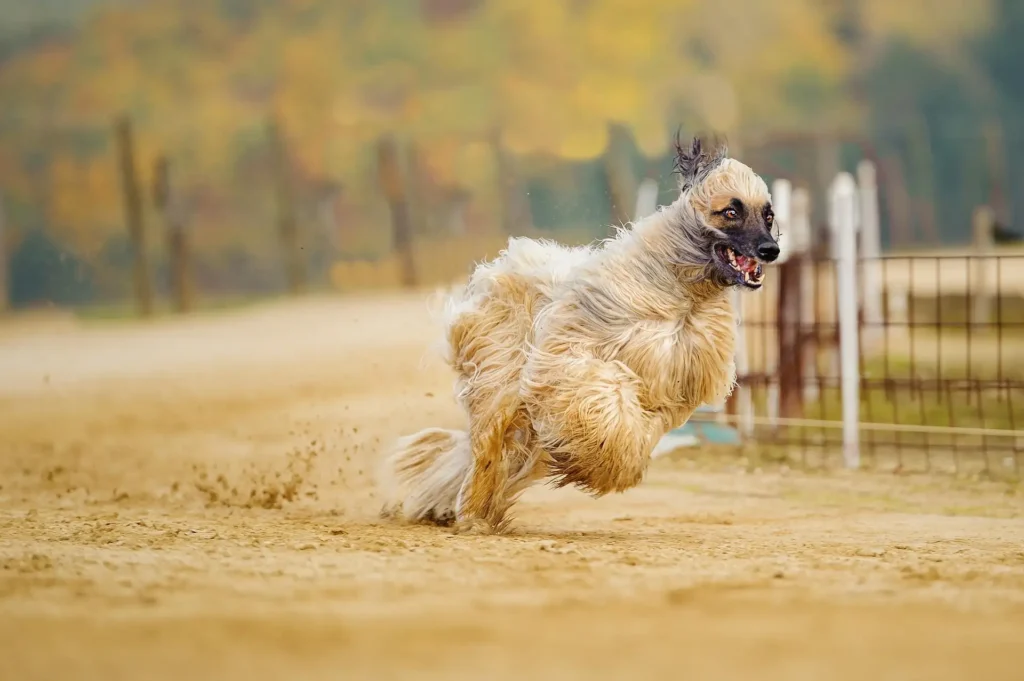
However, outdoors, especially in open spaces, it transforms. Its calmness is replaced by an explosion of energy, and it is ready to run for hours, demonstrating its incredible speed. Its hunting instinct is extremely strong. Any fast-moving object can be perceived as prey. That is why the Bakhmull must categorically not be let off the lead in unfenced areas.
The Bakhmull treats its family with great love and devotion, but expresses its feelings with restraint. It will not jump on you and lick your face. It shows its affection simply by being nearby, like a shadow. It is wary of strangers, sometimes even aloof. It needs time to accept a new person. The Bakhmull’s intelligence is very high, but it is combined with stubbornness. It is capable of making decisions independently, which was necessary during hunting. This trait makes it similar to other intelligent but independent breeds, such as the American Eskimo Dog, which also requires a special approach to training.
Health: Common Diseases and Prevention
How to Care for the Aboriginal Afghan Hound’s Coat?
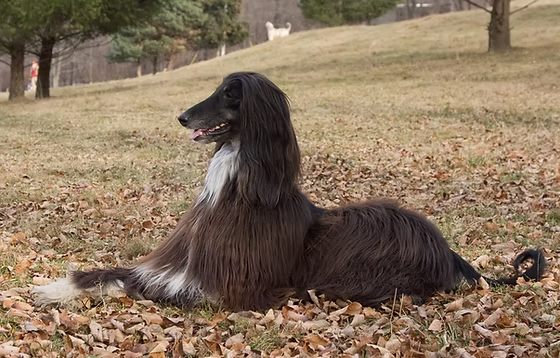
The Bakhmull’s luxurious coat is its pride, but also the main trouble for the owner. It requires daily and meticulous attention. If grooming is neglected, the coat quickly mats into clumps that will be very difficult, and sometimes impossible, to remove without clipping.
- Brushing: This is a daily ritual. You will need special tools: a comb with sparse metal teeth, a brush with long bristles (pin brush), and a conditioning spray to facilitate detangling. You need to start from the tips, gradually moving to the roots, separating each strand. Pay special attention to places where mats form most often: behind the ears, under the armpits, and on the “trousers”.
- Bathing: Bathe the Bakhmull as it gets dirty, usually once every 3-4 weeks. Use only professional shampoos and balms for long-haired dogs. After washing, be sure to apply a nourishing conditioner, which makes the coat smooth and prevents tangling. The dog must be dried with a hairdryer while simultaneously brushing the coat, otherwise it will dry in waves and become tangled.
- Other Procedures: Regularly inspect and clean the ears with a special lotion. Trim claws every 2-3 weeks if they are not worn down naturally. Keep an eye on the cleanliness of eyes and teeth.
Training and Socialisation
Training a Bakhmull is a challenge even for an experienced dog handler. Forget about harsh methods and drilling – this will not work with this dog. Its independent intelligence demands respect and a partnership. The owner must become an authoritative leader it can trust, not a dictator.
The method of positive reinforcement works best: praise, treats, play. Sessions should be short, intresting, and varied, otherwise the dog will quickly get bored. Do not expect unquestioning obedience from a Bakhmull, as you would from a German Shepherd. It will always “think” about whether it is worth carrying out your command. It is important to teach it basic commands (“come”, “sit”, “leave it”), especially those concerning safety.
Early socialisation is critically important. From puppyhood, introduce the dog to various people, sounds, places, and other calm dogs. This will help raise a confident, rather than fearful or aggressive, dog. Special attention should be paid to controlling the hunting instinct. Even a perfectly trained Bakhmull can forget everything upon seeing a cat or a squirrel. Its instincts, honed for hunting large game, are similar to those of other hunting breeds like the Bluetick Coonhound, and require constant control from the owner.
Nutrition: Key Recommendations
Pros and Cons of the Breed
| ✅ Pros | ❌ Cons |
|---|---|
| Incredible beauty and elegance: This is one of the most spectacular dogs in the world. | Very strong hunting instinct: Cannot be let off the lead in unsafe places. |
| Devotion to family: Bonds deeply with its owners. | Complex coat care: Requires daily brushing. |
| Calm at home: Not noisy, clean, behaves like an aristocrat. | Independence and stubbornness: Difficult to train, not for a novice. |
| Robust health: As an aboriginal breed, it is not prone to many “fashionable” diseases. | Requires high physical exercise: Not suitable for life on the sofa. |
| Excellent running companion: Ideal partner for active people. | Wary of strangers: Requires thorough socialisation. |
| Rarity and high price: Finding a puppy can be difficult and expensive. |
Interesting Facts about the Bakhmull
- Ancient Hunter: In their homeland, Bakhmulls are still used to hunt wolves. The dog does not kill the wolf, but catches up with it and holds it until the hunter arrives.
- “Cat-like” Grace: Bakhmulls are known for their ability to jump from a standing position to great heights and demonstrate incredible agility, reminiscent of the movements of big cats.
- Distinctive Run: Like all sighthounds, the Bakhmull runs with a double suspension gallop, during which all four paws leave the ground for a moment.
- Legend of Noah’s Ark: Although it is just a myth, it perfectly illustrates how ancient this breed is considered to be.
- Silent Hunter: Unlike hounds that drive prey with barking, the Bakhmull hunts silently, relying on sight and speed.
Frequently Asked Questions (FAQ)
How does the Bakhmull differ fundamentally from the ordinary show Afghan Hound?
The main differences lie in appearance and character. The Bakhmull has a less extreme but more functional coat (with a short “saddle”), a more robust constitution, and a preserved working temperament. It is less decorative and more oriented towards functionality than a show career.
Is the Aboriginal Afghan Hound suitable for apartment living?
Yes, but on one important condition: daily, long, and intense walks (at least 2-3 hours a day) with the opportunity to run freely in a safe, fenced area. At home, they are very calm and take up little space.
Do they shed a lot?
Yes, there is shedding, especially seasonally in spring and autumn. However, due to the coat structure, it does not fly around the flat as much as with short-haired breeds, but mostly remains on the brush during grooming.
Do Bakhmulls get along with children and other animals?
With children who know how to behave with a dog, they are usually patient. However, this is not a nanny dog. They can get along well with other dogs, especially sighthounds. But they almost always perceive small animals (cats, rodents, toy dogs) as prey becuase of their extremely strong hunting instinct.
Do they need a special diet?
Not so much special as high-quality. They need a diet with high protein content to maintain muscle mass and sufficient calories to cover energy expenditure. Many owners choose food for active dogs or natural feeding.
Video about the Breed
- Hardy, tough in mountains and bad weather
- Generally robust “natural” health
- Fast, athletic
- A distinctive, dignified character
- Independent, stubborn — not for a novice
- A very strong hunting instinct
- Needs space and plenty of exercise
- Reserved, distrustful of strangers
| Afghan Hound | Saluki | Tazi | |
|---|---|---|---|
| Height | 63–74 cm | 58–71 cm | 60–71 cm |
| Energy | 4.5 | 4.5 | 4.5 |
| Apartment | 2 | 2 | 2 |
| Beginners | 2 | 2.5 | 2 |
How does the aboriginal Afghan differ from the show type?
Is the breed suited to a novice?
Does it get on with cats?
Aboriginal type (working) · regional clubs
For apartments · For kids · For beginners · Active · Smartest · Hypoallergenic · All rankings →