Group 8: Retrievers, Flushing Dogs, Water Dogs. Section 3: Water Dogs. · France
Barbet
A curly French water dog with ancient roots — clever and cheerful: devoted, energetic, friendly and fearless in water. The Barbet is an ancient French water breed with a dense waterproof coat; a fearless retriever from icy water and at the same time a gentle family companion, it gets on well with children and animals, but needs an active family and coat care.
Height
51–64 cm
Weight
17–28 kg
Lifespan
13–15 years
FCI group
Group 8: Retrievers, Flushing Dogs, Water Dogs. Section 3: Water Dogs.
Apartment · with caveatsKidsCats · with caveatsOther dogsBeginners
The Barbet is not merely a dog with a charming curly coat, but an ancient breed with a rich history and exceptional working abilities. This intelligent, devoted, and cheerful companion is a wonderful addition to an active family prepared to dedicate time to its grooming and training. Learn more on Tvaryny.
The Barbet possesses an incredibly strong hunting instinct, especially in aquatic environments. It fearlessly plunges into water even at low temperatures, and its thick, waterproof coat serves as reliable protection. However, its talents are not limited to hunting waterfowl; this dog is also determined and adept at retrieving shot birds on land. Thanks to its robust health and good-natured character, the Barbet is increasingly becoming not just a hunter's assistant, but a beloved family member.
A Brief Overview of the Breed
A Brief Overview of the Breed · 10
Breed Name
Barbet, French Water Dog
Country of Origin
France
Time of Origin
The breed has been known since the 14th century; the FCI standard was updated in 2006
FCI Group
Group 8: Retrievers, Flushing Dogs, Water Dogs. Section 3: Water Dogs.
Lifespan
13–15 years
Height (at the withers)
Males: 58–65 cm, Females: 53–61 cm
Weight
17–28 kg
Temperament
Intelligent, loyal, cheerful, sociable, easy to train
Coat Care
Very high demands, daily brushing
Activity Level
High, requires daily physical and mental exercise
Interesting Facts About the Breed
A Royal Dog: There is evidence that a Barbet was a favourite of King Henry IV of France.
The name "barbe": As mentioned, the name comes from the French word for "beard."
"Muddy as a Barbet": This old French saying highlighted their love for working in marshes and water.
Saviours of the Breed: The breed was saved from extinction after the Second World War thanks to the efforts of Madame Pêtre, who dedicated her life to its revival.
A Versatile Athlete: Today, Barbets participate not only in hunting but also in competitions for agility, dock diving, freestyle (dog dancing), and canicross.
History and Origin of the Breed
The history of the Barbet is steeped in centuries of tradition, making it one of France's oldest and most treasured breeds. The first records of shaggy water dogs, the ancestors of the modern Barbet, date back to the 14th century. The breed's name comes from the French word "barbe," meaning "beard," which is a direct reference to the dog's characteristically thick facial hair. For centuries, there was even a saying in France, "muddy as a Barbet," which showed just how closely these dogs were associated with working in water and marshes.
It is believed that Barbets arrived in Europe with the Moors and spread across the continent. They were indispensable helpers for waterfowl hunters. Their ability to work in cold water, their thick, weather-protective coat, and their keen intelligence were highly valued. The breed is mentioned in the works of many naturalists and writers, notably in the "Histoire Naturelle" by the Comte de Buffon in the 18th century. Barbets were used not only for hunting but also for guarding. Their versatility made them popular among various social classes.
The Barbet's blood runs in the veins of many modern breeds. It is thought to be an ancestor or a close relative of breeds such as the Poodle, Bichon Frise, Briard, and Newfoundland. Its similarity to other water dogs, like the Portuguese Water Dog or the Spanish Water Dog, is also apparent and points to a shared heritage and functional purpose.
Unfortunately, the two World Wars brought the breed to the brink of extinction. The number of purebred Barbets decreased catastrophically. It was only through the efforts of a small group of enthusiasts in France in the latter half of the 20th century that the breed was revived. Today, the Barbet remains a relatively rare breed worldwide, but its popularity is gradually growing thanks to its wonderful character and unique appearance.
What Does a Barbet Look Like: Standard and Appearance
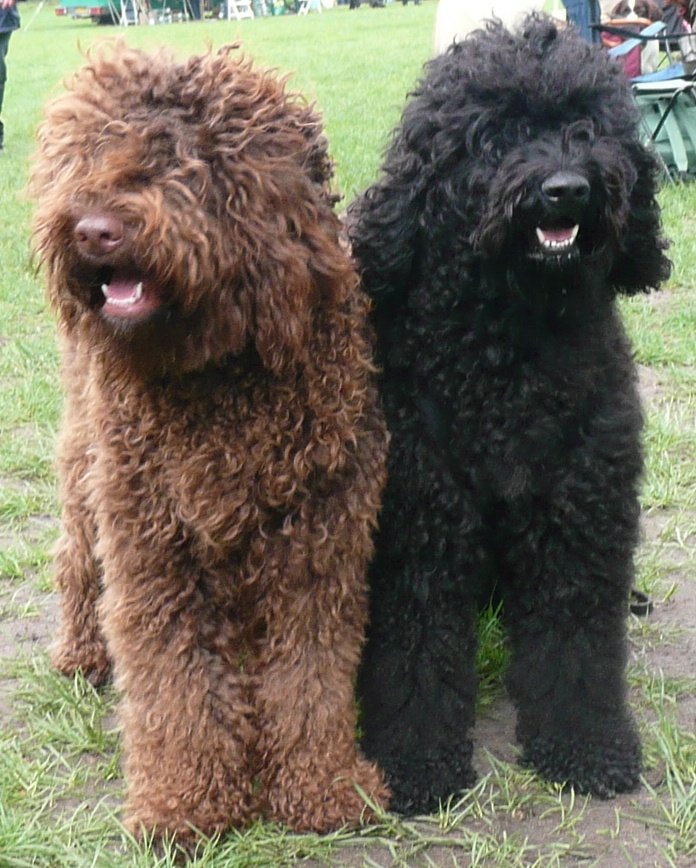
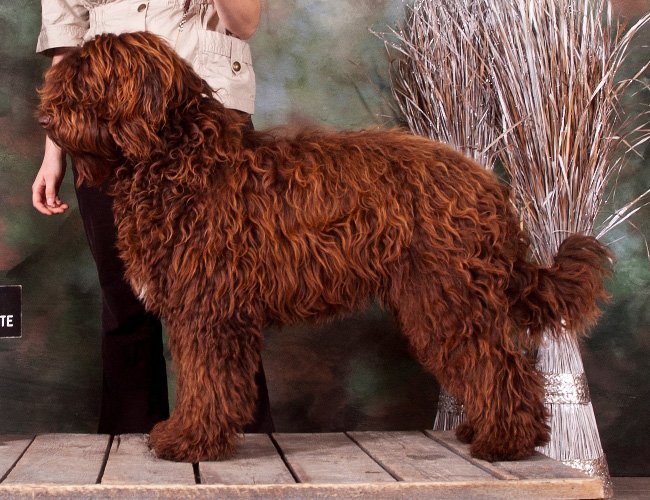
The Barbet's appearance is the epitome of functionality and natural beauty. It is a medium-sized dog of a sturdy, but not cumbersome, build, with a characteristic curly, thick coat that gives it a somewhat "rustic" or "wild" look. Its appearance perfectly matches its purpose – to be a tireless swimmer and hunter.
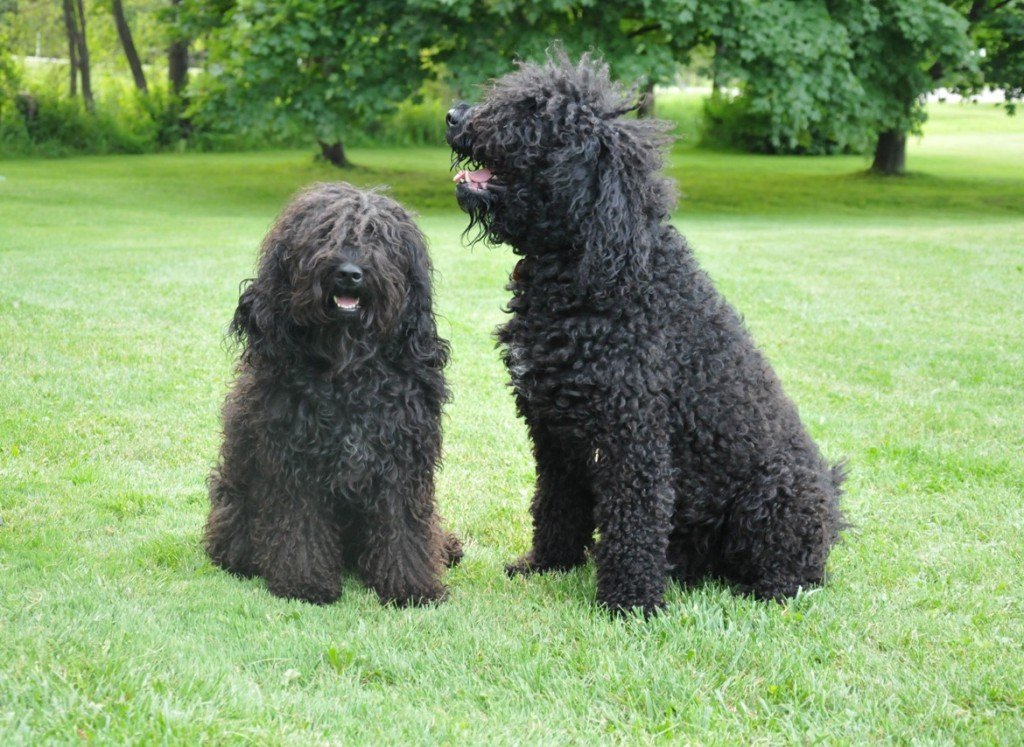
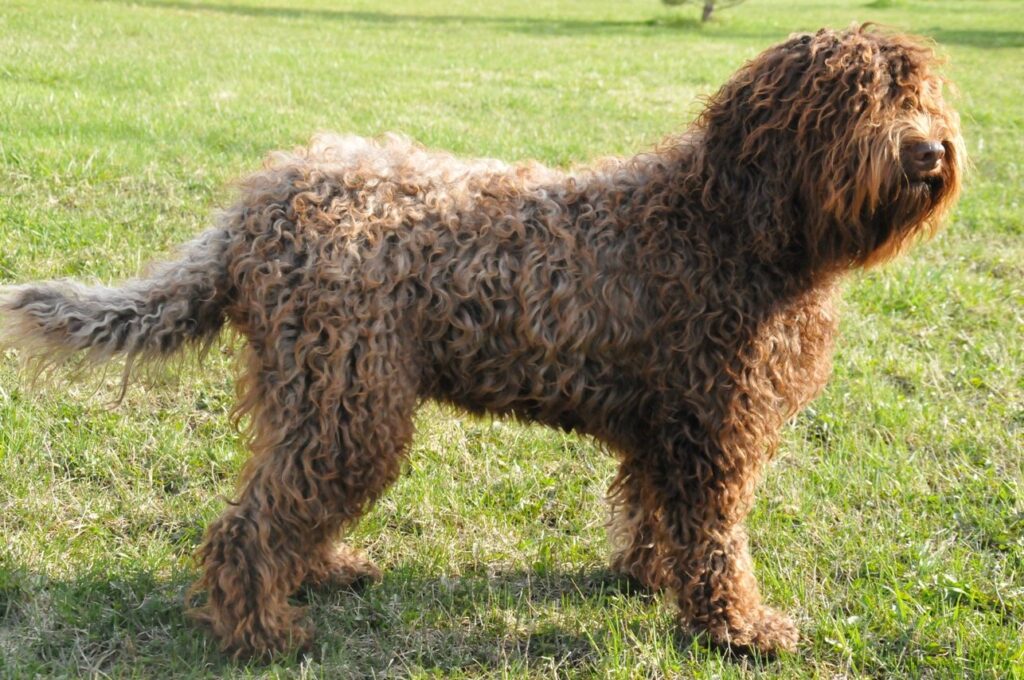
Coat: This is the breed's main distinguishing feature. The coat is long, thick, woolly, and curly. It can form cords if not brushed regularly. This coat is waterproof and provides excellent protection from cold and moisture, allowing the dog to work in water even in winter.
Colour: The standard allows for solid colours: black, brown (chestnut), fawn (sandy), grey, and white. Pied (mixed) colours are also permitted. The most common colours are black and brown.
Head and Muzzle: The head is strong and broad. The skull is rounded. The muzzle is slightly shorter than the skull, with a well-defined "beard," moustache, and eyebrows that give the dog its characteristic expression. The eyes are round, dark, usually dark brown, and hidden beneath the long hair.
Ears: Low-set, long, flat, and covered with long hair.
Body and Tail: The body is strong with well-developed musculature. The back is straight and powerful. The tail is low-set, usually held at or slightly below the level of the back, and may have a hook at the tip.
Paws: Large, round, and webbed, which makes them fin-like and helps the dog to swim excellently.
Parameter
Male
Female
Height at withers
58 – 65 cm
53 – 61 cm
Weight
17 – 28 kg
17 – 28 kg
Character and Temperament
The Barbet is a dog with a "heart of gold." It combines the energy of a hunter with the gentleness of a family pet. They are very intelligent, loyal, and sociable dogs that form a strong bond with their family and strive to be involved in all their activities. They are not meant for a life on a chain or in a kennel; their place is by their human's side.
Intelligence and Trainability: Barbets have a high level of intelligence and a great desire to please their owner. This makes them very capable students. They quickly learn commands and tricks. However, their intelligence requires constant stimulation – without mental challenges (games, training, dog sports), a Barbet can become bored and may exhibit destructive behaviour.
Relationship with Family and Children: This is an ideal family dog. Barbets are patient and gentle with children and happily join in their games. Their playfulness and good nature make them wonderful companions for children of all ages. Of course, as with any breed, the interaction between small children and a dog should always be supervised.
Attitude Towards Other Animals: With proper early socialisation, Barbets get along well with other dogs and even cats. They are not prone to dominance or aggression, and their playful nature makes them desirable playmates.
Need for Activity: Like all gundogs, Barbets are a very energetic breed. A short walk on the lead is not enough for them. They need at least 60–90 minutes of active exercise every day. The greatest joy for a Barbet is the opportunity to swim. They adore water and are ready to jump into any body of water. They also excel in sports such as agility, obedience, and flyball. This breed is an excellent choice for active people, hikers, runners, and, of course, hunters.
Pros and Cons of the Breed
Before getting a dog like this, it is important to weigh all the pros and cons. The Barbet is not suitable for everyone, and a potential owner must be prepared for the breed's specific needs.
Pros (+)
Cons (-)
High intelligence and easy to train. They learn quickly and are eager to please.
Very high grooming demands. Requires daily brushing and regular clipping.
Friendly and social character. Gets along wonderfully with children and other animals.
High need for energy and physical exercise. Not suitable for sedentary people.
Considered hypoallergenic. Sheds very little, making it a good choice for allergy sufferers.
Prone to separation anxiety. Does not like to be left alone for long periods.
Versatility. An excellent hunter, athlete, and simply a family pet.
Prone to ear infections. Requires regular and thorough ear care.
Robust health and longevity. Rarely gets ill with proper care.
Loves mud and water. Be prepared for muddy paws and a wet coat in the house.
Training and Raising
Training a Barbet is a pleasant and rewarding process, thanks to its high intelligence and desire to cooperate. Training and socialisation should begin as early as possible, from the first days the puppy is in the home.
Use positive reinforcement methods: praise, treats, toys. Barbets are sensitive to their owner's mood and react poorly to shouting and harshness. Firmness and consistency are key, but they must be combined with love and patience. Early socialisation is extremely important. Introduce the puppy to different people, sounds, places, and other animals. This will help it grow into a confident and well-balanced dog.
Due to their hunting instincts, Barbets can be successful in various canine disciplines. This will not only keep them in excellent physical shape but also provide the necessary mental stimulation. Similar character traits and learning abilities are found in other spaniels, such as the American Water Spaniel or the Field Spaniel, making them interesting for comparison.
Caring for a Barbet: Coat, Hygiene, and Health
Nutrition
Feeding: How and What to Feed a Barbet?
Health and risks
Health and Common Breed Diseases
Frequently Asked Questions About the Breed (FAQ) · 4
Is the Barbet truly hypoallergenic? Barbets shed very little, and their coat is similar to human hair. This significantly reduces the amount of allergens in the home. Therefore, they are often recommended for people with dog allergies. However, no dog is 100% hypoallergenic, as allergies can be triggered not just by hair, but also by saliva and skin dander.
Is a Barbet suitable for living in a flat? Yes, a Barbet can live in a flat, but under one important condition: it must get enough daily physical and mental exercise. Without this, the dog can become unmanageable and destructive. The ideal conditions for it are a house with a fenced yard and regular access to water.
Do Barbets bark a lot? They do not belong to the "barky" breeds. A Barbet will give a voice to warn of guests or something unusual, but is not prone to barking without reason.
Is it difficult to find a Barbet puppy? Yes, this is a relatively rare breed, especially in the UK. You will likely need to find a breeder abroad and be placed on a waiting list for a puppy. It is very important to choose a responsible breeder who cares for the health and socialisation of their dogs.
Video About the Breed
FAQ
What was the Barbet bred for?
An ancient French water breed — a fearless retriever of waterfowl; its dense waterproof coat lets it work even in icy water.
Is the Barbet good for a family?
Very — a clever, friendly and devoted companion, good with children and animals, ideal for an active family and even a novice; the keys are exercise, water and coat care.
Is the Barbet hypoallergenic?
Its curly coat barely sheds, so the breed is considered conditionally hypoallergenic; but no dog is 100% hypoallergenic, and the coat needs regular care.