

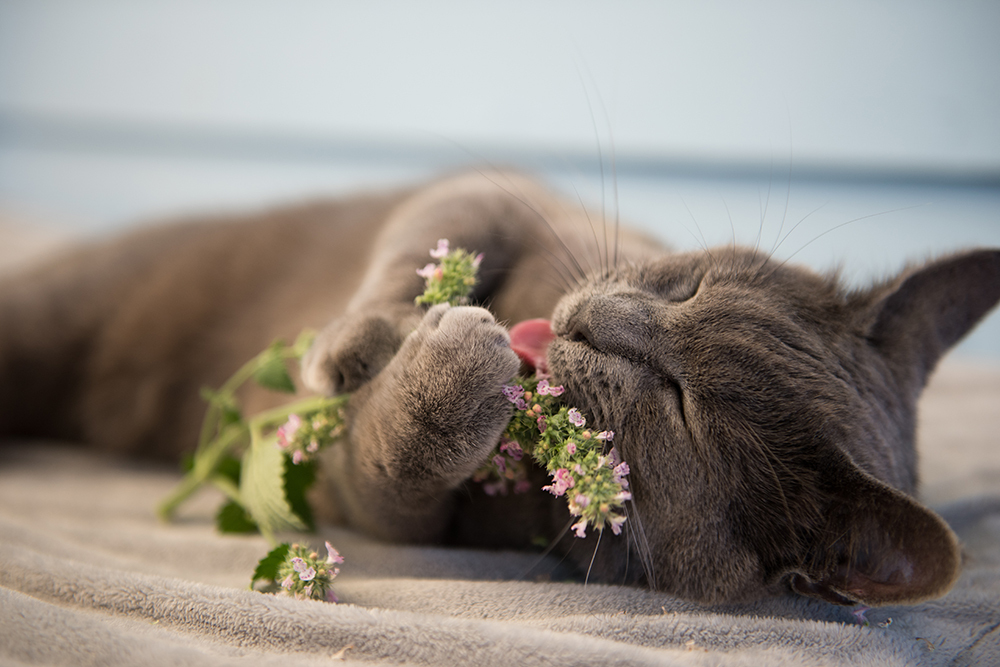
If you have a cat, you’ve probably seen this magical transformation. All you need to do is take out a packet of some unknown dried herb, and your calm, somewhat aloof pet suddenly turns into a ball of pure euphoria. It rubs itself against the source of the smell, rolls on the floor, purrs, drools, and acts just like a kitten. This enchanting elixir is catnip. But what exactly is this miracle plant, how does it affect a cat’s brain, and most importantly, is it harmful to your fluffy friend? Let’s break it down so you can confidently use this gift of nature to bring joy to your cat. You can find all the most interesting and important information about this phenomenon over on Tvaryny.
What Exactly is Catnip? A Botanical Profile of a “Feline Drug”
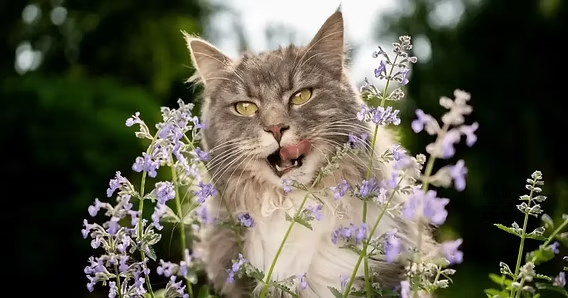
Catnip, or by its scientific name Nepeta cataria, is a perennial herbaceous plant from the mint family (Lamiaceae). Interestingly, this same family includes many familiar culinary herbs like peppermint, lemon balm, basil, and rosemary. The plant originates from Europe and Asia but can now be found all over the world. It has grey-green heart-shaped leaves with jagged edges and produces small white or lavender flowers.
The plant’s main secret, the one that drives cats wild, is hidden in its volatile oils, specifically in a chemical compound called nepetalactone. This substance is the key to understanding our pets’ bizarre behaviour.
Interesting Fact: Despite the name, catnip has nothing to do with the classic mint we add to our tea. Although they are related, their chemical composition and effect on animals are completely different. For humans, catnip has a faint, grassy-lemon scent.
The Magic in Action: A Scientific Explanation of the Catnip Effect
When a cat inhales the scent of catnip, nepetalactone molecules enter its nasal cavity and bind to special receptors. These receptors send a signal directly to the brain, or more precisely, to the olfactory bulb, which in turn is connected to the parts of the brain that control emotions and behaviour, namely the amygdala and the hypothalamus.
It is believed that nepetalactone mimics the action of feline pheromones, triggering a reaction similar to sexual excitement or a state of deep pleasure. The cat’s brain interprets this signal as something extremely enjoyable, which leads to a cascade of comical and strange reactions. The effect of inhaling catnip typically lasts from 5 to 15 minutes, after which a “period of unresponsiveness” sets in for about an hour, during which the cat will not react to the catnip.
Typical Cat Reactions to Catnip:
- Sniffing and licking: The first reaction is an active interest in the source of the smell.
- Rubbing: The cat begins to rub its cheeks, chin, and entire body against the toy or plant.
- Rolling on the floor: Euphoric rolling from back to belly.
- Vocalisation: Loud purring, meowing, or even growling with pleasure.
- Increased playfulness: A sudden burst of energy, “hunting” an invisible prey.
- Drooling: A small amount of drooling is a perfectly normal reaction.
- Relaxation and drowsiness: After the active phase, a period of calm and relaxation often follows.
Why are Some Cats Unaffected by Catnip?
If your cat completely ignores catnip, don’t worry, there’s nothing wrong with them. Sensitivity to nepetalactone is a genetic trait that is inherited. According to scientists, approximately 20-30% of cats do not have the corresponding “sensitivity gene” and therefore do not react to the plant at all.
In addition, there is another important factor: age. Kittens under 3-6 months old usually show no interest in catnip, as their nervous system is not yet fully developed. The reaction only begins to manifest once they reach sexual maturity.
Safety First: Debunking Popular Myths
The biggest concern for owners is the question: Is catnip harmful? Is it a kind of drug that causes addiction? Let’s bust the most common myths.
| Myth | Reality |
|---|---|
| Catnip is a drug for cats. | This is false. Nepetalactone does not cause physical addiction or withdrawal symptoms. A cat will not suffer if you stop giving it catnip. The effect is purely behavioural, temporary, and has nothing in common with opiates or other narcotics. |
| A cat can overdose on catnip. | An overdose of catnip is virtually impossible. A cat instinctively knows when it has had enough and simply loses interest in the plant. The only negative effect that might occur is if a cat eats too many fresh or dried leaves. This could cause a mild gastrointestinal upset (vomiting or diarrhoea), which usually resolves on its own. |
| It is harmful to a cat’s health in the long run. | Catnip is recognised by veterinary professionals as being completely safe and non-toxic for cats. When used responsibly, it causes no harm to the animal’s health. |
Practical Applications: How to Use Catnip for Good
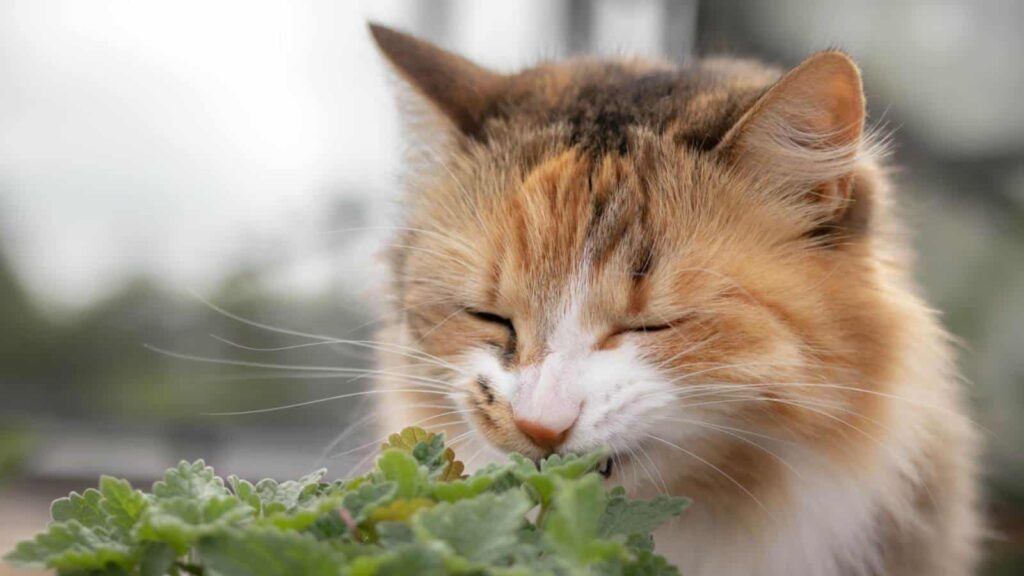
Catnip isn’t just for fun; it’s a great tool for enriching your pet’s environment and correcting their behaviour. Here are a few ways to use it:
- Encouraging play and physical activity. If your cat is a bit lazy, a little catnip on their toys can encourage them to get moving. This is especially useful for indoor cats who need extra physical stimulation. Regular play helps to maintain a healthy weight and muscle tone.
- Training to use a scratching post. Rub or sprinkle some dried catnip on a new scratching post. This will make it much more appealing to your cat, and they’ll be more likely to scratch there rather than on your furniture.
- Reducing stress and anxiety. The scent of catnip can have a calming effect. Use it in stressful situations: before a trip to the vet (put a catnip toy in the carrier), when moving house, or when a new animal is introduced to the home. This helps to build a bond, especially if you feel my cat doesn’t love me, by creating positive associations.
- Improving appetite. Sometimes a light catnip aroma near the food bowl can stimulate the appetite of fussy eaters.
- Redirecting energy. Active play with catnip can help deal with a pet’s excess energy. This can be useful if the cat keeps you awake at night, by redirecting their activity to the daytime.
Forms of Catnip Available:
- Dried herb: The most popular option. You can sprinkle it on the floor, or rub it into toys or scratching posts.
- Sprays: Convenient for treating surfaces (beds, carriers, furniture). It’s important to choose quality sprays without alcohol.
- Fresh plant: You can grow catnip in a pot on a sunny windowsill. Many cats love to chew on the fresh leaves.
- Catnip-infused toys: Ready-made toys filled with the dried herb.
DIY: How to Make a Catnip Toy in 5 Minutes
You don’t have to buy expensive toys. You can easily make a great source of entertainment for your pet yourself!
- What you’ll need: an old but clean sock (with no holes), 1-2 tablespoons of quality dried catnip, strong thread or string.
- Step 1: Spoon the catnip into the sock. For extra bulk, you can add a little bit of cotton wool or synthetic stuffing.
- Step 2: Tie the open end of the sock tightly in a knot.
- Step 3: For extra security, tie the knot with thread. Trim off any excess ends.
- Step 4: Offer the new toy to your cat and enjoy the show!
Alternatives to Catnip
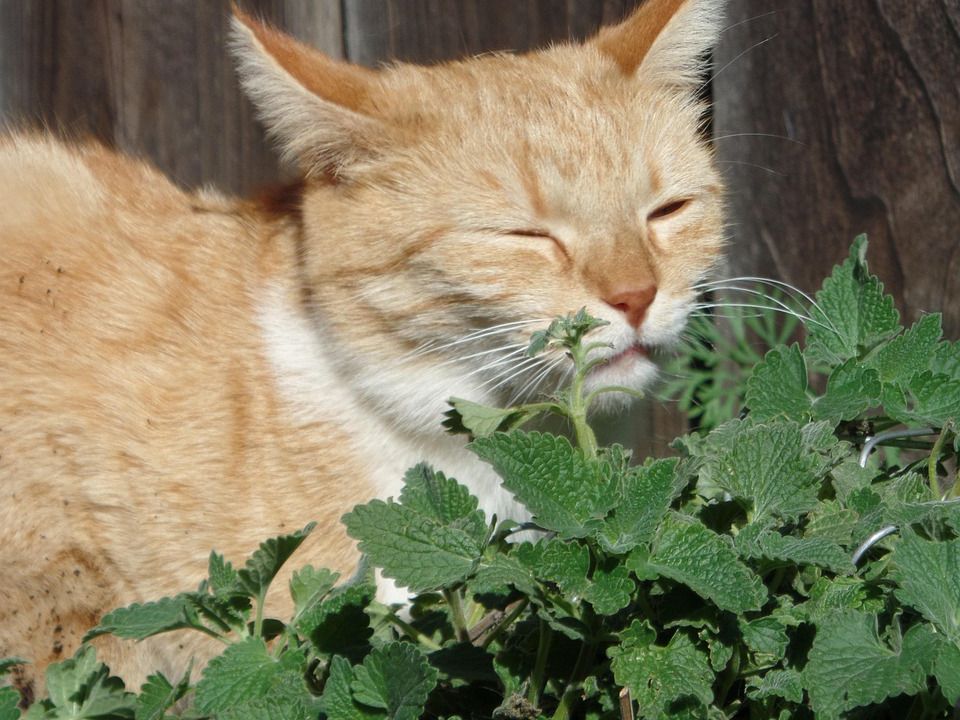
If your cat is one of the 30% that ignore catnip, don’t be disappointed! There are other plants that can produce a similar effect:
- Valerian (Valeriana officinalis): Yes, the very same that has a calming effect on humans. On many cats, it has a stimulating effect thanks to the actinidine it contains. It has a specific smell, but cats love it.
- Silver Vine (Actinidia polygama): Very popular in Asia. Studies show that a higher percentage of cats react to it than to catnip.
- Tatarian Honeysuckle (Lonicera tatarica): The wood of this plant can also cause euphoria in cats. It is usually sold as sticks or toys.
Frequently Asked Questions (FAQs)
How often can you give a cat catnip?
It is recommended to offer catnip no more than 1-2 times a week. This will help maintain its “magical” effect. If given too often, the cat may lose its sensitivity to it.
How long does the effect last?
The active phase of euphoria usually lasts from 5 to 15 minutes. After this, there is a “reset” period that can last from 30 minutes to several hours, during which the cat will not respond to the scent.
Where can you buy quality catnip?
Look for catnip in pet shops, veterinary pharmacies, or specialised online retailers. Pay attention to organic products without additives. Quality dried catnip has a rich green colour and a strong aroma. A small bag, for example, might cost you around £2-£5.
Can I grow catnip at home?
Yes, it’s a relatively low-maintenance plant. You can buy seeds and sow them in a pot on a sunny windowsill. Your cat will be grateful for access to fresh, fragrant greens.
Conclusion
Catnip is a wonderful, safe, and useful gift of nature for our cats. It is not a drug and does not cause addiction, but serves as an excellent way to entertain, stimulate physical activity, and relieve stress. By understanding how it works and knowing the simple rules for its use, you can significantly enrich your pet’s life, making it more exciting and happier.
Observe your cat’s reaction, experiment with different forms of catnip, and use it responsibly. It’s a simple way to show your fluffy friend love and care, speaking to them in a language they’ll definitely understand—the language of pure, unadulterated feline joy.