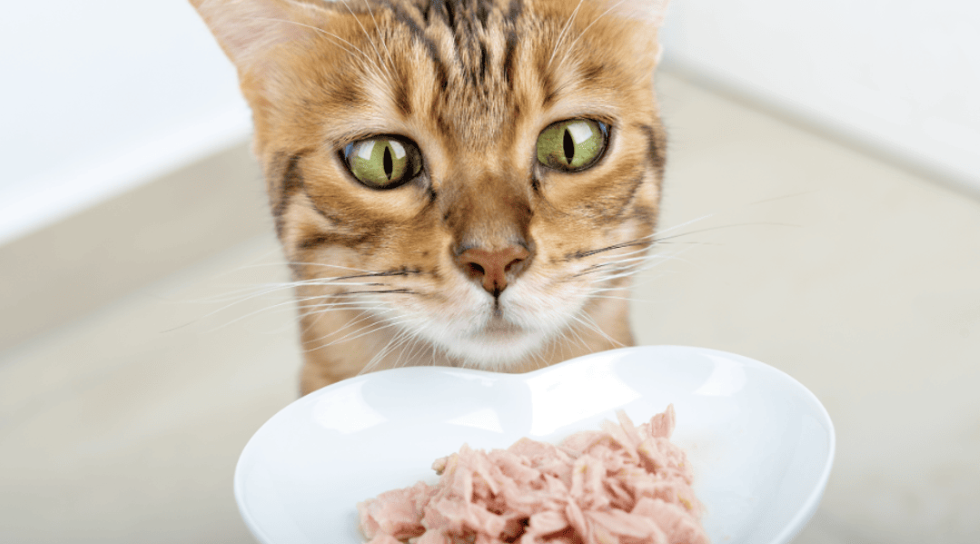
Every morning, as the first rays of sunlight hit the windowsill, millions of cats around the world wake up with a single thought. It is not just hunger. It is that anticipation of care they feel at the sound of a lid popping or the rustle of a bag. As a pet behaviorist who has guided hundreds of rescued fur-babies, I know one thing for sure: the food bowl is the first step toward true trust. At tvaryny.com, we often remind ourselves that the right diet is more than just numbers on a label. It represents years of purring by your side. But how often do we, in our quest to provide the best, fall victim to vibrant packaging and the promises of marketers? Let us set the ads aside and look at the truth - even if it is as sharp as a cat's claw.
Cats are fascinating creatures whose biology has remained virtually unchanged for millennia. They are obligate carnivores, meaning their lives depend on moisture and animal proteins. In my practice, I see the fallout of poor feeding choices every day. It is heartbreaking to see loving owners unintentionally harming their little friends because they believed the myths. When you are deciding how to choose the best kitten food whether it's dry, wet, or mixed, you are building a health foundation for life. That foundation should not be built on marketing illusions like "teeth cleaning through crunching" or "convenience for the owner."
Myth #1: Dry food cleans teeth better than any brush
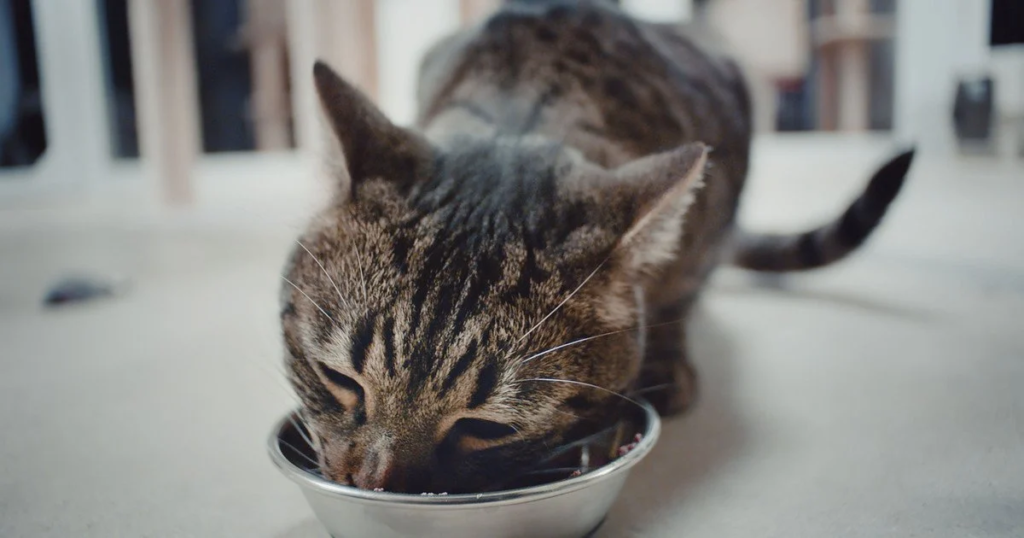
This is probably the most common fairy tale told in every pet store. Marketers paint a picture where each kibble acts like a tiny toothbrush. But let us use logic and look at anatomy. A cat's teeth are designed to tear prey, not to grind grain. Most cats swallow kibble whole or crack it only once. When a piece of dry food breaks, it shatters into small fragments that mix with saliva. Instead of cleaning, these bits stick to the teeth, creating a breeding ground for bacteria.
Imagine trying to clean your own teeth by eating crackers or pretzels. Would your teeth get cleaner? Hardly. True feline dental hygiene depends on genetics, saliva composition, and the presence of fibrous meat chunks in the diet. Dry food is convenient for us humans because it doesn't spoil in the bowl all day. For teeth, however, it creates more risks than benefits.
Moisture is Life: Why "Kibble" can be dangerous
The second major issue with dry feeding lies in a cat's evolutionary history. Our house tigers are descendants of desert animals. In the wild, they get almost all their fluids from the bodies of their prey (mice, birds), which are 70–80% water. Because of this, cats have a very low thirst drive. They simply do not feel the need to drink until their body reaches a critical level of dehydration.
If a cat eats only dry food with about 10% moisture, it would have to drink enormous amounts of water to compensate. But they don't. As a result, urine becomes too concentrated, leading to crystals and stones in the kidneys and bladder. This is vital to understand, especially if you compare it to choosing the best diet for your dog between dry food, canned food, or natural feeding, because a cat's thirst drive is much weaker. Constant dehydration is a silent enemy that destroys the kidneys over several years.
A cat eating strictly dry food lives in a state of chronic, mild dehydration. That is the price the animal pays for our convenience.
The Ingredients: Reading between the marketing lines
Have you noticed the appetizing salmon chunks and juicy chicken fillets on the bags? That is for your eyes, not the cat's stomach. A cat doesn't care if there are blueberries or spinach at a 0.001% concentration, proudly advertised on the front. What matters to them is the amino acid profile and the absence of unnecessary carbohydrate fillers.
To manufacture dry food, starch and carbohydrates are technologically necessary - otherwise, the kibble simply wouldn't bind and would turn to dust. However, cats do not have the enzymes to digest large amounts of grain efficiently. Excess sugar leads to obesity and diabetes, which has become a real epidemic among pets. In high-quality wet food, carbohydrates are almost non-existent, and the proteins are in a much more natural form.
| Comparison Parameter | Dry Food (Kibble) | Wet Food (Canned) |
|---|---|---|
| Moisture Content | 6–10% (very low) | 75–82% (ideal) |
| Protein Source | Often plant-based proteins | Mostly animal-based proteins |
| Carbohydrates | High (25–50%) | Minimal (0–5%) |
| Weight Impact | Risk of obesity | Easier weight management |
| Kidney Health | Increased stone risk | Prevention of renal issues |
Myth #2: Wet food is just a treat
This is perhaps the most harmful claim I hear from owners. "I give him a little canned food in the evening to spoil him." In reality, wet food should be the foundation of the diet, while dry food should be an occasional supplement or cut out entirely. High-quality cans or pouches are a complete meal containing all the vitamins and essential taurine.
Why has this opinion stuck? First, cost. Feeding a cat good wet food is more expensive. Second, the poor quality of many supermarket brands, which contain by-products and flavor enhancers instead of meat. But in the premium and holistic segment, wet food is the best we can offer a cat. It supports hydration, which is vital for neutered males and spayed females.
How to spot marketing traps on the label?
When you pick up a bag, ignore the happy cat face. Look at the back where the ingredinets are listed in fine print. Here are a few red flags:
- "Animal by-products" - this can mean feathers, beaks, or hooves. Look for clear terms: "dehydrated chicken meat," "fresh lamb meat."
- High amounts of corn, wheat, or soy - these are cheap fillers with no benefit to the cat, used only to bulk up the food.
- "Sugar" or "Caramel" - sometimes added even to wet food to color the gravy. This is absolutely unacceptable.
- Missing percentages - if the manufacturer hides exactly how much meat is included, it is likely a tiny amount.
Feeding Psychology: The bowl as a symbol of safety
As a specialist in animal behavior, I often work with issues rooted in the... food bowl. For a cat, especially one from a shelter or the street, food is the ultimate safety indicator. Dry food left out all day can lead to eating disorders. The cat eats out of boredom or stress, losing touch with its natural sense of fullness.
Feeding on a schedule creates a ritual. It is a time for interaction. You set the bowl down, the cat purrs and rubs against your legs - this strengthens your bond. This is far more valuable for their psyche than a silent automatic feeder. Plus, a picky appetite can be a signal that certain ingredients in the food are causing tummy troubles they can't talk about.
Is there an ideal balance?
If your budget or schedule doesn't allow for a purely wet diet, mixed feeding can be a compromise. But it must be done wisely. Never mix kibble and canned food in the same bowl at once - they have different digestion times. It is best to give dry food during the day while you work and offer high-quality wet food in the morning and evening. This ensures a minimum level of hydration and variety.
Do not forget clean water. Even if your little friend only eats wet food, fresh, filtered water must always be available. Many cats love drinking fountains because running water represents safety and freshness to them. This is another way to outsmart their "desert nature" and encourage them to drink more.
A few tips from a volunteer's heart:
- Never switch food abruptly. It is a massive stress on the digestive system. Replace 10–15% of the old food with the new daily over a week.
- Watch your kittehn's preferences, but don't give in to harmful habits. If they refuse healthy wet food and only want "addictive" cheap kibble, be patient. It's like a child wanting fries instead of soup.
- Pay attention to breath odor and coat quality. These are the first signs of whether the food truly suits them.
- Remember: the money saved on food often ends up being spent twice over at the vet's office later.
When I see cats in shelters recovering from illness, I witness the miracle of transformation. Dull fur begins to shine, and a spark of life returns to their eyes. It all starts with the right bowl. Do not let marketing slogans cloud your love. Your cat deserves to have its biological needs respected.
We at tvaryny.com believe every owner can become an expert for their pet. Read the ingredients, ask questions, and observe. There is no universal food for everyone, but there are principles of common sense. At the end of the day, when your feline friend curls up on your lap, only one thing matters - the steady breath of a healthy, happy being who trusts you completely.
Love is a verb. And often, that verb means "choosing the best," even when it takes more time and attention to detail.
Take good care of your furry companions. They came into this world to teach us unconditional love. We thank them for it with every carefully chosen portion of health. Don't be afraid to question the myths, because behind them lies the true well-being of those who cannot speak for themselves.