

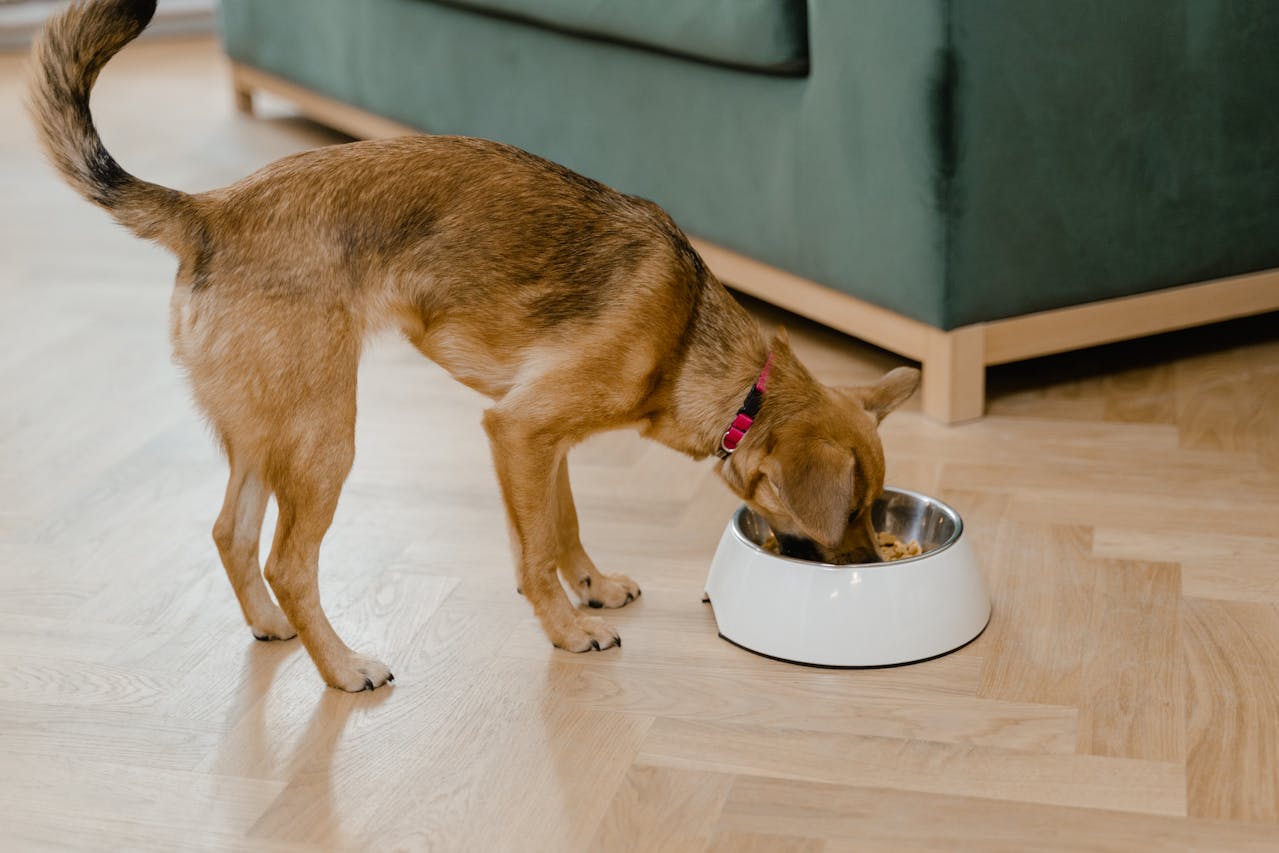
Choosing the right diet for your dog is one of the most crucial decisions any responsible owner will make. Nutrition directly impacts the health, energy levels, lifespan, and overall well-being of your four-legged friend. The market offers a vast array of options, from dry kibble and tempting tinned food to home-prepared natural diets. You can explore more on this topic and other pet care insights on Tvaryny. So, how do you navigate this extensive range and find the perfect dog food tailored to their individual needs? In this article, we’ll take a close look at the pros and cons of each feeding type, the factors to consider when making your choice, and offer advice on how to make switching to a new diet as smooth as possible for your beloved pet.
Dry Food (Kibble): Convenience and Completeness?
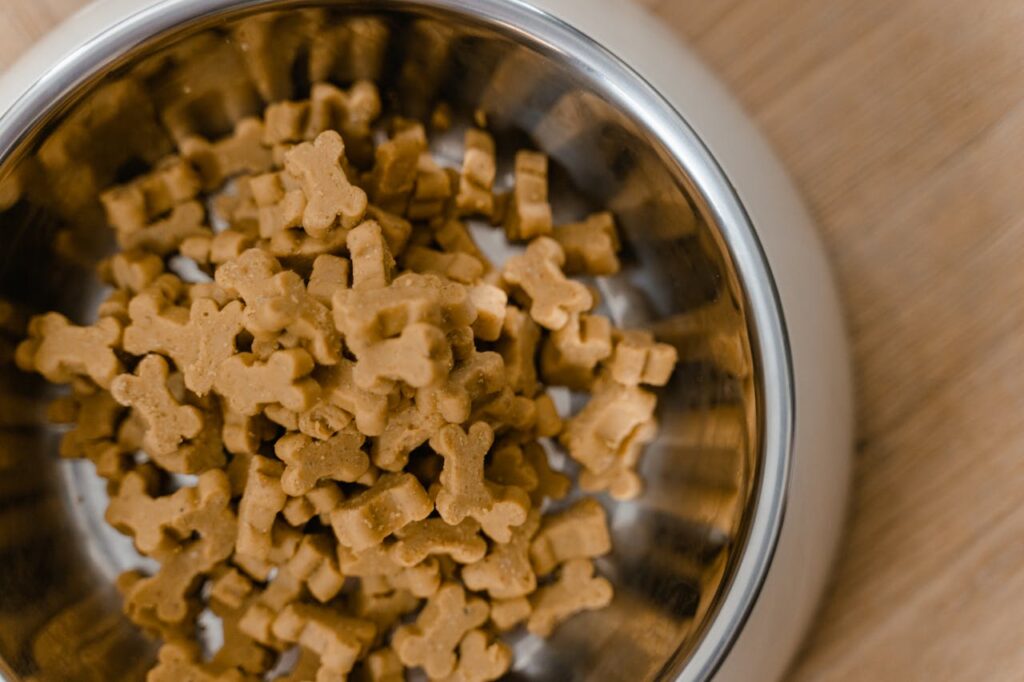
Dry food, or kibble, is the most popular choice for many dog owners across the globe. These are pellets of various shapes and sizes, produced by extrusion – a process where ingredients are mixed, heated under pressure, shaped, and then dried. Good quality dry food is formulated to provide balanced nutrition for dogs at different life stages.
Advantages of Dry Food
- Convenience: This is arguably the main advantage. Dry food is easy to store (it doesn’t need refrigerating before the pack is opened), simple to measure out, and straightforward to clear up after feeding. It’s ideal for owners with busy lifestyles.
- Long Shelf Life: Thanks to its low moisture content, a sealed bag can last for months, and an opened one for several weeks, without losing its quality (provided it’s stored correctly).
- Oral Hygiene: The hard kibble helps to mechanically clean plaque from teeth during chewing, which aids in preventing tartar build-up and gum disease. However, this doesn’t replace comprehensive dental care.
- Cost-Effective: Per portion, good quality dry food often works out cheaper than tinned food or a natural diet, especially for owners of large dogs.
- Complete and Balanced: Manufacturers of quality foods (premium, super-premium, and holistic grades) carefully develop formulas containing the necessary balance of proteins, fats, carbohydrates, vitamins, and minerals according to standards (e.g., FEDIAF in Europe, AAFCO). Specialist ranges are available for puppies, adult and senior dogs, for different breeds, activity levels, and for specific health conditions (veterinary diet).
Drawbacks of Dry Food
- Low Moisture Content: It typically contains only 6-10% water. Dogs on dry food must have constant access to fresh drinking water to compensate for the lack of moisture and avoid the risk of dehydration, especially in hot weather or during increased activity.
- Palatability: Some dogs, particularly fussy eaters, may turn their noses up at dry food due to its less pronounced aroma and taste compared to tinned or fresh food.
- Ingredient Quality: The market is flooded with economy-class foods that may contain large amounts of cheap fillers (like maize, wheat, soya), low-quality by-products, artificial colourings, flavourings, and preservatives. This can lead to allergies, digestive issues, and other health problems.
- Processing: High-temperature processing during extrusion can reduce the bioavailability of some nutrients and destroy a portion of vitamins (though manufacturers usually add these back in after processing).
How to Choose Quality Dry Food
When choosing dry food for your dog, always read the ingredient list on the packaging carefully.
- First Ingredients: Meat should be listed first (and ideally, there should be several meat sources), such as “dehydrated chicken meat” or “fresh lamb,” not cereals or vague terms like “meat meal” or “meat and animal derivatives.”
- Carbohydrate Source: Better carbohydrate sources include brown rice, oats, barley, potato, sweet potato, and peas, rather than maize or wheat, which can often trigger allergies.
- Avoid: Artificial colourings, flavourings, and preservatives (look for natural preservatives like tocopherols – vitamin E, or rosemary extract), added sugar, and excessive salt.
- Guaranteed Analysis: Check the percentages of protein, fat, fibre, and moisture. These figures should match your dog’s needs based on their age and activity level (for example, puppy food requires more protein and fat).
- Compliance with Standards: Look for a statement on the packaging indicating compliance with FEDIAF (European Pet Food Industry Federation) or AAFCO (Association of American Feed Control Officials) guidelines, which confirms the food is complete and balanced.
- Specialisation: Choose food appropriate for your pet’s age (puppy, adult, senior), size (small, medium, or large breed), and any specific health requirements (e.g., sensitive skin/stomach, weight control, joint support).
- Veterinary Consultation: It’s always a good idea to discuss your food choice with your vet, especially if your dog has any health issues.
Tinned Food (Wet Food): Palatability and Hydration

Tinned food, or wet food for dogs, is hermetically sealed food with a high moisture content (typically 70-85%). It comes in various forms like pâté, minced, chunks in gravy, or jelly. Many dogs find tinned food far more appetising than dry kibble.
Advantages of Tinned Food
- High Palatability: Thanks to its strong aroma and soft texture, tinned food is often a better choice for fussy eaters, older animals with dental problems, or those with a reduced appetite.
- High Moisture Content: This is a key benefit. Wet food helps maintain hydration, which is particularly important for dogs that don’t drink much water or have urinary tract or kidney conditions.
- Easier to Digest: Its soft consistency makes it easier to chew and digest, which can be beneficial for dogs with sensitive digestive systems or dental issues.
- Protein Content: Good quality tinned foods often contain a higher percentage of animal protein compared to many dry foods.
Drawbacks of Tinned Food
- Price: Feeding solely tinned food, especially for medium and large dogs, can be considerably more expensive than dry food.
- Shelf Life (Once Opened): An opened tin needs to be kept in the fridge and used within 1-3 days, which is less convenient.
- Dental Health: Soft food doesn’t provide mechanical cleaning of the teeth, which can contribute to faster plaque and tartar build-up. More thorough oral care is needed.
- Less Convenient: Feeding tinned food can be a messier process and requires the bowl to be washed immediately after meals.
- Quality Varies: As with dry food, the quality of tinned food varies greatly. Cheaper options might contain a lot of water, thickeners, by-products, and little actual meat.
How to Choose Quality Tinned Food
When selecting tinned food for your dog, pay attention to:
- Ingredients: Clearly specified meat or fish should be the first ingredient (not “meat and animal derivatives” without further specification). Avoid unclear ingredients, artificial additives, and sugar.
- Completeness: Ensure the packaging states “complete feed” if you plan to feed your dog primarily tinned food. There are also “complementary” tinned foods, which are only treats or supplements to the main diet.
- Texture: Consider your dog’s preferences (pâté, chunks, etc.).
- Absence of Excessive Thickeners: In quality tinned food, the meat content should provide a good consistency on its own, without large amounts of carrageenan, guar gum, etc., which primarily add bulk.
Natural Feeding: Back to Nature or A Risk?

Natural feeding for dogs is becoming increasingly popular. This includes two main approaches: raw feeding (the best-known systems being BARF – Biologically Appropriate Raw Food – and PMR – Prey Model Raw) and feeding home-cooked meals (boiled or stewed).
Advantages of Natural Feeding
- Full Control Over Ingredients: You know exactly what your dog is eating. This is particularly important for animals with food allergies or intolerances, as it allows you to completely eliminate problem ingredients.
- No Processing or Additives: The food isn’t subjected to high-temperature processing, which proponents believe preserves more nutrients in their natural form. There are no artificial preservatives, colourings, or flavourings.
- Potential Health Benefits: Some owners report improvements in coat condition, energy levels, digestion, and a reduction in allergic reactions after switching to a natural diet (though scientific evidence for these benefits is often limited or mixed).
- High Palatability: Fresh ingredients are usually very appealing to dogs.
Drawbacks and Risks of Natural Feeding
- Risk of Nutritional Imbalance: This is the most serious drawback. Creating a truly balanced diet for dogs yourself, which covers all their needs for proteins, fats, carbohydrates, vitamins, and minerals in the correct proportions, is extremely difficult without specialist knowledge. An incorrectly formulated diet can lead to serious health problems (e.g., calcium and phosphorus deficiencies affect bones, especially in puppies). Consultation with a veterinary nutritionist is absolutely essential!
- Risk of Bacterial Contamination: Raw meat and offal can contain harmful bacteria (like Salmonella, E. coli, Listeria), which pose a threat not only to the dog but also to people in the household, especially children, the elderly, and those with weakened immune systems. Strict hygiene is required when storing and preparing the food.
- Safety: Feeding raw bones (especially cooked or brittle bones like poultry bones) carries risks such as choking, tooth damage, and injury to the oesophagus, stomach, or intestines.
- Time and Effort: Natural feeding demands significantly more time for diet planning, sourcing fresh ingredients, preparation (chopping, mincing, portioning, possibly cooking), and storage.
- Cost: Good quality meat, vegetables, fruits, and necessary supplements can be more expensive than commercial dog food.
How to Make Natural Feeding Safe and Balanced
If you do decide to opt for home-cooked food for your dog or a raw diet:
- Consult a Veterinary Nutritionist: This is the most crucial step. Only a specialist can formulate an individual, balanced diet for your dog, considering its age, breed, weight, activity level, and health status.
- Stick to the Recipe: Do not alter the proportions or ingredients in the diet formulated by the nutritionist on your own.
- Use Quality Ingredients: Buy meat and other products from reputable suppliers.
- Practise Good Hygiene: Thoroughly wash your hands, surfaces, and utensils after contact with raw meat. Store raw products separately from ready-to-eat foods.
- Use Supplements: A natural diet often needs to be supplemented with vitamin and mineral complexes as recommended by the nutritionist.
- Regular Check-ups: Visit your vet regularly for health checks and to run tests to ensure there are no nutrient deficiencies or excesses.
Mixed Feeding: Compromise or Happy Medium?
Mixed feeding for dogs involves combining different types of food, most commonly dry and wet. For example, dry food can form the base of the diet, with tinned food added to enhance taste and increase fluid intake.
Advantages of Mixed Feeding
- Combining Benefits: It allows you to get the convenience and dental benefits of dry food, along with the high palatability and extra moisture from tinned food.
- Appetite Stimulation: Adding a small amount of wet food can encourage fussy eaters to consume their dry food.
- Variety: It adds enjoyable diversity to your dog’s diet.
Drawbacks of Mixed Feeding
- Risk of Overfeeding: It’s important to correctly calculate the total calorie intake to avoid weight gain. You can’t simply give a full portion of dry food and then add tinned food on top.
- Cost: It can be more expensive than feeding only dry food.
- Digestion: Some dogs may have sensitive digestion when different types of food are mixed in one meal. It’s sometimes recommended to give dry and wet food at separate mealtimes.
How to Combine Foods Correctly
To introduce mixed feeding for your dog correctly:
- Determine Daily Calorie Needs: Consider your dog’s age, weight, activity level, and health status.
- Calculate Proportions: Decide what percentage of the diet will be dry food and what percentage wet (e.g., 70% of calories from dry, 30% from wet).
- Measure Portions: Use the calorie information on the packaging of both foods to measure out appropriate portions.
- Monitor Weight: Regularly weigh your dog and assess their body condition to adjust portions if necessary.
- Consult Your Vet: Your vet can help calculate the correct amounts and ensure the chosen combination suits your pet.
Key Factors When Choosing a Diet
How do you choose a dog food from such a wide selection? There’s no single right answer. The best diet is one that is individually suited to your particular pet. Consider the following factors:
- Age: The needs of puppies (growth, development), adult dogs (maintenance), and seniors (joint support, weight control, possibly easier digestion) differ significantly. There are specific formulas for puppy food, adult, and senior dogs.
- Size and Breed: Food for small breeds has smaller kibble and higher calorie density per kilogram of body weight. Food for large breeds accounts for their slower growth, requires controlled levels of calcium and phosphorus for bone and joint health, and often contains chondroprotectants (joint-supporting ingredients).
- Activity Level: Working, sporting, or very active dogs need a more calorie-dense diet with higher protein and fat content than companion dogs leading a more sedentary lifestyle.
- Health Status: The presence of allergies, food intolerances, skin conditions, gastrointestinal (GI) issues, kidney, liver, or heart disease, diabetes, or obesity all require a special approach and often a veterinary diet prescribed by a vet.
- Individual Characteristics: Tendency to gain weight, digestive sensitivity, coat and skin condition, taste and texture preferences.
- Owner’s Budget and Lifestyle: The cost of food and the time you’re prepared to dedicate to feeding are also important considerations.
Comparison Table of Feeding Types
| Food Type | Main Advantages | Main Drawbacks | Who Might It Suit? |
|---|---|---|---|
| Dry Food (Kibble) | Convenience, cost, dental hygiene, balanced (quality brands) | Low moisture, quality varies by brand, less palatable for some dogs | Most dogs (if a quality food is chosen), owners with limited time |
| Tinned Food (Wet Food) | Highly palatable, high moisture, easier to chew | Higher price, shorter shelf life (opened), doesn’t aid dental cleaning | Fussy eaters, dogs with dental/appetite issues, dogs that drink little water |
| Natural Feeding (Raw/Home-cooked) | Ingredient control, no processing/additives, highly palatable | Risk of imbalance, bacterial risk, complexity, time, cost, nutritionist consultation needed | Dogs with allergies (under nutritionist’s guidance), owners with enough time, knowledge, and resources |
| Mixed Feeding | Combines benefits of dry and wet, improves appetite | Risk of overfeeding, requires portion calculation | As a compromise to improve dry food palatability or increase water intake |
How to Switch to a New Food Correctly
A sudden change in diet can cause digestive upsets in dogs (such as diarrhoea, vomiting, or flatulence). Therefore, switching to a new food should always be done gradually, typically over 7-10 days.
- Days 1-2: 75% old food + 25% new food.
- Days 3-4: 50% old food + 50% new food.
- Days 5-6: 25% old food + 75% new food.
- Day 7 (and onwards): 100% new food.
Closely monitor your dog’s condition during the transition: their appetite, activity levels, and stool consistency. If any problems arise, slow down the transition or consult your vet. Ensure constant access to fresh drinking water.
The Importance of Veterinary Consultation

Although this article provides a lot of information, a veterinary consultation regarding feeding is extremely important. A vet or veterinary nutritionist will:
- Assess your dog’s overall health.
- Help determine their individual nutritional needs.
- Recommend specific types of food or brands that would be most suitable.
- Prescribe a therapeutic diet if necessary.
- Provide expert help in developing a safe and balanced natural diet.
- Help adjust the diet if your dog’s health or lifestyle changes.
Do not attempt to self-diagnose or prescribe veterinary diets yourself! This could harm your pet.
Conclusion
The choice between dry food, tinned food, and natural feeding depends on many factors, including your dog’s individual needs, their health status, and your own capabilities and lifestyle.
- Dry food offers convenience and balance (when a quality product is chosen).
- Tinned food is appealing for its taste and high moisture content.
- Natural feeding gives you full control over ingredients but requires thorough knowledge and caution to avoid health risks.
There’s no single “best” food for all dogs. The most important thing is to choose a high-quality, complete, and balanced diet that meets the specific needs of your four-legged friend. Read labels carefully, analyse the ingredients, and consider your dog’s age, size, activity level, and health. And remember, your vet will always be your best guide in this important decision. Proper nutrition is the key to a long, healthy, and happy life for your faithful companion.