

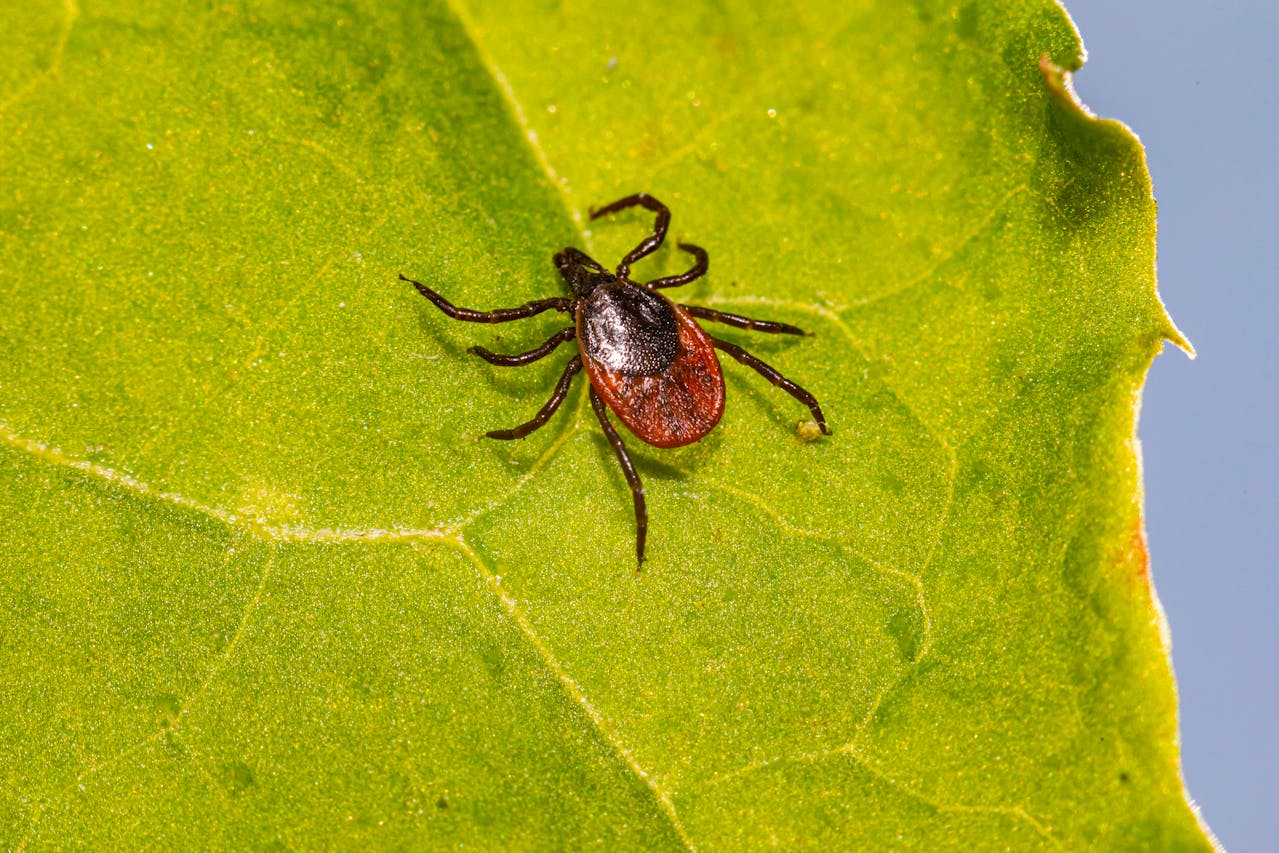
Fleas and ticks at a glance
- Treat your dog with modern products (tablets, spot-on drops or a collar) — essential in the warm season and often all year round.
- Ticks transmit Lyme disease, and increasingly babesiosis and ehrlichiosis in the UK — so protection matters.
- Check your dog after every walk; remove any tick as soon as possible (the risk of infection is lowest within the first 24 hours).
- Fleas live in the home too — treat bedding and the house, not just the dog.
Fleas and ticks in dogs are among the most common parasites causing discomfort to animals and posing a serious threat to their health. Besides itching and skin irritation, they transmit diseases that can be dangerous not only for pets but also for people. In this article, we’ll explore the most effective methods for preventing and controlling fleas and ticks, ensuring your beloved pet stays healthy, active, and happy. You can find more on this topic at Tvaryny.
Why are fleas and ticks dangerous for your dog?
Despite their tiny size, these parasites have a significant negative impact:
- Disease transmission: Ticks can transmit Lyme disease, babesiosis, anaplasmosis, and other infections that cause fever, anaemia, and damage to internal organs.
- Flea Allergic Dermatitis (FAD): Most dogs react to flea saliva, which causes severe itching and skin inflammation.
- Debilitation: In cases of heavy infestation, blood loss from bites can lead to anaemia, especially in puppies and elderly animals.
- Transmission of parasitic worms: Fleas are intermediate hosts for Dipylidium caninum (cucumber tapeworm), which can also infect humans.

The flea life cycle: why is a comprehensive approach needed?
Fleas lay eggs in a dog’s fur, but most of them fall off into the surrounding environment – onto floors, furniture, and bedding. The development stages include egg, larva, pupa, and adult flea. Pupae can remain dormant for up to 6 months, waiting for a favourable moment to hatch. Therefore, treating only the animal is not enough – the home environment must also be treated.
Tick activity and the risk of infection
Ticks are active from early spring to late autumn, whenever the average daily temperature exceeds +4°C. They live in long grass, leaf litter in woods, parkland, and even on garden lawns. Once on a dog, a tick seeks an area of thin skin (behind the ears, in the armpits, in the groin), where it attaches and feeds on blood for up to 10 days. The longer the parasite remains on the body, the higher the risk of infection transmission.
Key prevention methods
1. Systematic treatment with modern products
Choose vet-approved products and use them according to the instructions:
- Spot-on drops (e.g., fipronil, imidacloprid, selamectin) – act quickly and protect for up to 4–6 weeks.
- Oral tablets (e.g., fluralaner, afoxolaner, sarolaner) – provide even, internal protection without odour or residue on the fur.
- Collars with slow-release active ingredients – convenient to use and effective for up to 8 months.
- Sprays and shampoos – suitable as an initial solution if a large number of fleas are found, but require frequent reapplication.
2. Regular inspection of your dog
After walks in parks and wooded areas, inspect your dog’s fur within the first 2 hours. Pay particular attention to the ears, neck, groin, armpits, and paw pads.
3. Maintaining a clean home
- Vacuum floors and furniture at least twice a week.
- Wash bedding at a temperature of at least 60°C.
- Use insecticidal aerosols or foggers for indoor areas in case of heavy infestation.
4. Control of wild and stray animals
Contact with stray dogs and cats or wild animals increases the risk of infestation. Ensure a safe environment during walks.
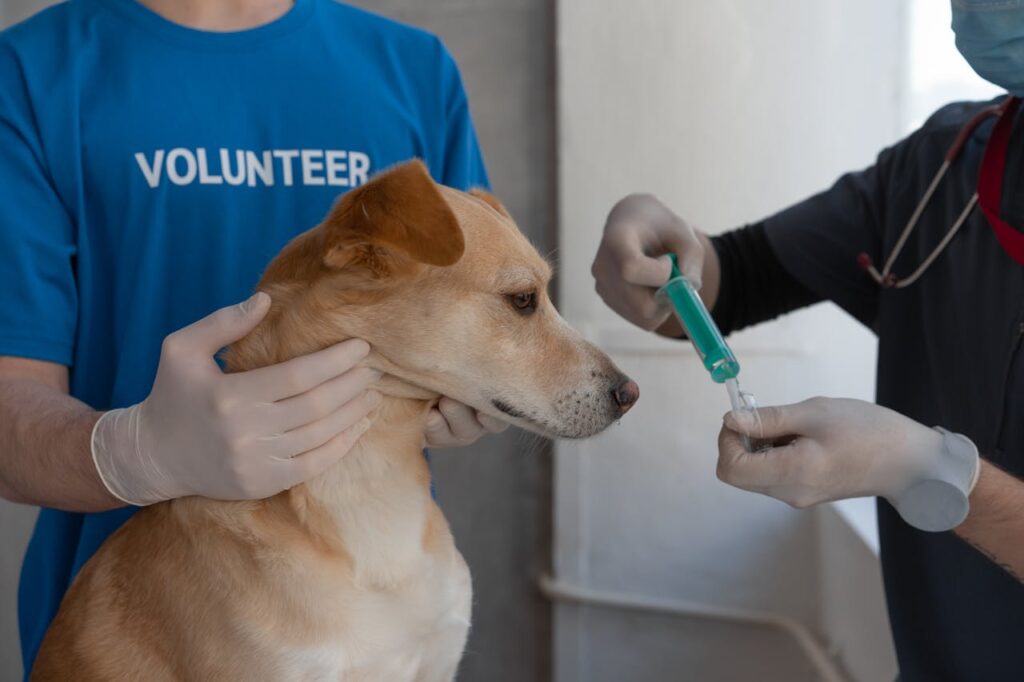
Overview of the most effective flea and tick treatments
| Product Category | Form | Duration of Action | Advantages | Disadvantages |
|---|---|---|---|---|
| Systemic Tablets | Oral | 12 weeks | No odour, even protection | Higher price, possible contraindications |
| Spot-on Drops | Applied to the scruff | 4–6 weeks | Easy to apply, rapid effect | Avoid bathing for 48 hours |
| Collars | Collar | 6–8 months | Long-lasting protection, water-resistant | May cause skin irritation |
| Sprays | Aerosol | 2–4 weeks | Covers the entire body surface | Requires thorough application, odour |
Step-by-step plan when parasites are detected
- Stay calm. Panic can frighten your dog and complicate the procedure.
- Remove ticks correctly. Use a special tick remover tool or tweezers, grasping the parasite close to the skin and twisting gently. Do not squeeze the tick’s body, as this can inject infection.
- Treat the bite site with an antiseptic. Chlorhexidine or hydrogen peroxide are suitable.
- Apply a fast-acting insecticidal spray or shampoo if you see fleas in the fur.
- Apply a preventative product (spot-on or tablet) according to your dog’s weight.
- Disinfect your home. Vacuum and clean floors, furniture, and bedding.
- Monitor your dog’s condition for 30 days: if you notice fever, lethargy, or changes in appetite, contact your vet immediately.
Common mistakes made by dog owners
- Using one product for all situations: It’s important to alternate active ingredients to avoid parasite resistance.
- Incorrect dosage: Products are clearly divided by weight; overdosing can be toxic, while underdosing is ineffective.
- Lack of a seasonal schedule: Some owners only treat their dogs in summer, even though ticks can be active from March onwards.
- Ignoring environmental treatment: Without disinfecting the home and garden, fleas quickly return.
FAQ: Answers to frequently asked questions
Does my dog need treatment in winter?
If you live in a region with mild winters or frequently visit wooded areas, year-round protection is recommended. Fleas can survive indoors all year.
Are flea and tick treatments safe for puppies?
Most products are licensed for use from 8 weeks of age and a certain weight. Always read the instructions and consult your vet to choose a safe product.
Should I bathe my dog before applying spot-on drops?
Yes, but at least 48 hours before treatment, to allow the skin’s natural oils to replenish so the active ingredient can distribute evenly.
How often should I check my dog for ticks?
After every walk in areas with long grass or bushes. The sooner you find and remove a tick, the lower the risk of infection.
Conclusion
A comprehensive approach is the key to successful flea and tick prevention in dogs. Combining modern treatments, regular checks, home hygiene, and environmental control will help minimise risks. Plan treatments in advance, rotate products seasonally, and don’t delay a visit to the vet at the slightest sign of ill health. By following these recommendations, you will ensure your pet enjoys a healthy, carefree life, free from parasites.