

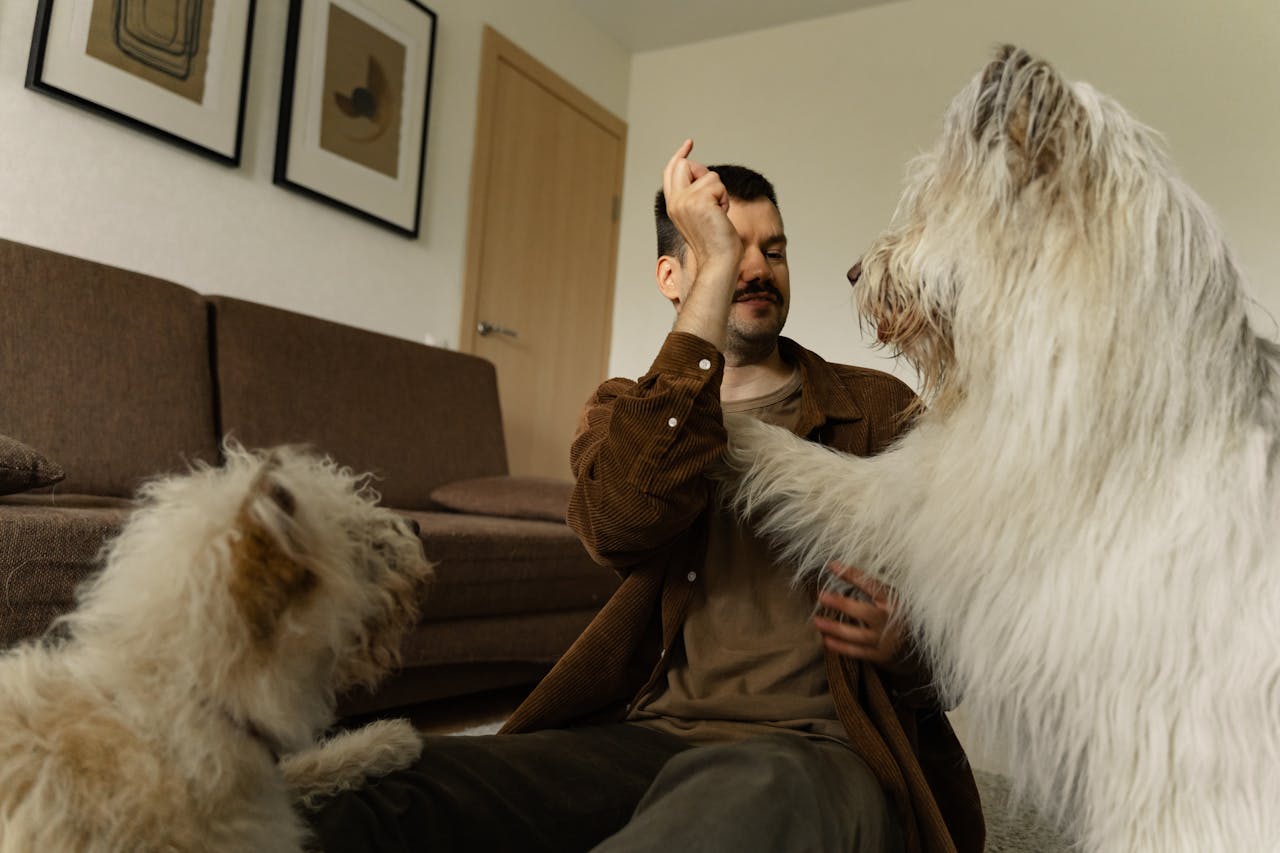
Feeding time with your beloved pet should be one of the most enjoyable rituals, strengthening your bond. But what do you do when, instead of a happy wagging tail, you see a tense posture, flattened ears, and hear an anxious growl over the food bowl? This scenario, familiar to many owners, is called food aggression. It’s one of the most common and, at the same time, most dangerous behavioural problems that can turn your home into a battlefield and erode the trust between you and your dog. But don’t despair! Understanding the causes of this behaviour and adopting the right approach to correction can work wonders. We’ll delve into this in more detail on Tvaryny, breaking down step-by-step how to bring peace and calm back into your home.
What is Food Aggression and Why It’s Not Your Fault
Food aggression (or resource guarding) is an instinctive behaviour where a dog uses threatening signals (growling, snarling, baring teeth, biting) to protect their food from anyone they perceive might take it. This “enemy” could be another animal in the home, a child, or even their most loving owner.
The first and most important thing to realise is that your dog isn’t “bad”, “mean”, or “ungrateful”. Their behaviour isn’t driven by a desire to offend you, but by deep-seated instincts and, possibly, previous negative experiences. Don’t take it personally; instead, see it as a signal that your furry friend is experiencing significant stress, insecurity, and a fear of losing a vital resource.
Main Causes of Aggression Around the Bowl: Getting to the Root of the Problem
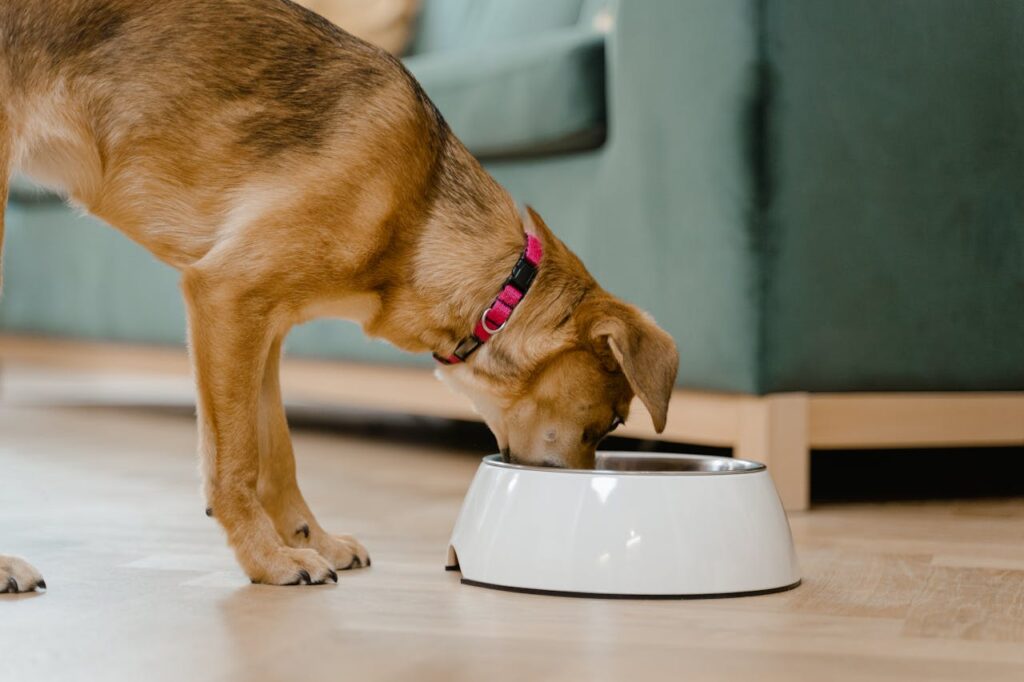
To effectively solve the problem, it’s essential to understand its origin. Food aggression rarely appears out of nowhere. Usually, it’s a combination of several factors.
- Genetics and instincts. For the ancestors of dogs, wolves, fighting for food was a matter of survival. The strongest and most aggressive individuals gained access to resources and had a higher chance of surviving and passing on their genes. This instinct to “guard what’s yours, or starve” still lives on in many domestic dogs.
- Experience of a “hungry” past. This is especially relevant for dogs adopted from shelters or rescued from the streets. If an animal had to compete for every scrap with other dogs, it learns a lifelong lesson: food must be defended at all costs. Even in a new home with plenty of food, this behaviour pattern can persist.
- Incorrect owner behaviour. Often, we unknowingly provoke or exacerbate the problem ourselves. Constantly peering into the bowl, trying to take it away “to show who’s boss”, or feeding the dog in a chaotic atmosphere – all this creates the impression in the animal that its food is constantly under threat.
- Competition with other animals. The presence of other dogs or cats in the home who might approach the bowl often triggers defensive behaviour.
- Medical reasons. Sometimes aggression can be linked to pain. Dental issues, gum problems, or gastrointestinal tract issues can cause discomfort during eating. The dog begins to associate a human’s approach with increased pain and reacts aggressively. Therefore, first and foremost, it’s worth ruling out medical problems by visiting a vet.
Myths and Realities of Food Aggression
Myth: “You have to forcibly take the bowl away so the dog knows who’s in charge.”
Reality: This is the worst thing you can do. Such actions only confirm the dog’s fears that you are a threat to their food. The aggression will only intensify, and next time the dog might skip the growling stage and go straight for a bite.
Myth: “If a dog growls, it needs to be punished.”
Reality: Growling isn’t the start of a fight; it’s a signal, a warning. It’s the dog’s way of saying: “I’m uncomfortable, please back off.” By punishing growling, you’re “teaching” the dog not to warn, but to go straight to biting. This is extremely dangerous.
Body Language: How to Spot a Threat Before the Growl
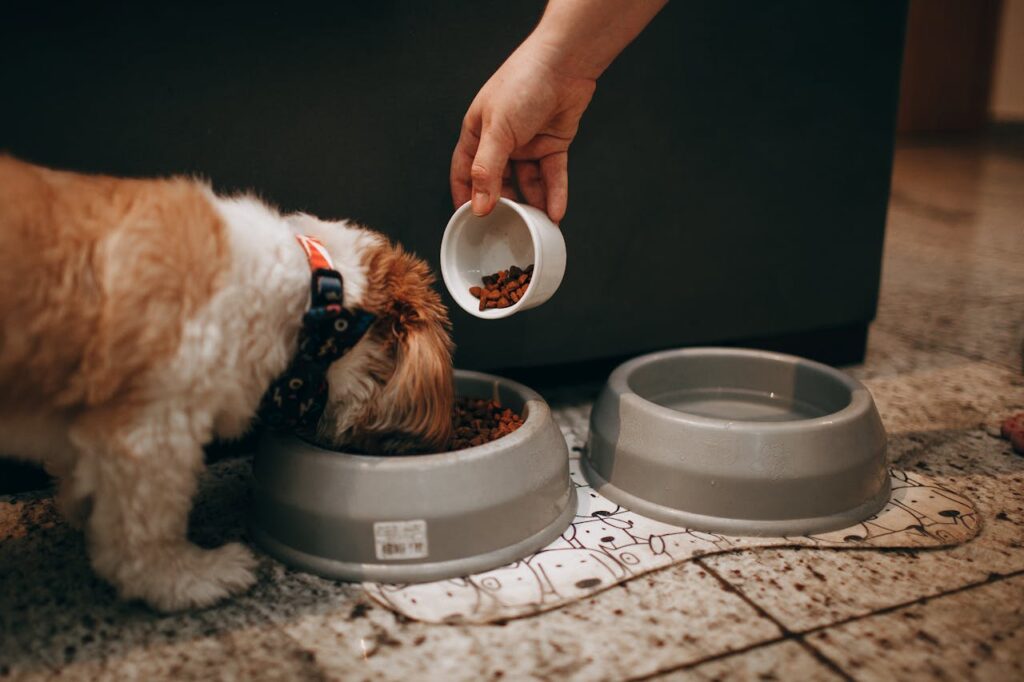
Growling and snarling are already extreme manifestations of aggression. An attentive owner can spot the problem much earlier by paying attention to more subtle signals in the dog’s body language. Timely recognition of these signs is key to safely correcting the dog’s behaviour.
Checklist: Signs of Dog Discomfort Around Food
- Freezing: The dog suddenly stops eating and freezes over the bowl when you approach. Their body becomes tense and rigid.
- Accelerated eating: As soon as you appear in sight, the dog starts eating much faster, trying to swallow everything before you get close.
- “Whale eyes”: The dog looks at you askance, without turning their head. The whites of their eyes are visible.
- Blocking access: The dog stands over the bowl to shield it with their body from you.
- Tense muzzle: Lips are tightly pressed together, and wrinkles may appear around the nose.
- Flattened ears, raised hackles.
If you notice even one of these signals, it’s already the first stage of food aggression. Don’t ignore them! It’s at this stage that correction will be quickest and most effective.
STOP! What You Absolutely Must NOT Do
Before moving on to correction methods, it’s crucial to understand which actions are absolutely unacceptable, as they won’t just fail to solve the problem, but could also lead to tragic consequences.
- NEVER physically punish your dog. Hitting, shaking, or pinning them to the floor is a direct path to escalating the conflict. The dog will understand that their fears were justified, and next time they’ll defend themselves even more fiercely.
- DO NOT shout at your dog. Shouting only increases the level of stress and tension for both the animal and you.
- DO NOT try to take food by force. This is a direct invitation to a bite. You risk serious injury.
- DO NOT tease your dog with food. Pretending to take food away and then giving it back isn’t a game; it’s torture for an animal suffering from food aggression.
Safe Correction: A Step-by-Step Plan for Calm Feeding
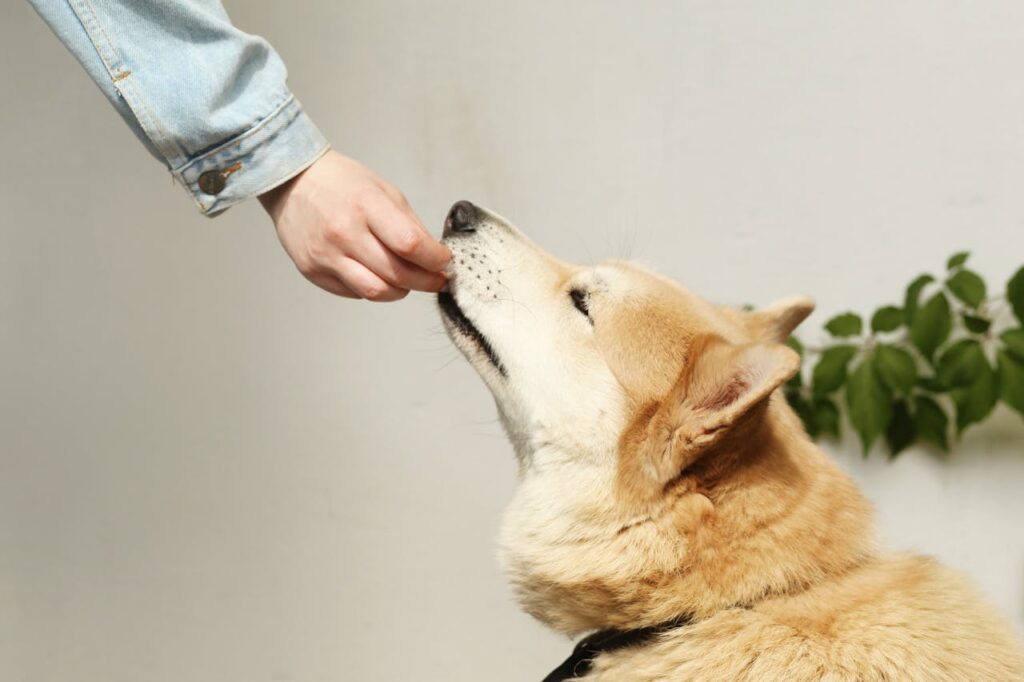
The goal of correction isn’t to “win” against your dog, but to change their emotional reaction to your presence near their food. We need to convince them that a human near the bowl isn’t a threat, but rather a source of even better things! This process is called desensitisation (gradual habituation to a stimulus) and counter-conditioning (changing a negative association to a positive one).
Step 1: Safety and Environment Management
During correction, your main task is to prevent aggressive behaviour from recurring. Each instance of growling or snarling is a step backwards. Therefore, organise feeding so that your dog feels completely safe: feed them in a separate room, behind a closed door, in a kennel, or a crate. Ensure that no one (neither people nor other animals) will disturb them while they eat.
Step 2: Desensitisation. Getting Them Used to Your Presence
Once your dog is calmly eating behind a closed door, begin the work. The essence of the exercise is to walk past the feeding area at a distance where your dog notices you but DOES NOT show any signs of stress.
- Place the bowl down and let your dog begin to eat.
- Walk past at a good distance (e.g., across the hallway).
- If your dog remains calm – excellent. Repeat several times over a few days.
- Very slowly, over weeks, shorten the distance. If your dog tenses up at any point – you’re moving too quickly. Return to the previous distance where they felt comfortable.
Step 3: Counter-conditioning. Human Near the Bowl – That’s Brilliant!
When you can walk past the bowl at a relatively close distance without a reaction, start adding value. You’ll need “super-treats” – something much tastier than their usual kibble (pieces of cooked meat, cheese, special dog treats).
The “Tasty Rain” Exercise:
- While your dog is eating, walk past at a safe distance.
- Without stopping, toss a piece of super-treat near their bowl and continue walking.
- Repeat this every time during feeding. Your dog will start to understand: “Oh, the human is coming, and something even tastier appears! Their arrival is a good thing!”
The “Exchange” Exercise:
This exercise teaches your dog that giving up something valuable is beneficial. Start not with the bowl, but with toys or less valuable items. Offer your dog a particularly enticing treat in exchange for a toy they’re holding. When they give up the item, praise them and give them the treat. Gradually, you can move on to exchanging an empty bowl for a treat, and then a bowl with a small amount of food.
Tip from a Dog Behaviourist
Always work “below the reaction threshold”. This means you should create situations where the dog is guaranteed not to show aggression. If the dog growls – you’ve gone too far or moved too quickly. Take two steps back in your training plan and start with an easier stage. Patience and consistency are your most important tools. Don’t expect results in a single day. Correcting food aggression can take anywhere from a few weeks to several months.
Prevention – The Best Cure
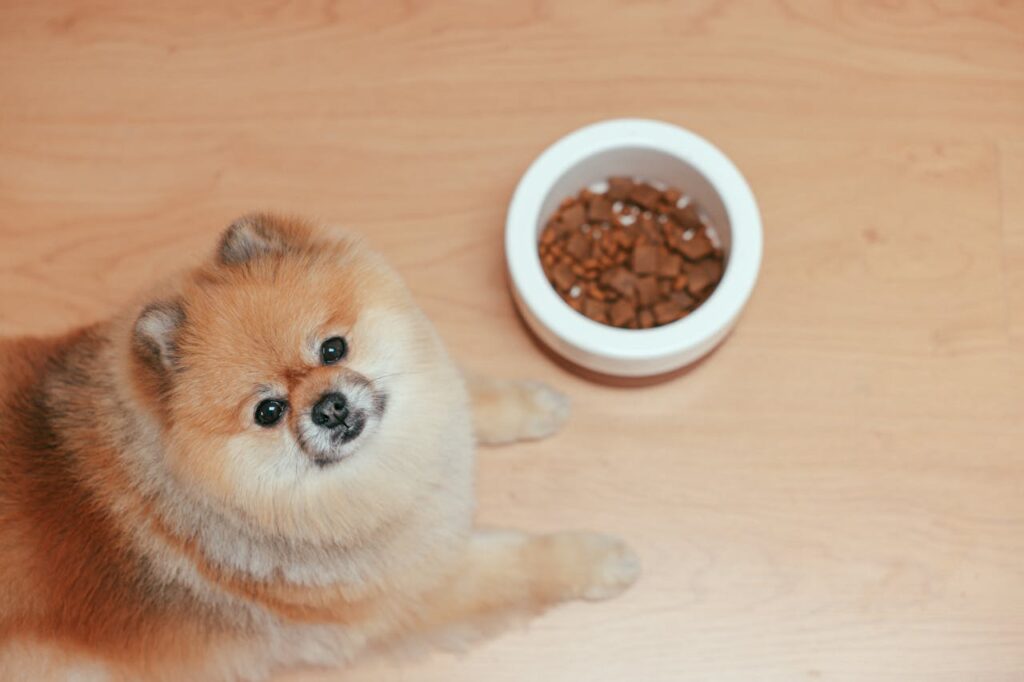
If you have a puppy or a dog without signs of aggression, there are simple rules that can help prevent this problem from developing:
- Feed your dog in a calm place, where they won’t be disturbed.
- Never take the bowl away without reason. If you need to clear the bowl, first call your dog to another room and give them a treat there.
- Practise “positive addition”. From time to time, approach your dog while they’re eating and drop something tasty into their bowl. This way, from puppyhood, they’ll learn that your hands near their food bring only good things.
- Teach the “Drop It” or “Exchange” command with toys, making the process fun and positive.
When is it Time to Call in a Professional?
While many cases of mild food aggression can be remedied independently, there are situations where the help of a qualified animal behaviourist (zoopsychologist) or a dog trainer who uses humane methods is absolutely essential.
Seek help immediately if:
- Your dog has already bitten or attempted to bite (lunged).
- Aggression is displayed not only around food, but also around toys or resting places.
- Aggression is directed at children. This is a zero-tolerance situation that requires immediate intervention.
- You see no progress within a few weeks or you’re scared to work with your dog on your own.
The Path to Trust: Patience and Love as Key Tools
Correcting a dog’s behaviour, especially something as complex as food aggression, is a marathon, not a sprint. Every dog is an individual, and what worked for one in a week might take months for another. The main thing is not to give up.
Remember, you’re not just “teaching your dog not to growl by the bowl”. You’re restoring their trust in the world and in you. You’re showing them they’re safe and no longer need to fight for their existence. Every calm meal, every successful exercise – it’s a building block in the foundation of your new, harmonious relationship, built on understanding, patience, and love.