

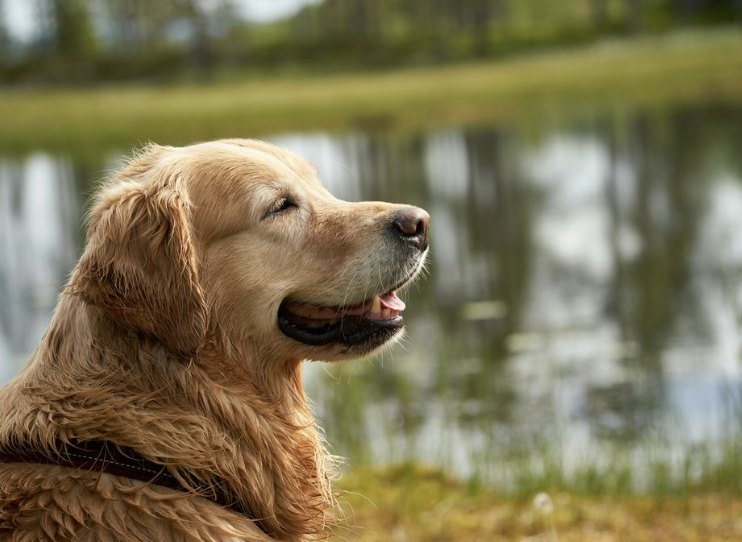
Drop everything, grab the leash, and lace up those trainers! If you think every dog is supposed to be a social butterfly, zooming around the park with every tail that wags by, I’ve got some news for you. The world of dog training is far more complex and fascinating than those rosy clichès. Here at tvaryny.com, we are constantly pushing the idea that you need to listen to your dog rather than forcing them into some cookie-cutter mold of the “ideal pet.” Your four-legged athlete might be an agility genius or a frisbee champion, but they might also want absolutely nothing to do with other dogs in their personal space. And that is perfectly normal!
Let’s get the facts straight: socialization isn’t about making your dog best friends with every Labrador they meet. It’s about the ability to calmly ignore distractions and stay focused on you. If your dog is an introvert, they aren’t “broken” – they simply value their inner drive and your company more than some random park meetup. Owners often mistake this lack of interest for aggression or cowardice, trying to “fix” something that isn’t broken. So, how do you tell where shyness ends and true hündische introversion begins?
1. The “Busy” Nose: Displacement Behavior as a Shield
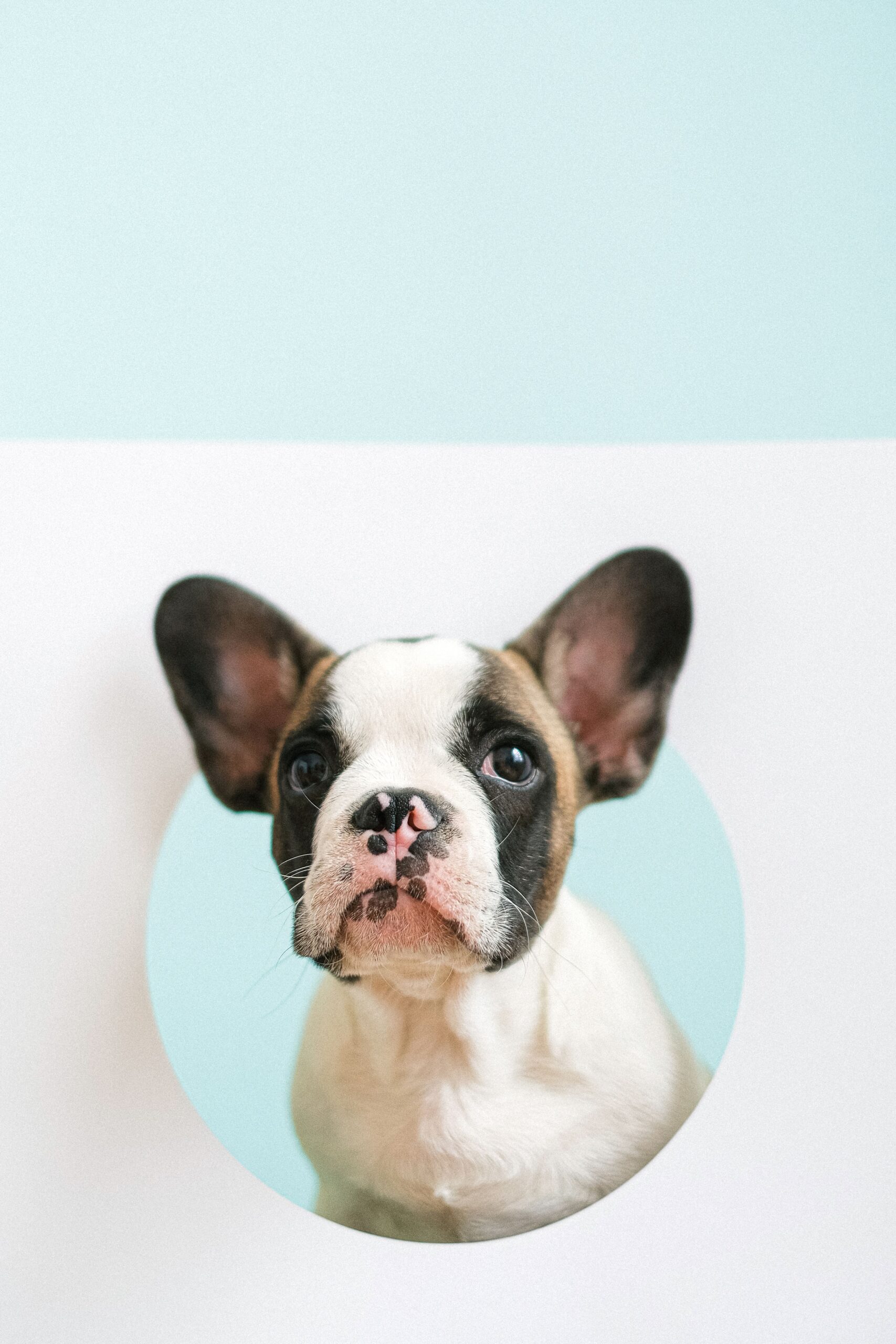
You’re heading toward the dog park where a pack is running wild, and your dog suddenly becomes the world’s most intense grass-inspector? That’s a classic move! When a dog starts sniffing the ground the second another dog approaches, it’s rarely about a fascinating scent. This is what we call displacement behavoir. Your dog is basically saying, “I’m super busy right now, I’m not looking at you, I’m not even here, just keep moving.”
It’s a subtle way to avoid conflict or unwanted interaction without showing aggression. In these moments, it’s crucial not to apply pressure. If you see that nose glued to the ground “just in time,” give them the space they are asking for. Don’t drag them over to “say hello,” as that will only send their stress hormones through the roof. They just need their bubble respected.
2. The Quick “Sup” and Immediate Exit
Introverts don’t necessarily avoid other dogs 100% of the time. They can be perfectly polite when they want to be. The mark of a true introvert is the short greeting ritual – a quick sniff for 3-5 seconds – followed by an immediate return to their own business or to you. If your dog turns away right after the “nose-to-nose” contact without trying to initiate play, you’ve got a little philosopher on your hands.
- They don’t run in circles trying to get others to chase.
- They don’t freeze in a tense pose (which would be a warning sign).
- They simply finish the social “check-in” and get back to work with you.
For a dog like this, the ideal walk isn’t the chaos of a crowd. It’s a long hike in rugged terrain where they can use their energy through movement rather than meaningless interaction. Respect this right to privacy. As dogs age, this need for social distance often increases, and it’s vital to ensure that their withdrawal isn’t actually a sign of hidden pain or symptoms of joint dysplasia in larger dogs, which can make social interaction physically taxing.
3. Micro-Stress Signals: Yawning and Lip Licking
These are the signals that most owners completely miss. Your dog is standing next to another pooch and suddenly yawns? It’s not boredom. It’s a calming signal. Or maybe they quickly flick their tongue out to lick their lips, even though there are no treats in sight? That’s a micro-signal that the situation is making them uncomfortable.
Introverts often use these signals preemptively. They are trying to tell the world, “Hey, I’m cool, but please keep your distance.” If you’re busy chatting with another owner while your dog is “gritting their teeth” through the encounter, you’re losing trust points with your partner. A great handler sees these details early. It’s just as important as knowing how to spot non-obvious signs of heatstroke in dogs when you’re out training in the sun – you have to know your dog’s baseline.
An introverted dog isn’t a burden – it’s a superpower. These dogs usually have a fantastic focus on their handler. To them, you are the center of the universe, and everything else is just background noise.
4. Human Focus as Priority Number One
Watch how your dog behaves in busy areas. If they are constantly checking in with you, shoving a toy into your hand, or trying to position themselves between you and other dogs, they aren’t being “jealous.” They are looking for support or trying to redirect your attention to a shared activity to avoid interacting with their peers.
This is the dream state for performance sports! In agility or obedience, these dogs get incredible results because nothing distracts them. In everyday life, this behavoir can still seem weird to some. They might ignore play invitations and just wait for you to move on. It’s not coldness – it’s high selectivity. This kind of dog values quality over quantity in their relationships.
5. The “Social Hangover” After a Walk
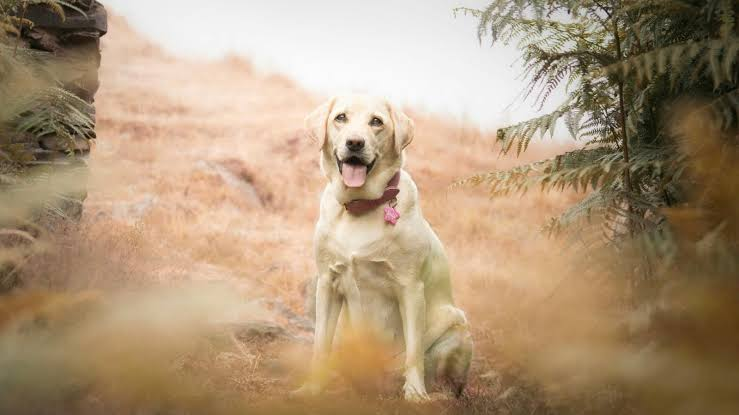
Check your dog’s vibe after a park visit or a show. An extroverted dog will be hyped and happy (even if physically tired). An introvert, however, will seem mentally drained. They might get home and immediately disappear into the furthest corner of the house, ignoring even their favorite evening rituals.
This is sensory overload. They need a reset in total peace. If your dog looks like they just finished a double shift at the factory after a “fun” playdate, stop dragging them there. Your drive should be about expeditions for two, new tricks in the quiet of your home, or gear work without a crowd. Realizing you might be pushing too hard is part of being a great teammate.
Comparison Table: Introvert vs. Anxious Dog
| Feature | Introverted Dog | Anxious/Fearful Dog |
|---|---|---|
| Reaction to approach | Calm ignoring or brief contact | Shaking, tucked tail, flight attempt |
| Body Language | Relaxed but focused on owner | Tense, ears pinned, whites of eyes visible |
| Owner Contact | Actively seeks work and play | Seeks rescue, may “freeze” |
| Post-Interaction | Recovers quickly, shifts focus | Can’t calm down, heavy panting |
How to Thrive with an Introvert
The most important rule: ignore the “experts” in the neighborhood who claim you need to force socialization. Your priority is your dog’s trust in you. Be their fortress. If you see an off-leash dog charging toward you while the owner yells “he’s friendly,” don’t be afraid to be assertive and stop the strange dog. Your introvert needs to know you’ve got the situation handled so they don’t have to fight for their peace alone.
- Choose walk times when it’s quiet. A morning in the woods is your paradise!
- Focus on brain games: nosework, scent work, complex tricks.
- Use a “yellow ribbon” on the leash – the international sign that a dog needs space.
- Learn to read the room. Your dog talks to you every second; you just have to listen.
Remember, an active lifestyle doesn’t have to mean a crowd. It means your pace, your summits, and your loyal partner who values your whisper more than the barking of the whole world. Build that bond, develop the passion through play, and never force an introvert to be something they aren’t. True friendship is about respecting boundaries, even if those boundaries are a wet nose that just wants to sniff a tree in peace.
Stop doubting yourself! Your dog is an incredible athlete with a unique character. Protect their inner peace, and they will reward you with an intensity during trainning that owners of “party dogs” can only dream of. Now, go out and enjoy your next adventure together!