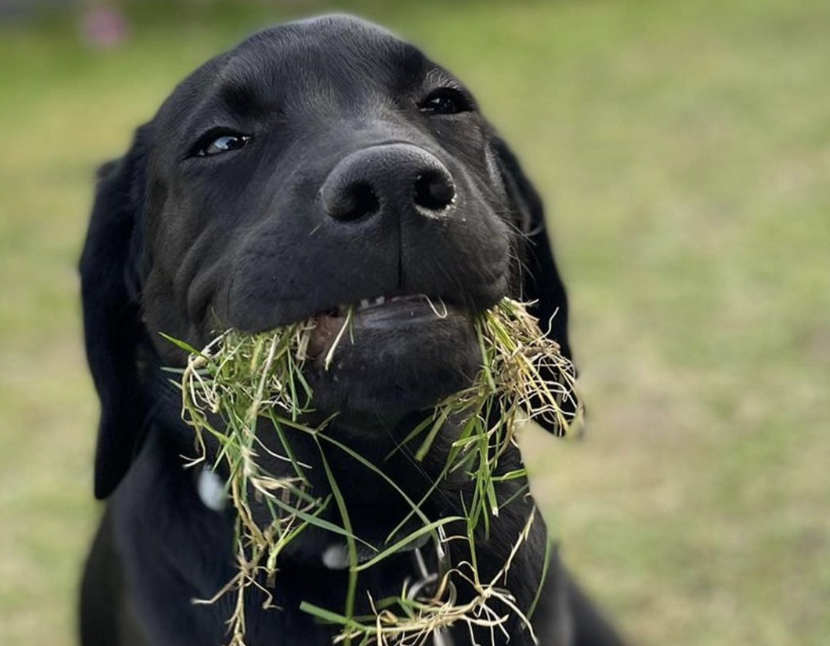
Grab the leash, click the clicker, and lace up your sneakers - we're kicking off a high-energy training session! But wait, why did your speedster or your prize-winning champion suddenly stop and start grazing the lawn like a cow? If you think they're just starving or suddenly went vegan, take a deep breath. At tvaryny.com, we polish our canine knowledge daily to ensure your bond with your dog stays at peak level. It is time to solve this "green quest" step by step.
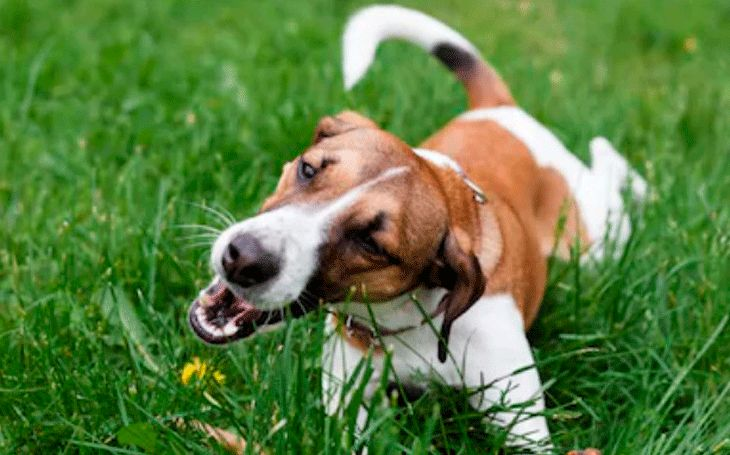
When we're on the course practicing a tunnel or slalom, every second counts. However, in life away from the ring, a dog is guided by their nose and instinct. Many owners panic when they see their dog devouring grass like it's a juicy steak. Vets have long since crossed hunger off the list of main reasons. This isn't a calorie deficit. It is a complex biochemical and behavioral game that we humans are just beginning to learn how to read. Forget the myths and switch to expert mode - here is the real deal from the pros.
Reason #1: Starting the Digestive Engine and Fiber
Your dog is a perfectly tuned machine. But even a top-tier athlete needs high-quality fuel and a regular system cleaning. Grass is a natural source of roughage. Most modern pet foods are balanced, but sometimes the oeganism needs an extra "brush" for the intestines. Plant fibers stimulate peristalsis. This helps the food bolus move through the digestive tract more efficiently. This is especially vital for powerful breeds like the fluffy Samoyed, whose digestive system needs to stay in top gear for those high-energy adventures.
Remember the wild ancestors of our champions. During the hunt, they ate their prey whole, including the stomach contents which contained already digested greenery. For a dog, nibbling grass is literally a call of the wild. It is a way to get enzymes that help digest proteins. If your athlete turns into a "lawnmower" too often, it's worth checking if they're lacking fiber in their bowl.
Mechanical Cleaning of the Stomach
Have you ever seen a dog gulp down long blades of grass without chewing? That's no accident. Long, rough grass irritates the lining of the stomach and esophagus, triggering the gag reflex. It's not a pretty sight, but for the dog, it's a method of getting rid of excess mucus, bile, or accidentally swallowed hair. Think of it as a natural detox after intense exercise or a long forest trianing session.
"Grass isn't food for a dog; it's a tool. Canines treat vegetation as both a biological supplement and a mechanical stimulant. The key is keeping an eye on the quality of the lawn."
Reason #2: The Search for Micronutrients and Folic Acid
Even with the best vitamin supplements, a dog's body can lack certain components in fresh form. Green grass is a goldmine for chlorophyll and folic acid (Vitamin B9). These elements are essential for blood formation and supporting the immune system. When a dog senses a micro-deficiency, they instinctively seek a remedy. Suddenly, the nearest meadow becomes their private pharmacy.
It's fascinating to watch highly intelligent breeds acting like canine bio-hackers. Even a unique Chinese Crested dog might be very selective, choosing only the young shoots where nutrient concentration is highest. That's pure intelligence in action, not just a simple case of the munchies. Vets often emphasize that these behaivors have a deep physiological basis and shouldn't be ignored if they become obsessive.
Reason #3: Tension Release and Stress Management
Agility isn't just physical work; it's mostly mental. Sometimes emotions run high, and a dog needs to "ground" themselves. Eating grass can be a displacement behavior. If a dog doesn't know how to handle excess energy or cognitive exhaustion after training, they switch to a simple, repetitive task - chewing. This helps them calm down and process new information.
This works much like humans who chew on their fingernails or a pen in stressful moments. Chewing relaxes the nervous system, lowers cortisol levels, and allows the dog to find their balance again. If you notice your partner diving into the grass after a difficult run on the course or a tense encounter with another dog, now you know: that's their way back to a "Zen state."
| Reason | Symptoms | What to do? |
|---|---|---|
| Lack of fiber | Regular eating, no vomiting | Add more veggies to the food |
| Stomach cleaning | Fast gulping of long blades | Observe, don't panic |
| Stress / Boredom | Slow chewing, distracted | Switch activities, play |
| Taste | Choosing young blades | Allow it in clean areas |
Reason #4: Canine "Social Media" (Chemical Communication)
The dog's world is a world of smells. To them, every blade of grass is a post on Facebook. Other dogs leave traces there that contain a wealth of data: gender, age, health status. When a dog puts grass in their mouth, they use the vomeronasale organ to perform a deep chemical analysis. This isn't food in the literal sense; it's data collection.
Your dog might be chewing the grass to better "read" a neighbor's pheromones. Vets often explain that what looks like a patch of weeds to us is the hottest topic of the day in the neighborhood for the dog. So, don't interrupt your pro while they're "checking the news" during training breaks. They're just seeing what's new in the dog world.
Reason #5: Enjoying the Taste and Endorphins
Let's be honest: sometimes dogs just like it! Young spring grass is sweet, juicy, and crunchy. It offers new tactile sensations, which is a welcome change for an active dog constantly on the move. Eating this kind of grass can stimulate the release of endorphins. It's pure enjoyment!
- Young couch grass contains sugars that naturally attract animals.
- Dew on the grass can be an extra source of hydration during training.
- Texture variety helps keep those sensory receptors sharp.
Safety First: When Should You Worry?
While eating grass is perfectly normal in most cases, as a trainer, I place great value on safety. The urban lawn is not exactly a five-star restaurant. Pesticides, herbicides, fertilizers, and parasite eggs are real dangers lurking in that lush green.
- Avoid chemically treated areas in city parks.
- Don't let your dog eat grass near busy roads (heavy metals).
- Make sure they don't catch toxic plants (e.g., yew, lily of the valley, azaleas).
- If your dog vomits more than 2–3 times in a row after every "grazing" - head to the vet for a checkup.
Your dog is a unique personality with their own habits. Grass-eating is just one of many aspects of their fascinating nature. The important thing is that it doesn't become an obsession that makes training or walks difficult. Pay attention to your partner's signals and don't forget: an active lifestyle is the best remedy for most problems!
So, all clear? Then grab the toy, call your dog, and go conquer the world! And if they want to nibble on a blade of grass again, you now know that's just their way of being in harmony with nature. See you on the field!
"Understanding your dog's motivation is 90% of the success in any sport. Be attentive to details, and your friend will thank you with a great result!"
Remember that every move your dog makes has a reason. Even if it's just the desire for some juicy grass on a sunny morning. The most important thing is that you're a team, ready for any challenge. Until next time, you agility maniacs!