

You lace up your trail running shoes. You grab your favorite brightly colored leash. The carabiner clicks, and you and your furry partner are ready to hit the park trails. A morning run, fresh air, pure energy in every movement! We fans of an active lifestyle know this magic all too well. It’s exactly during these runs or walks that we constantly cross paths with other dogs. You spot a gorgeous Husky or an athletic Pitbull coming your way. Your first reaction? You stare at them. You try to catch their eye, thinking, “What a cool dog.” But stop. Hit the brakes. Here at tvaryny.com, we frequently dive into the psychology of our four-legged friends. Now, speaking as an agility trainer, let me explain why your friendly gaze might actually act as a detonator for a ticking time bomb.
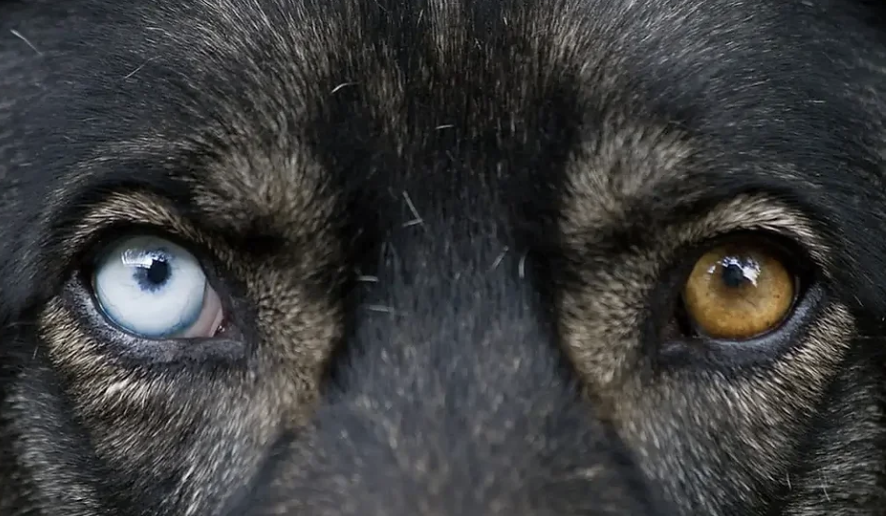
We are used to measuring the world by human standards. In our society, making eye contact during a conversation is a sign of respect, openness, and interest. But the animal kingdom plays by a completely different set of rules. For a dog, especially a strange one, a direct, unbroken stare is absolutely not a compliment. It is a provocation. A threat. It is the equivalent of locking onto a target before an attack or a harsh test of dominance. You might be smiling from ear to ear. Your body language, however, is screaming: “I’m challenging you, get ready!” And believe me, you realy don’t want to test which reaction this specific dog will choose – fight, flight, or freeze.
The Anatomy of Eye Contact: Why Eyes Are a Weapon
On the agility course, I spend months teaching my dog to maintain focus on me. We train eye contact as the highest form of trust. When my Border Collie flies over a hurdle, he looks for my eyes. He wants to know which direction the course takes next. However, this connection is built on tons of treats, play, mutual respect, and safety. We are simply “us.”
But when you lock eyes with a strange dog on the street, it triggers an ancient predator instinct. In the wild, wolves and wild dogs use a direct stare in a few very specific situations. It happens during a hunt (fixating on prey), when establishing hierarchy (who is the boss?), and right before a fight. The dog catching your gaze tenses up instantly. They begin to analyze your every micro-movement.
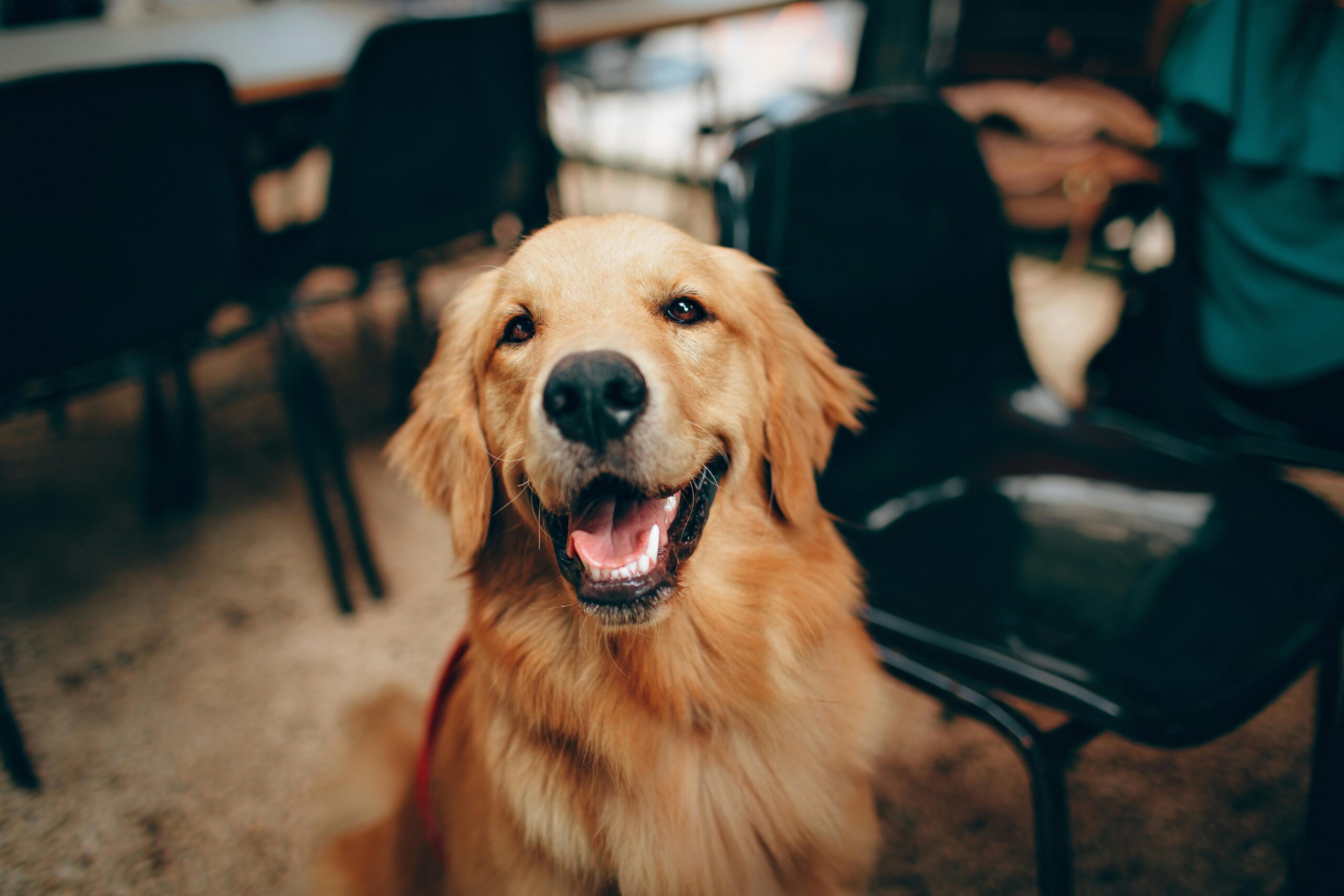
You might think: “But his tail is wagging!” Oh, that is my absolute favorite trap for beginners. Tail wagging does not equal happiness. A tail held high, tense, and vibrating with short, quick movements is a sign of extreme emotional arousal. It is pure adrenaline. If you continue to pierce them with your stare in this moment, that adrenaline can easily tip over into aggression. The dog is simply defending their personal space.
The Physiology of Stress: What Happens Inside the Dog
When you stare intensely at a dog, a cascade of reactions kicks off inside their body. Cortisol levels explode. Pupils dilate, and breathing quickens. Muscles gorge with blood, prepping for a sudden leap. The animal’s overall health and baseline stress levels play a massive role here.
Imagine this dog has hidden pain or severe stomach cramps. Some people think kibble is just kibble. They don’t even bother to check if dogs can safely eat cat food, tossing whatever is handy into the bowl. But a poor diet with the wrong proteins and fats completely throws off their liver and kidneys. A dog suffering from an upset stomach or joint pain has zero stress tolerance. Your stare is the proverbial straw that breaks the camel’s back.
A sick dog is a reactive dog. Any physical discomfort multiplies behavioral issues by ten. Just as owners often overlook early symptoms of feline urinary tract disease, dog owners miss subtle signs of chronic pain. You might be looking at them affectionately, but they see an enemy. An enemy trying to strike them down in a moment of weakness. A stressed animal will always defend themselves much more fiercely.
Calming Signals: How Dogs Ask Us to Stop
If you have accidentally found yourself “stuck” staring at a stranger’s dog, you need to learn how to read their response. Norwegian expert Turid Rugaas brilliantly described these “calming signals.” It is a specific body language dogs use to lower the temperature of a conflict. They are essentially saying: “Hey, I’m not looking for trouble, calm down.”
- Licking the nose: A very quick, barely visible flick of the tongue. It doesn’t mean they are hungry. It is a sign they feel uncomfortable under your gaze.
- Turning the head away: The dog looks away almost deliberately. They expose their neck – their most vulnerable spot. They are demonstrating peaceful intentions and breaking eye contact.
- Yawning: You haven’t bored them. Yawning releases muscle tension in the jaw. It is a classic indicator of stress.
- Slowing down movements: The dog suddenly starts walking very slowly, almost in slow motion. This is an attempt not to provoke you with abrupt movements.
- Sniffing the ground: A sudden and intense investigation of the pavement, even though nothing is there. The dog acts as if they are super busy to ignore your threatening stare.
Dogs are constantly talking to us. The problem is that we humans are too self-absorbed to listen to their body language. Just look away – and you will see the dog heave a sigh of relief.
From the notes of an agility trainer
Differences in Perception: Human vs. Dog
To sum it all up, I’ve put together a handy table for you. Memorize it for your next trail run or walk in the park. This is the absolute foundation you need to understand dog psychology.
| Action / Gesture | What the human thinks | What the dog understands |
|---|---|---|
| Direct eye contact | “What a cute dog, I want to say hi” | “This two-legged creature is preparing to attack, they are fixating on me” |
| Leaning over | “I’m just going to pet you on the head” | “Dominance, suppression, mortal danger” |
| Broad smile with teeth | “I am friendly and happy” | “They are baring their teeth – that’s a predator’s grin” |
| Reaching out suddenly | “I’ll let him sniff my hand to make friends” | “Direct strike into my personal space” |
Running Routine: How to Pass Strange Dogs Safely
Picture the scene: You are flying down a forest trail, a heavy beat is pumping through your headphones, and your heart rate is right in the zone. Someone is walking toward you with a dog (often off-leash because “he doesn’t bite”). Your sudden appearance at high speed is already a trigger for a guard or herding dog. If you stare at them on top of that, you automatically turn yourself into a target.
So, what should you do to ensure your workout doesn’t end with torn leggings and a trip to the ER? We follow the playbook of dog sports professionals. We need to be predictable and calm so we don’t pose a threat.
- Run an arc: Never run head-on toward a dog. In canine etiquette, a direct approach is incredibly rude and reads as an attack. Veer off slightly and bypass the duo in a gentle curve. This instantly lowers the tension level.
- Look away: Look at the dog’s owner, the trees behind them, or your running shoes – anywhere but into the dog’s eyes. Use your peripheral vision. We athletes know exactly how to control the space out of the corner of our eye.
- Slow your pace: If the animal looks tense (tail like an antenna, ears forward, body like a coiled spring), downshift to a walk. Your running triggers their prey drive.
- Don’t wave your arms: Keep your arms close to your torso. Sudden, erratic movements are interpreted as preparation for a strike or an invitation to a rough game where grabbing your sleeve is fair play.
- Speak to the owner: A calm human voice (preferably not too high or squeaky) often makes it clear to the dog that you are a normal passerby, not a monster emerging from the woods.
Agility Lifehacks for a Safer Life
On the agility course, we operate at maximum speed. The handler (that’s me) sprints, indicating direction with shoulders, hands, and eyes. Off the course, however, I always teach my students to respect the space of others. If we want our fluffy athletes to stay physically and mentally healthy, we have to stop projecting human emotions onto them.
See a gorgeous dog on the street and want to express your admiration? Tell their owner! Praise their appearance, ask about the breed, or compliment their well-groomed coat. But leave the dog itself alone. Let them just be a dog. Your “invisibility” and avoidance of direct eye contact are the best gifts you can give them.
A true bond with a dog isn’t forged by forcing them to look at you. It is created when they want to look into your eyes on their own, knowing they will find safety there.
Owner Mistakes: When Looks Provoke Conflicts
It happens all the time. You are out walking your four-legged friend, and another dog approaches. As a caring owner, you start staring intensely at the stranger’s dog to assess the danger. You hold your breath. Your dog feels this tension almost instanly! They feel it through the tight leash, your stiff posture, and that fixated stare. Your dog thinks: “Wow, my pack leader is tense and staring at that guy. This must be an enemy. I need to attack first!” And just like that, two sweet retrievers lunge at the ends of their leashes, unleashing a local armageddon.
What should you do instead? Relax. Keep the leash loose (we call it a “leash smile”). Shift your gaze to your own dog, say something cheerful, and reward them for focusing on you. Show them that the strange dog is just part of the scenery and doesn’t deserve your attention. In dog training jargon, we call this redirection. It saves your nerves, your equipment, and your good reputation in the park.
Conclusion: Act Like a Pro
The dog world is a world of body language, movements, and barely noticeable signals. Once you learn to read them, your walks, training sessions, and hikes will become infinitely more relaxed. You will stop being a source of stress for unfamiliar animals and become a predictable, “understandable” entity to them. And that is the highest form of canine respect.
So, the next time you encounter a fantastic, unfamiliar dog on a narrow trail, keep your excitement to yourself. Nod to the owner, look up at the tree canopy, slightly drop your pace, and walk calmly by. Then, maybe out of the corner of your eye, you will notice the dog trotting away relaxed and content. They will be wagging their tail – not out of stress, but out of pure doggy joy.
Grab the leash, pocket a handful of high-value treats, check the fit of your running shoes – and get out there to train! Movement is life, and moving correctly means staying safe. See you on the trail!