

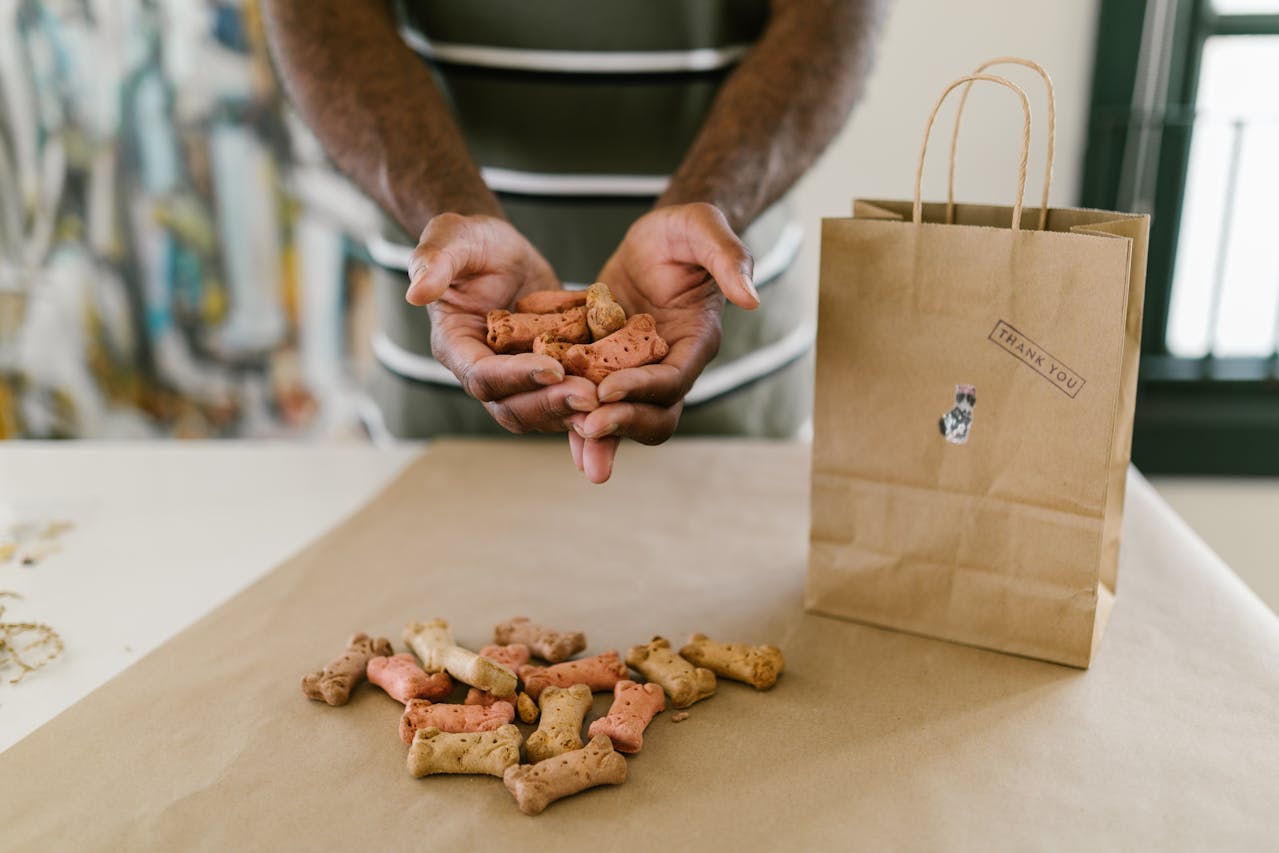
It’s a familiar sight: you’ve put a fresh bowl of aromatic cat food down, and your dog is right there, eyes full of pleading and hope. Or perhaps it’s the other way around, with your cat aristocratically ignoring their own bowl, only for you to find them later munching on dog biscuits. It might seem cute or harmless, but is it really safe? The question of whether dogs can eat cat food, and cats can eat dog food, is one of the most common among pet owners. And the answer is far more complex than a simple “yes” or “no.” Let’s break down all the nuances together. We’ll delve into this and much more right here on Tvaryny.
As a vet, I see the consequences of improper pet nutrition every day. Often, health problems that owners attribute to age or genetics are actually a direct result of long-term dietary mistakes. And feeding a pet a food not designed for its specific species is one of the most serious of those errors. This article is your detailed guide to the nutritional needs of dogs and cats, helping you understand why manufacturers create different formulas and why ignoring these differences could be costly for your pet’s health.
A Quick Answer for Those in a Hurry
In short: no, you can’t. A one-off snack of a small amount of the wrong food will most likely not cause a disaster (though it might lead to a mild tummy upset). However, regularly feeding your dog cat food, and especially your cat dog food, is extremely dangerous and can lead to serious, sometimes irreversible, health problems.
Now, let’s get to the most important part: the detailed explanation of “why.” Understanding the reasons behind it will help you grasp the full seriousness of the situation.
Why Cat Food is Not for Dogs: A Look at the Ingredients
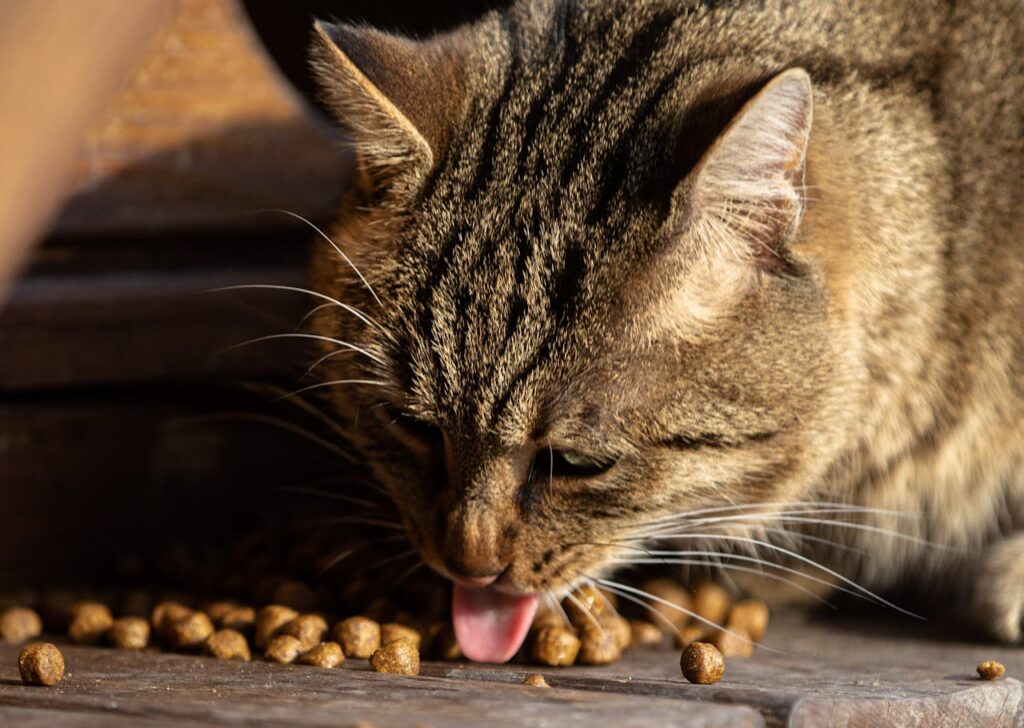
At first glance, dog and cat food kibbles may look the same. But their biochemical compositions are fundamentally different, as they are formulated to meet the needs of two completely different biological species.
- Excessively High Protein Content. Cats are obligate carnivores. Their bodies have evolved to digest and utilise a diet composed almost entirely of animal tissue. That’s why quality cat food contains a very high percentage of protein (usually 30-45%). Dogs, while also carnivores, are facultative omnivores. They are able to efficiently absorb nutrients from both meat and plant-based foods. Their protein requirement is significantly lower (18-25%).
Consequences for the Dog: Regular consumption of excess protein places a colossal strain on a dog’s kidneys and liver. This can lead to the development or worsening of chronic kidney failure and other metabolic disorders. - Exaggerated Fat Content. Cat food is considerably fattier to meet the high energy needs of felines. Dogs don’t need this amount of fat.
Consequences for the Dog: The most common issues are obesity and pancreatitis (inflammation of the pancreas). Pancreatitis is an acute and very painful condition that can be life-threatening. An excess of fat can also cause diarrhoea and other gastrointestinal upsets. - Incorrect Vitamin and Mineral Balance. While many vitamins are needed by both species, their proportions in the food are different. For example, cat food may contain levels of certain trace elements that, with prolonged consumption, can become toxic to a dog.
Conclusion: If a dog eats cat food occasionally, it’s like a person eating fatty fast food all the time. It’s tasty, high in calories, but in the long run, it’s a direct path to obesity, and problems with the pancreas, kidneys, and heart.
Why Dog Food is Mortally Dangerous for Cats
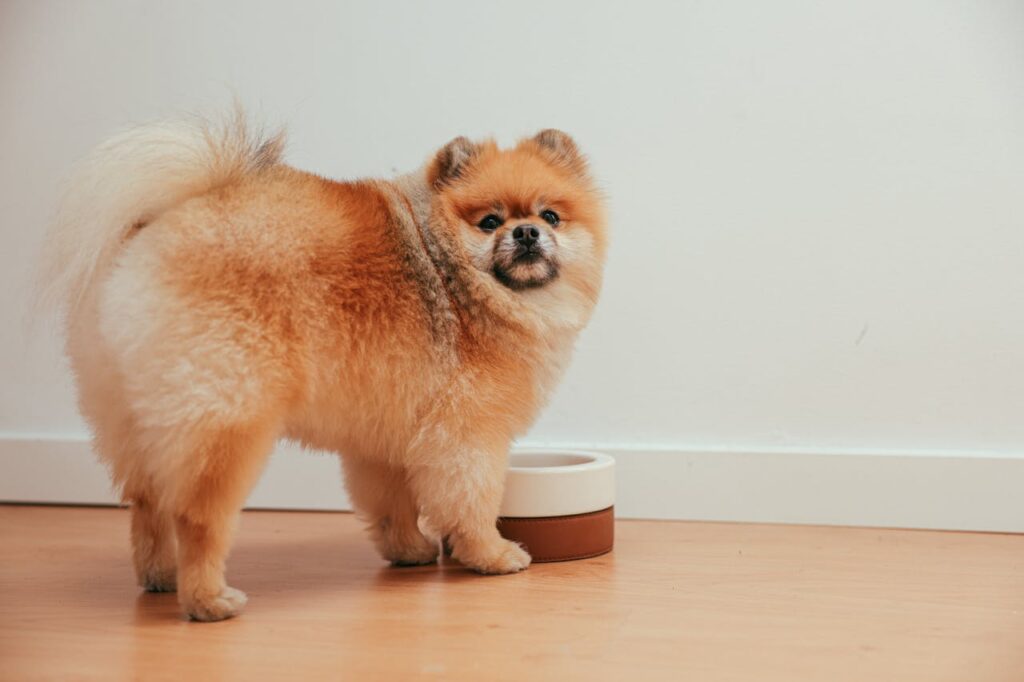
If the situation with a dog and cat food is bad, the reverse is simply catastrophic. Feeding a cat dog food on a regular basis is a slow death for the animal, causing critical nutrient deficiencies. Here are the key differences between cat and dog food that are critically important.
- Lack of Taurine. This is the most critical point. Taurine is an amino acid that is vital for cats. Their bodies, unlike dogs, cannot synthesise enough taurine on their own, so they must get it from their food (meat). Dogs, on the other hand, synthesise taurine themselves, so it’s usually not added to their food in large quantities.
Consequences for the Cat: Taurine deficiency leads to two dreadful and irreversible conditions:- Retinal degeneration: the cat goes blind, and this process cannot be stopped or reversed.
- Dilated cardiomyopathy (DCM): the heart muscle weakens, stretches, and cannot pump blood effectively. This leads to heart failure and death.
- Lack of Arachidonic Acid. This is another essential fatty acid for cats, which they can only get from animal fats. Dogs can synthesise it from other fatty acids (linoleic).
Consequences for the Cat: A deficiency leads to skin and coat problems, disruptions to the immune and reproductive systems, and can also affect blood clotting. - Vitamin A Deficiency. Cats cannot convert beta-carotene (the plant-based form of Vitamin A found in carrots, for example) into the active form of Vitamin A. They must get it in a ready-made form from animal sources (liver, fat). Dog food often contains beta-carotene.
Consequences for the Cat: Vision problems (night blindness), muscle weakness, poor coat condition, and neurological disorders. - Too Low Protein Content. As we already know, cats need much more protein than dogs. Dog food simply cannot meet this need, leading to muscle mass loss and general wasting.
Comparison Table: Key Differences Between Foods
| Nutrient | Cat Food | Dog Food |
|---|---|---|
| Protein | High level (30-45%) | Moderate level (18-25%) |
| Fats | High level | Moderate or low level |
| Taurine | Mandatory addition | Usually absent or in small doses |
| Arachidonic Acid | Mandatory addition | Usually absent |
| Vitamin A | Added in active form (retinol) | Often in the form of beta-carotene |
| Carbohydrates | Low level | Higher level |
What to Do if Your Pet Eats the Wrong Food: An “Emergency” Guide
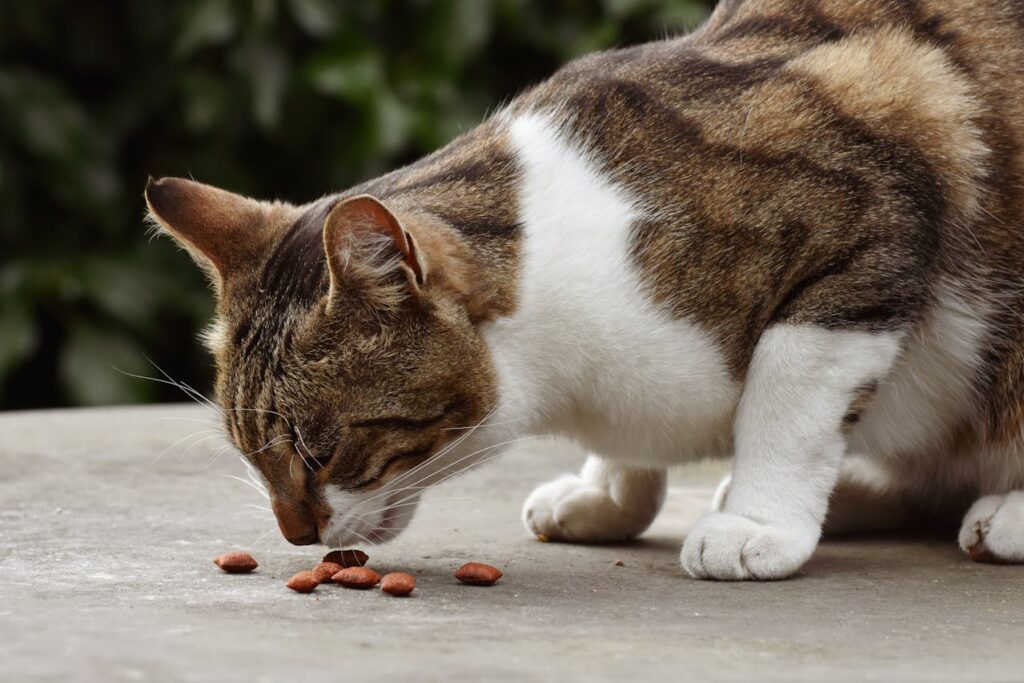
First and foremost – don’t panic. If it happened just once and in a small amount, the worst that usually happens is a temporary digestive upset.
- Assess the Amount Eaten. If a dog has eaten a couple of kibbles that fell out of the cat’s bowl, it’s nothing to worry about. But if they’ve devoured an entire bowl, especially if it’s a small breed dog, you should be more attentive.
- Watch for Symptoms. Over the next 24-48 hours, monitor the animal’s condition. Look out for vomiting, diarrhoea, lethargy, refusal to eat, or abdominal pain.
- Provide Access to Water. Fresh water should be freely available, especially if the animal has started to have diarrhoea, to prevent dehydration.
- Contact a Vet. If the symptoms of digestive upset are severe, don’t go away for more than a day, or if your pet has chronic health conditions (e.g., kidney problems or pancreatitis), be sure to call your vet.
How to Prevent Food Thefts in the Future
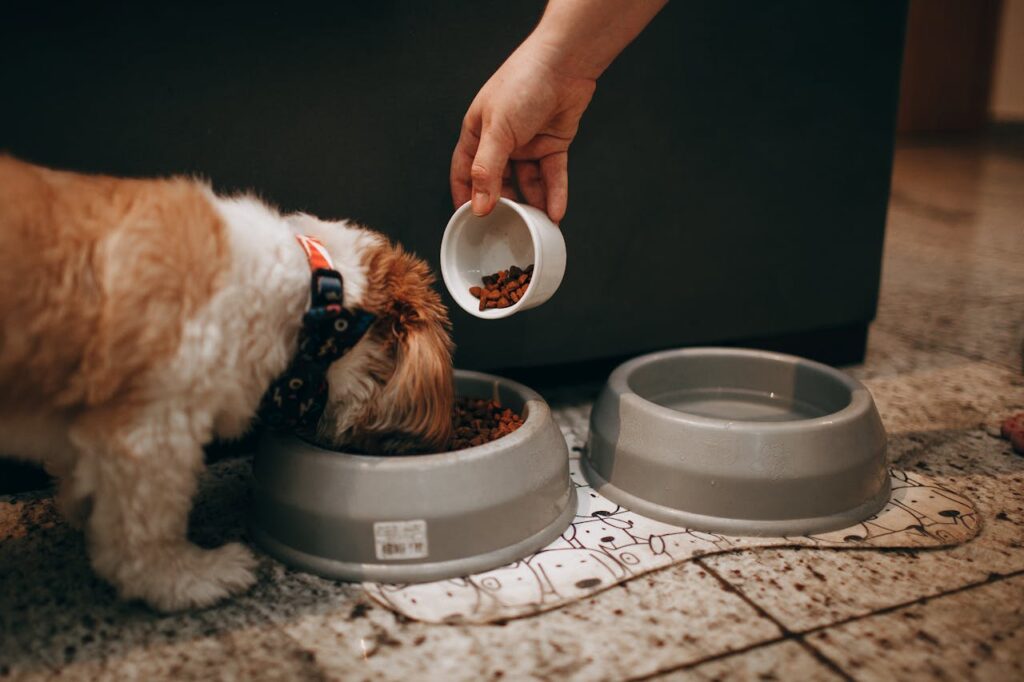
The best way to avoid problems is through prevention. If you live with both a cat and a dog:
- Feed the animals in separate rooms or at different times.
- Place the cat’s bowl on a raised surface (a windowsill, a table, a special shelf) that the dog can’t reach.
- Clean up any leftover food immediately after the animal has finished eating. Don’t leave food freely available.
- Consider using automatic feeders that open with the animal’s microchip.
If you’ve realised you’ve been feeding your pet incorrectly for a long time, it’s important not to make sudden changes. There is a correct method for how to properly transition a dog or cat to a new food without stressing their digestive system. It’s a gradual process that requires patience.
Frequently Asked Questions (FAQ)
1. Is there a universal food for cats and dogs?
No. Marketing claims of “universality” are a dangerous myth. Due to the fundamentally different nutritional needs, it’s impossible to create a food that is equally beneficial and safe for both species. Such a product will always be a compromise, and in nutrition, compromises lead to disease.
2. What about treats? Can I give dog treats to cats and vice versa?
The situation here is less critical, as treats make up a small percentage of the diet. However, it’s best to stick to species-specific treats. Cat treats are often more calorific and fatty, which isn’t good for dogs. Dog treats can be too hard for a cat’s teeth or contain ingredients that cats don’t digest well. It’s always best to choose treats designed for the specific species.
3. My cat constantly refuses its own food and begs for dog food. What should I do?
Cats are often attracted to the different smell or texture of dog food. This could be a sign that the cat is bored with its own food or that it doesn’t suit them. Try changing the flavour or brand of cat food (doing so gradually). Make sure you’re offering a quality food with a high meat content. Don’t give in to their manipulations — your pet’s health is more important than their temporary whims.
Conclusion: Love for a Pet is Responsibility for Their Diet
In summary, we can confidently say that the answer to the question of “can cats eat dog food” and vice versa is an unequivocal and emphatic “no” when it comes to regular feeding. This is not just a recommendation but a fundamental rule based on the biology and physiology of our four-legged friends.
- For dogs: cat food is a calorific “bomb” that leads to obesity, pancreatitis, and kidney problems.
- For cats: dog food is a diet that causes critical deficiencies of taurine, vitamin A, and other vital elements, leading to blindness, heart disease, and death.
Caring for a pet isn’t about giving them what they ask for, but about providing them with what they truly need. Choose a high-quality, species-specific food, and your friend will be healthy, active, and happy for many years to come.