

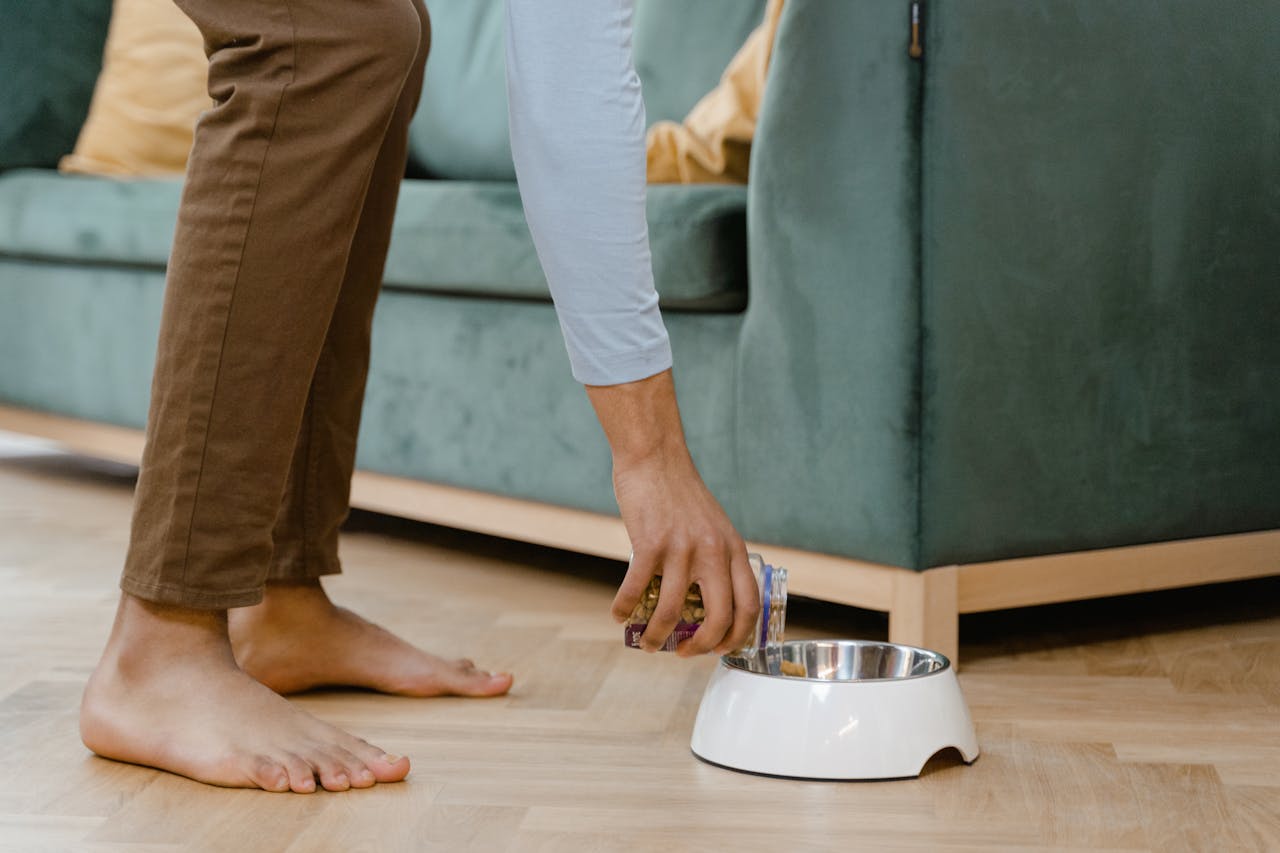
Changing your four-legged friend’s diet is a responsible step that can be prompted by a number of reasons: from shifting needs as they age to medical requirements or simply the desire to find a better, more balanced option. However, a sudden switch to new food can cause significant stress to your pet’s digestive system, leading to diarrhoea, vomiting, and general unwellness. To avoid these issues and make the process as comfortable as possible for your pet, it’s crucial to follow proven guidelines and act gradually. We’ll explain exactly how to do this in more detail on Tvaryny.
This article is your comprehensive guide to understanding all the ins and outs of a proper food transition, helping you keep your cat or dog healthy and avoid common mistakes. We’ll look at a step-by-step plan for changing their food, the reasons why it might be necessary, and how to monitor your pet’s condition throughout.
Why might you need to change your pet’s food?
Before we dive into the process, it’s important to understand when a change of diet is truly justified. Pet owners typically make this decision for a few key reasons:
- Age-related changes. A kitten’s or puppy’s nutritional needs are completely different from those of an adult or senior pet. Food for young animals contains more protein and calories for growth, while adult diets are more balanced for weight maintenance, and senior foods are often enriched with ingredients to support joints and control calories.
- Health conditions and medical reasons. This is one of the most compelling reasons. If your pet is diagnosed with certain illnesses (e.g., urinary stones, kidney failure, liver problems, food allergies, or obesity), your vet will prescribe a special therapeutic diet.
- Pregnancy and lactation. Females in this period need significantly more energy and nutrients to support the development of their offspring and produce milk. There are specialised high-calorie foods designed specifically for them.
- Food allergies or intolerances. If you notice your pet has itching, skin rashes, coat problems, or chronic digestive issues, the cause could be an allergy to a food ingredient (most often a specific protein, like chicken). In this case, a switch to a hypoallergenic or single-protein diet is necessary.
- Poor quality of current food. An owner may learn more about pet food ingredients and decide to switch from an economy-class brand to a premium or super-premium one to provide their pet with better-quality ingredients.
- The pet refuses to eat their food. Sometimes dogs, and especially fussy cats, can simply go off their usual food. If this isn’t linked to a health problem, changing the diet might help them regain their appetite.
The golden rule of transition: why is gradualness critical?
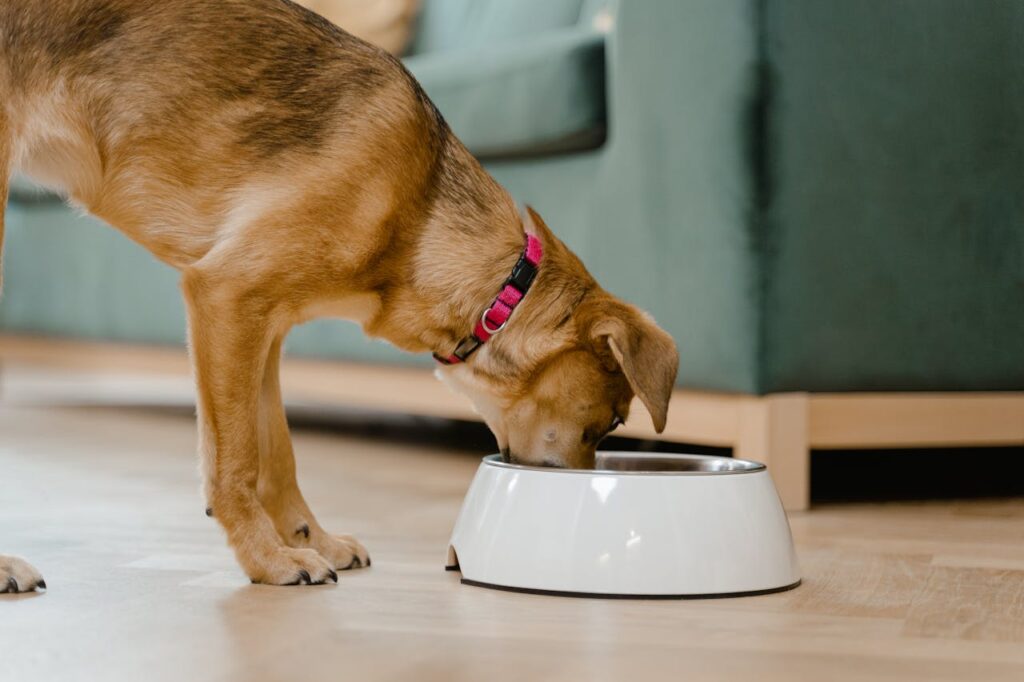
The digestive systems of dogs and cats contain a unique set of microorganisms (the microbiome) that help break down food. This microbiome adapts to the specific composition of a diet—the proteins, fats, and carbohydrates it contains. When a completely new food is suddenly introduced, the “old” bacteria can’t effectively break it down. This leads to an imbalance, fermentation, excess gas, and as a result, digestive upset. Symptoms include diarrhoea, vomiting, flatulence, and stomach pain.
Introducing new food gradually allows the gut flora to slowly readjust and adapt to the new ingredients. This minimises stress on the body and prevents digestive upsets. That’s why the main secret to success is patience and sticking to the plan.
Step-by-step guide to switching pet food: a 7-10 day plan
This is a universal and safest plan suitable for most healthy dogs and cats. For pets with sensitive digestion or when switching to a therapeutic diet, this period can be extended to 14 days, stretching each stage over 3-4 days.
| Day | Percentage of old food | Percentage of new food | What to watch out for |
|---|---|---|---|
| Day 1-2 | 75% | 25% | Monitor appetite and general condition. Minor changes in stool are normal. |
| Day 3-4 | 50% | 50% | Critical stage. Pay close attention to stool consistency. If all is well, continue. |
| Day 5-6 | 25% | 75% | The digestive system has largely adapted. The risk of upsets decreases. |
| Day 7 (and beyond) | 0% | 100% | The transition is complete. Continue to observe your pet for a few more days. |
A key tip: don’t just pour the new food on top of the old one. Always mix both foods thoroughly in the bowl so that your pet can’t just pick out their usual kibble while ignoring the new one.
How to monitor your pet’s condition during the transition
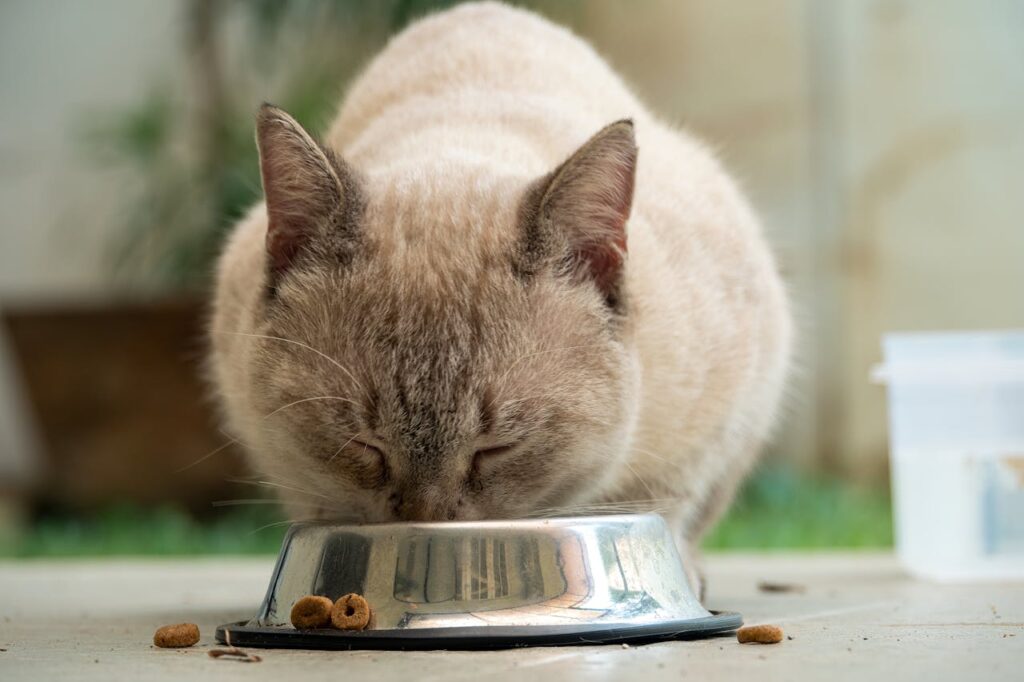
Your attentiveness during this period is the key to success. Here is a checklist of what to look for:
- Stool. This is the main indicator of gut health. Ideally, it should be well-formed, not too dry, and not runny. A slight softening on days 3-4 of the transition is acceptable, but if diarrhoea begins, it’s best to go back to the previous stage (e.g., the 75/25 ratio) and stay there for a few more days.
- Appetite. Is your pet eating with the same enthusiasm as before? If your pet refuses to eat, try soaking the food with a little warm water—this can enhance the aroma.
- Activity and mood. Lethargy, apathy, or irritability might signal stomach discomfort. A healthy pet should remain playful and active.
- Skin and coat condition. In the long term (3-4 weeks after the full transition), good-quality food should improve the coat’s condition, making it shinier and reducing shedding. The appearance of dandruff or itching is a worrying sign.
- Vomiting. A single episode of vomiting could be a one-off, but if it happens repeatedly, it’s a reason to immediately stop the transition and consult a vet.
Common problems and their solutions
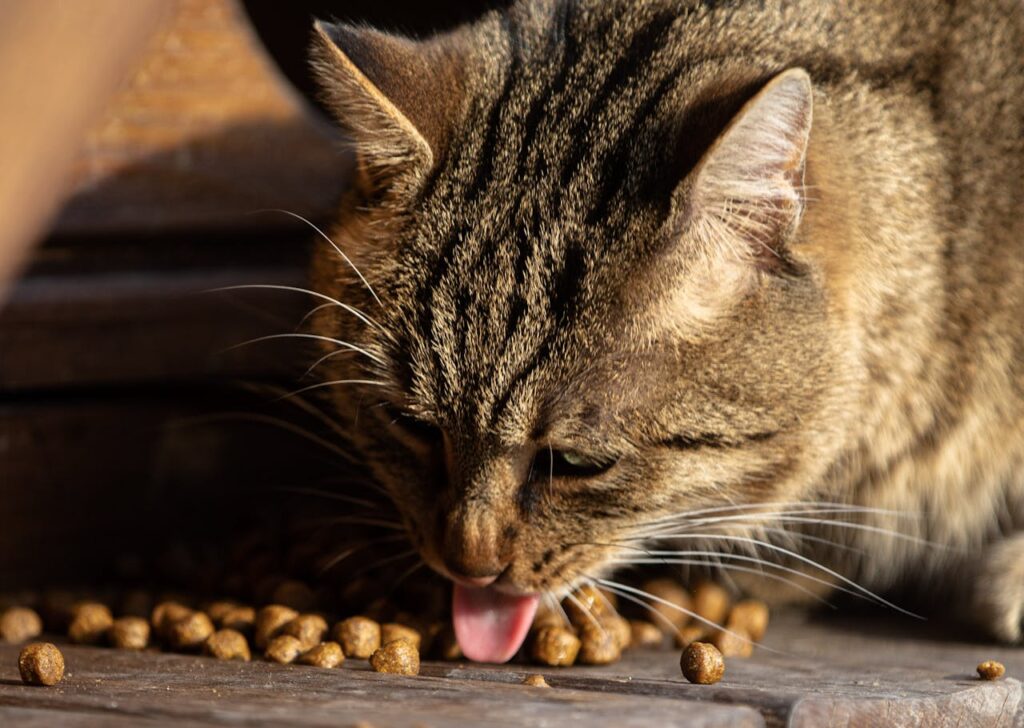
- What to do if your pet gets diarrhoea? If your dog or cat gets an upset stomach, immediately return to 100% of their old food until their stool normalises. After that, resume the transition but make it even more gradual, stretching each stage over 3-4 days. You can also add probiotics to their diet to support gut flora (after consulting a vet).
- The pet refuses to eat the new food. Cats can be particularly stubborn about this. Try these tricks:
- Mix the new food into a wet food (pâté) that your pet loves.
- Slightly warm the food mix.
- Place a few new kibbles next to the bowl so the animal can “get acquainted” with the smell.
- When should you see a vet? Seek immediate help if:
- Diarrhoea or vomiting persists for more than 24 hours.
- Blood or mucus appears in the stool.
- The pet completely refuses food and water.
- There are signs of severe pain or dehydration (dry gums, sunken eyes).
FAQ: Common owner questions
Can I mix different brands of food?
Yes, during the transition, this is not only possible but necessary. However, it’s not recommended to permanently feed your pet a mix of different foods, as each diet is balanced individually, and combining them could disrupt the balance of nutrients.
How long does full adaptation to new food take?
While the transition itself takes 7-10 days, a full adaptation of the digestive system and the whole body can take from 3 to 6 weeks. It’s only after this period that you can make a final conclusion about whether the food is right for your pet.
How do I switch to a therapeutic diet correctly?
The transition to a veterinary diet should be done under the supervision of a vet. A slower schedule (14-21 days) is usually recommended, as the animal’s body is weakened by illness, and therapeutic diets have a specific composition.
Do I need to change food if everything is fine?
If your pet is healthy, active, at a good weight, has a shiny coat, and their age and lifestyle haven’t changed, there’s no need to change a diet that works perfectly for them. “If it ain’t broke, don’t fix it.”
Conclusion
A correct transition to a new food isn’t a complicated science, but a demonstration of care and responsibility. The key to success lies in three words: gradualness, observation, and patience. By following a simple 7-day plan, carefully monitoring your pet’s reaction, and not ignoring warning signs, you can make this process completely painless and safe. A healthy digestive system is the foundation of your cat’s or dog’s overall well-being, and proper nutrition plays a major role in that.