

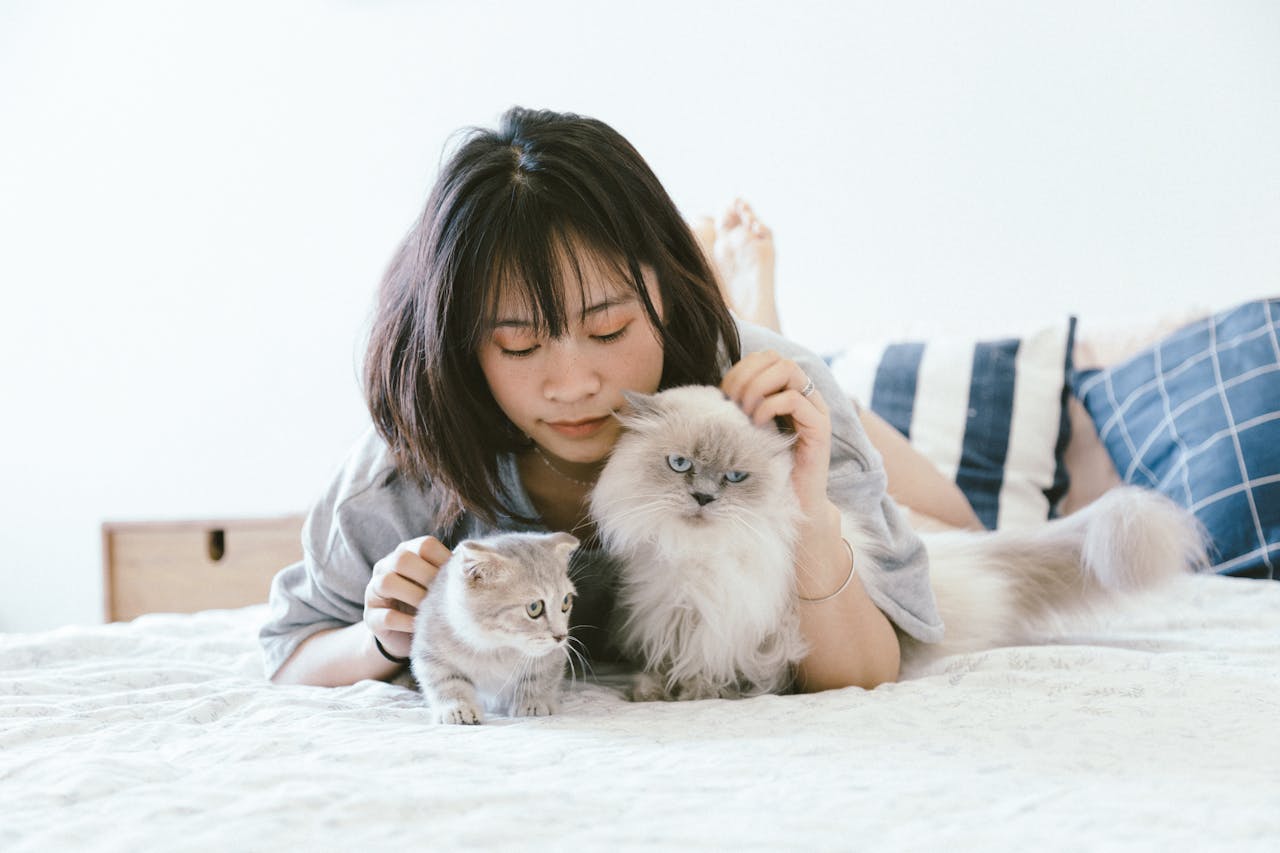
Choosing a cat is always a significant decision. Beyond their personality, age, and breed, one of the key factors influencing daily care is your future pet’s coat type. Long-haired and short-haired cats have vastly different grooming needs. Understanding these differences will help you provide your animal companion with a comfortable life and keep their coat in splendid condition. A lack of awareness about these specifics can lead to skin and coat health problems, matting, and stress for both the cat and the owner. We’ll delve into this and much more on Tvaryny.
Are short-haired cats genuinely easier to care for? How often does a long-haired beauty need brushing? What grooming tools will you need? In this article, we’ll take a detailed look at the specifics of caring for cats with different coat lengths, compare their needs, and offer practical advice to help you make an informed choice and become the best possible owner for your furry friend.
Short-Haired Cats: Simplicity and Elegance
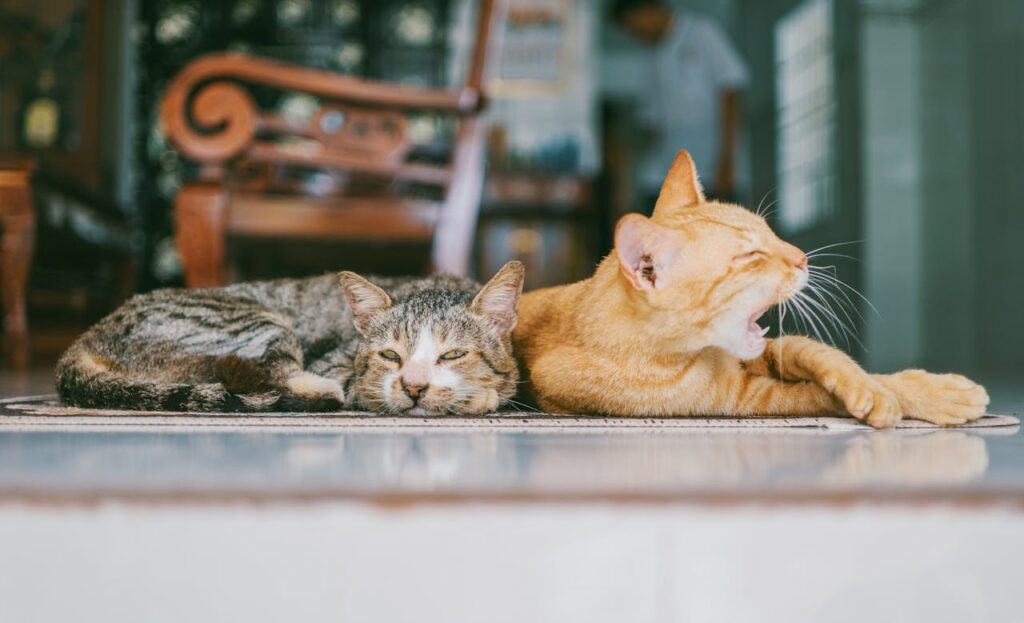
Short-haired cats, such as the British Shorthair, Siamese, Abyssinian, or European Shorthair, appeal to many with their neat appearance and relatively low-maintenance care. Their coat is dense, smooth, glossy, and usually no more than 4-5 centimetres long. It lies close to the body, reducing the risk of mats forming.
Specifics of Short Coat Care
- Brushing: Despite their short coat, short-haired cats also moult, especially seasonally (spring and autumn). Regular brushing helps remove dead hairs, distribute skin oils throughout the coat, making it shiny, and prevent the formation of hairballs in the stomach. Recommended frequency: Once or twice a week. During heavy moulting, you can increase this to 3-4 times a week.
- Grooming tools: Ideal for short-haired cats are:
- Rubber brush or grooming mitt: Excellent for collecting dead hair and massaging the skin, improving circulation.
- Fine-toothed metal comb: Helps detangle small knots (though rare) and remove fleas, if present.
- Natural bristle brush: Adds shine to the coat and removes dust.
- Furminator (for short hair): Effectively removes undercoat during moulting, but use it carefully, no more than 1-2 times a month, to avoid damaging the guard hairs.
- Bathing: Short-haired cats generally don’t need frequent baths, as they are excellent at self-grooming. Only bathe them if they are heavily soiled, before a show, or for medical reasons (e.g., for skin conditions, as recommended by a vet). Usually, 1-2 baths a year, or even fewer, are sufficient.
- Advantages of a short coat:
- Less time spent on grooming.
- Lower risk of mats forming.
- Less hair on furniture and clothing (though they still moult).
- The cat copes better with heat.
- Easier to spot parasites (fleas, ticks) or skin problems.
Although caring for short-haired cats is simpler, it shouldn’t be neglected. Regular grooming is not just a hygienic procedure but also an opportunity to build a closer bond with your pet and to spot potential health problems early on.
Long-Haired Cats: Luxury That Demands Attention
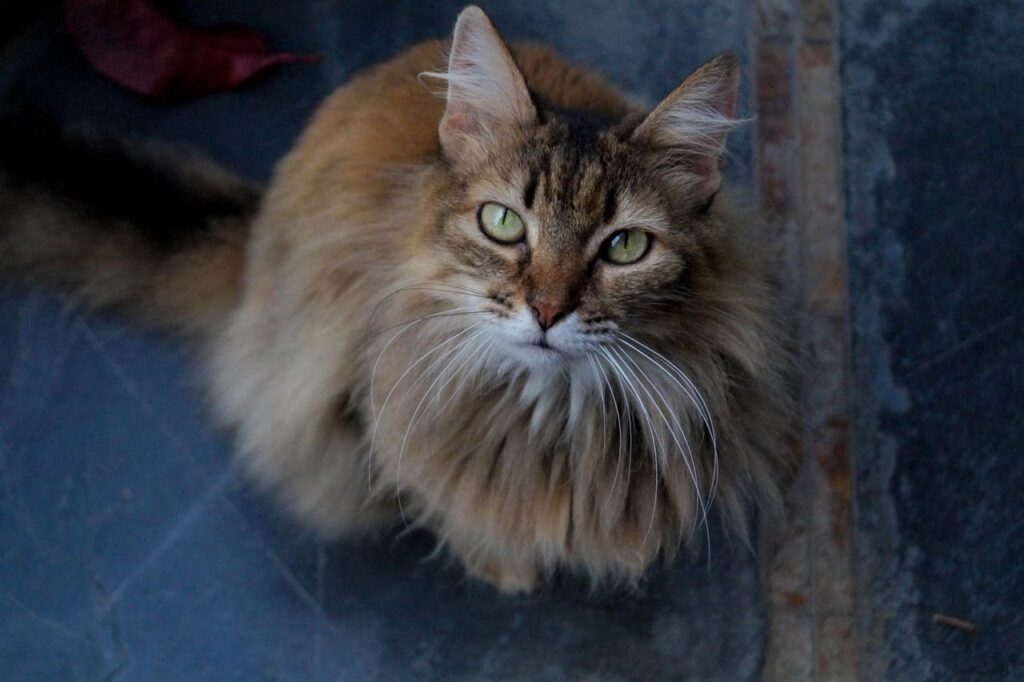
Long-haired cats, such as Persians, Maine Coons, Siberians, Norwegian Forest Cats, or Ragdolls, are striking with their luxurious, thick, and long coats. Their “fur” can reach 10-15 cm or more and often features a dense undercoat. Such beauty requires considerably more attention and regular, thorough grooming to prevent serious problems.
Specifics of Long Coat Care
- Brushing: This is the most crucial aspect of caring for long-haired cats. Due to its length and density, the coat easily tangles and forms mats, especially in areas of friction: under the armpits, on the belly, behind the ears, and on their “breeches”. Mats not only spoil their appearance but also pull at the skin, causing pain, discomfort, inflammation, and even skin infections. Furthermore, when grooming themselves, long-haired cats ingest a lot of hair, which can lead to the formation of hairballs (trichobezoars) in the stomach, causing vomiting, constipation, or even intestinal obstruction. Recommended frequency: Daily, or at least every other day. Do not skip this procedure.
- Grooming tools: The toolkit for a long-haired cat needs to be more extensive:
- Wide-toothed metal comb (long teeth): For initial combing and detangling large knots. The teeth must be long enough to reach the skin through the thick coat.
- Finer-toothed comb: For removing smaller tangles and dead undercoat.
- Slicker brush: Good for removing undercoat, but use it gently to avoid scratching the skin. Choose models with protective tips on the bristles.
- Mat splitter/De-matting tool: A special tool with sharp blades for safely cutting through mats that cannot be teased apart by hand or with a comb. Use with extreme care!
- Furminator (for long hair): Very effective for removing undercoat during moulting, but use infrequently (once every 2-4 weeks) and carefully.
- Anti-static spray: Helps to reduce static and makes combing easier.
- Brushing technique: Comb a long-haired cat thoroughly, paying attention to all areas. Start with a wide-toothed comb, moving in the direction of hair growth. Pay particular attention to problem areas. If you find a mat, try to gently tease it apart with your fingers, then with a comb. If that doesn’t work, use a mat splitter. Never pull hard, as this will cause pain. It’s best to accustom the cat to this procedure from a young age.
- Bathing: Long-haired cats are bathed more often than short-haired ones, as their coats get dirty faster and can become greasy. The frequency depends on the breed and individual characteristics, but on average, it might be once every 1-3 months. Use special shampoos and conditioners for long-haired cats that aid detangling. After bathing, the cat must be thoroughly dried with a towel and a hairdryer (on a low temperature and power setting), whilst simultaneously brushing the coat to prevent it from tangling as it dries.
- Clipping/Trimming: Sometimes, owners of long-haired cats resort to clipping, especially in summer (a “hygiene clip”) or if many mats form that are difficult to manage. It’s best to entrust clipping to a professional groomer.
- Problems with a long coat:
- Rapid formation of mats.
- Higher risk of hairballs.
- Requires significantly more time for grooming.
- Heavier moulting, more hair around the home.
- The cat may cope less well with heat.
- Harder to spot skin problems beneath the thick coat.
Caring for a long-haired cat is a real commitment. If you’re not prepared to dedicate daily attention to grooming, perhaps a cat with a shorter coat would be a better choice. You can read more about a comparison of popular cat breeds, including the long-haired giants like Maine Coons and elegant British Shorthairs, in our separate article.
Grooming Comparison Table
| Feature | Short-haired Cats | Long-haired Cats |
|---|---|---|
| Brushing Frequency | 1–2 times a week (more often during moulting season) | Daily or every other day |
| Key Tools | Rubber brush/mitt, fine-toothed comb, bristle brush | Wide & fine-toothed combs, slicker brush, mat splitter (if needed) |
| Risk of Mats | Low | Very high |
| Risk of Hairballs | Moderate | High |
| Need for Bathing | Rarely (as needed) | Every 1–3 months (varies) |
| Time for Grooming | Minimal | Significant |
| Moulting/Shedding | Moderate (seasonal) | Heavy (constant, seasonal peaks) |
Other Important Grooming Aspects (For All Cats)
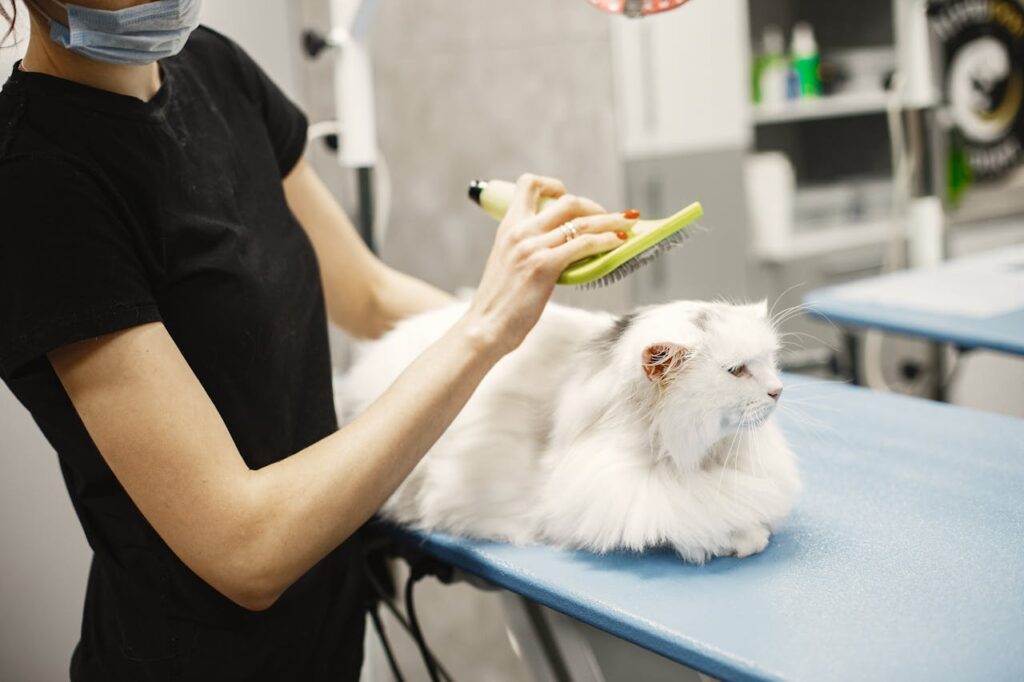
Regardless of coat length, there are general grooming procedures essential for the health of any cat:
- Claw care: Regularly trim the tips of their claws with special claw clippers (every 2-4 weeks). This will save your furniture and skin, and also prevent claws from growing into the paw pads. Get a scratching post so your cat can wear down their claws naturally.
- Ear care: Periodically inspect their ears for dirt, excess wax, redness, or an unpleasant odour. Clean ears only when necessary, using a special cat ear cleaning solution and a cotton pad or gauze. Do not use cotton buds, as you could damage the eardrum.
- Eye care: Some breeds (e.g., Persians, Exotics) may have increased tear production due to their facial structure. Regularly wipe the corners of their eyes with a damp cloth or a cotton pad soaked in a special lotion or cooled boiled water to prevent dark tear stains and inflammation.
- Dental care: Ideally, you should brush your cat’s teeth several times a week with a special pet toothbrush and toothpaste to prevent tartar build-up and gum disease. If your cat doesn’t allow teeth brushing, there are special foods, treats, and supplements for oral care.
Choosing a Cat to Suit Your Lifestyle
When choosing between a long-haired and a short-haired cat, honestly assess how much time and effort you are prepared to dedicate to coat care.
A short-haired cat might be right for you if:
- You have limited time for daily grooming.
- You prefer minimal grooming.
- You don’t want to spend a lot of time cleaning up cat hair around the house (though there will still be some).
- This is your first cat, and you want to start with a simpler grooming routine.
A long-haired cat could be your ideal companion if:
- You are prepared to spend 10-20 minutes daily on brushing.
- You are willing to bathe your cat regularly or take them to a professional groomer.
- You are not daunted by a significant amount of hair in your home during moulting season.
- You love the luxurious look of a long coat and are prepared to put in the effort to maintain it.
You should also consider your living conditions. If you live in a small flat or apartment, the meticulous grooming of a long-haired pet can be an additional challenge, though much depends on the animal’s temperament and your organisational skills. Some breeds are considered the ideal apartment cat due to their smaller space requirements and, sometimes, simpler care.
Coat and Skin Health: It’s Not Just About Grooming
Your cat’s coat condition is a mirror of its overall health. Besides regular grooming, coat quality is influenced by:
- Nutrition: A balanced diet rich in proteins, fatty acids (Omega-3 and Omega-6), vitamins (especially B group, A, E), and minerals (zinc, copper) is the foundation of healthy skin and a glossy coat. Choose high-quality premium or super-premium cat foods, or consult a veterinary nutritionist if providing a home-prepared diet.
- Health: Various illnesses (allergies, hormonal imbalances, internal organ diseases, stress) can negatively affect coat condition, causing hair loss, dullness, or brittleness.
- Parasite protection: Fleas, ticks, and other external parasites cause itching, scratching, skin inflammation, and a decline in coat condition. Don’t forget regular parasite treatments.
- Sufficient water intake: Dehydration can also make the coat dry and brittle. Ensure your cat always has access to fresh, clean water.
Conclusion
Both long-haired and short-haired cats can make wonderful companions. The main difference between them lies in their coat care requirements. Short-haired cats need minimal grooming, whereas long-haired cats require daily attention to prevent mats and maintain a healthy coat.
It’s important to remember: your choice of coat type should be based on your willingness to dedicate the necessary time and effort to grooming. Regardless of coat length, every cat needs love, care, quality nutrition, and regular vet visits. Choose with your heart, but don’t forget the practical aspects, and your life together with your fluffy friend will be happy and harmonious.