

Every cat owner knows the delight of sharing life with a gentle, purring companion. Cats reward us with affection, playfulness and a character all their own. Yet, just like any living creature, they can fall ill.
The earliest hints of discomfort can be subtle, so staying observant is crucial. Spotting a problem early hugely improves your cat’s chances of a swift recovery – more on that later at Tvaryny.
This article breaks down the key symptoms to watch for, helping you recognise trouble in good time and get professional help quickly. Remember: DIY treatments can be dangerous. If you notice any worrying signs, always speak to your vet.
Changes in Appetite and Water Intake
One of the first red flags can be a shift in how much your cat eats or drinks.
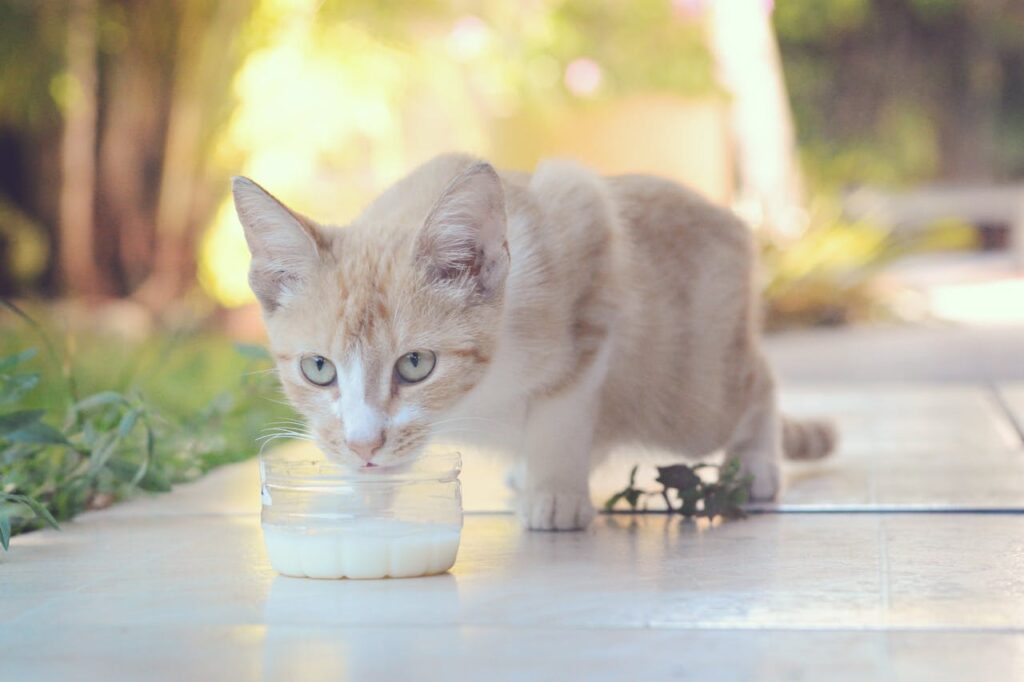
Loss of Appetite (Anorexia)
If your cat suddenly ignores food or eats far less than usual, take note. Common causes include:
- Dental problems: Painful gums, mouth ulcers or tartar make chewing unpleasant.
- Digestive upsets: Nausea, vomiting, diarrhoea or constipation can curb appetite.
- Infections: Bacterial or viral illnesses often reduce hunger.
- Chronic diseases: Kidney failure, liver disease or cancer may put cats off food.
- Stress: Moving house, new pets or other changes can suppress appetite.
Increased Appetite (Polyphagia)
A cat that begs for food non-stop might seem healthy, but a sudden surge in appetite can signal:
- Hyperthyroidism: An overactive thyroid speeds up metabolism and fuels constant hunger.
- Diabetes mellitus: Poor blood-sugar control can leave cats ravenous.
- Parasites: Intestinal worms may make a cat eat more yet lose weight.
- Certain medicines: Some drugs stimulate appetite.
Changes in Drinking Habits
Keep an eye on how much water your cat drinks. Big swings often point to hidden issues.
Drinking More (Polydipsia)
Noticeably higher water intake can be linked to:
- Kidney failure: Diseased kidneys can’t concentrate urine, triggering thirst.
- Diabetes mellitus: High blood sugar causes frequent urination and compensatory drinking.
- Hyperthyroidism: As above, the disorder can upset fluid balance.
- Urinary tract infections: Inflammation may leave cats unusually thirsty.
Drinking Less
Too little water raises the risk of dehydration and kidney strain. Possible reasons include:
- Mouth pain: Soreness can make lapping painful.
- General weakness: A sick cat may not manage the trip to the bowl.
- Hidden illness: Some diseases initially reduce thirst.
- Stale water: Cats are fussy about freshness and taste.
Behaviour and Activity Changes
Sudden shifts in normal behaviour should set alarm bells ringing.
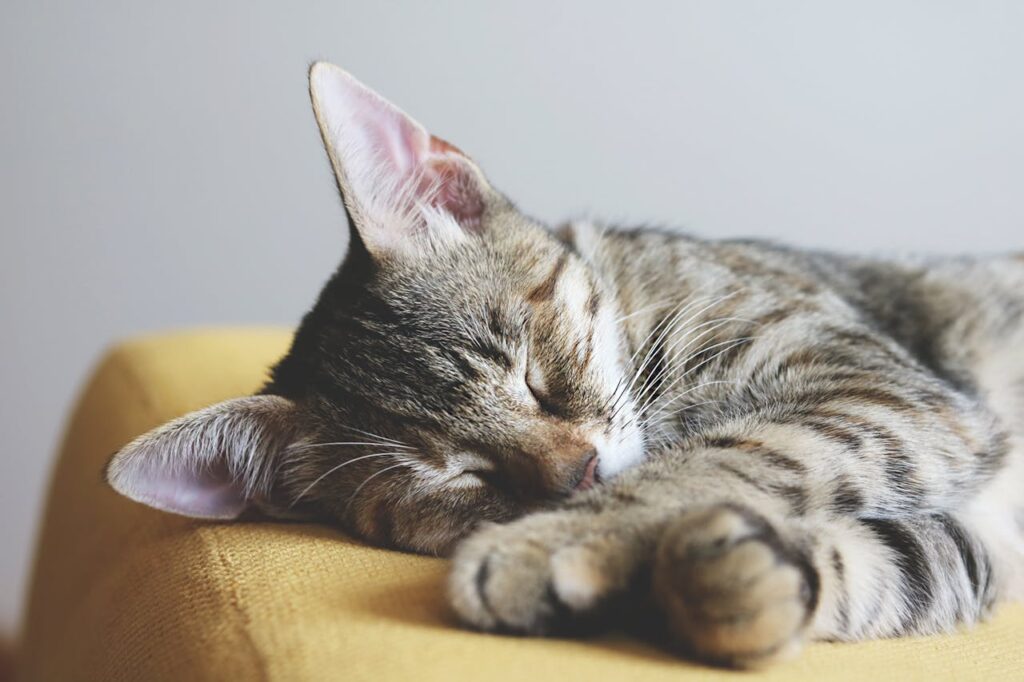
Lethargy and Apathy
If your cat is less active, sleeps more, shows no interest in play and barely responds to you, the cause could be:
- General weakness: Triggered by many illnesses.
- Pain: Hidden injuries or internal aches often sap energy.
- Depression: Cats can become low-spirited by stress or disease.
Heightened Agitation and Aggression
Sudden aggression or irritability may stem from:
- Pain: A cat may lash out to stop you touching a sore area.
- Neurological issues: Nervous-system disorders can alter behaviour.
- Fear and anxiety: Even without an obvious trigger, stress can show as aggression.
Sleep Pattern Changes
Far more or far less sleep than usual is another warning sign.
Litter-Tray Habits
Track how often your cat urinates or defecates and whether either seems difficult.
Urination Problems
Straining, frequent attempts, blood in urine or no urine at all call for an urgent vet visit. Possible causes:
- Urinary tract infections: Inflammation of bladder or urethra.
- Urolithiasis: Stones or crystals blocking urine flow.
- Feline idiopathic cystitis: Bladder inflammation of unclear origin.
Defecation Problems
Constipation or diarrhoea also deserve attention:
- Constipation: May follow dehydration, low fibre, hairballs, obstruction or illness.
- Diarrhoea: Could signal food poisoning, infection, parasites, inflammatory bowel disease or stress.
- Abnormal stool: Very hard, watery, black or bloody faeces needs checking.
External Appearance Changes
A close look at coat, skin, eyes and ears can reveal vital clues.
Coat Condition
Watch for:
- Dull or unkempt coat: May indicate poor diet, dehydration or ill-health.
- Hair loss (alopecia): Excess shedding or bald patches can follow stress, allergies, parasites, fungal infections or hormone issues.
- Dandruff: Can signal dry skin, allergies or parasites.
Skin Condition
Note any skin changes:
- Redness: Could point to inflammation, allergies or bites.
- Rashes, spots or blisters: Often mean allergy, infection or other skin disease.
- Itching and scratching: Excess grooming can break the skin and is often allergy- or parasite-related.
- Swelling: Any unusual lump should be examined.
Eye Condition
Healthy feline eyes are clear and bright. Look out for:
- Discharge: Tears, pus or mucus can signal infection, allergy or injury.
- Conjunctival redness: Inflamed eye membranes.
- Corneal cloudiness: May follow trauma or disease.
- Pupil size changes: Sudden dilation or constriction, especially without light response, can hint at neurological issues or poisoning.
- Squinting: Suggests pain or discomfort.
Ear Condition
Regularly check your cat’s ears:
- Discharge: Dark, smelly debris points to infection or ear mites.
- Swelling or redness: Could indicate inflammation or injury.
- Scratching ears or head-shaking: Signals itch, pain or irritation.
Other Warning Symptoms
Several other signs may suggest your cat is unwell.

Vomiting
An isolated vomit after gobbling food or expelling hairballs can be harmless. But frequent or violent vomiting – especially with apathy, refusal to eat or abdominal pain – needs urgent veterinary attention. It can indicate:
- Food poisoning.
- Infections.
- Inflammatory bowel disease.
- Bowel obstruction.
- Chronic organ diseases (kidneys, liver).
Coughing and Sneezing
Occasional sneezes may simply clear dust. Persistent coughing or sneezing, particularly with nasal or eye discharge, can signal:
- Respiratory infections (viral or bacterial).
- Allergies.
- Asthma.
- Foreign bodies in the airway.
Weight Changes
Dramatic, unexplained weight loss or gain is alarming. Weight loss can relate to:
- Poor nutrition or malabsorption.
- Parasites.
- Hyperthyroidism.
- Diabetes mellitus.
- Cancer.
Weight gain can result from:
- Overfeeding.
- Lack of exercise.
- Hormonal disorders.
- Certain diseases (for example, hypothyroidism – rare in cats).
Bad Breath (Halitosis)
Most feline bad breath stems from dental issues (tartar, gingivitis). A strong or unusual odour can also point to:
- Kidney disease.
- Liver disease.
- Digestive problems.
Enlarged Lymph Nodes
Swollen nodes under the jaw, on the neck or in the groin may mean infection, inflammation or cancer.
When to Call the Vet?
Early diagnosis vastly improves outcomes. Don’t delay contacting a vet if any of these signs appear, especially when they:
- Come on suddenly.
- Are severe.
- Last longer than 24–48 hours.
- Appear alongside other warning signals.
Routine check-ups at least once a year – twice for senior cats – catch many conditions early and keep your pet healthy.
Summary: Keep a Close Eye on Your Cat
Your cat can’t tell you what’s wrong. Vigilance over any change in behaviour, appetite or appearance is the key to lifelong health. Don’t ignore warning signs – seek expert advice promptly and your feline friend will stay by your side for years to come.
We hope you found this article helpful. Take good care of your furry companions!