

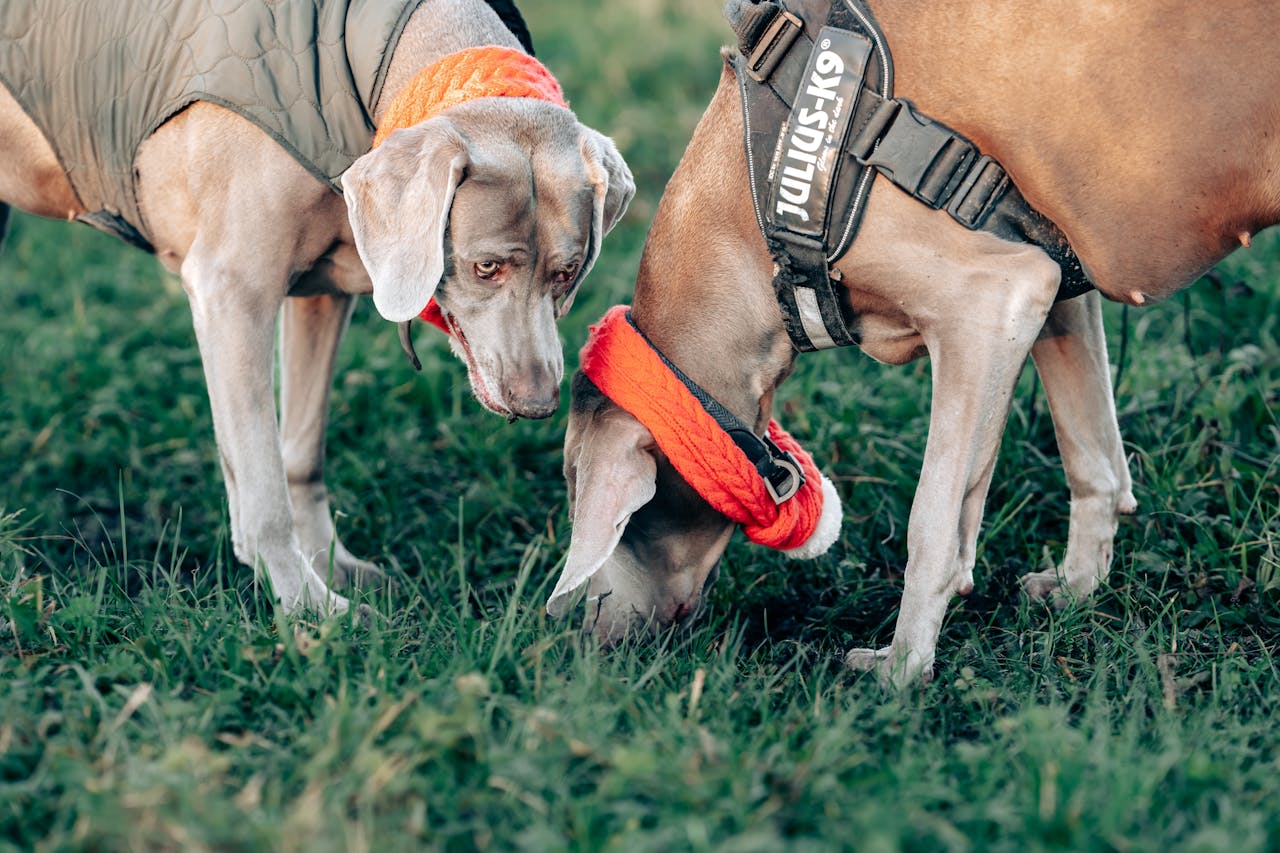
A walk with your beloved four-legged friend is always a bit of an adventure. But sometimes, it can turn into a proper quest with the nagging question: “What on earth are you pulling into your mouth now?” It’s a familiar sight: your perfectly well-behaved dog suddenly starts chewing grass with great gusto, digging at the earth in search of “treats,” or, most unpleasantly, showing an interest in faeces. This is a common situation that causes concern for many owners. So, why do our furry companions resort to such peculiar “delicacies,” and should we be alarmed? We’ll delve into the details right here on Tvaryny.
The eating of non-edible items has a scientific name: pica (or abnormal appetite). This can be either a harmless habit or a sign of serious health or behavioural issues. Our task is to learn how to distinguish these signals and respond to them correctly.
Section 1. Why does my dog eat grass?
Eating grass is the most common form of pica. There are numerous theories, from folklore to scientific explanations. Let’s sort out what’s true and what’s a myth.
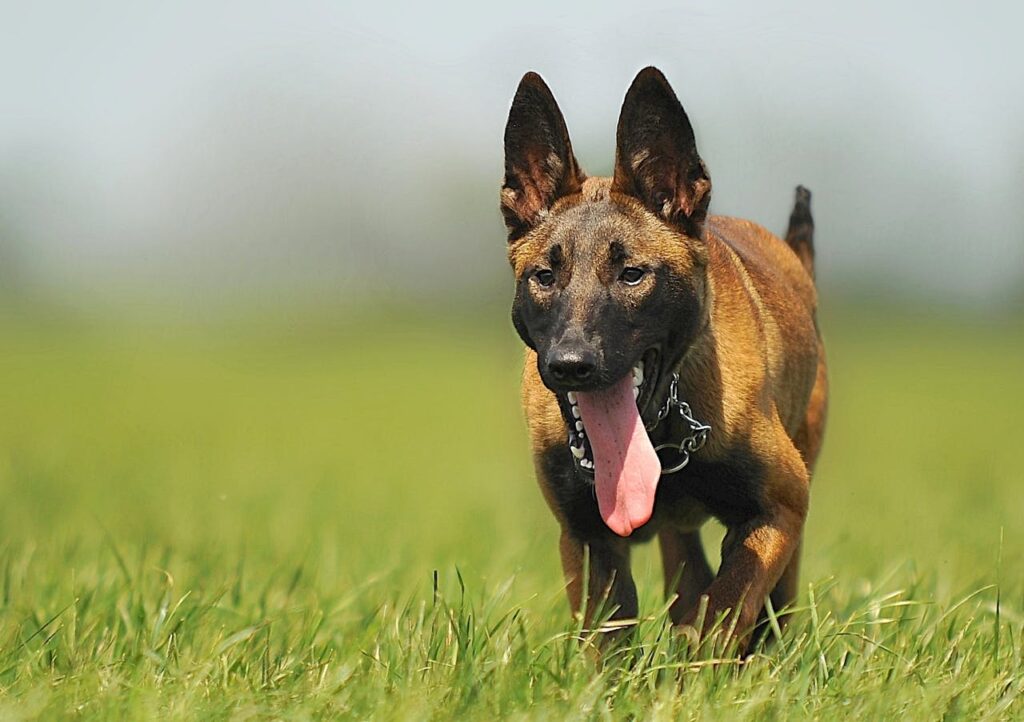
Common Reasons for Grass Eating
- Instinctive behaviour. Wild ancestors of dogs, wolves, obtained plant fibre by eating the stomach contents of their herbivorous prey. Modern dogs may have inherited this instinct to supplement their diet.
- Nutrient deficiencies. This is one of the key theories. If a dog’s diet lacks fibre, vitamins, or minerals, they may instinctively seek them out in grass. Fibre is crucial for normal digestion and bowel movements.
- Boredom or stress. Much like humans biting their nails, dogs might chew grass out of boredom, anxiety, or simply to get their owner’s attention. If your dog only does this in your presence, they might need more games and activity.
- Stomach upset. Sometimes, dogs eat grass to induce vomiting and relieve discomfort in their stomach. If your dog regularly vomits after eating grass, it’s a good idea to consult a vet.
- They simply like the taste. Yes, it could be much simpler than you think. Some dogs just enjoy the taste and texture of fresh spring grass.
Myth vs. Fact: Debunking Popular Beliefs
Myth: Dogs eat grass EXCLUSIVELY to induce vomiting.
Fact: Research shows that less than 25% of dogs regularly vomit after eating grass, and only about 10% show signs of illness beforehand. For most, it’s not related to clearing their stomach.
What to do if your dog eats grass?
- Analyse their diet. Make sure your pet’s food is balanced and contains enough fibre. It might be worth consulting a vet or a pet nutritionist about changing their food.
- Increase physical and mental stimulation. Offer your dog new toys, interactive puzzles, and teach them commands. Go for more walks and play active games. A tired and content dog is less likely to seek out dubious entertainment.
- Watch out for safety. Don’t allow your dog to eat grass near roads or on lawns treated with chemicals (pesticides, herbicides). This can lead to severe poisoning.
When should you immediately contact a vet?
While eating grass is often harmless, there are symptoms you shouldn’t ignore. Call your vet straight away if, along with eating grass, you notice:
✅ Frequent or continuous vomiting;
✅ Diarrhoea or constipation;
✅ Loss of appetite for regular food;
✅ Lethargy, apathy;
✅ Signs of abdominal pain (dog whimpering, not allowing touch to the stomach).
Section 2. Why does my dog eat soil, stones, or sand?
While eating grass can be considered relatively normal behaviour, an interest in soil, clay, pebbles, or sand is a more serious symptom, known as geophagia (a type of pica). This habit should not be ignored.
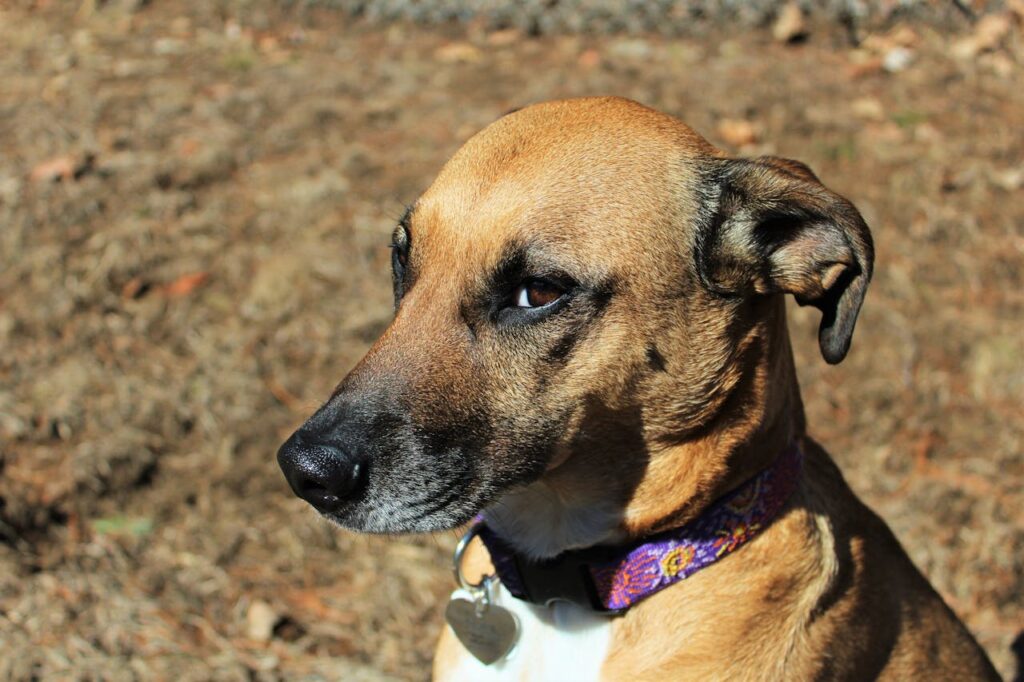
Possible Reasons for Eating Soil
- Anaemia and mineral deficiencies. This is the most common medical reason. Dogs eat soil, instinctively trying to compensate for a lack of iron, calcium, and other minerals in their body. Soil, especially clay, can contain these elements.
- Gastrointestinal problems. Pain, inflammation, gastritis, or even the presence of a foreign body in the stomach can prompt a dog to eat soil to alleviate their discomfort.
- Malabsorption syndrome. This is a condition where the body cannot properly absorb nutrients from food. The dog eats enough, but remains “hungry” at a cellular level.
- Behavioural disorders. As with grass, this can be a consequence of boredom, stress, or an obsessive-compulsive disorder.
What are the dangers of eating soil and what should you do?
Eating soil is much more dangerous than eating grass. It poses risks such as:
- Parasitic infections (worms), whose eggs are found in the soil.
- Poisoning from toxins, pesticides, and fertilisers.
- Dental damage when trying to chew stones.
- Intestinal obstruction, if the dog swallows a stone, stick, or a large amount of sand. This condition is life-threatening and requires immediate surgery.
The solution here is unequivocal: if you notice your dog systematically eating soil, you must urgently contact a veterinary clinic. The vet will order blood tests to check for anaemia and mineral deficiencies, and may also recommend an abdominal ultrasound. Do not attempt to solve this problem yourself with vitamin supplements without consulting a specialist.
Section 3. The most unpleasant habit: why does my dog eat faeces?
Eating faeces, or coprophagia, is probably the most disgusting and alarming habit for an owner. While it’s absolutely unacceptable to us, in the world of dogs, it has its own explanation.
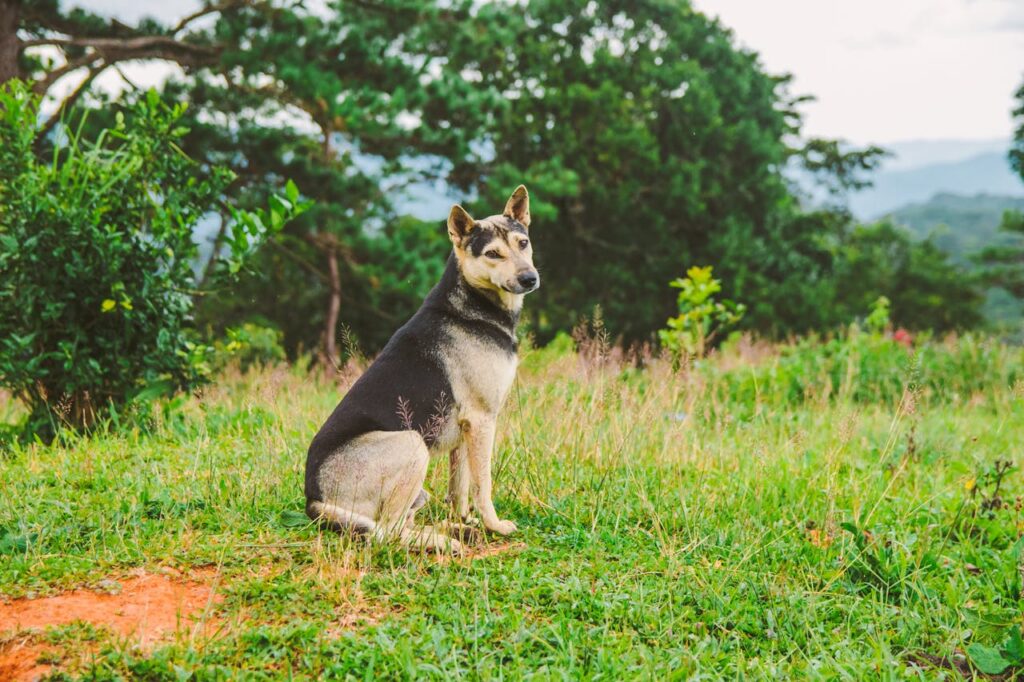
Causes of Coprophagia in Dogs
- Behavioural and instinctive reasons:
- Maternal instinct: Bitches eat their puppies’ faeces to keep the “den” clean. Some adult dogs retain this habit.
- Mimicry: Puppies may copy the behaviour of their mother or other dogs.
- Fear of punishment: If a dog has been punished for “doing their business” in an unauthorised place, they might start eating their faeces to hide the “evidence”.
- Attention-seeking: A dog quickly learns that such behaviour elicits a strong reaction from you and may repeat it to gain attention.
- Medical reasons:
- Enzyme deficiency or poor food absorption: If food is poorly digested, nutrients remain in the faeces, making them attractive to the dog.
- Parasites: Worms deprive the dog of a significant portion of nutrients, forcing them to seek additional food sources.
- Certain diseases: Diabetes, thyroid problems, and Cushing’s syndrome can increase appetite and lead to coprophagia.
Step-by-step guide: How to stop your dog from eating faeces?
Tackling coprophagia requires patience and a comprehensive approach. Here’s what to do if your dog eats faeces:
- Step 1: A trip to the vet. First and foremost, rule out any medical causes. Have stool samples tested for parasites and blood tests done to check their overall health.
- Step 2: Optimise their diet. Switch your dog to a high-quality, easily digestible food. Sometimes, adding special enzyme supplements (only as prescribed by a vet!) that improve digestion can help.
- Step 3: Maximum hygiene. The most effective method is to deny your dog access to the “object of desire.” Immediately clear up after them in the garden and during walks. Keep the cat litter tray in an inaccessible place.
- Step 4: Behavioural correction on walks. Walk your dog exclusively on a lead. Teach them the command “Leave it!” or “No!” As soon as your dog tries to pick something up from the ground, give the command and gently but firmly pull on the lead. When your dog obeys, praise them generously and give them a tasty treat.
- Step 5: Using special deterrents. There are food additives that make faeces taste unappetising. You can also try adding pieces of pineapple or courgette to your dog’s food — they alter the smell and taste of the excrement. The effectiveness of these methods varies from dog to dog.
- Step 6: Stay calm. Don’t shout or punish your dog if you catch them “in the act.” This can increase stress and reinforce the undesirable behaviour. It’s better to quietly clear it away and be more vigilant next time.
“Coprophagia is a problem where prevention and management play a key role. It’s simpler to prevent the habit from taking hold than to correct it later. Vigilant supervision on walks, a proper diet, and timely visits to the vet are the three pillars upon which success rests.”
Conclusion: Attention and Care – The Best Remedies
Your beloved pet’s strange eating habits are not a cause for panic, but a call to action. In most cases, when a dog eats grass, it’s a harmless habit that can be corrected by adjusting their diet or increasing their exercise. However, an interest in soil or faeces is always a “red flag” that requires a consultation with a specialist.
The main task of an owner is to be an attentive observer. Analyse when and under what circumstances the undesirable behaviour arises, and don’t hesitate to seek help from vets and dog trainers. Your love, patience, and responsible approach will help preserve the health and well-being of your four-legged friend for many years to come.