


Choosing where to get a pet is the first step towards responsible pet ownership. Many prospective pet owners often find themselves weighing up the options between animal shelters, certified breeders, or private individuals. In this article, we’ll explore the pros and cons of each choice to help you make the best decision and find a companion for life. You can read more about this on Tvaryny.
Animal Shelters
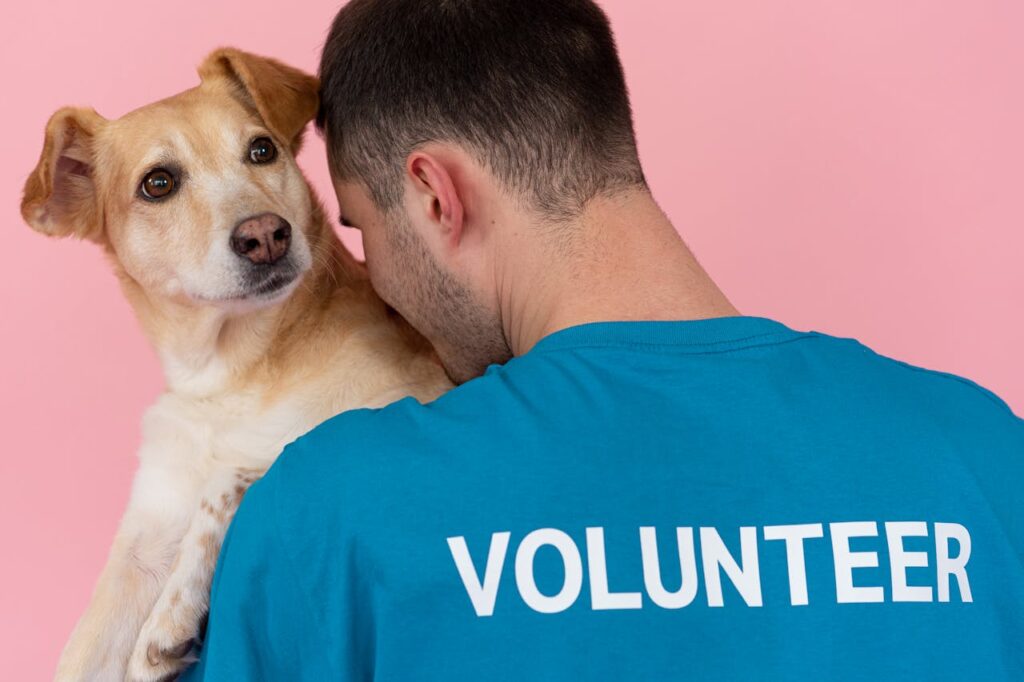
In Ukraine, there are hundreds of shelters – from large city-based centres to small, volunteer-run shelters in regional areas. Here, non-pedigree kittens, puppies, and adult animals who have been let down by people await new homes.
Advantages of Shelters
- You save a life: By rehoming an animal from a shelter, you free up a space for another animal in need.
- Basic veterinary care: Most shelters vaccinate, neuter, and treat animals for parasites.
- Low adoption fee: Usually, you only pay an adoption fee to help cover costs.
- Behavioural and settling-in support: Volunteers and staff offer advice on helping your new pet adapt and on their behaviour.
Disadvantages of Shelters
- Unknown history: The exact age, genetics, and previous illnesses often remain a mystery.
- Behavioural issues: Some animals may have experienced trauma, or have fears or aggression that require careful management and training.
- Mandatory screening process: Filling out applications, interviews, and home checks can seem lengthy.
Breeders
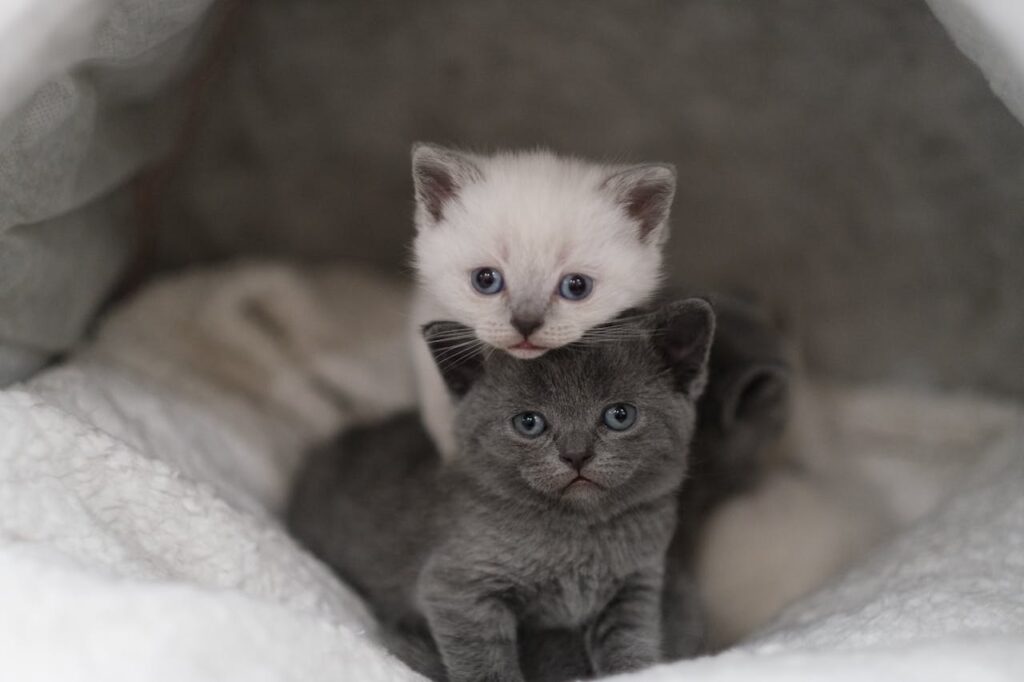
Pedigree breeders or kennel/cat clubs offer purebred animals with a documented lineage (pedigree). They are often the choice for those involved in security services, the show circuit, or for individuals who want predictable character traits.
Advantages of Breeders
- Guaranteed breed: You know exactly what your kitten or puppy will grow into in terms of breed characteristics.
- Health screening: Responsible breeders conduct genetic tests and veterinary check-ups.
- After-sale support: Advice on feeding, grooming, and potentially a show career.
- Socialisation: Young animals are raised in a home environment, accustomed to people.
Disadvantages of Breeders
- High cost: Pedigree kittens or puppies can cost from several hundred to many thousands of pounds.
- Risk of irresponsible breeders (puppy/kitten farms): Some unscrupulous sellers operate as ‘breeders’ without proper documentation or welfare standards.
- Waiting lists and advance booking: Popular breeds often have long waiting lists.
- Risk of inbreeding: In some closed breeding lines, overlapping family lines can occur, which can lead to health problems.
Private Individuals

Adverts on online marketplaces and social media are full of free or inexpensive ‘home-bred’ young animals. It’s important to remember that private sellers are not regulated by any specific standards.
Advantages of Private Individuals
- Availability: A wide choice in any town or city, often without waiting lists.
- Flexible price: Sometimes animals are given away for a nominal fee or even for free.
- Opportunity to see the parents: A responsible seller may let you see the mother (and sometimes father).
Disadvantages of Private Individuals
- Lack of guarantees: There are often no contracts, vaccinations, or health tests.
- Increased risk of illness: Due to a lack of veterinary oversight.
- Encouraging uncontrolled breeding: Buying ‘kittens from a family cat’ can discourage owners from neutering their pets.
Legal and Ethical Aspects
Under UK law (e.g., the Animal Welfare Act), animal cruelty is punishable by fines and even imprisonment. Signing a contract with a breeder or shelter usually provides you with some legal recourse. However, buying from a private individual with no paperwork leaves little chance of asserting your rights if health problems arise with your pet.
From an ethical standpoint, when you rehome an animal from a shelter, you help reduce the number of stray dogs and cats. Conversely, uncontrolled breeding in private homes contributes to more animals potentially ending up on the streets or in shelters.

How to Prepare for Choosing a Pet
- Assess your budget (food, vaccinations, grooming, pet insurance).
- Analyse your lifestyle: Active people might suit an energetic breed or a young dog, whilst those who are home-based may prefer a calm cat.
- Check for allergies within the family.
- Prepare your home: Bowls, bed, litter tray, toys, and ensure wires are protected.
- Find a local veterinary practice and register for an initial check-up.
Comparison Table: Where to Get a Pet?
| Source | Advantages | Disadvantages | Average Cost (UK) | Suitable For |
|---|---|---|---|---|
| Shelter | Saves a life, basic vet care, lower cost | Unknown history, potential behavioural challenges | Adoption fee ≈ £100‑£300 | Kind-hearted individuals with time for settling in |
| Breeder | Guaranteed breed, health checks, ongoing support | High cost, risk of irresponsible breeders | ≈ £700‑£2,500+ | Breed enthusiasts, families with specific allergy concerns |
| Private Individuals | Inexpensive, quick, often local | No guarantees, potential health issues | ≈ £0‑£500 | Experienced owners prepared for potential risks |
Conclusion
Whichever path you choose, the most important thing is responsible ownership. If your goal is to save a life and give an animal a second chance, opt for a shelter. If you’re looking for specific breed characteristics and a predictable temperament, approach a certified breeder. If you have a smaller budget but plenty of experience, you might consider private individuals, but always ensure you visit a vet and check the living conditions first.
Remember: A pet is not an object, but a living creature that will share years of joy and require care. Choose with your heart, but base your decision on facts and professional advice – and you’ll find the best companion where they’ve been waiting for you.
Ready for a change? Visit your nearest shelter or find a reputable breeder today – and give the world another happy tale of friendship.