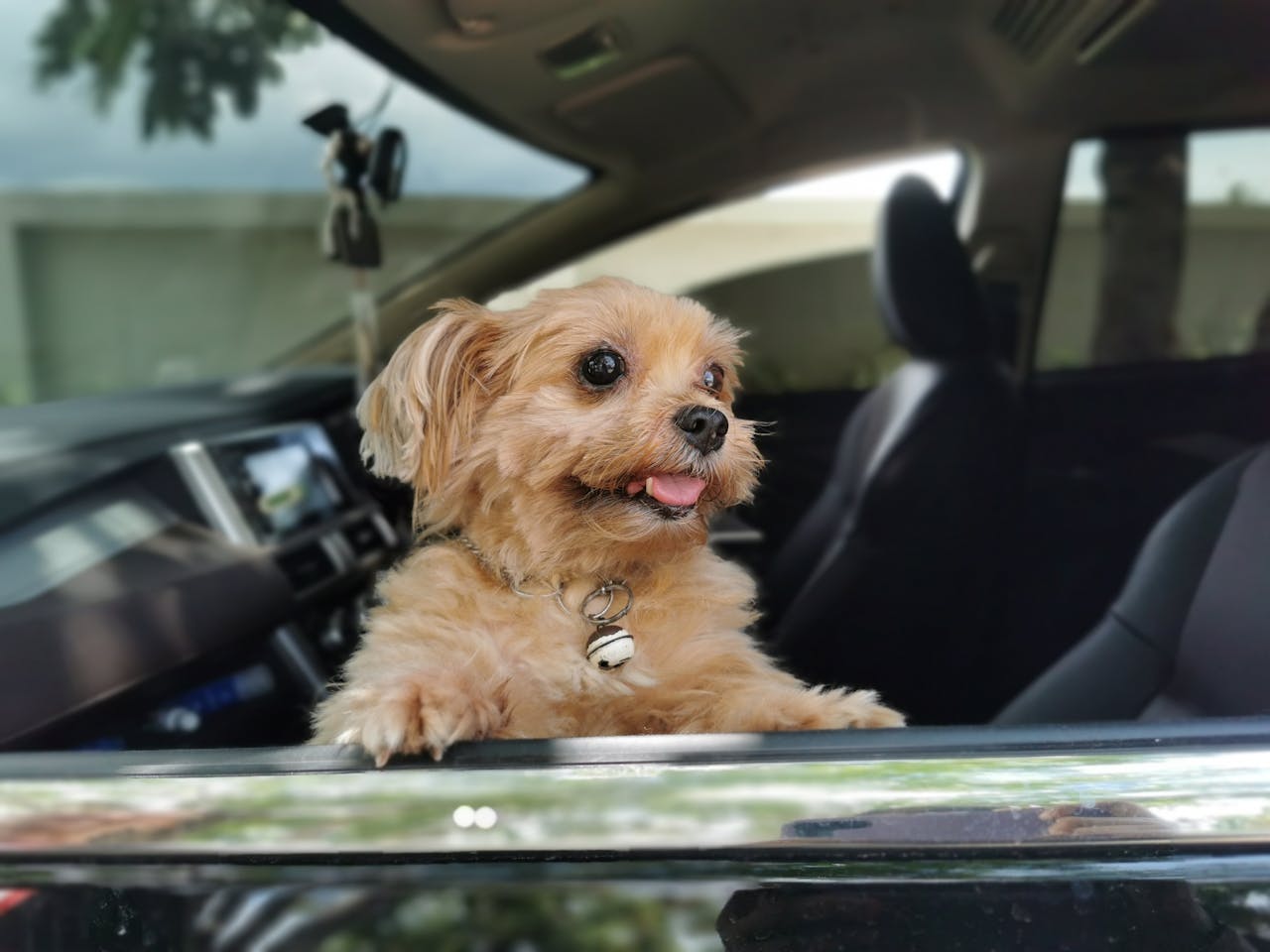
Travelling is always an exciting experience, full of new discoveries. And when your beloved furry friend is by your side, any trip becomes even more special. However, to ensure a journey with your dog or cat goes smoothly and without stress, thorough preparation is essential. It's not enough to simply buy tickets and pack a suitcase; you'll need to sort out paperwork, understand carrier regulations, and create a comfortable environment for your four-legged companion. A lack of knowledge about the rules can lead to a ruined trip, fines, or, worst of all, a risk to your pet's health.
That's why we've put together the most comprehensive guide to transporting dogs and cats. In this article, you'll find all the essential information on the rules for travelling within Ukraine and abroad, learn about the necessary documents, and get useful tips on how to make the journey as comfortable as possible for everyone. You can read all about this and much more on Tvaryny.
General Preparation for Any Trip
Whether you're planning a short trip to a nearby city or a long journey overseas, there are several universal steps you must take to ensure your pet's safety and comfort.
1. A Trip to the Vet
The first and most important step is a consultation with your veterinarian. This should be done well in advance, at least one month before your planned trip.
- Health Check: The vet must confirm that your pet is clinically healthy and fit to travel. Certain conditions (such as heart disease or pregnancy) may be contraindications for transport.
- Check Vaccinations and Treatments: Ensure all necessary vaccinations are up to date, especially for rabies. Also, don't forget about comprehensive treatment for fleas, ticks, and worms.
- Microchipping: If your pet is not already microchipped, this is a mandatory procedure for all international travel and is increasingly recommended for domestic trips. The microchip must comply with the ISO 11784/11785 standard.
- Sedatives: Discuss the possibility of using mild sedatives with your vet if your pet is particularly anxious. Important: Never give your pet human medicines or sedatives without a vet's prescription, as this can be dangerous.
2. Choosing and Preparing a Pet Carrier
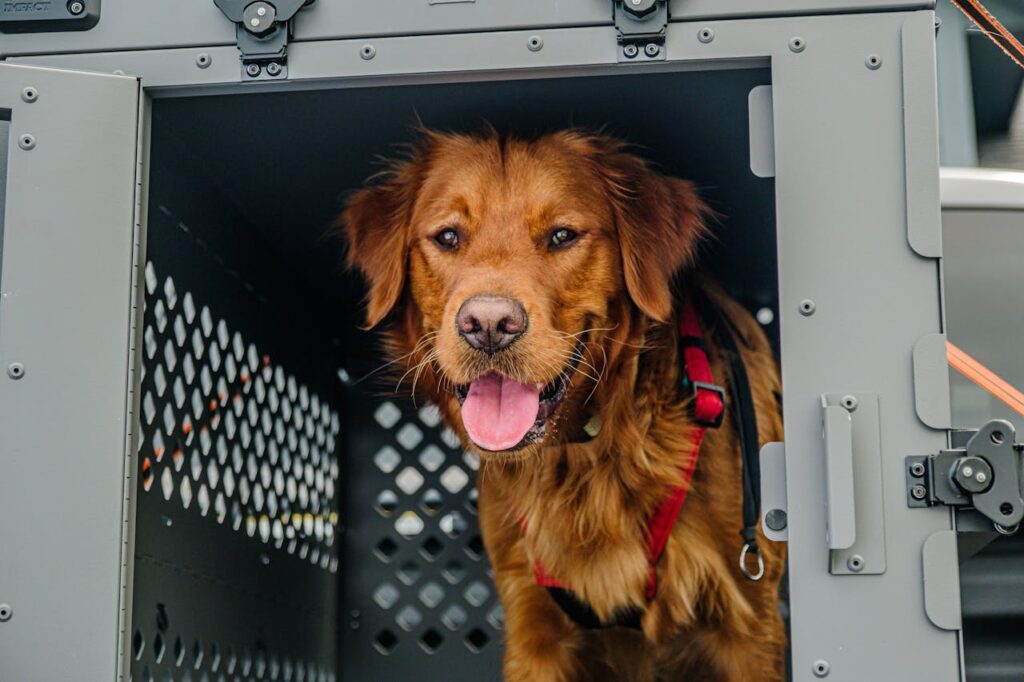
A pet carrier isn't just a bag; it's a safe space for your animal during the journey. It must be:
- The right size: The animal must be able to stand, sit, lie down, and turn around freely.
- Well-ventilated: Ventilation openings on three sides are a mandatory requirement for most airlines.
- Secure: Made of sturdy material with reliable locks that the animal cannot open from the inside.
- Waterproof base: Place an absorbent pad on the bottom in case of any "accidents."
Tip: Start getting your pet used to the carrier a few weeks before the trip. Leave it open in a room and place favourite toys and treats inside. Let the carrier become associated with safety, not confinement.
Travelling Within Ukraine
Travelling with pets within Ukraine is much simpler than going abroad, but there are still rules to follow depending on the mode of transport.
By Car
This is the easiest and most convenient way to travel. You have full control over stops, cabin temperature, and speed. However, don't forget about safety.
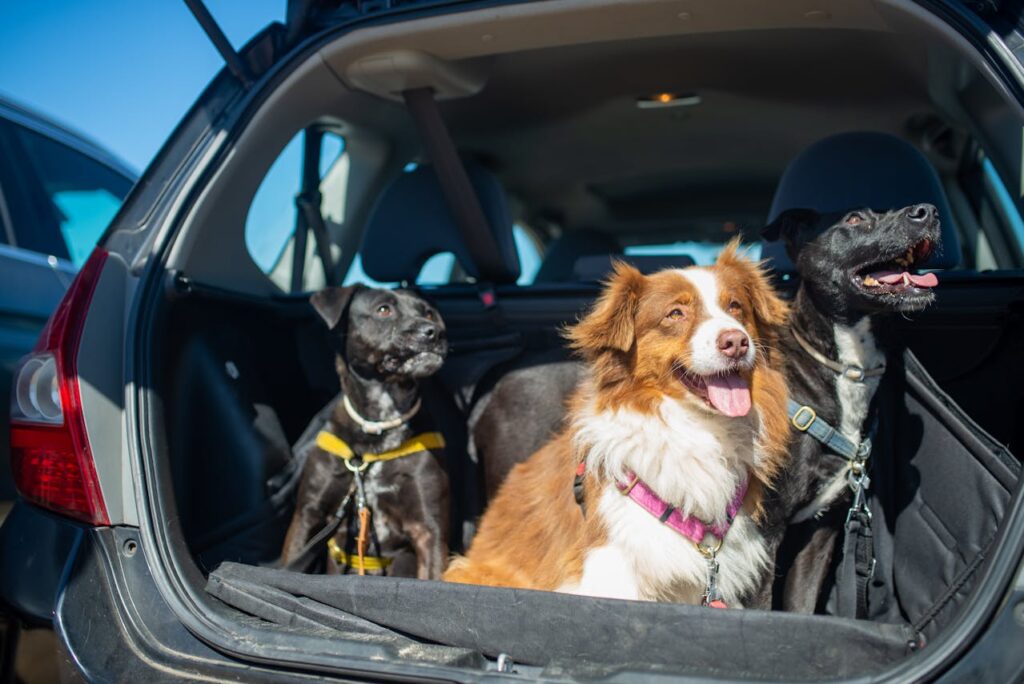
- Secure Restraint: Do not allow your pet to roam freely inside the car. This is dangerous for both them and the driver. Use special car seats, a harness attached to the seatbelt, or a securely fastened pet carrier.
- Regular Stops: Take a break every 2–3 hours so your pet can stretch, go to the toilet, and have some water.
- Never leave a pet in a closed car: Even on a cloudy day, a car's interior can heat up to critical temperatures in minutes. This can be fatal!
- Documents: For trips within Ukraine, a veterinary passport with a record of an up-to-date rabies vaccination is usually sufficient.
By Train (Ukrainian Railways)
The rules for transporting animals on Ukrainian Railways (Ukrzaliznytsia) trains are quite clear. The main thing is to arrange tickets and documents in advance.
| Carriage Type | Rules of Carriage |
|---|---|
| Coupe and SV (Sleeper Compartments) | You must book all the seats in the compartment. The pet travels in a carrier. Large dogs (over 45 cm at the withers) are permitted, provided they are muzzled and on a lead. One ticket is required per animal. |
| Platskart (Open-Plan Sleeper) and Regional Trains | Transporting pets is prohibited, except in regional train carriages with designated areas (clarify this when purchasing your ticket). |
| Intercity+ and Intercity | Pets can only be transported in a carrier, which must be held on your lap or placed in the area for hand luggage. A separate ticket (luggage receipt) is usually required for the pet. No more than two small animals are allowed per seat. |
| Assistance Dogs | Assistance dogs accompanying people with disabilities travel free of charge in all carriage types. The dog must be on a lead and muzzled. |
Required documents for train travel:
1. A veterinary passport with a record of a rabies vaccination administered no less than 30 days and no more than 1 year before the trip.
2. A luggage receipt or a ticket for the animal (issued at the station ticket office).
By Coach
Transporting pets on intercity and international coaches is the most challenging option. Most major carriers do not allow animals on board, with the exception of assistance dogs. Always confirm this directly with the carrier company before buying tickets. If permission is granted, the pet will almost always have to travel in a rigid carrier in the luggage hold, which is extremely stressful.
Travelling Abroad: Preparing for the Big Trip
A trip with your pet outside of Ukraine requires much more serious and lengthy preparation. The process can take anywhere from 4 to 6 months, so you need to start early. The main requirements for entry into EU countries and many others are standardised.
Step 1: Microchipping
This is the very first thing you need to do. The animal must be identified with a microchip that complies with the ISO 11784/11785 standard. CRUCIALLY: The microchipping must be done BEFORE the rabies vaccination. If the pet was vaccinated and then microchipped, the vaccination will have to be done again after the chip is implanted.
Step 2: Rabies Vaccination
After microchipping, the pet must be vaccinated against rabies. The vaccine must be certified in the country you are travelling to. The vaccination is considered valid 21 days after it is administered (for a primary vaccination).
Step 3: Rabies Antibody Titre Test
This is one of the most critical and time-consuming stages for entry into the EU and several other countries.
- A blood sample for the test can be taken no sooner than 30 days after the rabies vaccination.
- The analysis must be carried out in an accredited laboratory. In Ukraine, this is primarily a single state laboratory in Kyiv.
- The test result must show an antibody level of at least 0.5 IU/ml.
- The key point: After receiving a successful test result, the pet can only enter the EU after a 3-month waiting period has passed. This period is counted from the date the blood sample was taken, not the date you receive the result.
So, the minimum preparation timeline is: microchip -> wait 30 days -> blood test -> wait 90 days = ~4 months.
Step 4: Preparing Your Paperwork
- International Pet Passport: This is your pet's main document. It should be completed in English (or the language of the destination country) and Ukrainian. It must include details of the microchip, all vaccinations, and treatments.
- Veterinary Certificate (Form 1-VET): This is issued by a state veterinary clinic no more than 5 days before departure. This document confirms the animal is healthy and comes from an area free of infectious diseases.
- International Health Certificate: At the border (at the airport or a land crossing), a state veterinary inspector will exchange your Form 1-VET for an international health certificate, which is the main entry permit for another country.
- Owner's Declaration (for the EU): A specific form in which you confirm that the transport of the animal is non-commercial.
Additional Requirements for Different Countries
Always check the rules of your destination country! Requirements can vary.
| Country / Region | Specific Requirements |
|---|---|
| EU Countries | Standard package: microchip, rabies vaccination, titre test, pet passport, international certificate. Some countries (e.g., Finland, Ireland, Malta) require additional treatment for tapeworm (Echinococcus) 24–120 hours before entry. |
| Great Britain | Rules are similar to the EU but stricter. Pet entry is only possible via approved routes and transport companies (as cargo). Treatment for tapeworm is mandatory. |
| USA & Canada | Requirements are simpler than for the EU. Microchip and rabies vaccination are mandatory. An antibody titre test is not usually required for pets from Ukraine (but always check the latest information on the CDC and CFIA websites, as country status can change). A health certificate is needed. |
| Turkey, Georgia, Montenegro | A microchip, a pet passport with up-to-date vaccinations, and an international health certificate are usually sufficient. A titre test is not required. |
Final Pre-Trip Checklist
To make sure you don't forget anything in the pre-trip rush, use this short checklist:
- Documents: Pet passport, certificates, test results, tickets. Make both paper and electronic copies.
- Pet Carrier: Secure, comfortable, with an absorbent pad and a tag with your contact details.
- Food and Water: Pack enough of your pet's usual food for a few days. Have a bottle of water and a travel bowl handy.
- First-Aid Kit: Travel sickness remedies (as prescribed by your vet), antiseptic, bandages, and any regular medication your pet takes.
- Gear: A secure harness (better than a collar), lead, and muzzle (if required).
- Hygiene Supplies: Wet wipes, paper towels, and bags for cleaning up after your pet.
- Favourite Toys: A familiar item will help comfort your pet in a new environment.
Conclusion
Travelling with a dog or cat is a wonderful adventure, but one that demands responsibility and careful preparation. The key to success is planning ahead. Start preparing several months in advance, carefully study the rules of your destination country and carrier, and don't leave the visit to the vet until the last minute. While it may seem complicated, the joy of sharing new discoveries with your faithful friend is well worth the effort. Happy travels!