

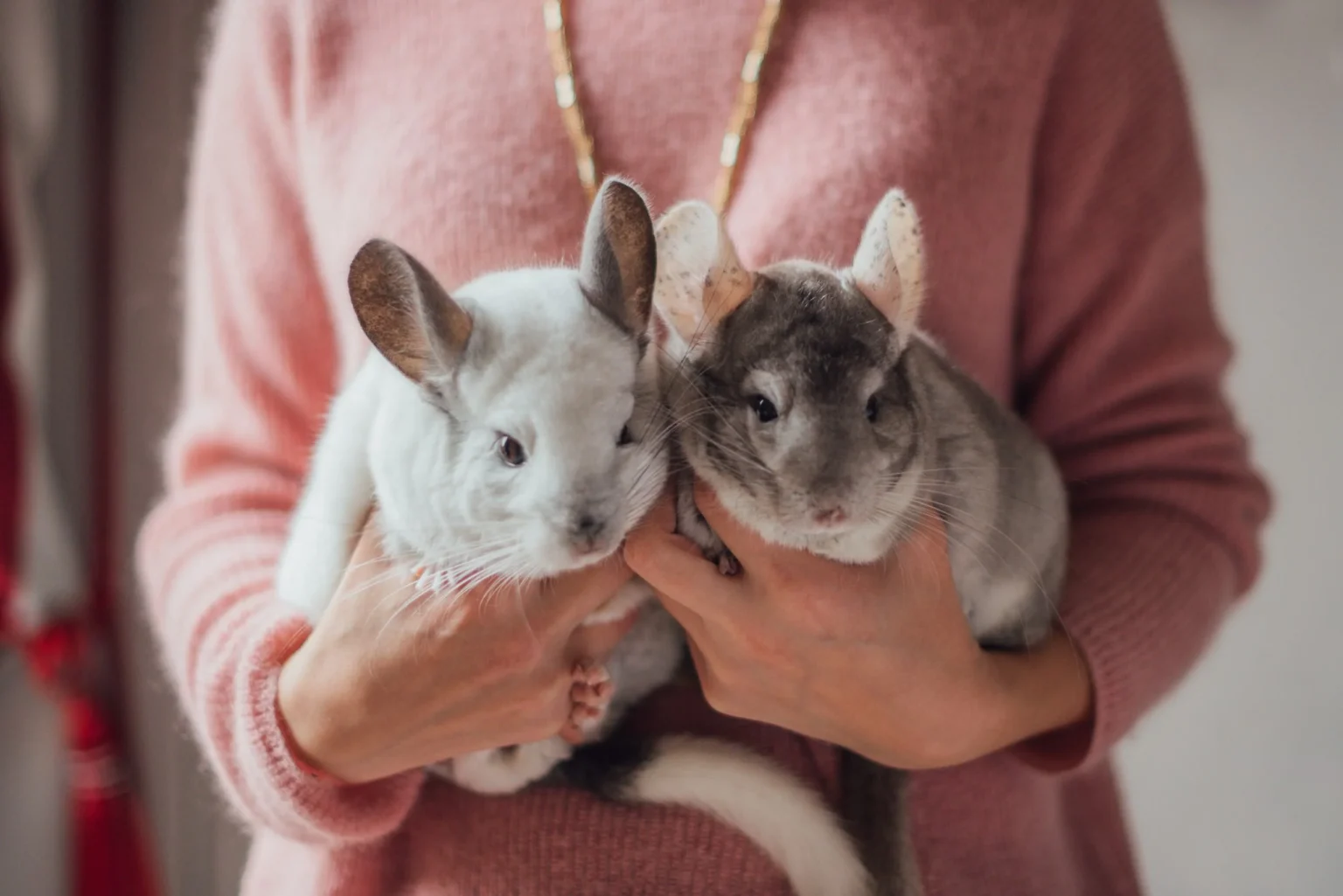
Chinchillas aren’t just cute balls of fluff that melt your heart at first glance. These are intelligent, long-lived, and demanding companions requiring a specific approach. If you decide to bring this exotic rodent home, be prepared for a lifestyle change. They aren’t like hamsters or guinea pigs; caring for them is closer to looking after a toddler who never grows up. In return, however, they offer years of loyalty and amusing moments. In this comprehensive guide, we’ll break down every aspect of life with a chinchilla: from setting up the perfect display case to nutritional nuances that will keep your pet healthy for 15-20 years. Yes, with the right care, they really do live that long! Learn more on Tvaryny.
Origins and Biology: Who is this “Mountain Ghost”?
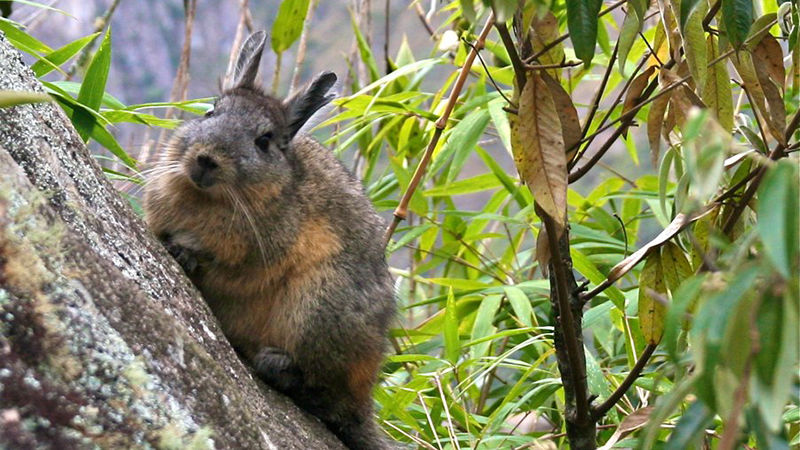
To understand a chinchilla’s needs, you have to look at its historical homeland. These animals hail from the harsh highlands of the Andes (Chile, Peru, Bolivia). They live at altitudes of 3,000-5,000 metres above sea level, where the air is dry and the climate is cold. That is why nature gifted them unique fur: 60-80 hairs grow from a single follicle, making their coat incredibly dense.
Key facts that influence care:
- No sweat glands: Chinchillas do not sweat. They cool down through their ears, but this mechanism is weak.
- Nocturnal activity: Their energy peaks during twilight and at night.
- Collapsible skeleton: Thanks to a special skeletal structure, a chinchilla can squeeze into any gap that its head fits through. This is crtical to consider when choosing a cage.
Housing: Cage or Display Cabinet?
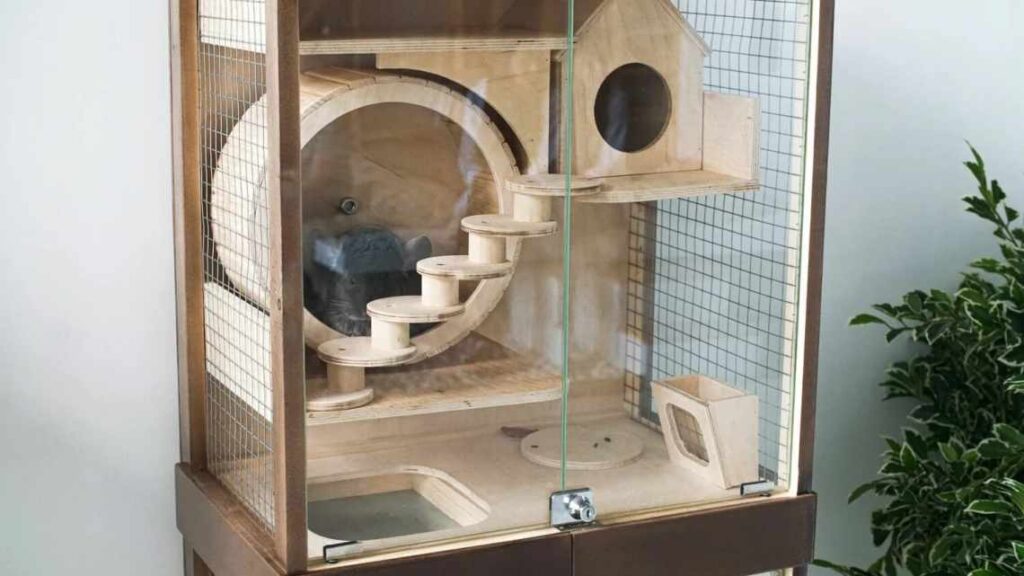
Forget about cramped rabbit cages. A chinchilla is an incredibly agile animal that vitaly needs space to jump upwards. The ideal option is a tall display cabinet (a wardrobe with mesh instead of glass, or a combination).
Accommodation requirements:
- Dimensions: The minimum size for one individual is 50x50x80 cm (height is the priority). The taller, the better.
- Materials: No plastic inside! The chinchilla will try to chew it, which leads to intestinal blockage. Use only safe wood (beech, birch, lime, apple) and metal.
- Shelves: Arrange them in a cascade so the animal can jump but cannot fall from a great height straight to the bottom.
- Tray: It is better to use wooden filler (pellets) or large-fraction sawdust. Newspapers must not be used due to toxic ink.
Temperature Control: A Matter of Life and Death
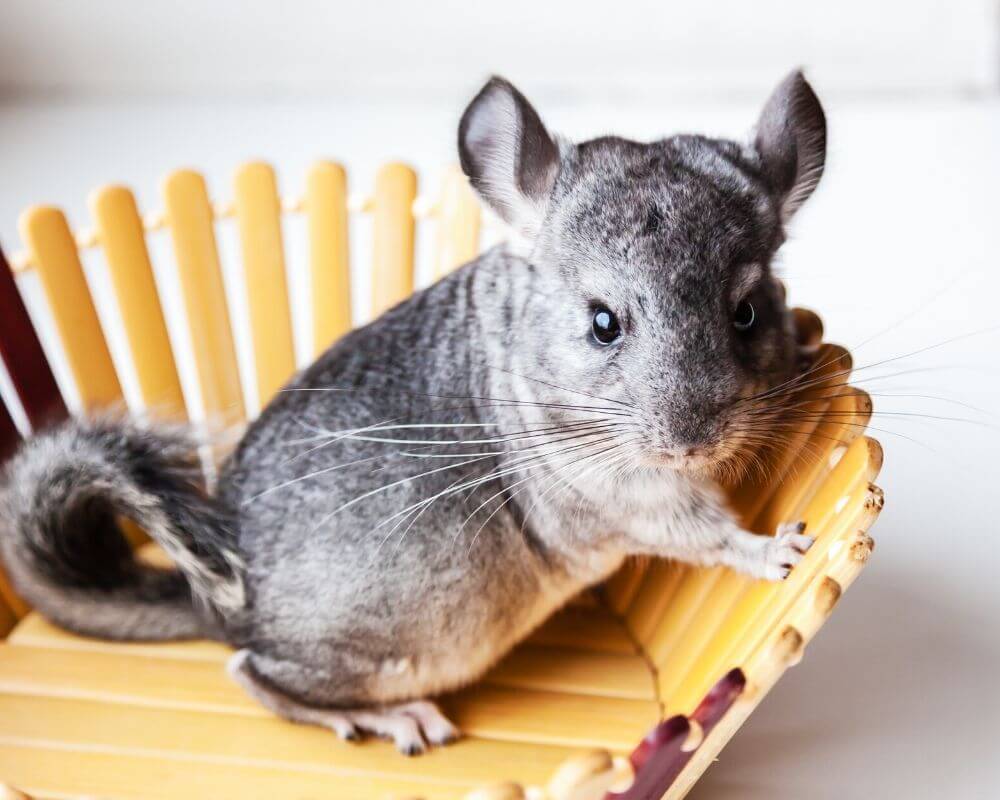
This is the most important section of the article. Chinchillas cannot tolerate heat. Temperatures above +25°C are critical, and +28°C can lead to heatstroke and death within a few hours.
If your flat gets hot in the summer, air conditioning is a mandatory requirement for owning a chinchilla. Fans do not help, as they simply move warm air around, and chinchillas do not sweat.
Chinchilla Diet: The Golden “80-15-5” Rule
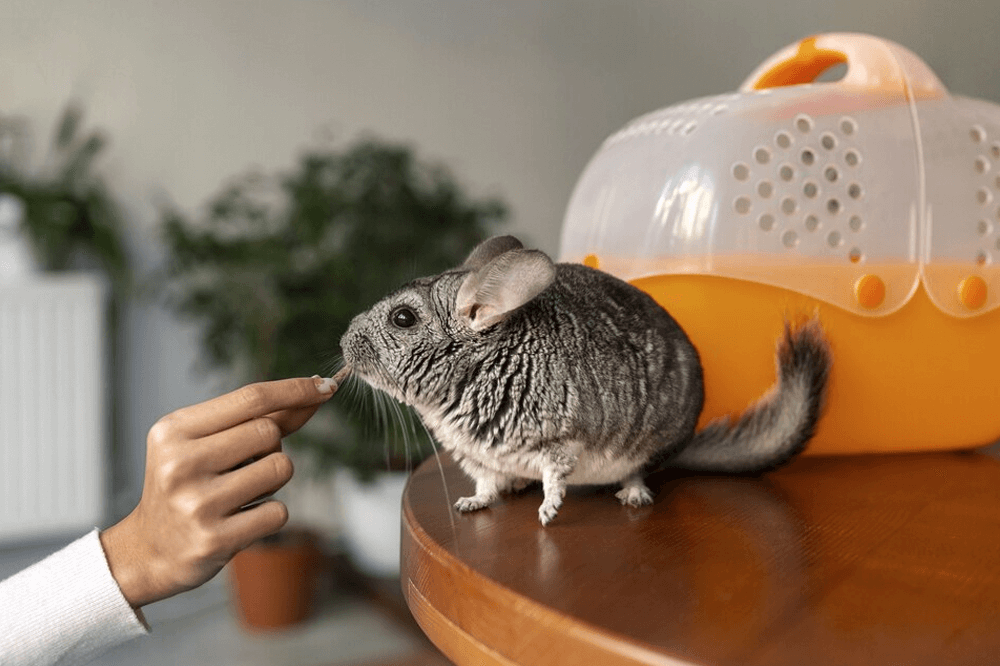
Chinchillas have a very sensitive digestive system (GI tract). Any experiment with food can end in bloating, which is extremely difficult to treat in these animals. The foundation of health is dietary stability.
| Food Type | Share in Diet | Note |
|---|---|---|
| Hay | 80% | Must be available 24/7. Helps grind teeth and aids peristalsis. |
| Pellets | 15% | Special feed (only grass pellets, no coloured additives). 1-2 tablespoons per day. |
| Treats | 5% | Dried apples, dandelion root, tree twigs. |
| Water | Always | Only filtered or bottled. Avoid boiled water; it is “dead” to them. |
Strictly Forbidden:
- Fresh vegetables and fruits (cause fermentation).
- Nuts and seeds (too fatty, harmful to the liver).
- Table scraps (bread, biscuits, dairy products).
- Branches of stone fruit trees (cherry, plum, apricot) – they contain hydrocyanic acid.
Hygiene: Bathing in Volcanic Dust
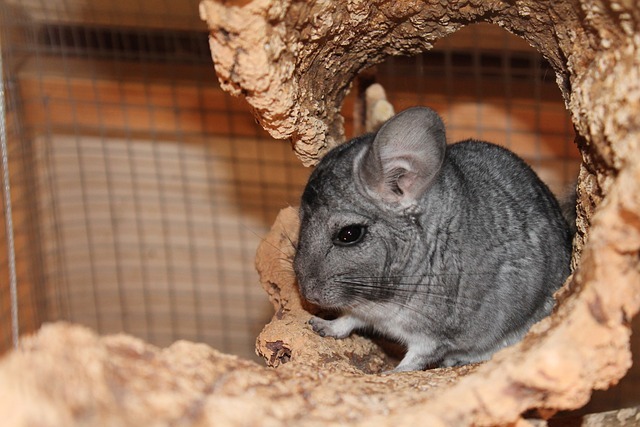
You must not wash a chinchilla with water! Their thick fur takes a very long time to dry, which can lead to hypothermia or fungal infections. For hygiene, they use special sand (zeolite or sepiolite).
Organise a “bath day” 2-3 times a week. Place a bathhouse with sand in the cage for 20-30 minutes. Do not leave it there for long, otherwise, the animal will turn it into a toilet. Quality sand cleans grease and dead hair from the fur well, making the coat shiny and silky.
Health: Warning Signs
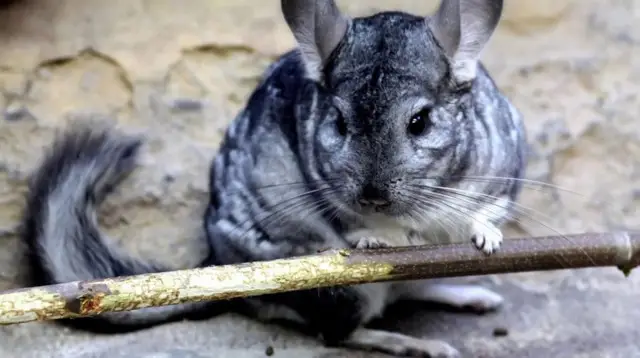
Chinchillas are prey animals, so they hide pain until the very last moment. By the time you notice obvious symptoms, it may be too late. Pay attention to behaviour – lethargy is a bad sign.
Main problems:
- Malocclusion (Tooth Spurs): Chinchilla teeth grow throughout their lives. If the animal eats too little hay, the teeth do not grind down and injure the mouth. Symptoms: drooling (wet neck), refusal to eat, crushing food into crumbs.
- Bloating (Tympany): The belly becomes hard, like a drum. Immediate help from a rodent specialist vet is required.
- Hair Ring: In males, fur can wind around the reproductive organ, cutting off blood circulation. You need to check this delicate area regularly.
Living with Other Animals
Chinchillas are solitary or live in pairs of their own species. They do not get on well with cats or dogs (stress, risk of injury). But what about birds? If you have a whole zoo at home, it’s worth knowing the specifics of each species.
For example, parrots can create a lot of noise, which scares chinchillas. By the way, we have prepared an article on how to stop a parrot from swearing and a ranking of the smartest parrot species for home keeping.
Taming and Socialising
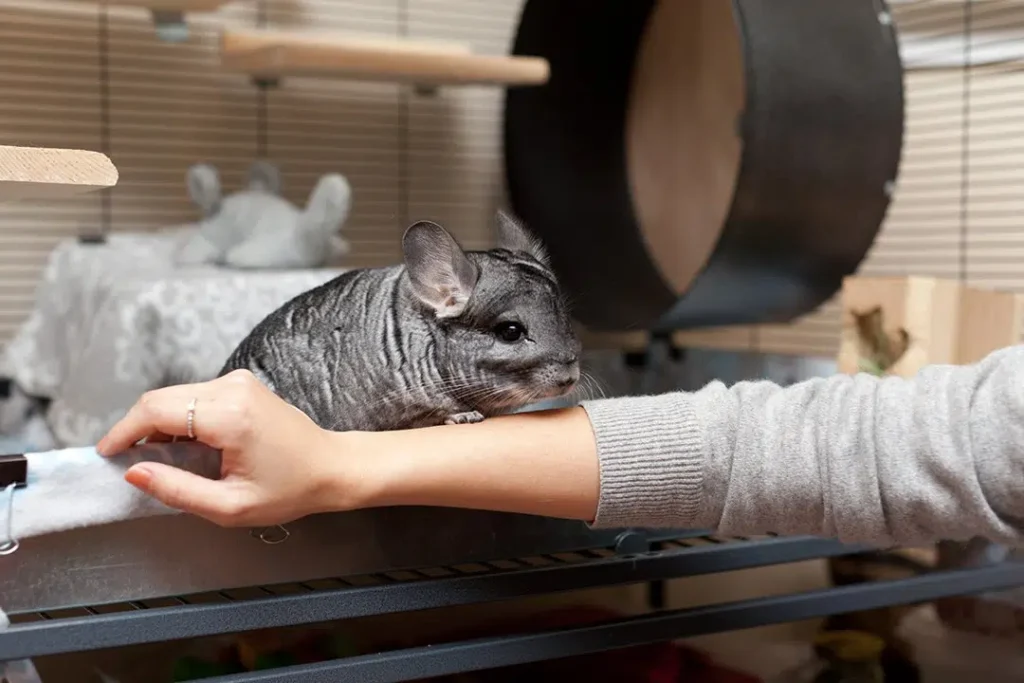
Taming a chinchilla is a marathon, not a sprint. Do not try to grab it with your hands in the first few days. Act gradually:
- Adaptation: Give it 2-3 days just to sit in the new display cabinet; do not touch it.
- Voice: Speak to it in a quiet, calm voice near the cage.
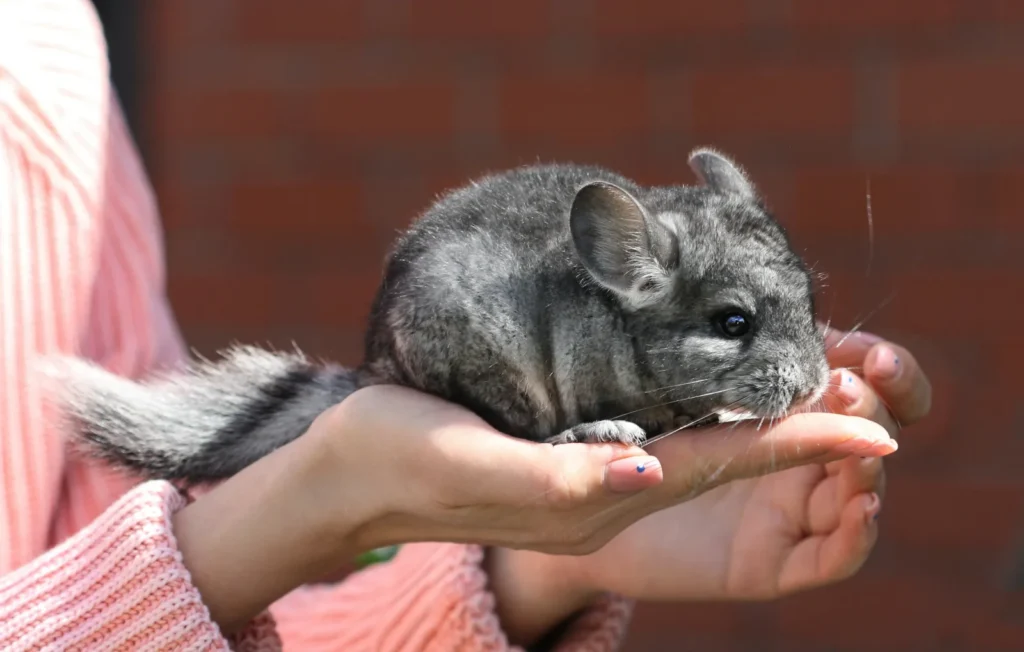
- Hand-bridge: Open the door and place your hand on the shelf, palm up. Put a treat on your palm (a piece of dried apple). Wait for it to approach on its own.
- Scratching: When the chinchilla stops fearing hands, try scratching it behind the ear or under the neck. They absolutely love this!
Pros and Cons
| Pros (+) | Cons (-) |
|---|---|
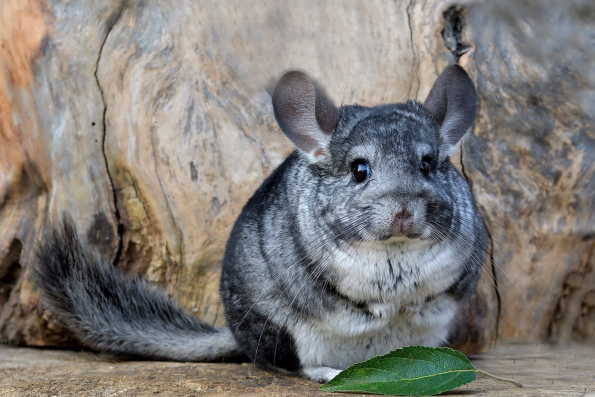
| Hypoallergenic (almost odourless) | Active at night (can make noise) |
| Long-lived (up to 20 years) | Require temperature control (air conditioning) |
| Very soft and pleasant to touch | Expensive upkeep (display cabinet, feed, vet) |
| High intelligence, interesting to watch | Do not like being constantly squeezed |
A chinchilla is a wonderful friend for a responsible adult who is ready to accept night-time rustling for the sake of interacting with this amazing creature. Provide it with space, cool air, and the right diet – and it will thank you with years of healthy life.