

Dog vomiting at a glance
- First tell vomiting apart (active, with abdominal heaving, bile and a sour smell) from regurgitation (passive, undigested food from the gullet) — the approaches differ.
- After a single vomit in a bright dog: withhold food for 12–24 hours (NOT for puppies, seniors or diabetics), offer water in small amounts, then a bland diet (chicken + rice).
- Get to a vet at once if there is blood in the vomit, unproductive retching with a bloated belly (bloat/GDV!), non-stop vomiting, lethargy, pale gums, or if it’s a puppy or you suspect poison.
- Never give human medicines (ibuprofen, aspirin, antispasmodics) and don’t induce vomiting without a vet’s instruction.
Vomiting is one of the most common and, at the same time, most worrying signs dog owners face. It can be a harmless reaction to swallowed grass or an ominous sign of serious illness. When your pet is suffering and you can’t get to a clinic right away, it’s important not to panic but to know how to assess the situation and give first aid. This article will help you understand why a dog vomits, how to tell it from regurgitation, and what you can do at home to ease the animal’s state.
Important note: This material is for information only. It cannot replace a full veterinary consultation, diagnosis and treatment. Home care is a temporary measure to stabilise the animal until a specialist can see it. If your dog’s condition worries you, worsens or comes with other alarming signs, seek a way to contact a vet at once.
The key differences between vomiting and regurgitation in dogs
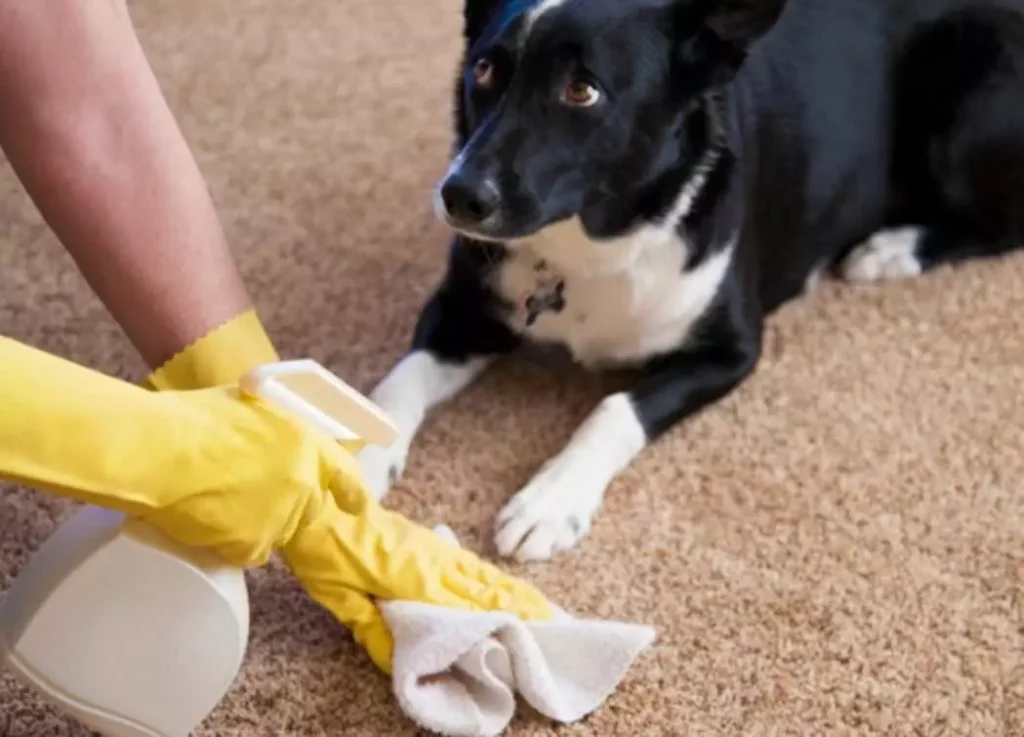
Before deciding what to do if your dog is vomiting, it’s crucial to work out whether it really is vomiting or regurgitation. These are two entirely different processes with different causes and treatments. Getting it wrong can lead to the wrong actions.
Vomiting is an active process coordinated by a centre in the brain. It involves strong contractions of the abdominal muscles and diaphragm to expel the stomach’s contents and sometimes the upper small intestine.
- Signs of vomiting: It’s usually preceded by nausea — the dog becomes restless, may pace, lick its lips a lot, drool and tremble. Just before the act there are clearly visible abdominal heaves (retching).
- Contents: Partly or fully digested food and fluid. Bile is often present, giving the vomit a yellow or greenish tinge and a characteristic sour smell.
- Causes: Points to problems in the stomach or intestines, or to systemic disease (pancreatitis, kidney disease, poisoning).
Regurgitation is a passive process. Food is expelled from the oesophagus (the tube joining the throat to the stomach) with no abdominal effort. The food simply “falls” back out, often unexpectedly.
- Signs of regurgitation: No preceding nausea or abdominal heaving. The dog may simply lower its head and the food drops out. It often happens soon after eating or drinking.
- Contents: Undigested food that has not yet been in the stomach. It often keeps the shape it had when swallowed (e.g. a “sausage” of kibble), is coated in mucus, but has no sour smell and no bile.
- Causes: Usually linked to oesophageal problems such as megaoesophagus (an enlarged gullet), oesophagitis (inflammation) or a foreign body in the oesophagus.
If your dog is regurgitating rather than vomiting, the home methods below probably won’t help, and the animal needs specific diagnostics (such as a contrast X-ray) to find the oesophageal problem.
Comparison table: vomiting vs regurgitation
| Sign | Vomiting | Regurgitation |
|---|---|---|
| Process | Active (with abdominal heaving) | Passive (effortless) |
| Warning signs | Nausea, drooling, restlessness | None |
| Contents | Partly/fully digested food, fluid, bile | Undigested food, mucus, no bile |
| Smell | Sour | Smell of the food eaten |
| Timing after eating | Any time | Usually soon after eating/drinking |
| Main location of the problem | Stomach, intestines, systemic disease | Oesophagus |
Causes of vomiting and regurgitation in dogs

The list of possible causes of vomiting in dogs is extremely broad, from simple overeating to life-threatening conditions. Understanding the possible causes helps you judge how serious the situation is.
Common and relatively harmless causes:
- Overeating or eating too fast: The dog gulps food without chewing, or simply eats too big a portion. The stomach reacts by getting rid of the excess.
- “Garbage” eating: Eating spoiled food, bin waste or something inedible outside (grass, leaves). This is the most common cause of acute gastritis.
- A sudden diet change: The digestive system can’t adapt to a new food fast enough, which causes irritation.
- Motion sickness: Many dogs feel sick in the car. This happens because of irritation of the vestibular system.
- Stress or over-excitement: Strong emotions can also trigger the vomiting reflex.
- “Hungry” (bilious) vomiting: Some dogs (especially small breeds) may vomit bile in the morning on an empty stomach because of too-long gaps between meals.
Serious and dangerous causes of vomiting:
- Poisoning (intoxication): One of the most dangerous causes. The dog may have eaten:
- Household chemicals (detergents, bleach).
- Human medicines (ibuprofen and paracetamol are extremely toxic).
- Poisonous plants (lilies, azaleas, rhododendrons).
- Antifreeze (sweet-tasting but deadly).
- Chocolate, xylitol (a sugar substitute), grapes, onions.
- Rat poison.
- Foreign body in the gut: A swallowed toy, bone, stone, piece of fabric or thread can lodge in the stomach or intestine and cause an obstruction. This needs immediate surgery.
- Infectious diseases:
- Parvovirus: An extremely dangerous virus, especially in puppies. It comes with severe, often bloody vomiting and diarrhoea.
- Leptospirosis: A bacterial infection that attacks the kidneys and liver.
- Canine distemper: A viral disease with a wide range of symptoms, including vomiting.
- Systemic diseases (internal organ disease):
- Pancreatitis: Inflammation of the pancreas. Often occurs after very fatty food. Comes with severe abdominal pain and lethargy.
- Kidney disease (renal failure): Toxins the kidneys can’t remove build up in the blood and cause nausea.
- Liver disease: Impaired liver function also leads to intoxication.
- Diabetes (ketoacidosis): A life-threatening complication of diabetes.
- Gastric torsion (GDV/bloat): A deadly condition, mostly in large, deep-chested breeds. The stomach twists, blocking its entrance and exit. The dog retches but nothing comes up (“unproductive vomiting”), the belly swells rapidly and the animal weakens before your eyes. Emergency surgery is needed within the hour.
- Intestinal parasites (worms): A heavy infestation can irritate the stomach and cause vomiting, sometimes even with live parasites.
Giving help at home
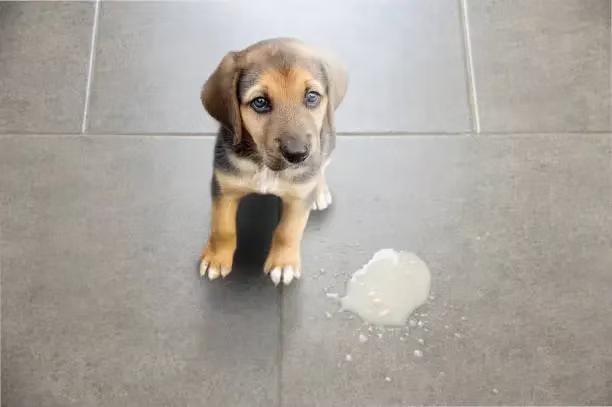
If you’re facing vomiting in a dog and can’t get to a vet urgently, your actions should be careful and considered. The main goal is to do no harm and ease the symptoms.
Step 1: Assess the situation and the “red flags”
First, examine the dog carefully and analyse the situation. This determines whether you can wait at all or need to find a vet urgently no matter what.
SEEK VETERINARY HELP AT ONCE IF:
- The vomiting is continuous or repeated: The dog vomits every 10–30 minutes and can’t even keep water down.
- There is blood in the vomit: Bright red (fresh bleeding) or dark, like coffee grounds (digested blood).
- Vomiting comes with severe diarrhoea (especially bloody). This causes rapid dehydration.
- Unproductive vomiting: The dog tries to be sick but can’t, and the belly swells (suspected gastric torsion).
- General state: The dog is lethargic, apathetic, lies down and doesn’t respond to you — or, on the contrary, is very restless, whines and can’t settle (a sign of severe pain).
- Other symptoms: Pale or bluish gums, laboured breathing, seizures, collapse.
- Age and status: It’s a puppy (they dehydrate fast), an elderly animal, or a dog with a known chronic illness (diabetes, kidney disease).
- A known cause: You know for certain, or strongly suspect, that the dog ate poison, chemicals or a foreign object.
Step 2: First aid for mild, one-off vomiting
If the dog vomited once but stays active, alert, drinks water and behaves normally, it may have been a reaction to something eaten. In this case you can try the following home care for dog vomiting, which is really a temporary diet.
1. A short “hunger” diet
Remove the food bowl at once. Give the dog’s stomach a “rest”. For a healthy adult dog of medium or large size you can withhold food for 12–24 hours. This lets the inflamed stomach lining calm down.
Caution: You must not starve puppies (especially small breeds), elderly animals or dogs with diabetes. In them, hunger can cause a dangerous drop in blood sugar (hypoglycaemia). For them, skip this step or limit it to 2–4 hours, and contact a vet at the first opportunity.
2. Controlling water intake
Vomiting causes dehydration, so access to water matters. However, if the dog drinks a large bowl of water at once, it may trigger another bout of vomiting. Remove the water bowl for 1–2 hours after a vomiting episode. Then bring it back, but offer water in small amounts every 20–30 minutes. Or drop a few ice cubes into the empty bowl — the dog will lick the melted water slowly.
If the dog keeps water down for 2–3 hours without vomiting again, you can allow free access to fresh water.
3. Gradually resuming feeding (a bland diet)
If there has been no vomiting for 12–24 hours (or 4–6 hours for puppies), you can start feeding. Don’t go straight back to the usual food. A light, gentle diet is needed, given in small portions 4–6 times a day.
Bland-diet options:
- Boiled chicken breast (no skin or bones) + white rice. About 1 part chicken to 2 parts rice. The rice should be well cooked.
- Boiled turkey + rice.
- Low-fat cottage cheese + rice.
- Specialised veterinary diets (tins): If you have access to a veterinary pharmacy, there are ready-made therapeutic foods for dogs with GI problems (e.g. Royal Canin Gastrointestinal, Hill’s i/d).
Keep to this diet for 2–3 days. If the state is stable and the vomiting doesn’t return, start gradually (over 3–5 days) mixing the usual food into the therapeutic diet, increasing the share of usual food each day.
What you must never do
- Don’t give human medicines. Never give a dog anti-nausea drugs, painkillers (ibuprofen, aspirin, antispasmodics) or antibiotics from your cabinet without a vet’s prescription. Many of them are toxic to dogs.
- Don’t try to induce vomiting yourself unless you are 100% sure the dog ate poison and have been told to by a vet on the phone. If the dog swallowed something sharp or a caustic chemical, vomiting will do even more harm.
- Don’t force-feed the dog. If the animal refuses food, it has a reason.
- Don’t ignore accompanying symptoms. Vomiting + lethargy + diarrhoea is always a reason to seek a vet urgently.
Preventive measures
Preventing vomiting is far easier than treating it. Most cases of acute gastritis are linked to feeding and supervision errors.
- Controlled feeding: Feed a high-quality balanced food suited to the dog’s age, breed and activity level. Don’t overfeed.
- No table scraps: Don’t get the dog used to “human” food. Fatty, fried, smoked and sweet food (especially bones, chocolate, onions, grapes) can be dangerous.
- Gradual food changes: Introduce any new food gradually over 7–10 days, replacing the old one bit by bit.
- Supervision on walks: Don’t let the dog “vacuum” the ground or pick up rubbish, bones or faeces. If your dog is prone to this, use a muzzle.
- A safe home: Keep all household chemicals, medicines, rodent poisons and antifreeze out of the dog’s reach. The bin should be firmly closed.
- Safe toys: Buy toys of the right size that the dog can’t chew up and swallow. Don’t give tubular chicken bones.
- Vaccination and deworming: Timely vaccines protect against dangerous infections (parvovirus, distemper), and regular deworming lowers the risk of parasite infestations.
- Slow feeding: If your dog eats too fast, use special slow-feeder bowls that slow down eating.
FAQ
How long can I withhold food from a dog that is vomiting?
For a healthy adult dog, a 12–24 hour fast lets the stomach lining calm down. But you must NOT starve puppies, elderly animals or diabetic dogs (risk of a dangerous drop in blood sugar); for them, limit the pause to 2–4 hours and contact a vet sooner.
What can I give a dog for vomiting at home?
Not medicine, but a temporary bland diet: boiled chicken or turkey (no skin or bones) with well-cooked rice, in small portions 4–6 times a day; water in small amounts. Do not give human anti-emetics without a vet’s prescription.
When is vomiting in a dog dangerous?
When there is blood (fresh or like “coffee grounds”), unproductive retching with a bloated belly (suspected gastric torsion), non-stop vomiting, severe diarrhoea, lethargy, pale or bluish gums, seizures — or if it’s a puppy or you suspect poison or a foreign object. These call for immediate veterinary help.
Why does a dog vomit yellow foam in the morning on an empty stomach?
This is “hungry” bilious vomiting, caused by too-long gaps between meals (more common in small breeds). A small late snack or more frequent, smaller meals help. If it happens often, have the dog checked by a vet.
Can I give a dog human anti-sickness drugs (metoclopramide, antispasmodics)?
No, not without a vet’s prescription. Many “human” drugs are toxic to dogs or mask the symptoms of a dangerous condition. An anti-emetic should be chosen by a vet after an examination.
Conclusion
Vomiting in a dog is always an alarm signal. Even if you can’t get to a vet at once, it’s your duty to watch the animal closely. Telling vomiting from regurgitation, assessing the “red flags” and giving sensible first aid (fasting, water, a gentle diet) can greatly ease your pet’s state. Remember, though, that home methods don’t treat the underlying cause. Repeated vomiting, lethargy, blood, or suspected poisoning or a foreign body are absolute reasons to seek emergency veterinary help.