


Summer is a wonderful time for outdoor games, long walks, and enjoying sunny days. However, for our four-legged friends, this season brings not only joy but also a host of potential dangers. High temperatures, pesky parasites, and other summer factors can pose a serious threat to the health of dogs and cats. Responsible owners need to know how to protect their beloved pets from overheating, heatstroke, tick bites, and other seasonal problems. You can read more about this on Tvaryny.
In this article, we’ll take a detailed look at the main summer threats and offer practical advice on how to ensure your furry companions are comfortable and safe throughout the hot weather. Remember, your awareness and prompt action are the best protection for your animals.
Overheating and Heatstroke: The Invisible Threat
Dogs and cats don’t have as an efficient thermoregulation system as humans. They don’t sweat all over their bodies but cool down mainly by panting and through sweat glands in their paw pads. This makes them particularly vulnerable to overheating, which can quickly escalate into heatstroke – a life-threatening condition.
Signs of Overheating and Heatstroke in Dogs:
- Excessive panting: Frequent, heavy breathing, tongue lolling out.
- Lethargy and weakness: The animal appears tired, apathetic, and reluctant to move.
- Excessive drooling: Saliva may be thick and stringy.
- Bright red or pale gums: A change in the colour of the mucous membranes.
- Rapid pulse.
- Elevated body temperature: Above 39.5°C.
- Disorientation, unsteady gait.
- Vomiting, diarrhoea (sometimes with blood).
- Seizures, loss of consciousness (in severe cases).
Signs of Overheating and Heatstroke in Cats:
- Rapid breathing with an open mouth (panting): Less typical for cats than dogs, and often a sign of severe stress or overheating.
- Lethargy, weakness, reluctance to move.
- Damp paw pads (sweat).
- Red or pale gums and tongue.
- Restless behaviour, attempts to find a cool spot.
- Vomiting, diarrhoea.
- Tremors, unsteady gait, disorientation.
- Loss of consciousness, seizures (in critical cases).
Important! Brachycephalic breeds (e.g., Pugs, Bulldogs, Persian cats) are at increased risk due to the structure of their airways.
Preventing Overheating:
- Ensure constant access to fresh, cool water. Place several water bowls in different areas of the house and garden. Take water with you on walks.
- Create shady and cool resting spots. This could be a shaded area in the garden, or access to a cool room with a tiled floor or air conditioning.
- Limit physical activity during the hottest parts of the day. Plan walks and playtime for the early morning or late evening.
- Never, under any circumstances, leave an animal in a closed car! Even in the shade with the windows slightly open, the temperature inside can reach critical levels in minutes.
- Use cooling mats, vests, or bandanas.
- Groom your pet regularly, especially if they have thick, long fur, to improve air circulation. Don’t shave your dog “down to the skin” unless their breed requires it – fur also provides protection from the sun’s rays.
- Ensure good ventilation indoors.
- For cats that go outdoors, make sure they have access to shady spots and can return indoors.
First Aid for Heatstroke:
If you suspect your pet has heatstroke, act immediately:
- Immediately move the animal to a cool, shaded, and well-ventilated area.
- Offer a small amount of cool (not ice-cold!) water. Don’t force them to drink.
- Wet the animal’s fur with cool water. Pay special attention to the stomach, groin, armpits, and paw pads. You can use wet towels or a sponge. Do not use ice or ice-cold water, as this can cause blood vessels to constrict and worsen the situation.
- Ensure air movement (fan, draught), but don’t direct a strong current directly onto the animal.
- Take their rectal temperature if possible. The normal temperature for dogs and cats is approximately 38-39.2°C.
- Contact a vet urgently! Even if the animal seems better, a check-up is necessary, as heatstroke can have serious consequences for internal organs.
Protection from Ticks and Fleas: Seasonal Parasites
Summer is also peak season for ticks and fleas, which not only cause discomfort but can also transmit dangerous diseases.
The Danger of Ticks:
Ticks are carriers of serious diseases such as:
- Piroplasmosis (Babesiosis): A very dangerous disease affecting red blood cells. Symptoms include high fever, lethargy, refusal to eat, pale or yellowish mucous membranes, and dark urine. Without prompt treatment, it can be fatal.
- Lyme disease (Borreliosis): Affects joints, the nervous system, and the heart. Symptoms can include lameness, fever, swollen joints, and lethargy.
- Ehrlichiosis and Anaplasmosis: Bacterial infections that affect blood cells. Symptoms are varied: fever, lethargy, loss of appetite, bleeding.
The Danger of Fleas:
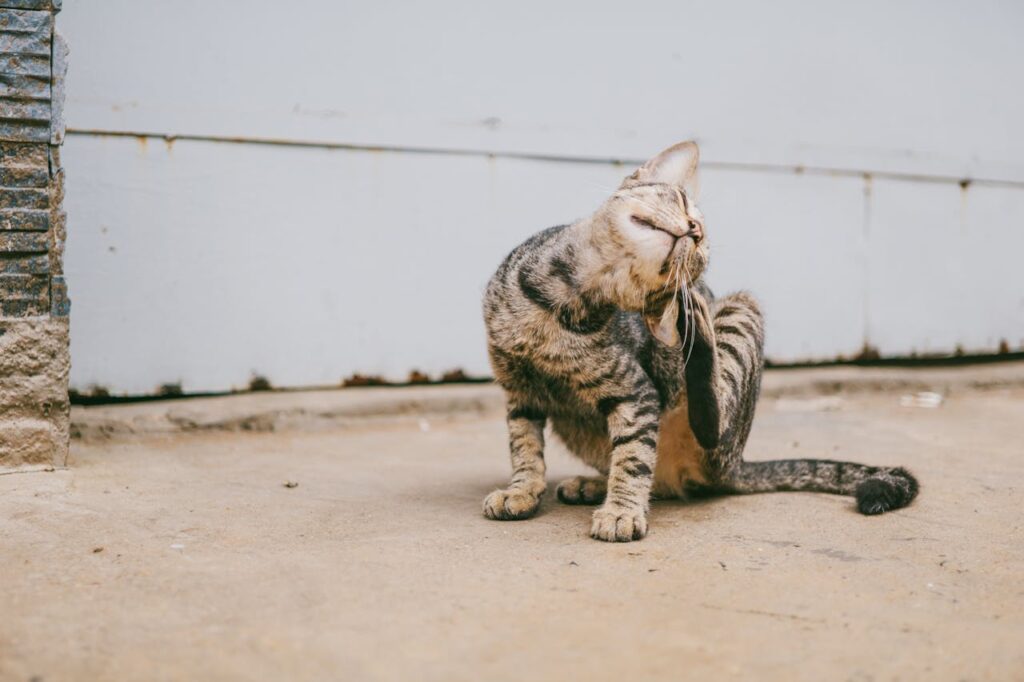
- Flea Allergy Dermatitis (FAD): Severe itching, scratching, hair loss, and skin inflammation caused by an allergic reaction to flea saliva.
- Anaemia: Especially in kittens, puppies, and weakened animals with a heavy flea infestation.
- Transmission of tapeworms (e.g., Dipylidium caninum), which an animal contracts by swallowing an infected flea.
Methods of Preventing Ticks and Fleas:
The veterinary market offers a wide range of protective products. It’s important to choose a product with your vet, considering your pet’s age, weight, health, and lifestyle.
| Type of product | Description | Advantages | Disadvantages |
|---|---|---|---|
| Spot-on drops | Liquid preparation applied to the animal’s skin on the scruff of the neck. | Easy to use, long-lasting effect (usually 3-4 weeks). Many products offer comprehensive protection (against ticks, fleas, worms). | Possible local skin reactions. The animal should not be bathed for a certain period before and after treatment. Some are toxic to certain species (e.g., permethrin for cats). |
| Collars | Collar impregnated with an insecticidal/acaricidal substance. | Long-lasting effect (up to several months). | May cause skin irritation under the collar. Doesn’t always provide 100% protection, especially for large dogs. Risk of the collar being lost. |
| Tablets (oral preparations) | Product in tablet form, given orally to the animal. | Works systemically, isn’t washed off by water. Protection starts quickly. | Possible gastrointestinal side effects. Requires accurate dosing by weight. The tick dies after biting. |
| Sprays | Sprayed onto the animal’s fur. | Fast-acting. Suitable for treating large areas. | Short-term effect. Application can be laborious, especially for long-haired animals. The animal may lick the product off. |
Regularly check your pet after every walk, especially areas with thin skin: ears, neck, armpits, groin, between the toes.
How to Remove a Tick Correctly:
- Use a special tick removal tool (tick twister, fine-tipped tweezers).
- Grasp the tick as close to the animal’s skin as possible without squeezing its body.
- Carefully remove the tick with slow, twisting or pulling movements. Don’t jerk suddenly.
- Ensure the tick’s head has not been left in the skin.
- Clean the bite area with an antiseptic.
- Wash your hands with soap.
- Do not cover the tick with oil, alcohol, or other liquids before removal! This can cause the tick to release saliva into the wound, increasing the risk of infection.
- Consult a vet if you’re unsure how to remove a tick, or if the bite area becomes very red or swollen, or if your pet’s behaviour changes.
Treating the Environment:
If fleas are found on your pet, it’s important to treat not only the animal itself but also its living areas (bedding, carpets, soft furnishings), as the majority of the flea population (eggs, larvae, pupae) is in the environment.
Other Summer Dangers: What Else to Watch Out For
Sunburn:
Yes, animals can get sunburn too! White and light-furred animals, hairless breeds, and areas with sparse fur (ears, nose, belly) are particularly vulnerable. Use special pet-safe sunscreen on vulnerable areas before sun exposure. Limit time in direct sunlight during peak hours (10 a.m. to 4 p.m.).
Dehydration:
Signs of dehydration include dry gums and nose, sunken eyes, lethargy, and loss of skin elasticity (if you gently pull up the skin on the scruff of their neck, it returns slowly). Always ensure access to fresh water.
Poisonous Plants and Insects:
In summer, insects like wasps, bees, and bumblebees are more active, and their stings can cause allergic reactions. Ensure your pet doesn’t play with them. Also, be mindful of plants on walks and in your garden. Some (e.g., rhododendrons, oleander, lilies for cats) are poisonous. Familiarise yourself with a list of plants toxic to animals.
Hot Pavements and Sand:
Scorching pavements, concrete paths, and sand can cause serious burns to paw pads. Check the surface temperature with your hand: if it’s too hot for you to hold your hand there for 5-7 seconds, it’s too hot for your pet’s paws. Walk your pet on grass, in the shade, or early in the morning/late in the evening. You can use special protective dog boots.
Safety Near Water:
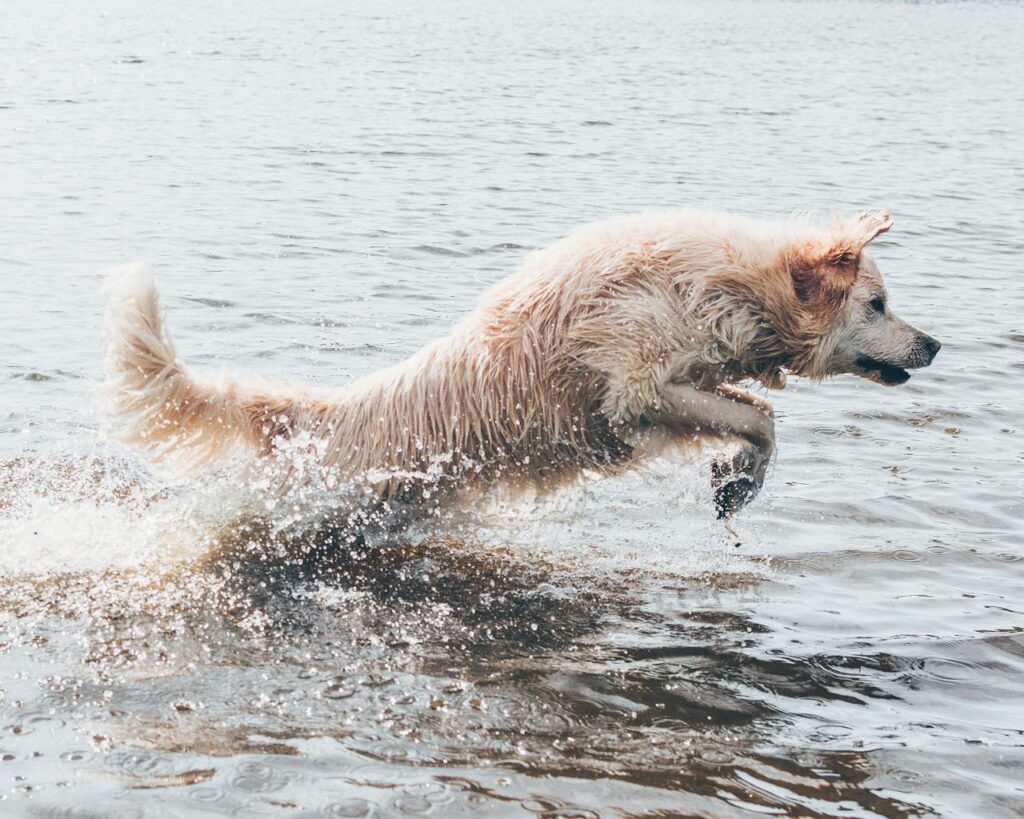
Not all dogs are good swimmers, and most cats dislike water. Never leave your pet unsupervised near pools, rivers, or lakes. If your dog enjoys swimming, ensure they can easily get out of the water. After swimming in open water or chlorinated pools, rinse your pet with clean, fresh water to wash off bacteria, salt, or chemicals. Make sure your dog doesn’t drink from puddles, stagnant water, or pools.
Conclusion: Care and Attention – The Key to a Safe Summer
Summer heat and its associated dangers demand increased attention and responsibility from dog and cat owners. Following simple preventative measures will help avoid serious health problems for your pets and make the summer months truly joyful and carefree. Always have your vet’s contact details to hand and don’t hesitate to seek advice for any worrying symptoms. May summer bring you and your furry friends only positive experiences!