

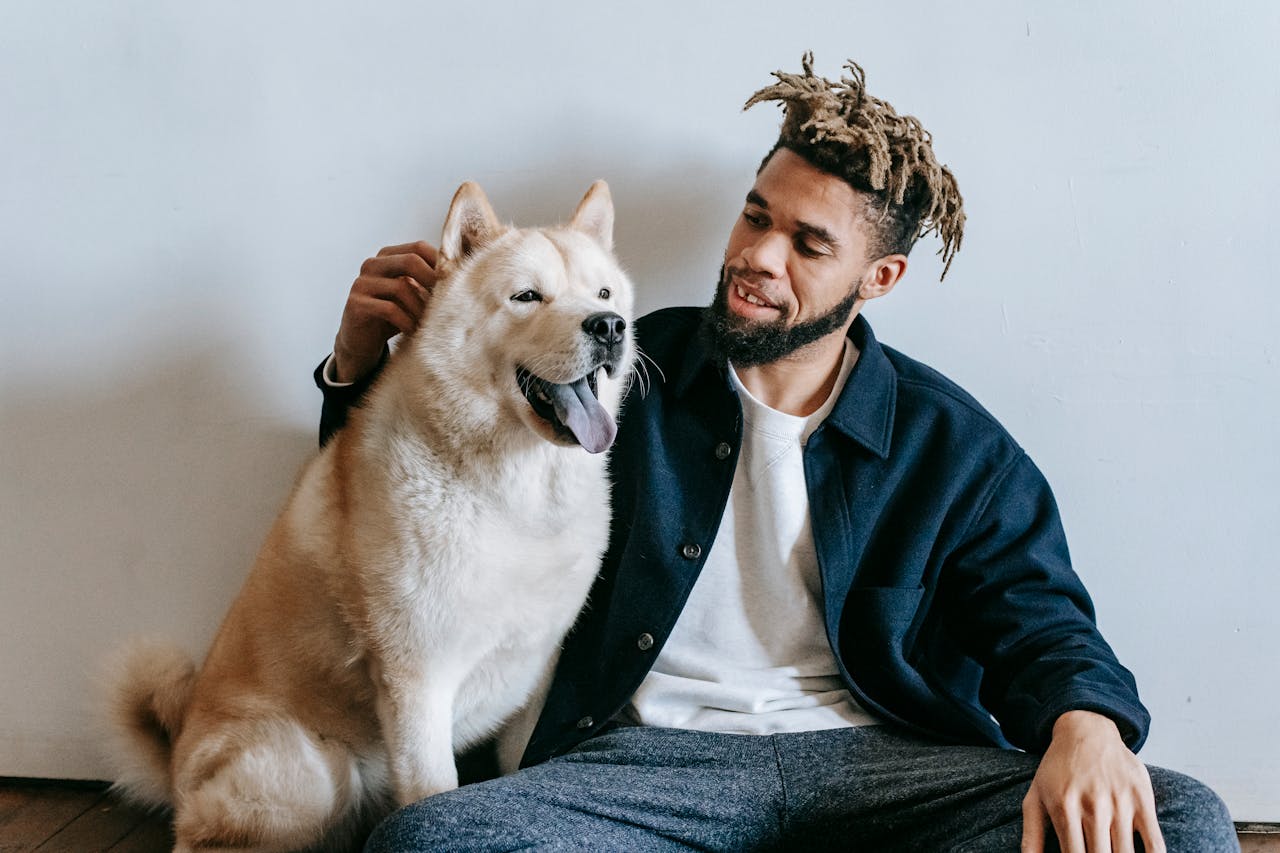
Holidays, business trips or an urgent journey — situations where you have to temporarily leave your four-legged friend are familiar to every pet owner. And the main question that overshadows the joy of the upcoming trip immediately arises: “Who can I leave my pet with?”. Worrying about their comfort, safety and emotional state is completely natural. The choice between a professional dog sitter and a specialised animal hotel can be difficult, as the well-being of a member of your family is at stake. It is important to approach this process as responsibly as possible, so that your absence is calm for both you and your pet. A detailed guide to choosing the best option will be discussed further on Tvaryny.
The right decision depends on many factors: the individual needs, character, health, and habits of your pet. In this article, we will help you understand all the nuances, provide detailed checklists and tips that will turn a difficult choice into a simple and clear process, guaranteeing your peace of mind and the safety of your furry companion.
Dog sitter or animal hotel: what’s better for your pet?
The first step is to understand the fundamental difference between the two main options for boarding. This is not just a “cheaper-more expensive” choice, but a decision that directly affects your animal’s experience during your absence.
A dog sitter (or pet sitter) — is a person who looks after your animal individually. The service can be provided either on the owner’s premises (the sitter comes to your home) or on the sitter’s premises (you bring your pet to them).
An animal hotel (or kennels/cattery) — is a specialised facility where several animals can stay simultaneously in specially equipped rooms or enclosures under the supervision of staff.
To make your choice easier, we have prepared a comparison table:
| Criterion | Dog sitter | Animal hotel |
|---|---|---|
| Environment | A familiar home environment (if they stay at yours) or one as close to home as possible. | A specialised facility, new and unfamiliar to the animal. Stress is possible due to the smells and sounds of other animals. |
| Individual attention | Maximum. All the attention is given to your pet. | Shared among all “guests”. The level of individual attention depends on the number of staff. |
| Socialisation | Limited or non-existent (if the animal is alone). Ideal for animals that are afraid of or do not like others. | The possibility of controlled socialisation with other animals under supervision. This can be both a pro and a con. |
| Daily routine | Flexible, easily adapts to the animal’s usual routine (feeding, walks). | Standardised, with a clear daily schedule for all animals. |
| Health control | Depends on the sitter’s experience. Closer contact is possible, which allows for earlier detection of behavioural changes. | There is usually veterinary supervision, clear protocols for illness, and vaccination requirements. |
| Cost | Typically higher, especially for individual care at your home. Average daily rates in the UK range from £60 to £85. | Can be a more budget-friendly option, especially for a long stay. Average daily rates range from £30 to £60. |
Step 1: How to choose a reliable dog sitter
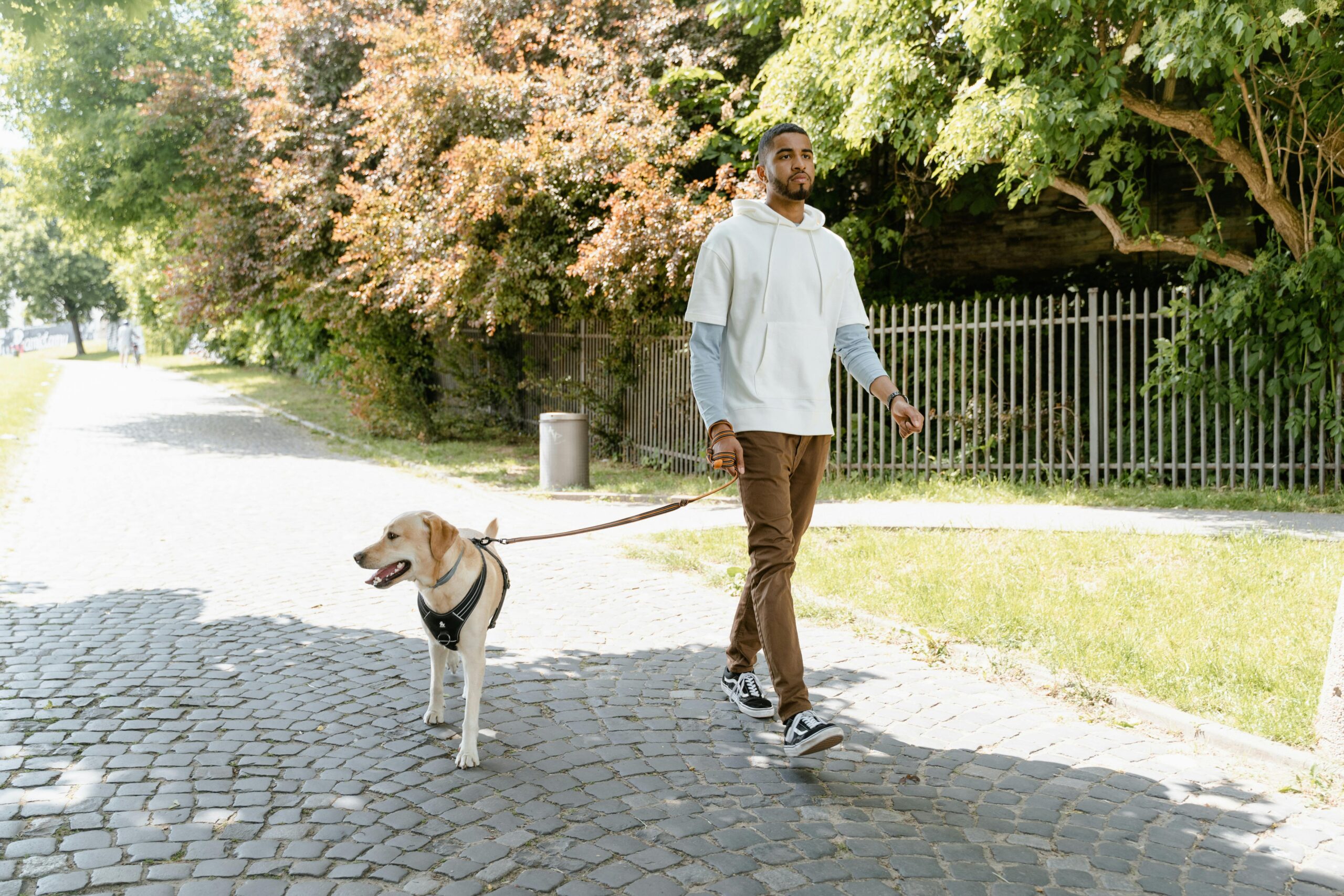
If you are leaning towards individual care, the main task is to find a person you can fully trust. This is not just a service, but a temporary “adoption” of your pet. Here is how to do it correctly.
Where to look for a dog sitter?
- Recommendations from friends and acquaintances. “Word of mouth” is the most reliable method.
- Specialised online platforms. Websites where sitters are verified and have reviews and ratings.
- Recommendations from a vet or groomer. They often know trusted professionals.
- Themed groups on social media. Look for groups in your city or area, but be extremely cautious and carefully check candidates.
Key selection criteria and a checklist of interview questions
The first meeting is an interview. Conduct it on neutral ground or invite the candidate to your home to meet your pet. Your task is to understand not only the professional but also the personal qualities of the person. Here is a list of what to ask a dog sitter:
Experience and Qualifications
- How long have you been working as a dog sitter?
- What breeds (or types of animals) do you have experience with? Have you dealt with animals with a similar temperament/size?
- Can you provide contact details of previous clients for recommendations?
- Have you completed any dog training courses, veterinary first aid or other specialised training?
- What do you love most about this job? (This question will help you understand the person’s motivation).
Conditions and Safety (if boarding is at the sitter’s home)
- Can I see the conditions where my animal will live?
- Who else lives in your home (children, other adults, your own animals)? How do your animals feel about “guests”?
- Where will the animal sleep? Where will it eat?
- How safe is your flat/house/area (secure windows, fence)?
- Will you be boarding other animals at the same time? If so, how do you organise their interactions?
Care process and emergency situations
- How many times a day and how long will the walks be? Which routes?
- How often do you plan to send me photo/video updates?
- What will you do if the animal refuses to eat, is sad or shows signs of stress?
- What is your action plan in case of an emergency (the animal becomes ill, gets injured, runs away)?
- Do you have a contact vet clinic? Are you willing to contact our vet?
Red flags: when to say “no”
- The sitter avoids answering questions or answers uncertainly.
- Refuses to show the place where the animal will live, or it is dirty and unsafe.
- Is not interested in the specifics of your pet (health, character, habits, fears).
- Speaks negatively about previous clients or their animals.
- Insists on full prepayment without entering into a contract.
Step 2: Choosing the ideal animal hotel

An animal hotel is a good choice for socialised animals, as well as for those who require specific care or veterinary supervision. Modern animal hotels offer comfortable conditions, but their quality can vary dramatically. Therefore, a personal inspection is a must.
An obligatory visit: a checklist for checking the hotel
Never book a hotel relying only on photos from the website. Arrange a visit and pay attention to the following points:
Cleanliness and Safety
- The smell. Is there a sharp, unpleasant smell of urine, faeces or chemicals in the room? A slight smell of animals is normal, but a stench is not.
- Cleanliness of the rooms/enclosures. Inspect several empty rooms. Are they clean, dry, and free of food scraps and dirt?
- Ventilation and lighting. Is there good ventilation and enough daylight in the room?
- Safety of the premises. How secure is the fence in the walking area? Are there double doors at the entrance to prevent escape?
Staff and Atmosphere
- Attitude towards animals. How does the staff interact with the animals? Do the animals look relaxed and well-cared for?
- Competence. Ask a few professional questions (for example, about caring for elderly animals or those with anxiety). Do the employees answer confidently and knowledgeably?
- Number of staff. Are there enough staff to care for the current number of animals?
Conditions for animals
- Size of the rooms. Is there enough space for the animal to stand up, turn around and lie down comfortably?
- Walking. Where and how do the walks take place? Are dogs walked individually or in groups? How many times a day?
- Health requirements. Does the hotel require a certificate of vaccination and parasite treatment? This is a sign of a responsible approach to the health of all guests.
- Veterinary care. Does the hotel have a full-time vet or a contract with a nearby clinic?
Preparing your pet for your absence
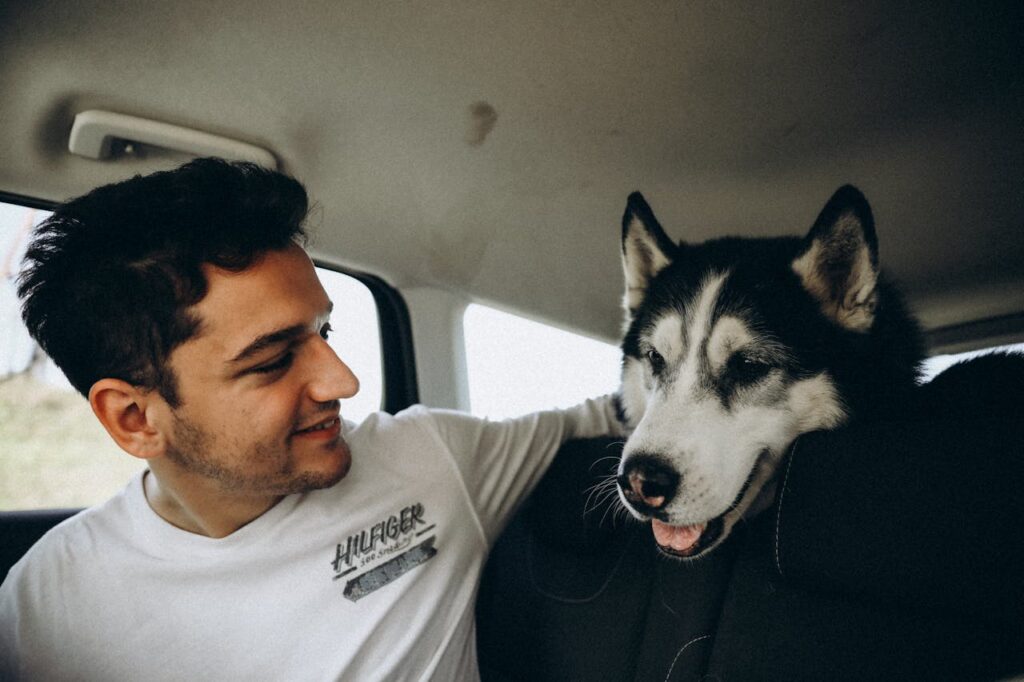
Regardless of your choice, proper preparation will help minimise stress for the animal.
- A trial period. The ideal option is to leave the animal for a few hours or one night in advance. This will allow you, the animal, and the sitter/hotel staff to see how comfortable this format is.
- Pack a “suitcase”. Prepare their usual food (with a reserve), favourite toys, bed or blanket with your scent for your pet. Familiar things help the animal cope better with adapting to a new environment.
- Provide full information. Leave detailed instructions regarding feeding, walking schedules, behavioural specifics, allergies, medications and your vet’s contacts.
- Stay calm during the farewell. Animals are very sensitive to our emotions. Don’t make long and tearful farewells. Behave confidently and positively.
Remember that your deep emotional connection to your pet is the reason for your worries, and this is completely normal. It is this very care that motivates you to look for the best option, not just any option.
Your peace of mind and your pet’s safety are the main priority
The choice between a dog sitter and an animal hotel is not a test, but a process that requires attention and time. Don’t rush, start your search in advance, carefully check the candidates and the conditions. Remember that there is no ideal option for everyone. There is only one that is best suited to your pet with its unique character and needs.
By investing time in finding a reliable place or person, you are investing in your own peace of mind. You will be able to fully enjoy your trip, knowing that your most loyal friend is surrounded by care, is in comfort and safety, and is eagerly awaiting your return.