


Saying goodbye to a beloved four-legged friend is, without a doubt, one of the most painful moments in any owner’s life. We bring them into our homes as tiny, helpless creatures, giving them our love and care for years, and in return, we receive boundless devotion. But time is relentless, and a moment comes when illness or old age takes its toll, presenting us with the most difficult question of all: is it time to let go? This decision is perhaps the hardest expression of love and responsibility a pet owner can demonstrate. And to navigate this complex issue, we’ll try to find some answers on Tvaryny.
The decision to put a pet to sleep is never easy. It’s accompanied by doubt, pain, guilt, and the fear of making the wrong choice. However, the main guiding principle in this situation shouldn’t be our own pain from the impending loss, but the quality of life of our cherished pet. When a chronic illness, an incurable injury, or old age brings more suffering than joy, the humane act of ending that pain becomes the final act of mercy.
What is “quality of life” for a pet?

Before making any decisions, it’s crucial to understand what we mean by “a pet’s quality of life.” It’s not just the absence of pain. It’s a comprehensive assessment of their physical and emotional state, which includes their ability to perform basic activities that bring them pleasure. For a dog, this might be a walk, a game of fetch, or a joyful greeting for their owner. For a cat, it’s the ability to leap onto their favourite windowsill, bask in the sun, groom themselves, or play with a toy mouse.
When illness robs a pet of these simple joys, when every day turns into a struggle with pain, nausea, or weakness, their quality of life plummets. Our job as loving owners is to objectively assess this state, putting aside our own emotions and the desire to hold onto our friend for as long as possible.
A practical tool: The HHHHHMM Scale

To make this assessment more objective, vets often use a quality-of-life scale developed by veterinary oncologist Alice Villalobos. It’s known as the “HHHHHMM Scale” and helps evaluate a pet’s condition based on seven key criteria. Try to rate each point on a scale from 1 (very poor) to 10 (excellent).
1. Hurt (Pain)
Adequate pain management is the primary goal. Even if a pet isn’t crying or whimpering, it doesn’t mean they aren’t in pain. Subtle signs of a pet’s suffering can include:
- Rapid breathing, panting.
- Refusal of touch, aggression when you try to stroke them.
- Hiding or seeking solitude.
- Changes in posture, reluctance to move, limping.
- Licking a specific area of the body.
Can the pain be controlled with medication? Are increasing doses constantly needed? If a pet is in severe pain that is poorly responsive to therapy, their quality of life is significantly diminished.
2. Hunger
Loss of appetite is a serious symptom. Is your pet eating on their own? Do they need to be hand-fed or fed with a syringe? If your pet refuses even their favourite treats, it could indicate nausea, pain, or general weakness. Constantly force-feeding can cause additional stress for both the animal and you.
3. Hydration
Is your pet drinking enough water? Dehydration is a dangerous condition. Sometimes, pets don’t drink because of nausea or because it’s physically difficult for them to get to their bowl. Signs of dehydration include dry gums, sunken eyes, and a loss of skin elasticity. Does your pet need regular subcutaneous or intravenous fluids to maintain hydration?
4. Hygiene
Healthy pets, especially cats, are very clean. When a pet stops grooming themselves, it’s a worrying sign. Their fur becomes matted and dirty. The animal may urinate or defecate on themselves, as they are unable to get to the litter box or wait for a walk. This not only causes discomfort but can also lead to bedsores and skin irritation.
5. Happiness
This is probably the most subjective but also the most important criterion. Does your pet still show an interest in life? Do they get excited when you come home, at the sight of their favourite toys, or when they interact with other family members? Or are they mostly apathetic, depressed, and indifferent to everything that used to bring them joy? When a pet isolates themselves from the family, it signals a profound sense of discomfort.
6. Mobility
Can your pet move around independently? Can they stand up to get a drink or go to the toilet? Mobility issues such as arthritis or neurological disorders can significantly reduce their quality of life. The animal may fall or be unable to control their limbs. Constant lying down increases the risk of bedsores and creates a complete dependency on the owner.
7. More Good Days Than Bad
This is the final criterion. Try to keep a diary, noting whether the day was good or bad for your pet. A good day is when the animal eats with gusto, shows interest, socialises, and their pain is under control. A bad day is a day filled with pain, vomiting, diarrhoea, and apathy. When the number of bad days consistently outweighs the good ones, it is a serious reason to consider whether prolonging the suffering is the right thing to do.
Questions to ask yourself

In addition to the scale, honestly answer a few questions. This will help you look at the situation from your pet’s perspective.
- Who am I continuing the treatment for? Am I doing this for the pet’s benefit, or because I’m not ready to let them go?
- Does my pet understand that the treatment is meant to save them? For them, frequent trips to the vet, painful injections, and procedures are a source of stress and fear, not hope for recovery.
- What is the prognosis? Is there a chance of recovery or at least a stabilisation of their condition? Or will the treatment only briefly postpone the inevitable, prolonging their suffering? This is a question your vet should answer honestly.
- Can I provide adequate care? Intensive therapy can require significant financial and time resources. Are you prepared for this? Will it affect the quality of life for other family members?
- When to put a dog/cat to sleep? Consider whether the moment has arrived when all possible treatment methods have been exhausted and their condition is only getting worse.
The vet’s role: Your main ally
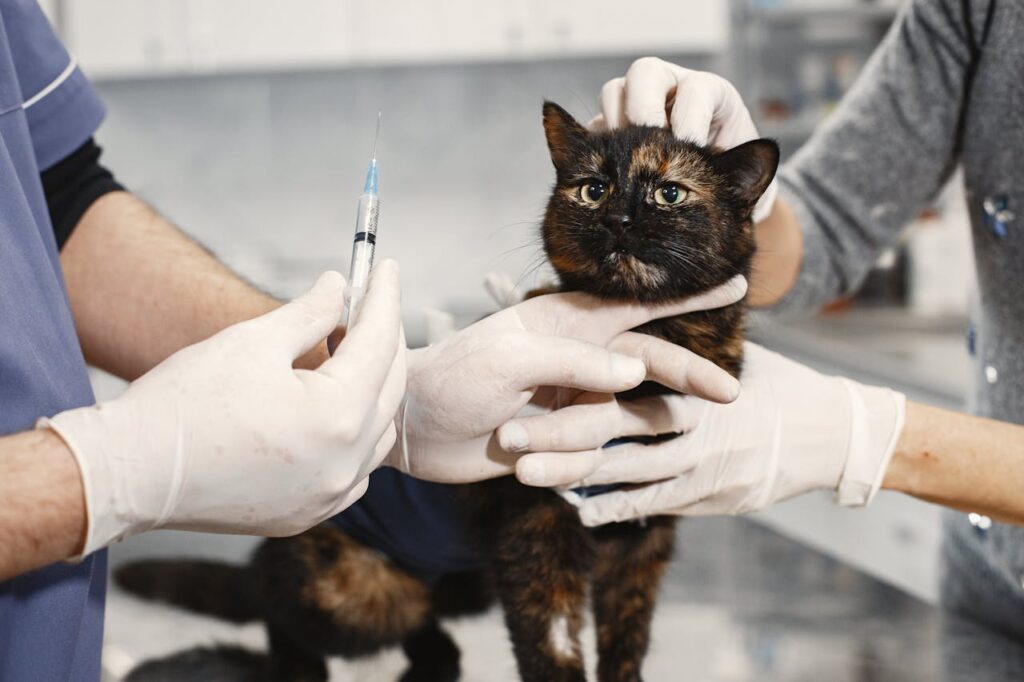
In making this difficult decision, you are not alone. Your vet is not just a medical professional, but also your partner and advisor. They can objectively assess the animal’s physical state, the effectiveness of the treatment, and provide a realistic prognosis. Don’t be afraid to ask direct questions: “What would you do in my situation?”, “Do you think my pet is suffering?”. An experienced and compassionate vet will never pressure you; instead, they will help you look at the situation soberly, providing all the necessary medical information. They can also tell you about the possibilities of palliative care, which is aimed not at curing, but at maximally alleviating symptoms and maintaining comfort.
Life after: How to cope with the loss
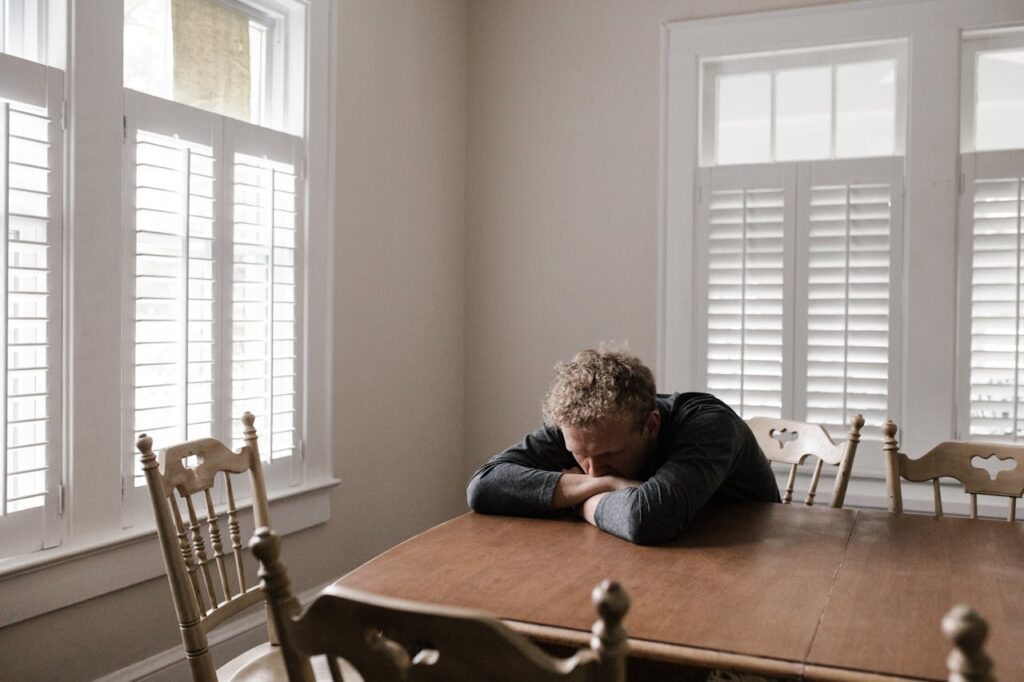
After the decision is made and it’s all over, a period of grief begins. And that is completely normal. You have lost a family member, a loyal friend. Allow yourself to mourn. Feelings of guilt, emptiness, and anger are all part of the process. It’s important to understand that the euthanasia of a pet, when performed based on medical necessity, is an act of humanism, not betrayal.
- Don’t blame yourself. You made a decision based on love and the desire to end their suffering.
- Talk to someone. Share your feelings with loved ones, friends, or other pet owners who have been through this.
- Create a memory. Keep favourite photos, a collar, or a toy. You can plant a tree in memory of your pet. This will help you cope with the pain of loss.
- Don’t rush to get a new pet. Give yourself time to grieve the loss. Every animal is unique, and no one can replace the one who has passed on.
In conclusion: The ultimate act of love
The decision to euthanise is a burden we carry as responsible owners. It is the highest measure of love, when we place the well-being of our friend above our own feelings and desire to be with them. Remember all the happy moments you spent together. It is these, and not the last difficult days, that are the true reflection of your shared life. To let go when the time has come is not to give up, but to give peace to the one who gave you endless love.