

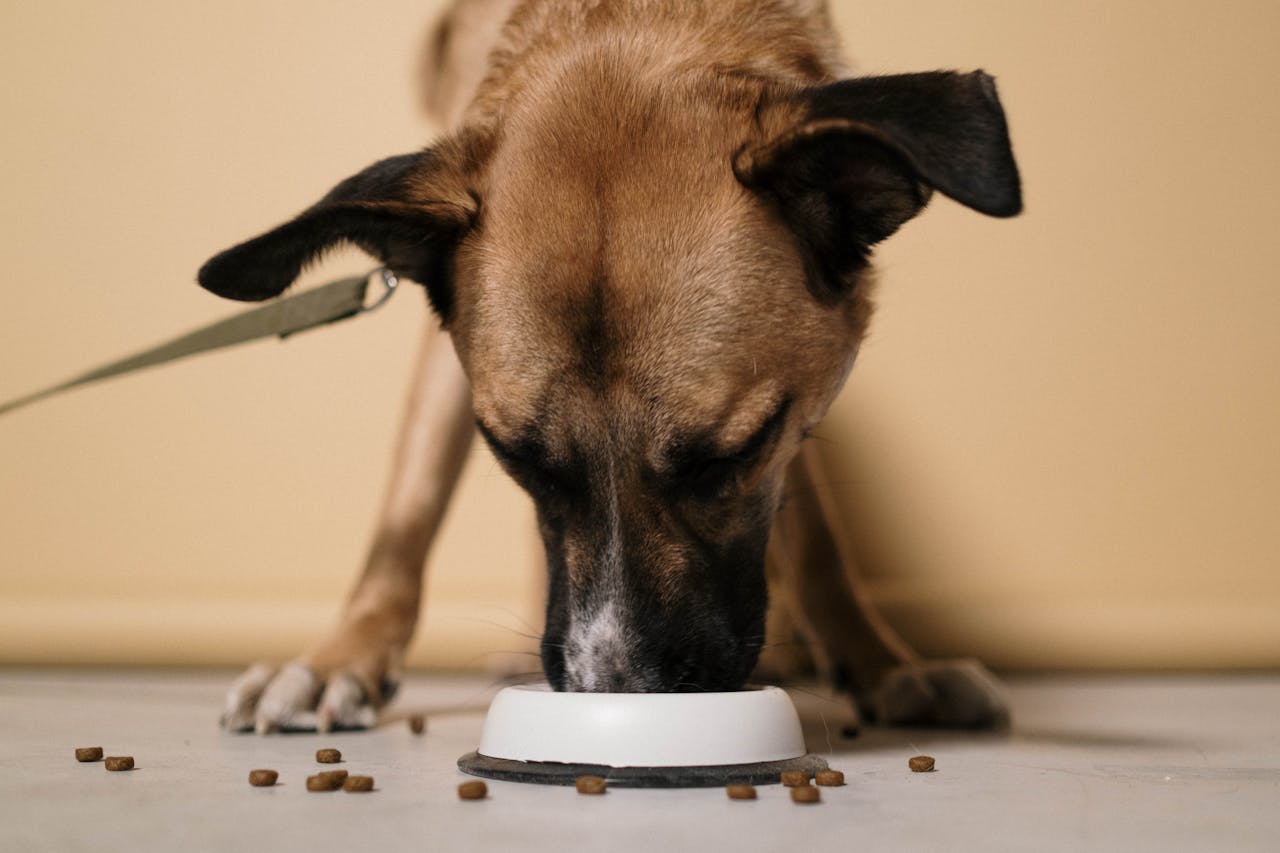
Incessant itching, constant paw licking, skin or digestive issues in your four-legged friend… If these complaints sound familiar, you’re not alone. Many dog owners face similar problems, and often the root cause lies in their food bowl. A food allergy in dogs isn’t just a minor inconvenience; it’s a serious condition that significantly impacts your beloved pet’s quality of life. But there’s good news: by correctly identifying the cause and adjusting their diet, you can bring your dog back to full health and happiness. We’ll delve into how to do this, step by step, right here on Tvaryny.
What is a Food Allergy? And How Does It Differ from an Intolerance?

Before you can tackle an adversary, you need to know it inside out. Owners often use the terms “allergy” and “intolerance” interchangeably, but from a medical perspective, these are distinct conditions. Understanding this difference is the crucial first step towards an accurate diagnosis.
- Food allergy is a reaction of the immune system. The dog’s body mistakenly identifies a specific protein in food (such as chicken or beef) as a dangerous invader. In response, the immune system launches a defence mechanism, releasing histamine and other substances that trigger the classic symptoms: itching, skin inflammation, and swelling. The reaction may not appear immediately but can manifest some time after consuming the allergen.
- Food intolerance is a problem with the digestive system. It doesn’t involve the immune system. This simply means the dog’s body cannot properly digest a particular ingredient. A classic example is lactose intolerance, where the body lacks the enzyme needed to break down lactose. Symptoms are usually limited to the gastrointestinal tract: diarrhoea, vomiting, and flatulence.
The key distinction: an allergy is an “immune system glitch”, while an intolerance is a “digestive malfunction”. Although symptoms can partially overlap, it’s typically severe, debilitating itching that points to an allergic issue.
Warning Signs: Key Symptoms of a Food Allergy in Your Dog
Symptoms of food allergies can vary widely and often mimic other conditions. It’s vital to observe your pet comprehensively. Here are the most common signs to look out for:
Skin Manifestations (Most Common)
- Intense itching: Your dog constantly scratches, bites themselves, and rubs against furniture and carpets.
- Location of itching: Ears, muzzle, paws (especially between the toes), armpits, and belly are most frequently affected.
- Recurrent ear infections (otitis): Redness, an unpleasant smell from the ears, discharge. If otitis keeps recurring, it could be a sign of an allergy.
- Hair loss and alopecia: Bald patches in areas of constant scratching.
- Skin redness, rashes, hives.
- Unpleasant skin odour.
Gastrointestinal Manifestations
- Chronic diarrhoea or soft stools.
- Frequent vomiting (unrelated to other causes).
- Increased gas (flatulence).
- Stomach gurgling.
Other Symptoms
- Tearing and redness of the eyes.
- Swelling of the face, lips, or eyelids (rare, but can occur).
- General lethargy and irritability due to constant discomfort.
If you notice two or more of these symptoms in your dog, especially if they are chronic, it’s a strong indication to suspect a food allergy and move on to the next step – diagnosis.
Who’s the Culprit? The Most Common Food Allergens

There’s a common misconception that allergies are most often caused by grains. In reality, studies show that the primary culprits are animal proteins. This makes sense, as protein is the main “target” for the immune system. Here are the top common allergens for dogs:
- Beef
- Chicken
- Dairy products (lactose, casein)
- Eggs
- Wheat (gluten)
- Soya
- Lamb
- Fish (less common, but possible)
It’s important to understand that an allergy can develop to any protein, even if your dog has eaten it for years without any issues. Sometimes, just one trigger – stress, illness, or a change in the body – is enough to cause an “immune system glitch”.
Diagnosing Food Allergies in Dogs: The “Gold Standard”
Please note: do not attempt to self-diagnose! Allergy symptoms can mimic those of other conditions (atopic dermatitis, parasitic infections, fungal infections). Therefore, the first and most crucial step is a visit to your vet. Your vet will examine your dog, rule out other possible causes of itching and skin problems, and only then suggest the sole reliable method for diagnosing a food allergy.
Blood tests for allergens, often offered by laboratories, unfortunately, have low accuracy for diagnosing food allergies in dogs and are not a recommended diagnostic method.
The only reliable method is an elimination diet. Its essence is simple, but it requires patience and strict discipline from the owner.
- Phase 1: Exclusion (8-12 weeks). Your dog is switched to a special diet that is guaranteed not to contain any proteins they have previously consumed. This might be a food with a novel (never-before-eaten) protein source (e.g., horse, venison, insects) or a therapeutic food with hydrolysed protein (where protein molecules are broken down to such a small size that the immune system doesn’t recognise them). During this period, your dog must eat absolutely nothing other than this food and water. No treats, flavoured vitamins, table scraps, or dental sticks.
- Phase 2: Outcome Assessment. If symptoms (especially itching) have significantly decreased or disappeared during this time, you can highly suspect a food allergy.
- Phase 3: Provocation (optional but recommended). To confirm the diagnosis 100%, your dog is given their old food back. If symptoms return within a few days, the diagnosis is confirmed. After this, your dog is switched back to the therapeutic diet.
- Phase 4: Allergen Identification. To pinpoint the specific “culprit” product, potential allergens are introduced into the diet one by one (e.g., pure chicken is added for a week, then beef, and so on), and the reaction is observed. This allows for a list of “forbidden” foods to be compiled.
What to Feed an Allergic Dog: Choosing the Ideal Diet
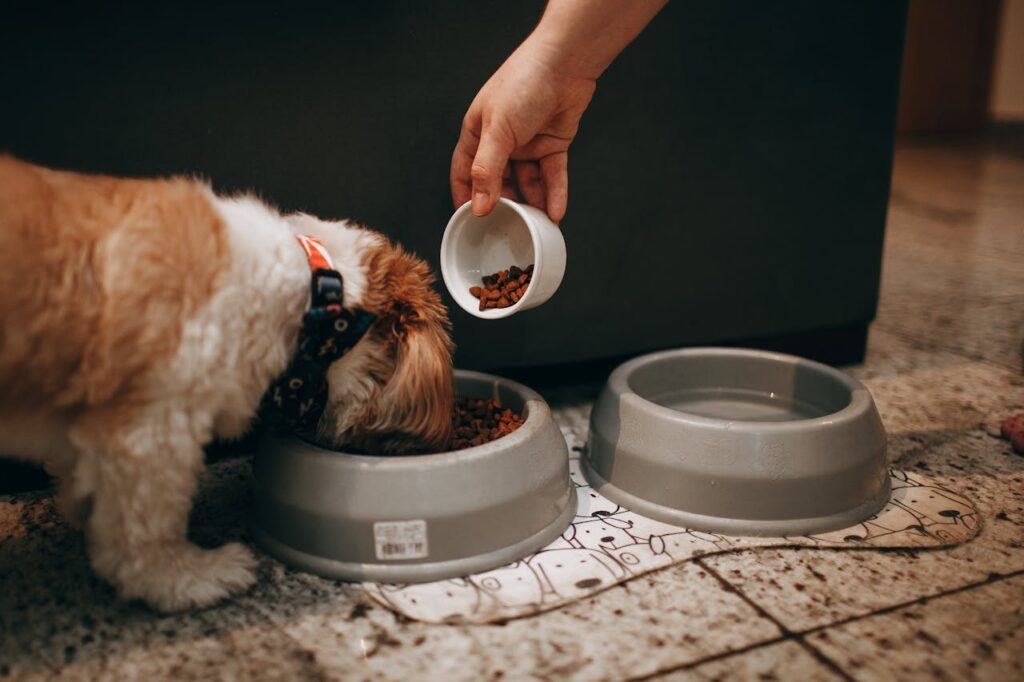
So, the diagnosis is confirmed. What’s next? The main task is to choose a complete and balanced diet that won’t trigger an allergic reaction. Modern veterinary dietetics offers several solutions. The choice depends on your vet’s recommendations, the results of the diagnostic diet, and your capabilities.
Option 1: Therapeutic Veterinary Diets
This is the most reliable and straightforward path. These foods are specifically formulated for allergic dogs and are sold in veterinary clinics and pharmacies. They come in two main types:
- Hydrolysed protein diets. The protein in these is broken down into tiny particles – peptides and amino acids. The immune system simply “doesn’t see” such protein and therefore doesn’t react to it. This is an ideal choice for a strict diagnostic diet and for dogs with allergies to multiple components. Examples of common brand names include Hypoallergenic or Anallergenic.
- Monoprotein diets (with a novel protein source). These foods are based on a single protein source that your dog has never eaten before. This could be duck, venison, horse, or, more recently, even insect protein. Such diets are suitable if you’ve managed to precisely identify which proteins your dog is allergic to. Look for names like Sensitivity Control or Monoprotein.
Option 2: Commercial Hypoallergenic Dog Food
If a veterinary diet isn’t suitable for some reason, you can consider high-quality commercial foods labelled “hypoallergenic” or “for sensitive digestion”. Here, you need to be especially careful.
How to Read the Label: An Owner’s Guide
- Look for a clear protein source. Avoid vague terms like “meat and animal derivatives.” The label should specify: “dehydrated duck protein 25%”, “fresh salmon 30%”.
- Check the full ingredient list. Make sure there are no “hidden” allergens in the food. For example, a lamb-based food might contain “chicken fat.” While fat rarely causes an allergy (because the allergen is the protein), for very sensitive dogs, it’s best to choose the “cleanest” possible composition where both protein and fat come from the same source.
- Choose a limited ingredient diet. The fewer ingredients in the food, the lower the risk of an allergic reaction.
- “Grain-Free” does NOT mean Hypoallergenic. Remember, the main allergens are proteins. A grain-free food containing chicken will still cause an allergy in a dog that reacts to chicken.
Frequently Asked Questions (FAQ)
Can an allergy develop in an adult dog who has eaten the same food their whole life?
Yes, and this is a very common scenario. Allergies take time to develop. The immune system can “tolerate” a certain protein for years, and then, due to a cumulative effect or some trigger (stress, another illness), start reacting to it as a threat.
Can I give an allergic dog any treats?
During a diagnostic diet – absolutely not. Once the diet is established, you can find monoprotein treats made from the same protein as their food (for example, if their food is duck-based, the treats should also be duck). Read the ingredients carefully; there should be no unnecessary additions.
We’ve switched to hypoallergenic food, but the itching hasn’t stopped. Why?
There could be several reasons: 1) The diet hasn’t lasted long enough (a minimum of 8 weeks is needed). 2) The dog is getting allergens from other sources (treats, vitamins, someone else is feeding them). 3) The dog has a mixed type of allergy (e.g., food allergy + atopic dermatitis to plant pollen). 4) The chosen food wasn’t suitable (it contains a hidden allergen or the dog is allergic to the new protein). In any case, this warrants a follow-up consultation with your vet.
Conclusion: Patience and Consistency – The Key to Success
A food allergy in dogs is a challenge, but not a life sentence. The journey from the first symptoms to finding the ideal diet can be long and demand discipline and patience from you. But seeing your beloved pet healthy, active, and free from debilitating itching and pain is the greatest reward.
Remember these three golden rules:
- Don’t self-medicate – always consult your vet.
- Be strict and consistent during the elimination diet.
- Read food and treat labels carefully.
Take good care of your four-legged friends, and they will surely repay you with boundless love and devotion!