

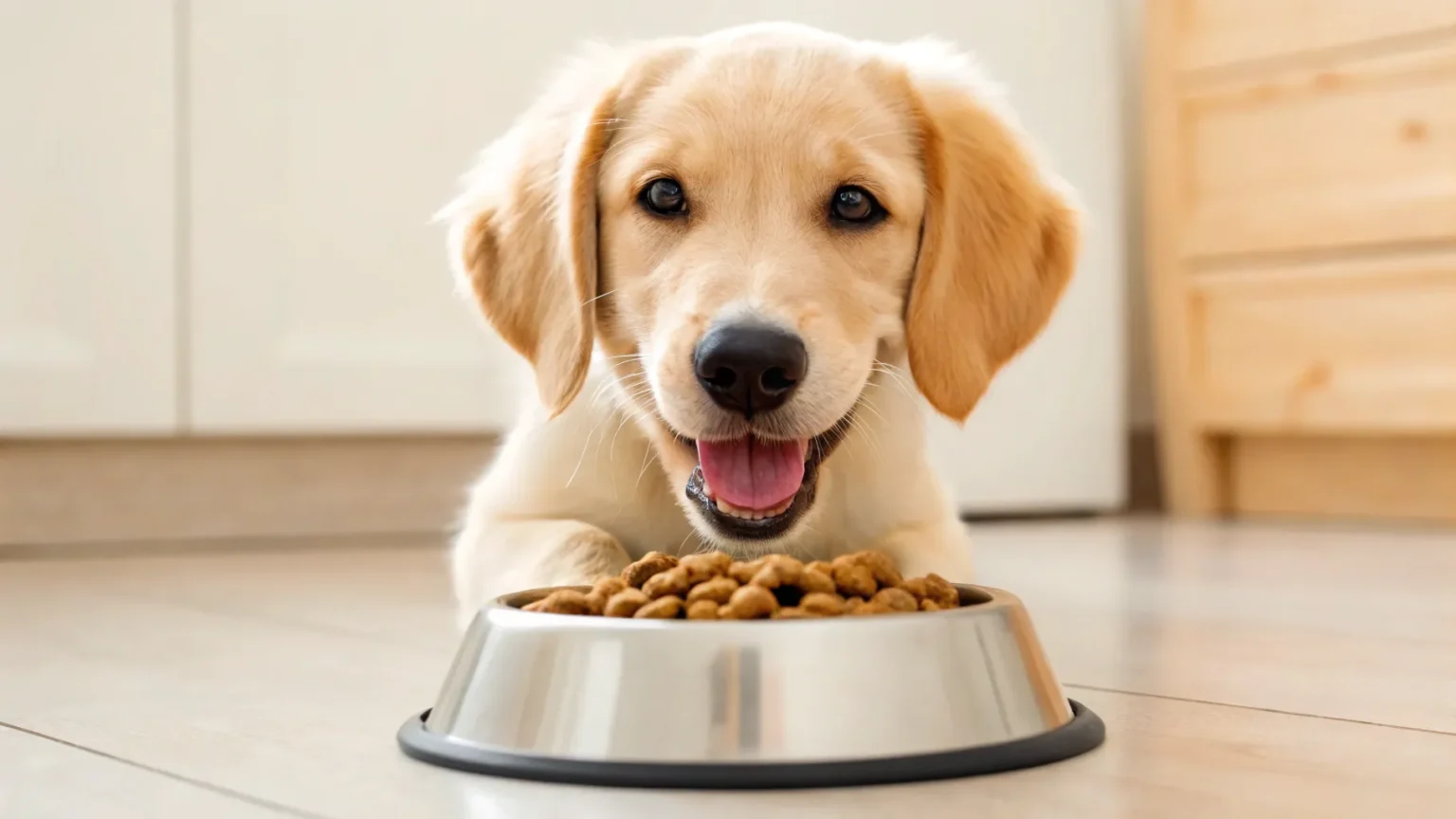
The arrival of a fluffy little wonder in your home always brings a world of joy, funny moments, and… a huge responsibility. One of the first and most important questions a new owner faces is nutrition. Pet shop shelves are bursting with dozens of brands, and figuring out which puppy food is best can be genuinly tricky. Don’t worry, you’re not alone in this quest. We understand how much responsibility this entails, so we’ve put together a comprehensive guide to help you make an informed choice; more on this at Tvaryny.
Proper nutrition in the first few months of life isn’t just about food; it’s the foundation of your pet’s health for years to come. It’s during this period that the groundwork is laid for a strong skeleton, healthy joints, sharp vision, and a robust immune system. Mistakes in their diet can lead to growth problems, allergies, and chronic diseases later in life.
The Foundation of Health: Why is Puppy Nutrition So Important?
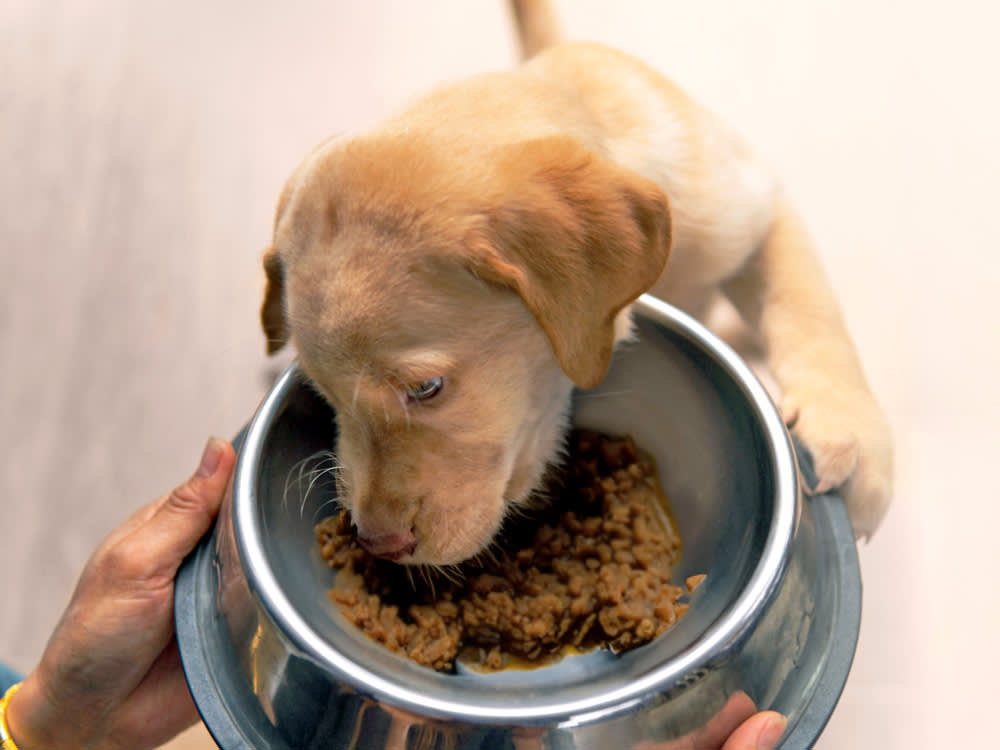
Imagine you’re building a house. You wouldn’t use shoddy bricks or weak cement, would you? A puppy’s body is just like that house, growing at an incredible rate. During their first year, some breeds increase their weight by 50 to 100 times! This intensive growth requires special ‘building materials’:
- High protein content: This is the main material for muscle and organ growth, and for building a strong immune system. Protein for a puppy should come from animal sources (chicken, turkey, lamb, fish).
- The right balance of calcium and phosphorus: This is critically important for developing bones and teeth. An excess or lack of these minerals, especially in large breeds, can lead to serious musculoskeletal problems.
- Fatty acids (Omega-3, Omega-6): Necessary for brain, nervous system, and vision development, as well as for healthy skin and a shiny coat.
- Higher calorie content: Puppies are very active and burn far more energy than adult dogs. Their food must meet these energy needs without overloading their stomachs.
Dry, Wet, or Raw: Understanding the Types of Food
The choice of food type depends on your budget, your vet’s recommendations, and, of course, your puppy’s preferences. Let’s look at the main options.
Dry food (kibble)
The most popular and convenient option. High-quality dry puppy food is a complete and balanced diet that requires no supplements.
- Pros: Convenient to store, helps clean plaque off teeth, cost-effective, easy to portion.
- Cons: Low moisture content (your puppy must always have access to fresh water), some budget foods can be high in grains.
Wet food (tins, pâté)
Very appealing to dogs due to its strong meaty taste and aroma. Often used as a topper for dry food to boost appetite.
- Pros: Highly palatable, high moisture content (good for hydration), easier to digest.
- Cons: More expensive, doesn’t help with mechanical teeth cleaning, needs to be refrigerated after opening.
Raw Feeding (BARF system or home-prepared diets)
This involves feeding raw meat, bones, offal, and vegetables. This approach requires a deep understanding of animal nutrition and must be done in consultation with a veterinary nutritionist.
- Pros: Maximum transparency of ingredients (you control what goes in).
- Cons: High risk of nutritional imbalance (especially calcium/phosphorus), risk of parasites and bacteria, very time-consuming to prepare. This option is not recommended for beginners.
How to Choose Puppy Food: Learning to Read the Label
This is the most crucial skill. Don’t be swayed by bright packaging and marketing promises. The truth is in the ingredients list. Here’s what to look for first.
- The first 3-5 ingredients. This is the core of the food. The first ingredient should be an animal protein source: ‘dehydrated chicken meat’, ‘fresh lamb’, ‘turkey meal’. Avoid foods that list corn, wheat, or vague ‘meat meal’ in the top spots.
- The protein source. It should be clearly specified. ‘Chicken meat’ is good. ‘Meat and animal derivatives’ is bad, as it’s unclear what’s actually inside.
- The carbohydrate source. Better options include brown rice, oats, barley, sweet potato, and peas. They provide energy and fibre. Corn and wheat are less desirable ingredients as they often cause allergies.
- Preservatives. Opt for foods with natural preservatives like tocopherols (vitamin E) and rosemary extract. Avoid artificial preservatives such as BHA, BHT, and propyl gallate.
- Guaranteed analysis. For puppies, look for these figures: Protein – 25-32%, Fat – 15-20%, Calcium – 1.0-1.5%, Phosphorus – 0.8-1.2%.
Food Classifications: What’s Behind the Price?
Foods can be roughly divided into tiers, which helps in navigating their quality and price, allowing you to create your own puppy food ranking.
- Economy: The cheapest. Made from low-quality ingredients (by-products, soy, grains). Low nutritional value and poor digestibility. Not recommended for long-term feeding.
- Premium: Good value for money. The composition is better than economy, usually containing meat, but may also include grains.
- Super-premium: High-quality foods. Made from ingredients fit for human consumption. Based on quality meat, with minimal or no grains, and added beneficial components (probiotics, chondroprotectives).
- Holistic: The top tier. The concept behind holistic foods is to be as close as possible to a natural puppy diet. They contain several animal protein sources, are grain-free, and are enriched with berries, herbs, and vegetables.
Vitamins for Puppies: When Are They Really Needed?
This is another question that worries owners. It might seem like extra vitamins can never hurt. But that’s not the case. The golden rule is: if you’re feeding your puppy a high-quality, balanced super-premium or holistic food, they do NOT need any extra vitamins!
These foods already contain all the necessary micro and macronutrients in the correct proportions. Uncontrolled supplementation can lead to hypervitaminosis – a condition just as dangerous as a deficiency. For example, excess calcium can disrupt skeletal development. Therefore, never give vitamins for puppies on your own initiative.
When might supplements be appropriate?
- Only when prescribed by a vet. After an examination and possibly some tests, your vet might recommend specific supplements.
- With a raw or home-prepared diet. In this case, a vitamin and mineral complex is essential and must be calculated by a veterinary nutritionist.
- During recovery from illness. A vet may prescribe special complexes to support the body.
- For giant breed puppies. They are sometimes prescribed chondroprotectives (glucosamine, chondroitin) to support their joints during intense growth, but again – only on the advice of a professional.
Practical Tips: Feeding the Right Way

Choosing the food is only half the battle. It’s also crucial to organise the feeding process correctly.
- Stick to a schedule. Feed your puppy at the same times each day. Up to 4 months old – 4-5 times a day; from 4 to 6 months – 3-4 times; after 6 months – 2-3 times.
- Don’t overfeed. Use the feeding guide on the packaging as a starting point, but adjust the portion based on your pet’s activity level and condition. Excess weight in a puppy puts too much strain on their joints.
- Transition to new food gradually. Over 7-10 days, mix the new food in with the old, gradually increasing the proportion of the new food. This helps to avoid digestive upset.
- Ensure constant access to clean water. Especially if you’re feeding dry food.
- Don’t feed from the table. Human food is too fatty, salty, and spicy for a dog. Besides, some of our foods are toxic to them.
Checklist: Foods That Are Taboo for a Puppy
- Chocolate (especially dark)
- Grapes and raisins
- Onion and garlic
- Xylitol (a sweetener found in chewing gum, sweets, etc.)
- Alcohol
- Cooked tubular bones (e.g., from chicken or rabbit)
Conclusion: Choosing with Love and Common Sense
Choosing food for your puppy is an important investment in their future. It’s not worth skimping on nutrition, as treating illnesses caused by a poor diet will end up costing much more.
The key steps to success are simple:
- Choose a food with meat as the first ingredient.
- Learn to read the label and avoid harmful components.
- Don’t play vet with vitamins – trust high-quality foods and your veterinarian.
- Keep an eye on your pet’s condition and well-being.
Remember, the best food is the one that is perfectly suited to your puppy, making them active and happy, with a shiny coat and a healthy apetite. Your love and care, backed by the right choices, will give your little one a long and happy life.