

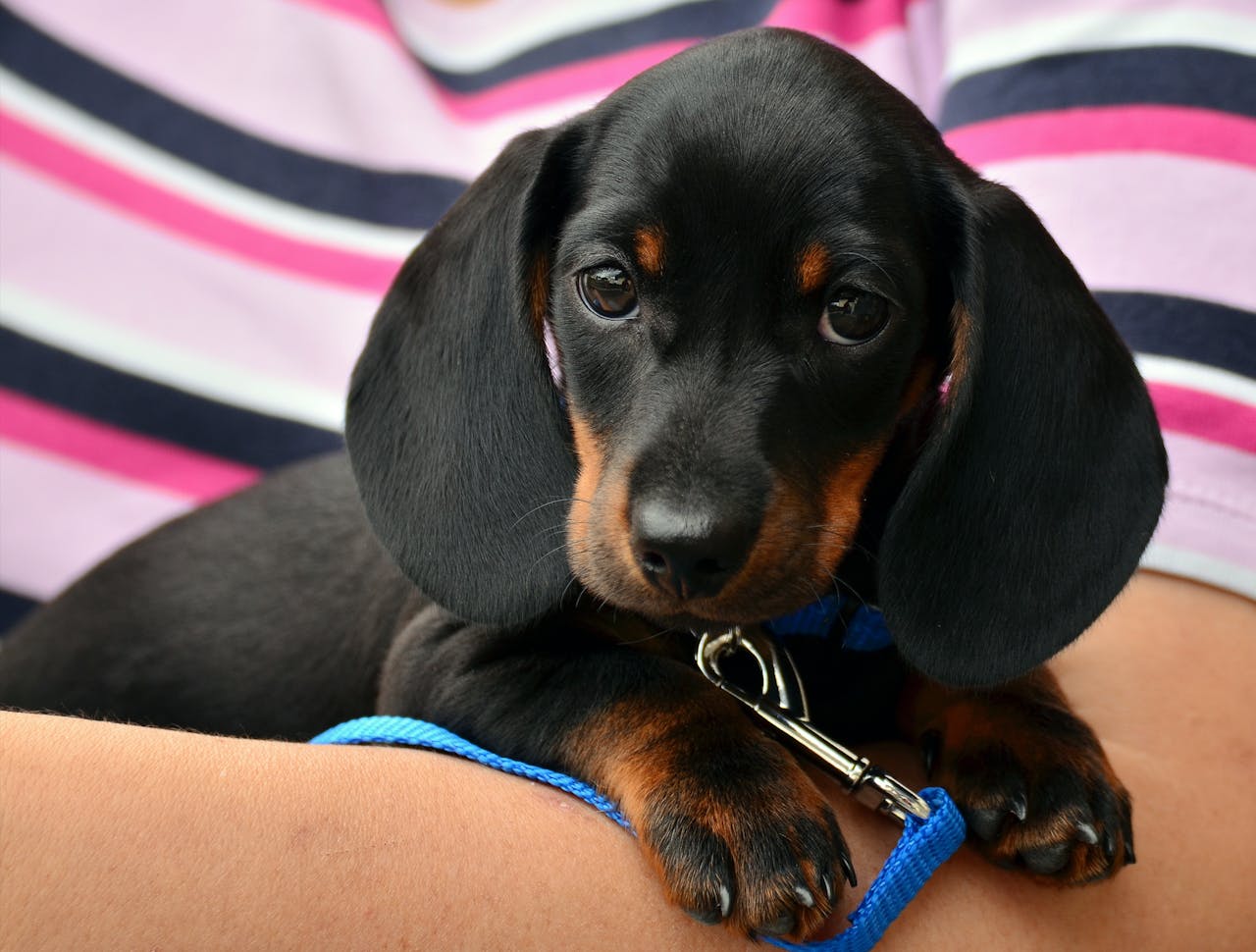
Your new pet’s first trip into the big wide world is an incredibly exciting moment. For a puppy, kitten, or even an adult rescue animal that has never known a lead, this event is a huge step. It’s filled with new smells, sounds, and sights. But for the owner, it’s also a time of great responsibility. How can you make this first adventure safe, comfortable, and positive? It all starts with the right gear. Choosing the first harness and lead might seem trivial, but it’s actually the foundation for many years of happy and safe walks. We’ll have a detailed breakdown of how to choose the perfect gear later on Tvaryny.
It’s comfortable harnesses and leads that become your main allies in this task. Poorly chosen gear can not only cause discomfort but also put your pet off going outside altogether, or worse, lead to injuries or escape. Let’s dive into the world of pet gear and figure out how not to get lost in the options.
Why a harness, not a collar, for the first walks?
For many newcomers, especially owners of small dog breeds or cats, the choice between a collar and a harness is an obvious one-in favour of the latter. Here’s why:
- Safety for the neck and trachea: This is the most important argument. Puppies and kittens have very delicate neck vertebrae and tracheas. A sudden pull on the lead (which is bound to happen when your pet sees something interesting or gets scared) with a collar can lead to serious injuries. A harness distributes the pressure across the chest and shoulders, bypassing the vulnerable neck.
- Security and control: It’s much easier for a pet to slip out of a collar, especially if it’s not fitted perfecly. This is particularly true for cats, who are escape artists, and dogs with narrow heads (like greyhounds). A harness that fits snugly around the torso gives you much better control over the animal.
- Comfort during training: An animal that doesn’t feel discomfort or pain in its neck will be calmer and more receptive to training. The first walks are about positive reinforcement, not a struggle.
Of course, collars have their place-for an ID tag, for instance, or for already-trained dogs. But for those first steps, a harness is the undisputed favourite for safety.
Types of harnesses: How to navigate the choices?
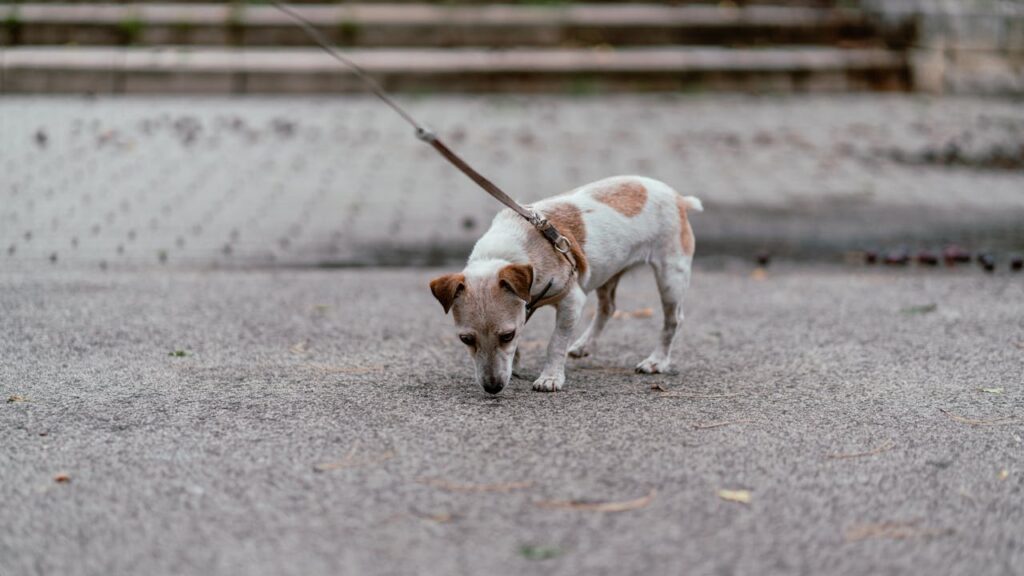
When you walk into a pet shop, you’ll see dozens of different models. They vary in shape, material, and purpose. Let’s look at the most popular ones.
1. H-style harnesses
This is a classic design, consisting of straps that form the letter ‘H’ when viewed from the side. They have a strap around the neck and a strap around the chest, connected on the back and under the belly.
- Pros: Highly adjustable, minimalist (not too hot in summer), easy to put on, and suitable for most dogs.
- Cons: Must be adjusted very precisely, otherwise the straps can chafe under the front legs.
2. Y-style (or ‘anatomic’) harnesses
Considered among the most ergonomic. They have a ring on the chest from which the straps spread to the neck and under the legs, forming a ‘Y’ shape at the front. They do not restrict the movement of the shoulder joints at all.
- Pros: Distribute pressure perfectly, don’t press on the throat, and allow full freedom of movement. An excellent choice for active dogs and puppies.
- Cons: It can be slightly trickier to get the right size, as the front part is often not adjustable.
3. Vest harnesses
This is a solid piece of fabric (often soft mesh or neoprene) that covers most of the pet’s torso and fastens on the back.
- Pros: Very comfortable and soft, ideal for small breeds (Chihuahuas, Toy Terriers) and cats. It’s almost impossible to slip out of them.
- Cons: Can be hot in summer, harder to size (you need to consider chest girth and back length), and may restrict movement if badly cut.
4. Harnesses for cats
These deserve their own category. A kitten’s first walk requires special gear. Cat harnesses usually have a ‘vest’ cut or a special H-design that accounts for the flexibility of a cat’s body. The main rule is that the harness must be as secure as possible, because a frightened cat can slip through the tiniest gap.
The Golden Rule: How to measure your pet correctly
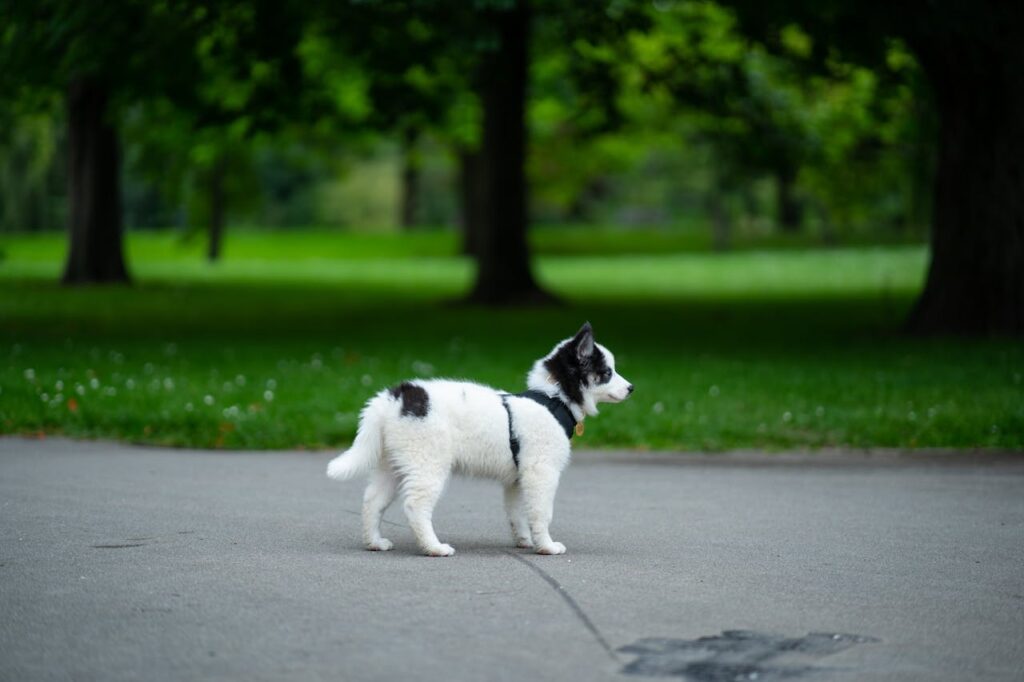
The most expensive, highest-quality harness will be useless (and even dangerous) if it’s the wrong size. Never buy gear ‘by eye’ or ‘to grow into’.
Step-by-step measuring guide:
- Tool: You need a soft tailor’s measuring tape. If you don’t have one, use a piece of string or ribbon and then measure it with a ruler.
- Measurement A (Chest Girth): This is the most important measurement. Measure the widest part of your pet’s chest. It’s located just behind the front legs. The tape should be snug, but not tight.
- Measurement B (Neck Girth): For H- and Y-style harnesses. Measure the widest part of the neck, closer to the shoulders (where a collar would normally sit).
- The ‘Two-Finger’ Rule: When the harness is on, you should be able to comfortably fit two fingers (no more, no less) under any strap, anywhere. This ensures the harness is tight enough that the pet can’t escape, but loose enough that it doesn’t chafe or impede breathing.
The question of how to choose a harness for a puppy is complicated by how quickly they grow. Look for models with the maximum adjustment range so you don’t have to buy a new one every month. But never buy one that’s too big ‘to grow into’-that’s dangerous.
Choosing the perfect lead for beginners
Leads are a bit simpler, but there are still nuances. For the first walks, you need reliable control and comfort.
1. Material
- Nylon: The most popular choice. Lightweight, strong, easy to wash, and comes in a huge range of colours. On the downside, it can ‘burn’ your hands if the dog pulls suddenly.
- Leather: A classic. Strong, durable, sits comfortably in the hand, and gets softer over time. Cons: more expensive, requires care, and doesn’t like water.
- Biothane: A modern material, somewhere between nylon and rubber. Completely waterproof, mud-proof, doesn’t absorb smells, easy to clean, and non-slip in the hand. Ideal for any weather.
2. Length
For the first walks in town, the optimal length is between 1.8 and 3 metres (approx. 6-10 ft). This gives the animal enough space to explore the world but leaves you in full control. Shorter leads (1-1.5m) are needed for training or walking in a crowd. Longer ones (5-10m) are for walks in the park or woods, once the animal knows its commands.
A Hard ‘No’: Why retractable leads are a bad choice for a beginner
Retractable leads are very popular, but vets, trainers, and experienced owners advise against them for the first walks (and many, for any walks at all).
- Lack of control: The animal always feels tension, which teachs it to pull. You have no way to quickly ‘shorten’ the lead in a dangerous situation.
- Risk of injury: The thin cord of a retractable lead can seriously injure you (severe burns), your pet, and others if anyone gets tangled.
- Unreliability: The locking mechanism can break at the worst possible moment.
For training and first outings, you need a simple, reliable, fixed-length lead. This is the foundation for your pet’s safety on a walk.
The Big Step: How to get your pet used to the lead and harness
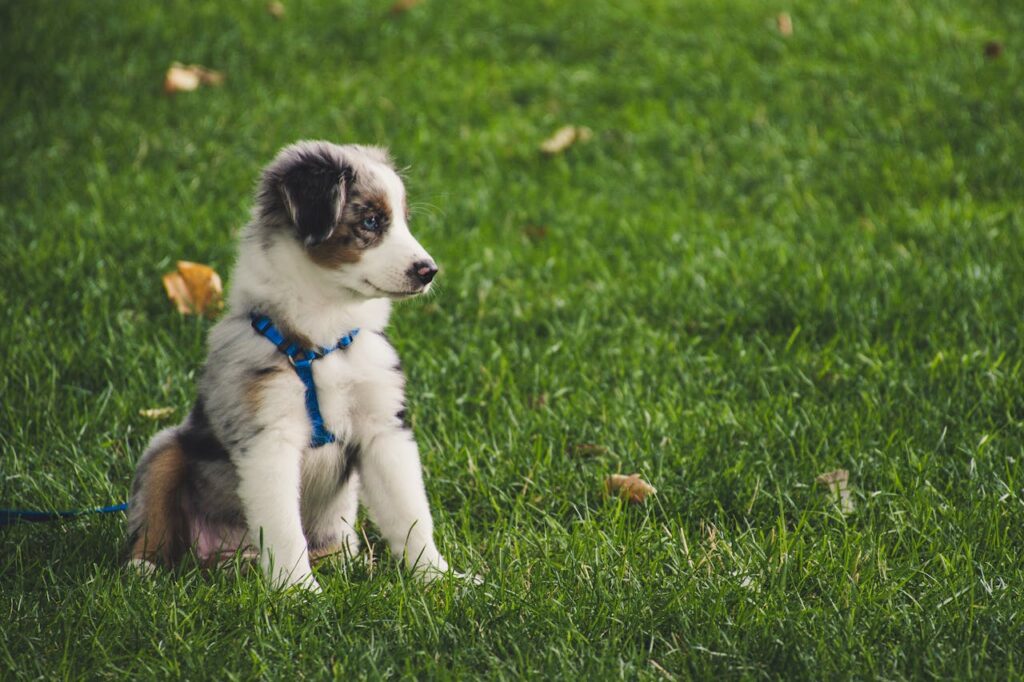
Buying comfortable harnesses and leads is only half the battle. The second, no less important part, is getting the animal used to the lead. You can’t just put everything on your pet and drag it outside. That’s a guarantee for stress. Act gradually.
Stage 1: The introduction (at home)
- Leave the harness on the floor in the room. Let the animal approach and sniff it. Place a treat next to it. Repeat this for a few days. The gear needs to be associated with something pleasant.
- Start by touching the animal with the harness while stroking it. Praise it, give it treats.
Stage 2: The fitting (at home)
- Gently try to put the harness on. Don’t fasten it straight away. Just guide its head or paws through. Give a treat and take it off. Repeat several times.
- When the animal is calm, fasten the harness. Don’t overtighten it. Let it walk around the room in it for 1-2 minutes. Actively praise, play, and distract it. Then take it off.
- Gradually increase the time it wears the harness indoors. Work up to 10-15 minutes. The animal should forget it’s even wearing it.
Stage 3: Attaching the lead (at home)
- Once the harness no longer causes anxiety, clip a lightweight lead to it.
- Let the animal just drag it around the flat (under your close supervision, so it doesn’t get caught on anything!). This helps it get used to the weight and feeling.
- Pick up the lead and call your pet to you. Walk around the room, encouraging it with treats. Don’t pull, just follow.
The whole preparation process can take from a few days to a few weeks, especially with cats. Don’t rush. The most important things are patience and calm, which helps the animal understand that the gear isn’t a punishment, but a pass to exciting adventures.
Checklist: The first walk
Right, your pet is calmly wearing its harness and lead at home. Time to go out!
- Choose your time and place: Go out when it’s quiet. Early in the morning or late in the evening. Avoid rush hour, playgrounds, and areas where large dogs are walked.
- Keep it short: The first walk should be 5-10 minutes. The goal is not to tire the pet out, but to provide a positive experience.
- Be calm: Your mood transfers to your pet. Speak calmly, confidently, and offer praise.
- Don’t pull: Let the pet stop and sniff. It’s their way of ‘reading’ the news. If it gets scared and sits down – don’t pull. Crouch down next to it, reassure it, offer a treat.
- Bring the ‘jackpot’: Have your pet’s absolute favourite treats with you. Give them for brave behaviour, for responding to your voice.
- End on a high note: Finish the walk *before* the pet gets tired or overstimulated. Go back home, take off the gear, and give a treat or a favourite toy.
Conclusions
Choosing the first ‘outdoor’ accessories is an important investment in your pet’s future. Comfortable harnesses and leads aren’t about fashion or colour, although that’s a nice bonus. They are about your pet’s safety on a walk, their physical comfort, and their psychological well-being.
Don’t skimp on quality, take the time for careful measurements, and a slow, positive introduction. Your time and effort spent now will pay off a hundredfold – in thousands of miles of happy, calm, and safe walks together.