

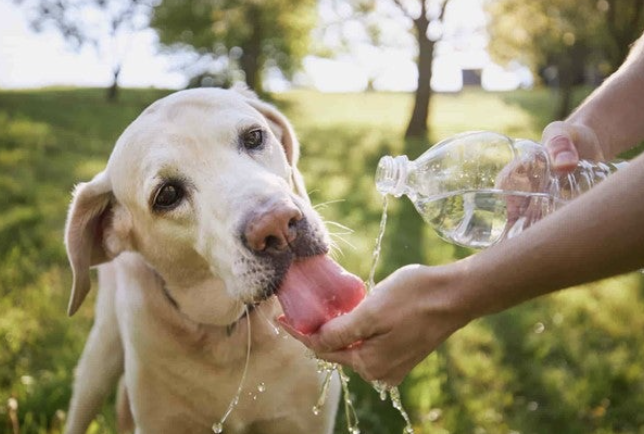
Summer, scorching heat, the asphalt is melting. Yet your inner voice is screaming: «Time to train!». Stop. Cool down yourself and take a look at your four-legged partner. I know that unstoppable drive. You want to run your dog through every course on the agility field, polish their obedience to perfection, or escape to the mountains for the whole weekend. But summer is no time for setting records. It is a time for survival and a smart approach to physical exercise.
Every season on our portal tvaryny.com, we harshly dissect the most pressing pet care issues. Today we are going to talk about the scariest one. Heatstroke is not just «the dog is a little hot». It is a critical, deadly condition. It destroys brain cells, «shuts down» the kidneys, and stops the heart in a matter of minutes. The worst part is that most owners notice the problem way too late. Usually, this happens only when the pup is already collapsing unconscious on the grass.
Anatomy of overheating: why dogs «boil» from the inside
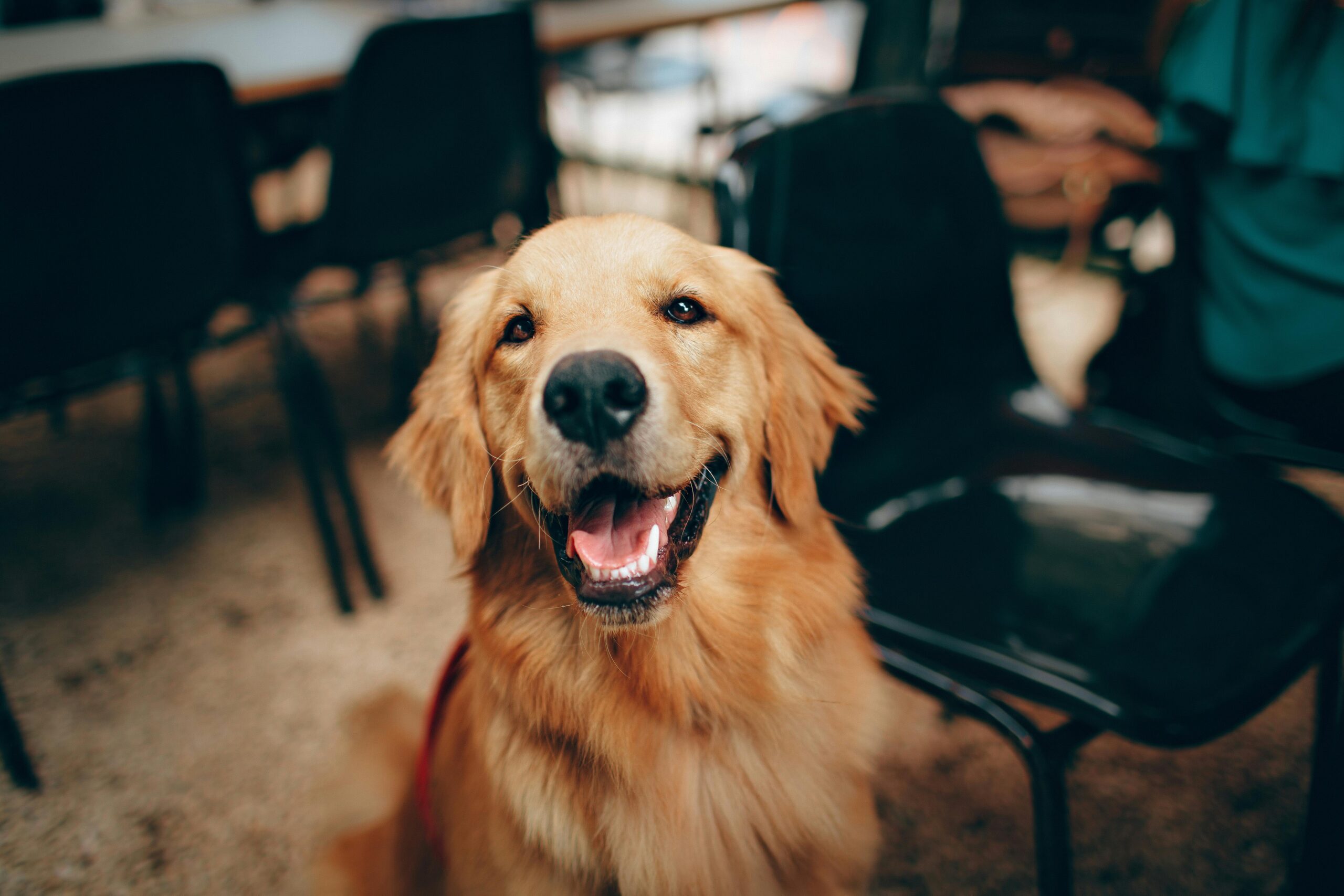
Imagine yourself wearing a winter down jacket on a treadmill at 86°F. Now imagine that you physically cannot sweat. This is exactly how your dog feels right now. They do not have sweat glands all over their body like we do. Their only available way to dump excess heat is panting (ventilation through the mouth) and a tiny bit of evaporation through their paw pads. When the air temperature gets close to the dog’s body temperature, this natural «radiator» simply stops working.
Body temperature rapidly skyrockets above 105°F. Proteins in the body begin to coagulate, just like scrambled eggs in a hot pan. To avoid rushing your partner straight to the ICU, you must act proactively. As soon as the thermometer column creeps up, a comprehensive approach to safety is vital. This is especially true for delicate companions, so if you own a Long-Haired Russian Toy or another sensitive breed, make sure you know exactly how to protect them before packing your backpack for the trail.
And here is another thing that absolutely drives me crazy as an instructor – the summer shaving of fluffy dogs. Many people think that buzzing the coat off a Husky, Samoyed, or Spitz is a brilliant solution to beat the heat. But a double coat works just like a thermos. It protects the skin from direct sunlight and severe burns. Before grabbing the clippers, figure out exactly who needs a summer trim and who is strictly contraindicated. Otherwise, you risk destroying your dog’s natural protective barrier.
5 non-obvious signs of heatstroke you are missing
We all know about rivers of drool and frantic panting. But on the agility course or during a high-speed trek, this often seems like the norm. You are working hard, and the dog is working hard too! So catch these 5 hidden markers that scream «Stop, the workout is over!».
1. «Wide shovel» shaped tongue and brick-red gums
When a dog is just tired, they stick their tongue out. When a dog is overheating, the tongue becomes incredibly wide. It looks almost flattened at the end, desperately trying to increase the surface area for moisture evaporation. Pay attention to the color. If the gums and tongue have gone from bright pink to dark red, burgundy, or acquired a brick-like shade – you are in serious trouble. Do a quick test: press your finger against their gum. If the white spot does not turn pink again within 1.5 seconds after you release it, blood circulation is critically impaired.
2. Thick, «sticky» saliva instead of water
Healthy saliva flows freely and drips during exertion. If you see that the saliva has become thick and stretches like threads of glue – this is a sign of critical dehydration. The same goes for thick white foam in the corners of the mouth. The body is already heavily conserving fluids. It is giving up its last water reserves strictly to cool the internal organs. Total collapse will follow next.
3. Glassy eyes and loss of athletic «drive»
You throw their favorite puller. But your usually reactive Malinois or Jack Russell runs after it slowly, almost as if on autopilot. Or they completely ignore the retrieve. Their gaze becomes unfocused, «glassy». The dog seems to look right through you. They do not react to sharp commands or whistles. This is a 100% sign that the brain is already suffering from oxygen starvation and hyperthermia.
4. An obsessive urge to lie down in the shade
A true working dog will hustle until they drop dead. If your furry engine suddenly starts pulling into the bushes on their own, it is a massive red flag. They are looking for cool ground, lying on their belly, splaying their hind legs like a «frog», and refusing to get up. Do not pull on the leash under any circumstances! Their body is screaming for help and demands an immediate drop in temperture.
5. Changes in body posture and motor skills
You notice the dog arching its back, and its gait becomes unsteady. Their paws get tangled, almost as if the dog is slightly drunk. Severe muscle tremors might also appear (the dog literally shakes in 90-degree heat). This is the final stage right before loss of consciousness. Neural connections are failing due to a critical spike in blood temperature.
Never, do you hear me, NEVER throw an overheated dog into ice-cold water! And do not pack them with ice bags. The sudden drop in temperature will cause an immediate spasm of the skin’s blood vessels. The hot blood will remain trapped deep inside the body, and the internal organs will «burn» even faster. Cooling must definitly be gradual.
Your agility instructor
Emergency actions: on-site rescue algorithm
- Shade and rest: Immediately move the dog out of direct sunlight. Stop all activities. Remove all gear (harness, collar, bandana) to completely free the airways.
- Water internally: Give them water, but strictly in small portions. Do not let them chug a whole quart at once – this will provoke vomiting and cause even more severe dehydration.
- Water externally: Wet the paw pads, belly, and armpits with cool (room temperature) water. Gently wipe the inner surface of the thighs and the area behind the ears.
- Ventilation: Create airflow. Fan them with your t-shirt, turn on the car’s AC to medium power, or place the dog in a gentle breeze.
- Rush to the vet: Even if the dog feels better and happily wags its tail, drive to the clinic immediately. The consequences of a heatstroke (acute kidney failure or DIC syndrome) can catch up and kill the animal 48 hours later.
Cheat sheet: table of dog condition markers in summer
To help you quickly assess the situation during a trek or competition, I have put together a handy table. Save it, memorize it, and always keep it in the back of your mind.
| Marker | Normal (Active work) | Pre-overheating (Warning!) | Heatstroke (SOS!) |
|---|---|---|---|
| Breathing | Frequent, open mouth, rhythmic and controlled | Very fast, noisy, with wheezing or whistling | Panicky, shallow, extremely difficult, or stopping entirely |
| Tongue / Gums | Bright pink, moist, standard shape | Dark red, tongue is unnaturally wide («shovel») | Burgundy, bluish, pale gray, bone dry |
| Saliva | Liquid, drips quite freely from the mouth | Thick, stringy, slightly foamy in the corners | Sticky white foam or complete dryness of mucous membranes |
| Behavior | Fully engaged in work, eager, maintains eye contact | Slowed down, purposely seeks shade, ignores toys | Disorientation, staggering, vomiting, muscle seizures, collapse |
Summer training gear: what is in my backpack
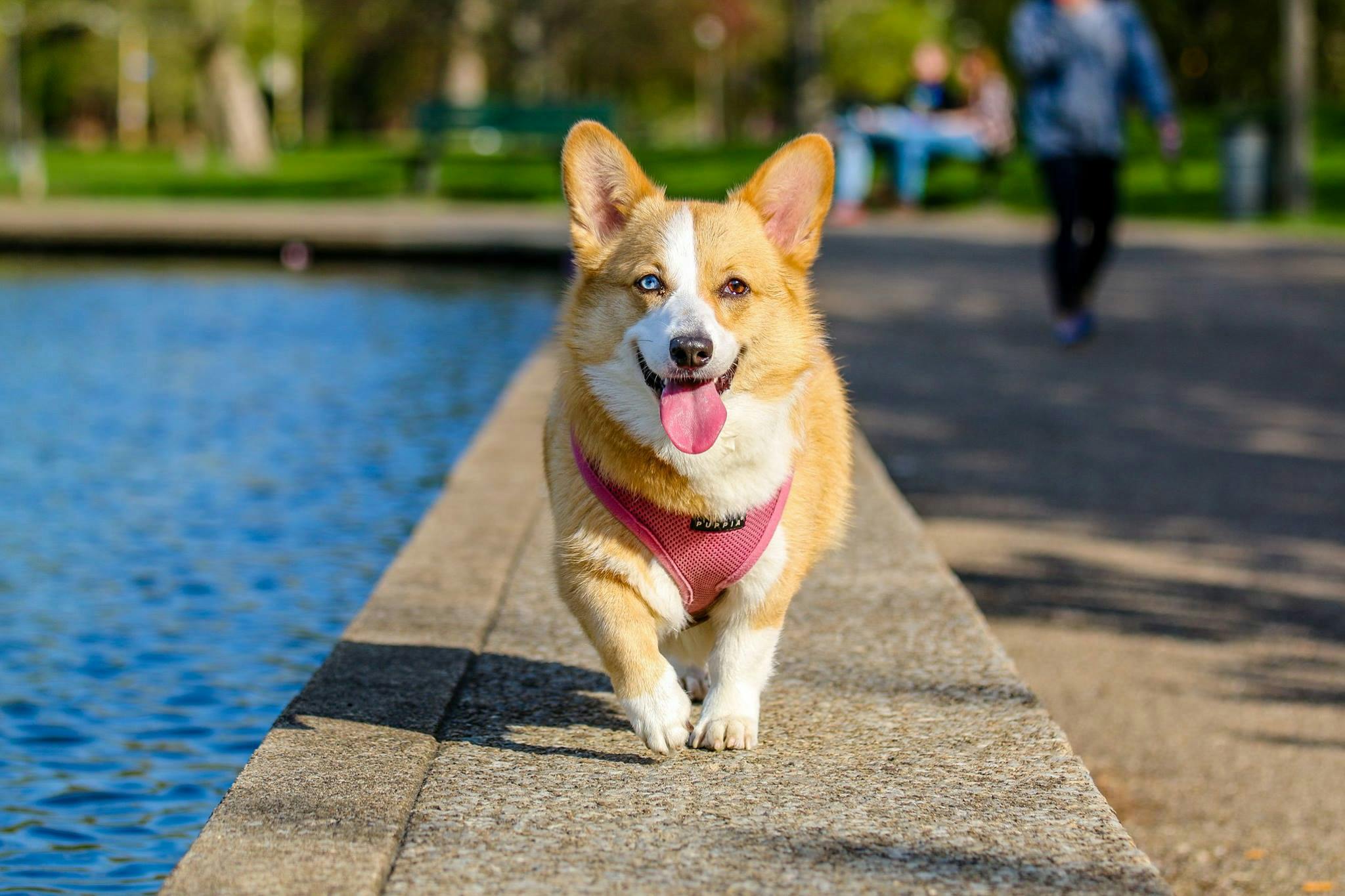
I never hit the trail in the sweltering heat without a basic rescue kit. This is not paranoia, it is the professionalism of a dog handler. If you want your furry friend to be a healthy athlete rather than a clinic patient on an IV drip, take care of the right gear.
- Collapsible silicone bowl and water supply: A minimum of 30 ounces of clean water per hour of activity for a medium-sized dog. Drinking fountains in the park do not always work, you know.
- Cooling vest or coat: They work on the simple principle of evaporation. Soak it in water, wring it out, put it on – and the body temperature smoothly drops. This is an absolute must-have for dark, fluffy, and brachycephalic breeds.
- Digital thermometer and vaseline: A dog’s normal temperature is up to 102.2°F. It is always measured rectally. If you see 104°F on the screen – drop everything, pour water on their paws, and save your dog’s life.
- Isotonic powder for dogs: During heavy panting, not only pure water is lost, but also vital electrolytes. Special powders, dissolved in water, restore the balance much faster.
- Paw protection wax or booties: Asphalt in the summer under the blazing sun heats up to 140°F. That guarantees chemical and thermal burns on the pads. Do a simple test: if you cannot comfortably hold the back of your hand against the asphalt for 5-7 seconds – your dog has no business walking there!
The final whistle
Sports and training with our tailed companions bring an incredible rush and energy. But we, as owners, bear full responsibility for these fluffy athletes. They are ready to run to the end of the world for their beloved ball just for us, even if their heart is already failing. Be smart leaders for your dogs.
Learn to read their body language. Dial down the pace in the midday heat and shift all intense activities to early morning or late evening. Your dog’s health is the only solid foundation for athletic victories and long, happy hikes. Grab some water, use your head, and may your workouts always be completely safe! See you on the forest trails!