

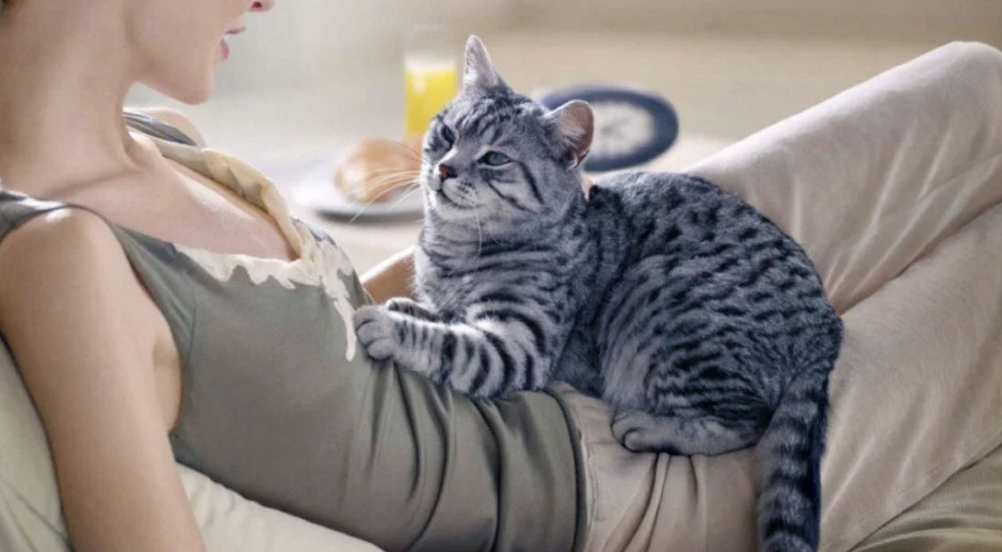
When you get home after an exhausting day and sink into your favorite couch, your fluffy friend jumps right into your lap. The world just seems to stop. Your cat starts purring loudly. They close their eyes and rhythmically alternate their front paws, extending and retracting their claws. We often call this magical ritual «making biscuits,» «kneading dough,» or «marching.» We at the tvaryny.com portal have dedicated a lot of time to studying animal psychology. We want to help owners better understand their pets. And today, I want to talk to you about this very special gesture.
Kneading is something much deeper than just a funny quirk. For me, as someone who has worked with street cats and shelter animals for years, these paw movements are a true indicator of a kitty’s emotional state. When a traumatized, scared cat that you’ve spent weeks teaching to trust humans again starts kneading your sweater for the first time – it brings tears to your eyes. It means the ice has finally broken. But is this movement always a sign of happiness?
Sometimes, behind that adorable paw action hides anxiety, stress, or even pain. Every kitty is a separate universe. Their behavior is often a direct reflection of what they feel inside. Let’s figure out together where to draw the fine line between absolute feline bliss and a silent cry for help.
Where Making Biscuits Comes From: A Look Into the Past
To truly understand an adult cat, we need to look at them as a tiny kitten. The kneading instinct is hardwired into their basic reflexes in the very first minutes of life. When a blind, defenseless baby seeks the warmth of its mother’s belly, it finds the nipple. Then it instinctively begins to massage it with its front paws. This rhythmic movement stimulates oxytocin production in the mother cat. It also improves her milk flow.
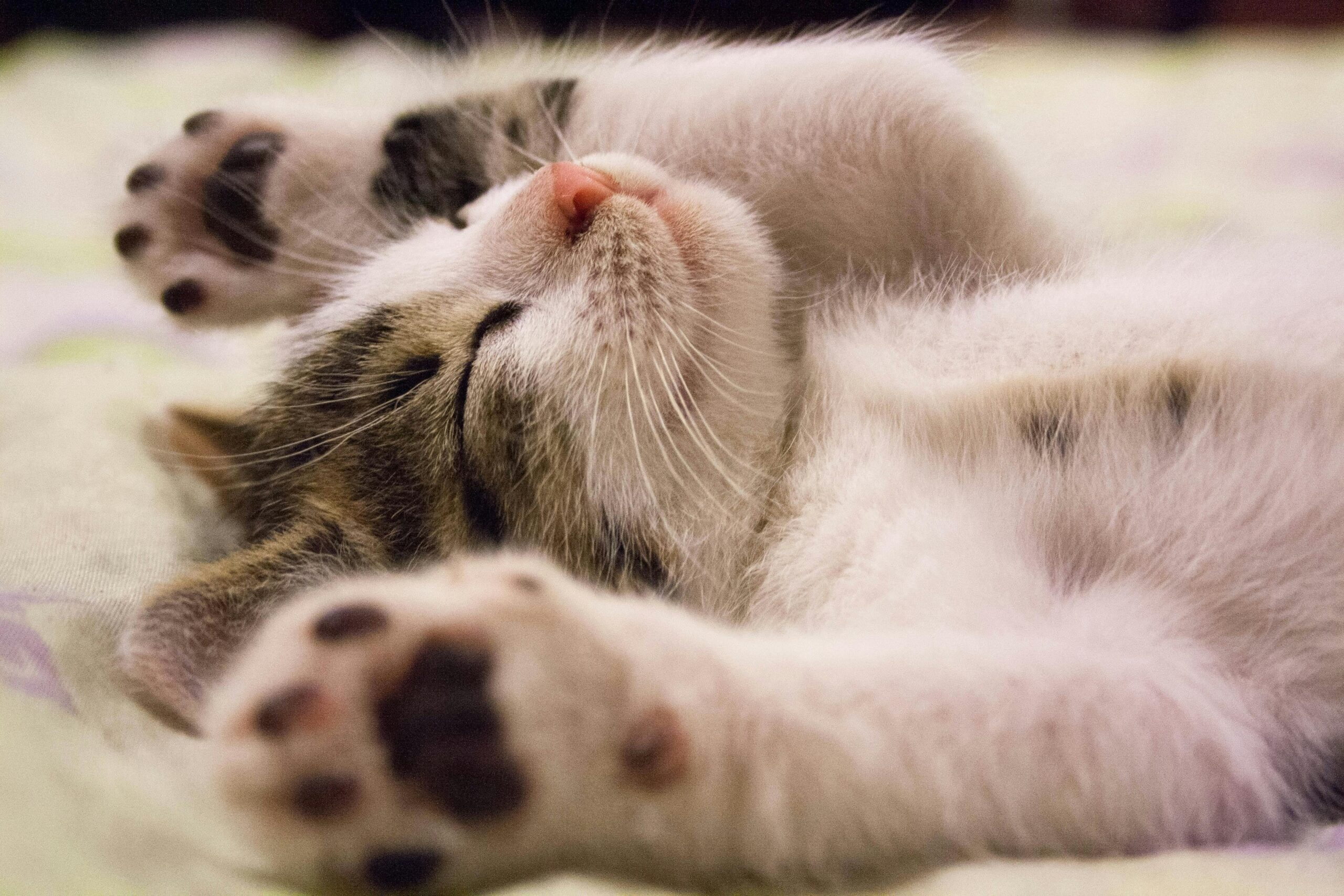
At this exact moment, the kitten feels absolute, unconditional safety. It is warm, full, and being groomed by its mom. A strong neural connection is permanently forged in its tiny brain. Moving its paws brings pleasure, peace, and satiety. This connection is so powerful that it stays with the animal for the rest of its life.
But why do adult cats continue to do it? It would seem they’ve long since grown up. They eat dry kibble or wet food, and they don’t need to work for milk anymore. The answer lies in their psychology. When an adult cat kneads you, a blanket, or another animal, it literally returns to that state of childhood bliss. It «regresses» to being a kitten with a large, reliable protector nearby.
Why Is Your Fluffy Friend Massaging You Specifically?
If your cat comes up to you, lies on your chest or stomach, and starts kneading with its claws out – congratulations. You’ve just received the highest honor in the feline world. This isn’t just a display of affection. It’s an acknowledgement of you as their «big mom» (or dad), regardless of your actual gender.
Besides the emotional return to childhood, there’s another very important, purely physiological reason. Special glands are located on the pads of a cat’s paws, right between the toes. These glands secrete pheromones. These are unique scent chemicals that humans cannot smell, but other cats can read perfectly. When a cat kneads you with its paws, it is literally putting its «stamp» on you.
It marks you with its scent, declaring to the whole world: «This human belongs to me. They are mine, they are safe, and I love them.» This is a very touching process of claiming ownership. In shelters, we often observe cats actively kneading their beds right after being petted by their favorite volunteer. They are simply trying to preserve that scent of safety.
Preparing the Perfect Place to Sleep
The wild ancestors of our domestic pets didn’t have orthopedic mattresses or fluffy beds. Before going to sleep in tall grass or leaves, they had to trample the area. They made it soft and checked to make sure there were no insects or snakes hiding beneath. Rhythmic kneading is also an ancient instinct for preparing a secure nest.
Kneading is not just a reflex. It is body language where the cat says: «I feel like a little kitten, and you are my safety.» If a cat kneads you, it is trusting you with the most vulnerable part of its soul.
Zoopsychology: the language of emotions
Interacting With Other Animals: When Cats Knead Dogs
In my practice, I often see cases where the kneading behavior is transferred not to a human, but to another pet in the house. It is an incredibly heartwarming sight. When cats live in harmony with other animals, they create their own micro-society with specific rules and bonding rituals.
Once, we fostered a street-rescued kitten who found a very unusual friend. It was a majestic, heavy-set Basset Hound that had an incredibly patient demeanor. The kitten would come up to this gentle giant, bury its nose in the thick fur, and spend hours kneading the dog’s side with its tiny paws. For the little one, this dog became a surrogate mother and a symbol of unwavering reliability.
However, the exact opposite situations can also occur. If you have an overly energetic young dog in the house, say, a wired-up Rough-Haired Segugio Italiano that constantly runs around wanting to play, your cat might experience background stress. You might notice your feline hiding on top of a tall cabinet. There, it will start nervously and intensely kneading its blanket. In this scenario, making biscuits is no longer a sign of relaxation. Instead, it is an attempt to cope with the tension.
When Does Kneading Become a Cry for Help?
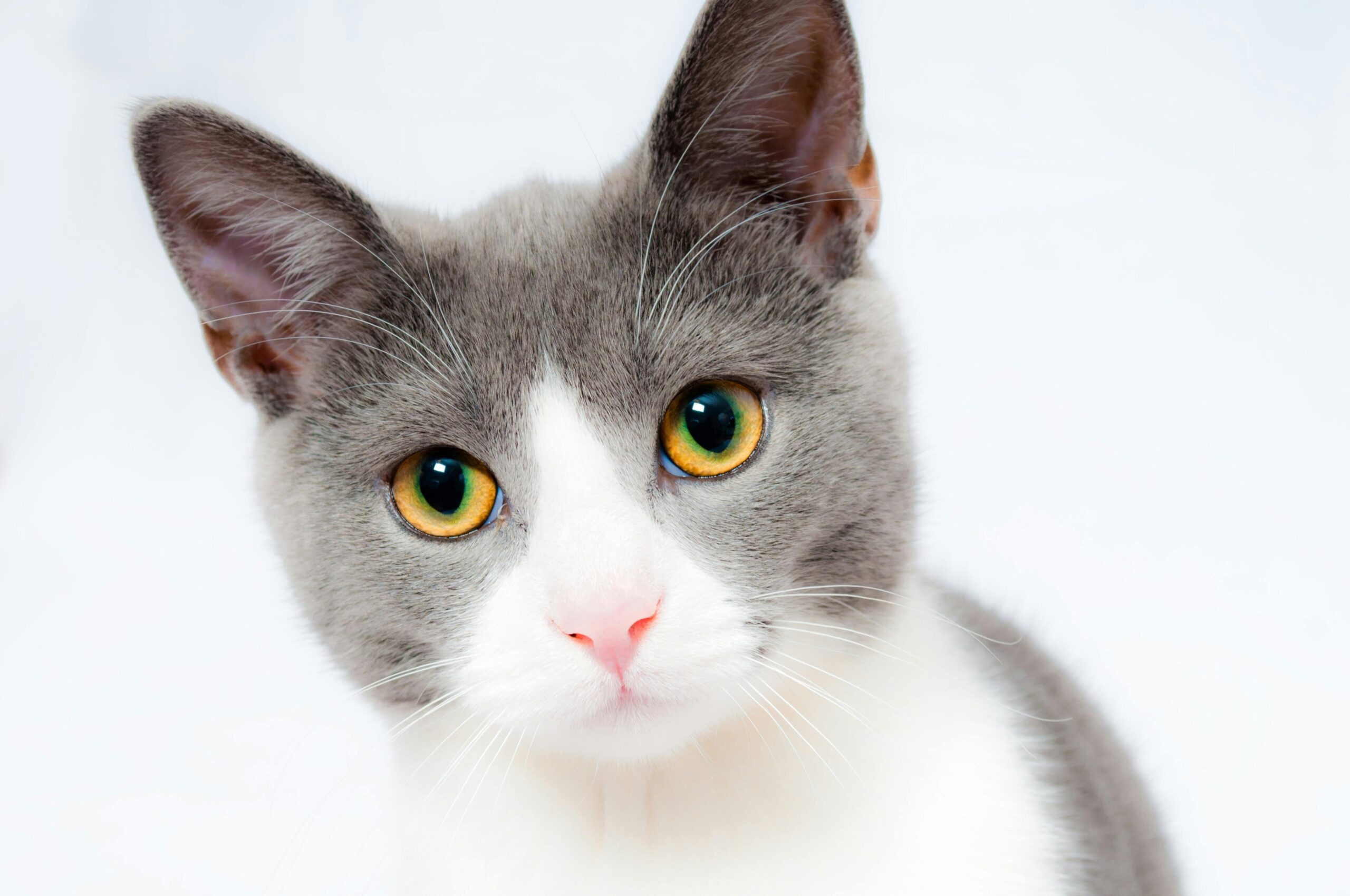
We are used to romanticizing feline behavior. But as an animal psychologist, I must warn you: sometimes this cute ritual is a symptom of serious psychological or physical problems. In the shelter, we call this «anxious kneading.» It is a mechanism of hypercompensation. The animal is trying to calm itself down under conditions of severe stress, pain, or psychological trauma.
This happens especially often with so-called «orphans» – kittens that were weaned from their mother too early. Ideally, a kitten should stay with the mother cat until they are at least 2.5 to 3 months old. If the baby is taken away at 4 weeks, it suffers a deep psychological trauma. Such animals often suck on the edge of a blanket, your clothes, their own paws, or even your earlobes while kneading. This is a direct consequence of early separation.
How to Recognize Anxious Kneading
Healthy behavior always has a beginning and an end. The cat comes over, purrs, massages you for 5 to 10 minutes, curls up into a ball, and falls asleep. But if this process turns into an obsessive state, you should sound the alarm. I have put together a list of markers for you. These will help you distinguish a normal state from a stressed one.
- Obsessiveness and duration: The animal might knead a blanket for hours without stopping, almost as if in a trance. It becomes very hard to distract them with a toy or a treat.
- Sucking on objects (Pica): The cat manically sucks on fabric. Sometimes they even swallow pieces of wool or thread. This can eventually lead to an intestinal blockage.
- Lack of purring: During a normal massage, a cat almost always purrs. Anxious kneading often happens in complete silence. It can also be accompanied by pitiful meowing.
- Body tension: The eyes are wide open, and the pupils are dilated. The ears are flattened against the head or pointing sideways (so-called «airplane ears»). The tail twitches nervously.
- Aggression when interrupted: If you try to take the blanket away or move the cat, it might hiss, swat with its paw, or bite. This is a clear sign that the pet is definetly experiencing severe emotional overload.
Remember that a sudden change in an adult cat’s behavior can also indicate pain. Cats are absolute masters at hiding their discomfort. If a senior cat, who hasn’t done this for years, suddenly starts actively kneading everything around – they might be trying to produce endorphins. They use this to dull the pain from osteoarthritis, dental problems, or internal organ issues. In such cases, the very first step should always be a visit to the vet.
Comparison: Normal vs. Anxious
For your convenience, I have prepared a table that will help you quickly analyze your pet’s state. Save this information. It might really come in handy one day.
| Behavioral sign | Healthy state (Relaxed) | Anxiety symptom (Stress / Pain) |
|---|---|---|
| Gaze and eyes | Half-closed, relaxed, slow blinking. | Wide open, dilated pupils (black eyes). |
| Vocalization | Deep, steady, and loud purring. | Silence, heavy breathing, or pitiful whining. |
| Duration | A few minutes, after which the animal goes to sleep. | Long, monotonous, and the cat looks exhausted. |
| Body posture | Soft, relaxed, the cat often lies on its side. | Hunched back, tense muscles, ears pinned back. |
| Reaction to touch | Enjoys being petted, purrs even louder. | Flinches, shows aggression, or runs away. |
How to Help a Cat Experiencing Stress?
If you relize that your pet is kneading not out of joy, but due to severe anxiety, the main rule is – never punish them or yell to chase them away. You can do even more harm by destroying that fragile trust you share. The animal isn’t doing this to spite you. They are simply having a very hard time and don’t know any other way to cope with their emotions.
In shelters, we have a clear protocol for working with such anxious animals. You can easily apply these methods right at home. They require patience, but the result is totally worth it. You will see your cat gradually relax and begin to enjoy life again.
Practical Steps to Restore Psychological Comfort
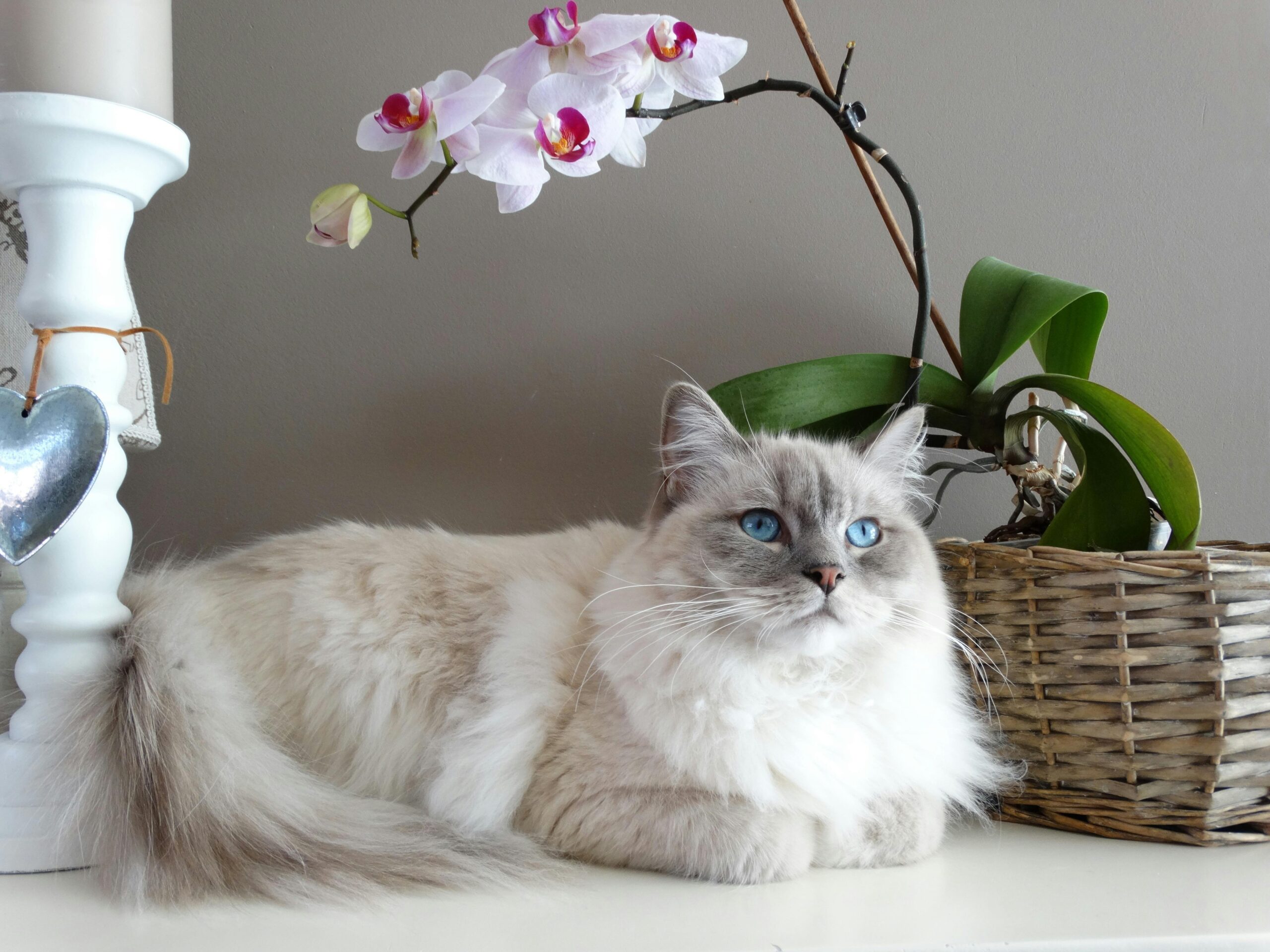
These steps will help lower overall anxiety levels. They will also redirect obsessive behavior into a healthy outlet.
- Create a «safe zone»: The cat must have a place where absolutely no one ever bothers them. This could be a high shelf with a bed. Or it can be a cozy cat house enclosed on three sides. If they go there to knead a blanket – do not disturb them.
- Environmental enrichment: Stress often stems from boredom and an unfulfilled hunting instinct. Play with your cat using a wand toy for 15 minutes twice a day. Let them run, jump, and catch their «prey.» Make sure to feed them right after playing. This completes the natural «hunt-eat-sleep» cycle.
- Using pheromones: Synthetic feline pheromones (like Feliway) in the form of diffusers or sprays work wonders. They mimic those exact scents of safety, helping the animal’s nervous system to calm down.
- Gentle habit correction: If your cat obsessively sucks and kneads your specific clothes, do not push them away roughly. Offer them an alternative. This could be a special, ultra-soft plush toy or a separate fleece blanket. Gently move their paws onto this new object.
- Protecting your nails (meaning your skin): Many people yell at their cat when it painfully extends its claws during a massage. To avoid this, regularly and carefully trim the tips of their claws with special clippers. Alternatively, just place a thick blanket over your lap before letting your fluffy friend jump up.
Love That Heals
I have seen hundreds of cats with broken pasts come into our hands frightened, aggressive, or completely withdrawn. But do you know what the most beautiful thing about our work is? Seeing how love and patience completely transform them. When a cat that used to hide under the couch at every sound steps out one evening. It jumps onto your bed and starts carefully kneading the blanket with its paws, purring loudly enough to fill the whole room.
Making biscuits is a wonderful gift from nature. It is an invisible thread that connects their kittenhood with their present moments beside you. Be attentive to your furry friends. Listen closely to their body language. Respond to their massage with a gentle scratch behind the ear and a soft spoken word. Let them know they are finally home. That they are completely safe.
So, the next time your purring machine begins its signature kneading ritual on your stomach (even if the claws prick a little bit), just smile. Take a deep breath. You are the most important person in their life. You are their personal island of peace in this big, confusing world.