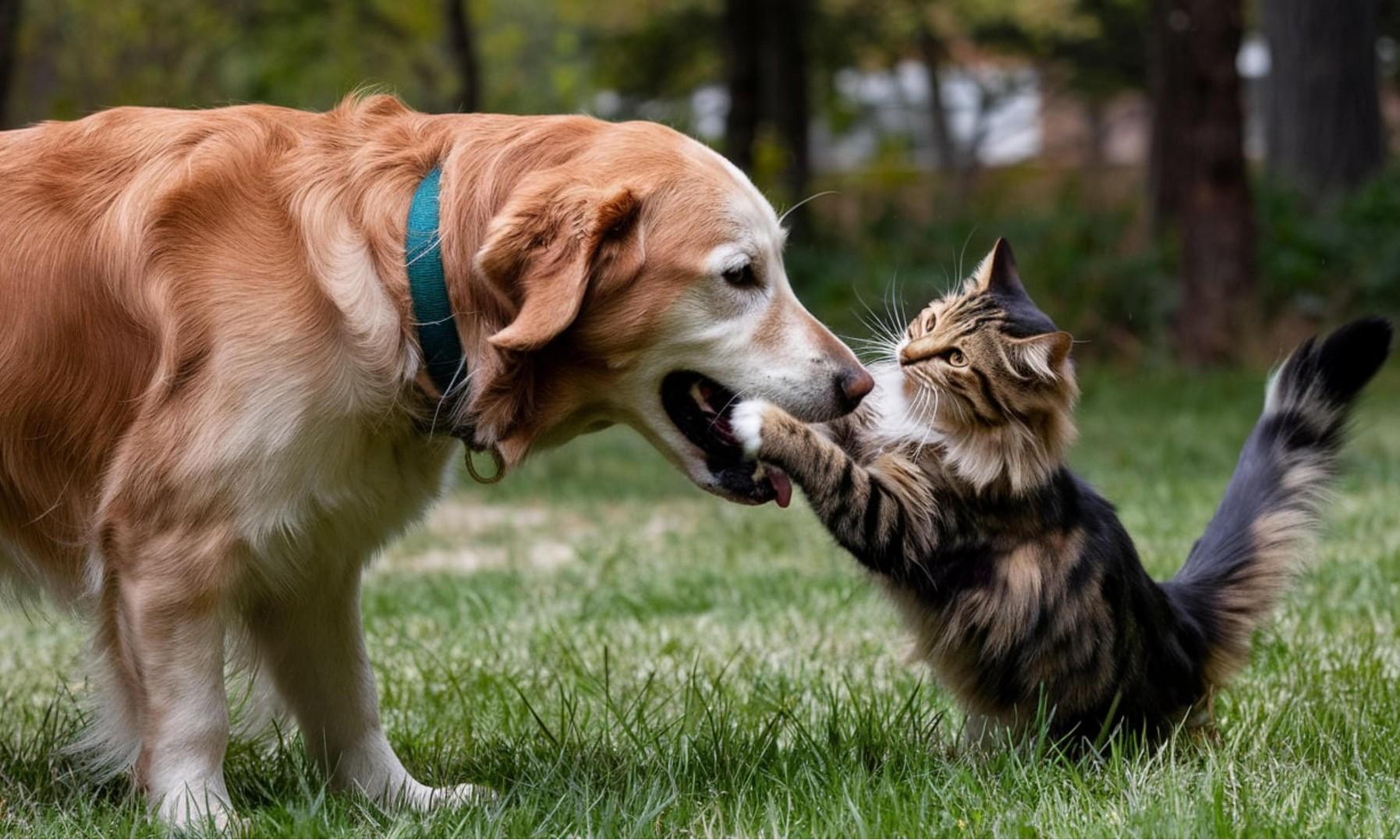
As the weather warms up, parks, forests, and backyards fill with the scent of grilled meat. It is a time for joy, relaxation, and family gatherings. But for veterinarians, the start of "grilling season" is a period of intense work and, sadly, tragic diagnoses. Owners, relaxed by the festive atmosphere, often let their guard down or deliberately decide to "treat" their pet with a bone or a piece of fatty meat from the table. It might seem harmless, but what can happen from just one bite? Read more about this on Tvaryny.
In this article, we won't just tell you "don't do it." We will explain the mechanics of the processes occurring in an animal's body after eating "picnic delicacies," dispel myths about the benefits of bones, and provide a clear action plan just in case something unpleasant does happen.
The Dog and Bone Myth: Where the Problem Roots From
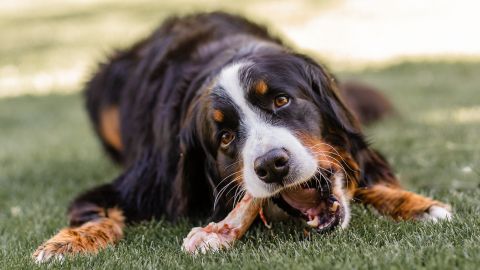
The stereotype that "a dog must chew bones" has been forming for centuries. We see it in cartoons, children's books, and even in pet store commercials. However, the reality of modern veterinary medicine is radically different from fairy tales. Wild ancestors of dogs indeed ate their prey whole, bones and all. But there are two critical nuances owners forget:
- Raw vs. Cooked: In nature, predators eat raw bones. Thermally processed bone (boiled, fried, grilled) changes its structure. From elastic and nutritious, it turns into a hard, brittle substance that doesn't crumble when bitten but shatters into sharp splinters.
- Lifespan: Natural selection is cruel. Wild animals that injured their esophagus or broke teeth on overly hard bones simply died. A domestic pet, whose goal is to live a long and happy life by your side, shouldn't be exposed to such risk.
Tubular Bones: Anatomy of a "Killer"
The most popular dish at cookouts, right after pork steaks, are chicken wings and drumsticks. These pose the greatest threat. Tubular bird bones (chicken, turkey, goose) have a hollow cavity inside. When cooked, they become glass-like.
When a dog crunches such a bone, splinters form that are as sharp as a scalpel. Passing through the digestive tract, they can cause irreparable damage at any stage:
| Location | Possible Consequences | Danger Level |
|---|---|---|
| Mouth | Splinters get stuck between teeth, digging into gums or the roof of the mouth. The animal panics, trying to remove the object with its paw. | Medium (painful but curable) |
| Throat and Esophagus | Perforation of the esophageal walls. This is a critical condition requiring complex thoracic surgery. Risk of developing mediastinitis. | Critical |
| Stomach | A sharp splinter can pierce the stomach wall, causing peritonitis (inflammation of the abdominal cavity). Boiled bone doesn't digest in a dog's gastric juices as effectively as raw bone. | High |
| Intestines | Blockage (obstruction) or perforation. Often requires resection (removal) of part of the bowel. | Critical |
Not Just Bones: Hidden Threats in Marinade and Fat
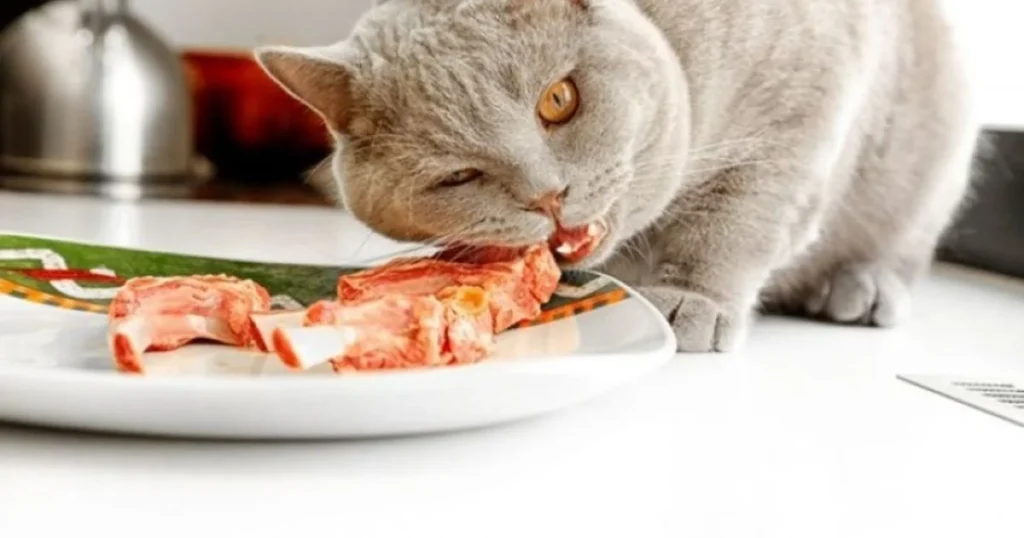
Even if you are a responsible owner and don't give your dog bones, danger can lurk in the "flesh" you want to treat your pet with. A BBQ isn't just meat. It is a concentration of fat, spices, onions, and vinegar.
Pancreatitis: A Low Blow
Fatty meat (pork, lamb), chicken skin, and fat trimmings are a "bomb" for a dog's pancreas. Unlike humans, dogs struggle to digest large amounts of fat at once. This can trigger acute pancreatitis. Symptoms might not appear immediatly, but 1–2 days later: uncontrollable vomiting, severe stomach pain (the dog takes the "prayer position"), refusal to eat, and diarrhea.
By the way, during the summer period, it is important to look after not just the diet, but the general environment. While out in the yard, ensure your pet doesn't snack on something growing nearby. Read more in our guide on poisonous plants: a list of spring flowers that are deadly dangerous for cats and dogs. Proper care will help avoid many issues during outdoor activities.
Onion and Garlic: Invisible Poison
Classic grilling marinades almost always contain onion or garlic (fresh or dried). These products are toxic to dogs and cats. They contain thiosulfates, which destroy the animal's red blood cells, causing hemolytic anemia. Even a piece of fried meat that is well-soaked in onion juice can be harmful, espcially for small breeds.
Symptoms of Trouble: When to Go to the Vet?
Sometimes we don't notice our dog picking something up from the ground. How do you know if the BBQ has gone wrong? Here are the red flags that require an immediate visit to the clinic:
- Vomiting: Especially if it repeats or if there is blood/foam in the vomit. Unproductive retching (trying to throw up without result) can indicate a bone stuck in the esophagus or gastric torsion (bloat).
- No Bowel Movement: If the dog is straining but cannot go to the bathroom, this is a sign of bowel obstruction.
- Blood in Stool: Dark, tarry stool (melena) indicates bleeding in the upper GI tract (stomach, small intestine).
- Change in Behavior: Lethargy, apathy, reluctance to move, hunched back (a sign of abdominal pain).
- Hypersalivation: Excessive drooling may mean a bone is stuck in the throat or esophagus.
First Aid: What to Do and What NOT to Do
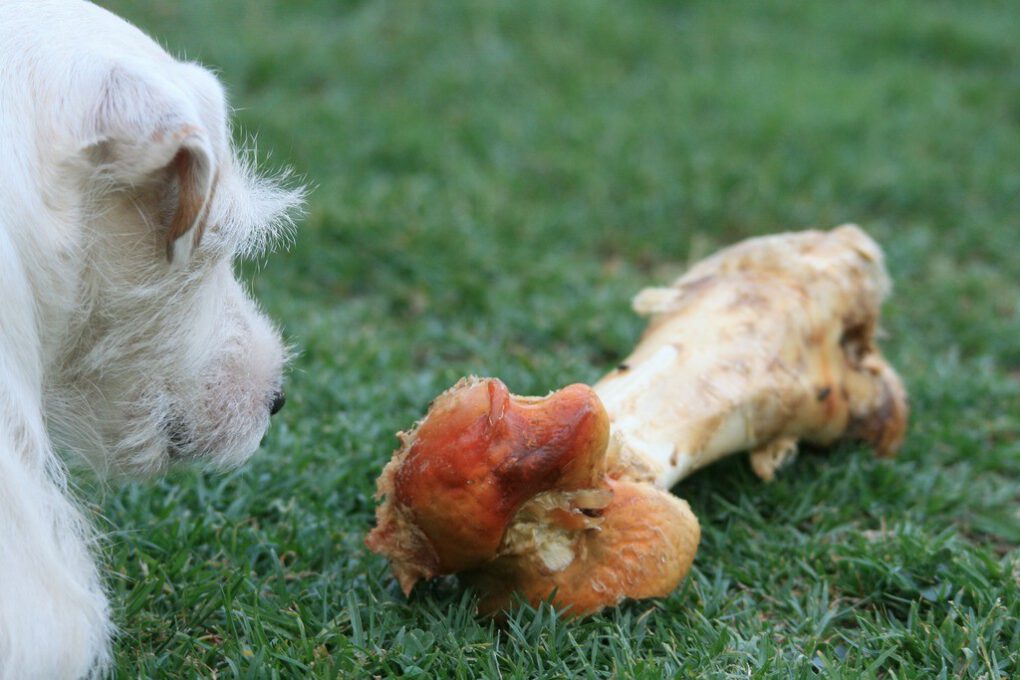
If you see that your dog has grabbed a bone and is trying to swallow it:
1. Open the mouth (carefully): If the bone is still in the mouth, try to retrieve it. But remember your own safety - in a state of excitement or stress, the animal might bite.
2. DO NOT induce vomiting: This is the biggest mistake! If a sharp bone has already passed into the stomach, the return journey through the esophagus under the pressure of vomiting spasms can lead to even more serious injuries and lacerations.
3. Do not give laxatives: Active peristalsis can effectively "skewer" the intestine onto the sharp splinter.
4. Feed bulky food (with caveats): If a small but sharp piece has been swallowed, some vets advise giving rice with soft bread or cooked asparagus to "wrap" the object and ease its passage. However, this is not a cure-all, and it is better to consult a doctor by phone first.
It is important to remember that the animal's general health affects the body's ability to recover from stress. A strong immune system is key to a quick recovery.
Safe Alternatives: How to Treat Your Pet in Nature
We are not suggesting you isolate the dog during the picnic. They are a member of the family too and want to celebrate. Simply swap dangerous products for healthy treats. Prepare a "doggy picnic" in advance.
| FORBIDDEN (Red Zone) | ALLOWED (Green Zone) | WITH CAUTION (Yellow Zone) |
|---|---|---|
| Cooked tubular bones (chicken, rabbit) | Special dried treats from the pet store (bully sticks, tracheas) | Raw beef knuckles (only large ones without sharp edges, and if the dog is used to raw food) |
| Fatty trimmings, skin, lard | Grilled vegetables (zucchini, carrots) WITHOUT salt and spices | Hard cheese (a small piece as a treat) |
| Sausages, hot dogs (high salt and spices) | Lean raw meat (beef, turkey), brought separately | Cartilage (in small quantities) |
| Alcohol, chocolate, grapes | Feeder toys (Kong), filled with pâté beforehand | - |
Behavioral Aspect: "Puss in Boots Eyes"
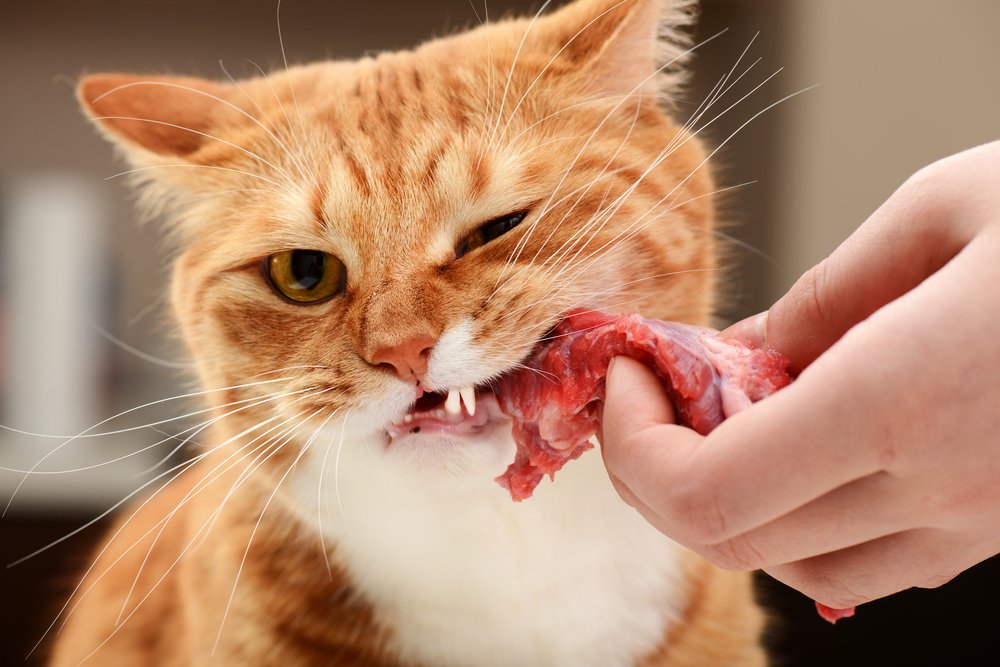
The hardest part of the BBQ story isn't hiding the food, but withstanding the psychological attack. Dogs are masters of manipulation. They will look at you as if they haven't eaten for a week, nudge your knee with their nose, and sigh heavily.
Why shouldn't you give in? Apart from the health risk, you are destroying discipline. Once a dog gets a piece from the table after begging, they will remember it forever. Such behavior is reinforced instantly (the "positive reinforcement" method, but in a negative context).
Tip from a dog trainer: Feed the dog their usual portion before you sit down at the table yourself. A full animal will be less persistent. And to occupy their time, take a long-lasting chew with you (for example, a deer antler or a special toy with a frozen treat inside).
Conclusions
Love for an animal is not shown by the quantity of delicacies fed, but by caring for their longevity. "Grilling season" can be safe and joyful for everyone if simple rules are followed: no bones from the table, control over trash (where you throw leftovers), and having your own doggy snacks available. Remember that treating gastritis, pancreatitis, or surgery to remove a bone costs dozens of times more than quality food, and your four-legged friend's health is priceless.
Take care of your furry friends and may your vacation bring only pleasant emotions!
Remember: if you notice alarming symptoms after a picnic, do not wait for the morning. Time is against you. It is better to mistakenly visit the vet and play it safe than to lose precious hours.
This article is for informational purposes only. In case of any health problems with your animal, be sure to consult a veterinarian.